Tools & materials you'll need
Affiliate linksNo materials required.
As an Amazon Associate FixlyGuide earns from qualifying purchases — at no extra cost to you. Prices and availability are accurate as of publication and subject to change.
Quick Answer
When a circuit breaker trips, it's doing its job: protecting your home's electrical system from damage due to overcurrent. This usually happens because too many devices are plugged into one circuit, drawing more electricity than it's designed to handle (an overload), or because of a dangerous fault like a short circuit or ground fault. Troubleshooting involves identifying which circuit is tripping and then investigating the appliances connected to it or the wiring itself.
The Problem
Your circuit breaker is a safety device designed to automatically shut off power to a circuit when it detects an electrical fault or an overload. Think of it as a gatekeeper for your home's electrical flow. When it "trips," the switch on the breaker panel moves to an "OFF" or central position, cutting off electricity to that part of your home. This prevents wires from overheating, which could damage appliances or, in severe cases, cause an electrical fire. Frequent tripping is a clear sign that something is amiss in your electrical system and needs attention.
Step-by-Step Fix
Safety Note: Always exercise extreme caution when working with electricity. If you are unsure at any point, do not proceed and call a professional.
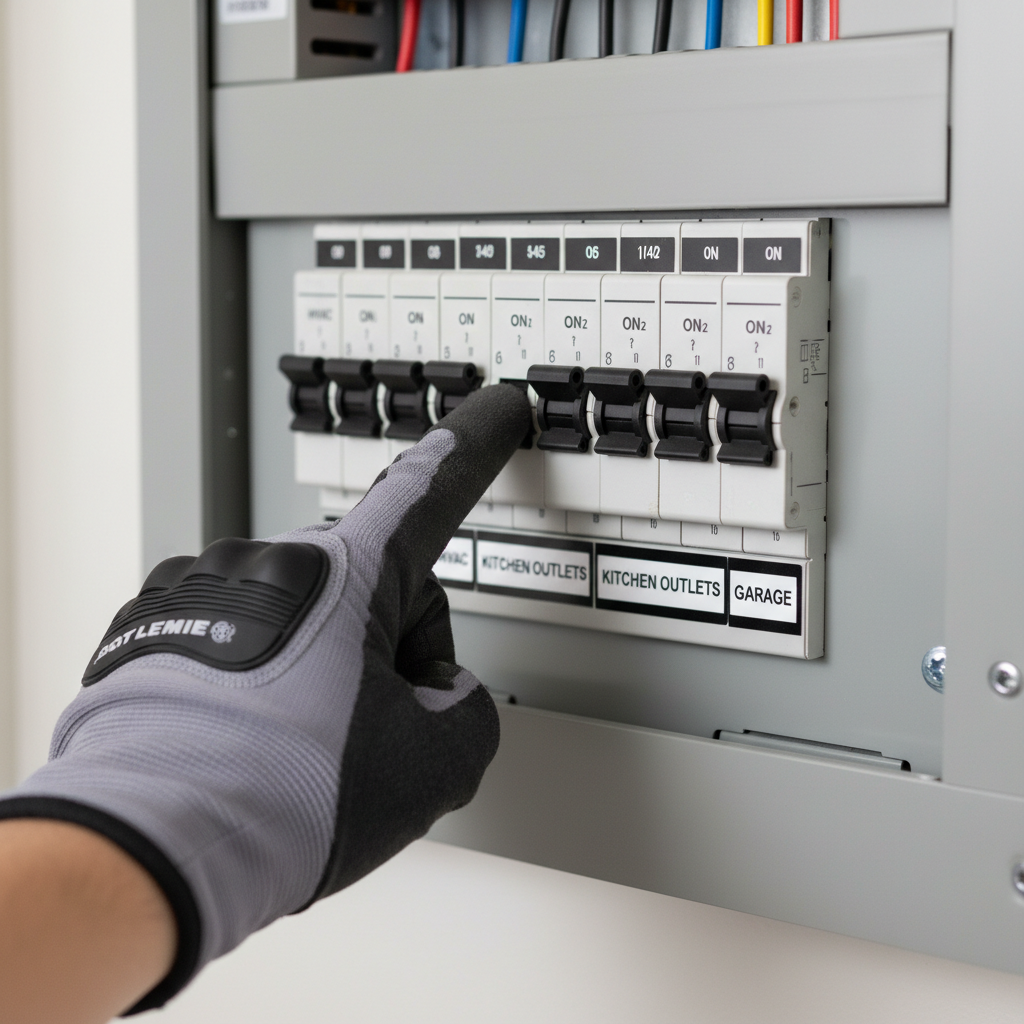
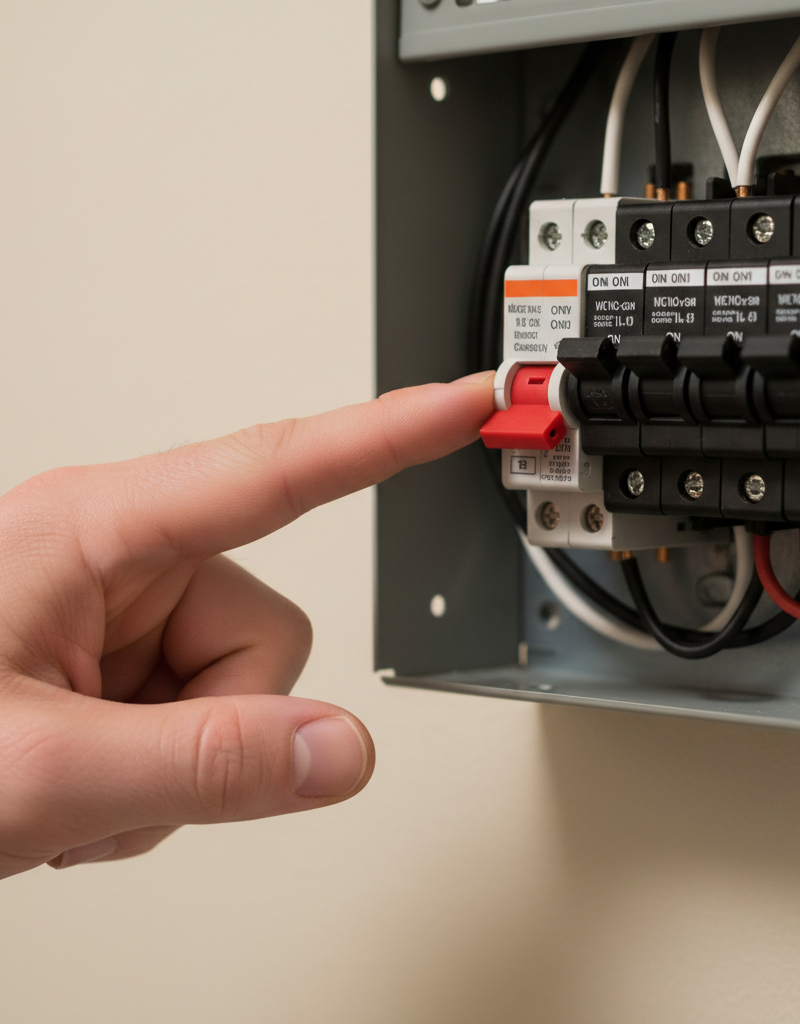
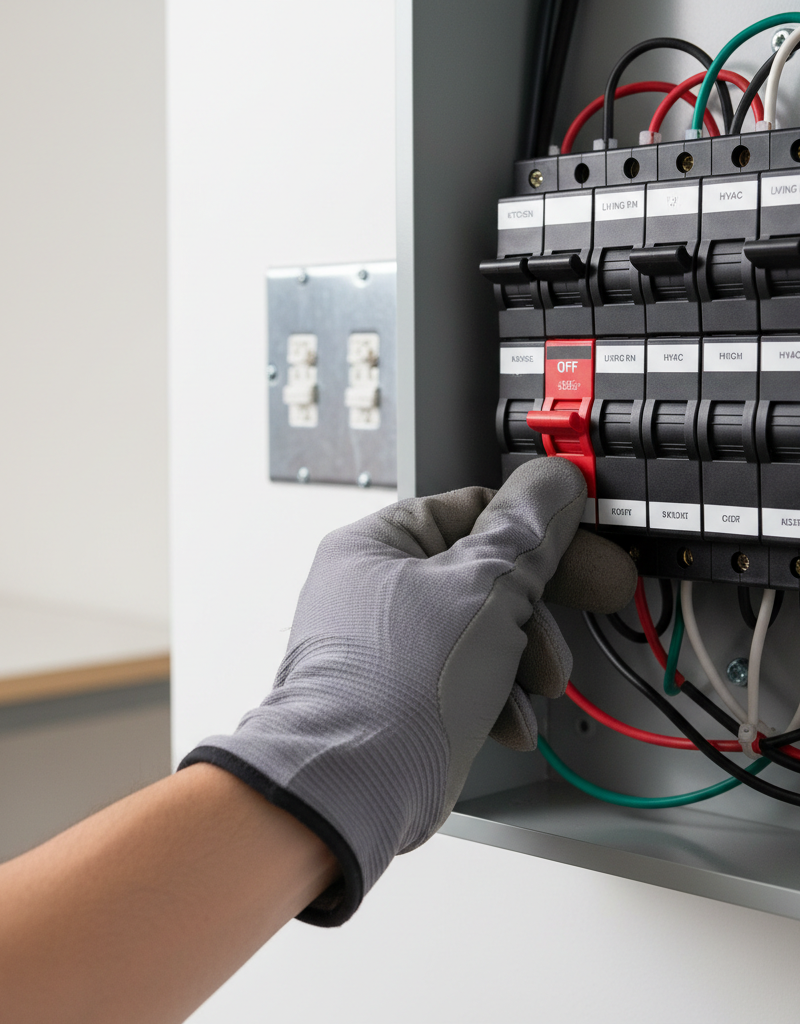
- Identify the Tripped Breaker: Go to your electrical service panel (breaker box). The tripped breaker will be in a different position than the others, usually halfway between ON and OFF, or sometimes fully in the OFF position. Note its label, if available, to know which area of your home is affected.
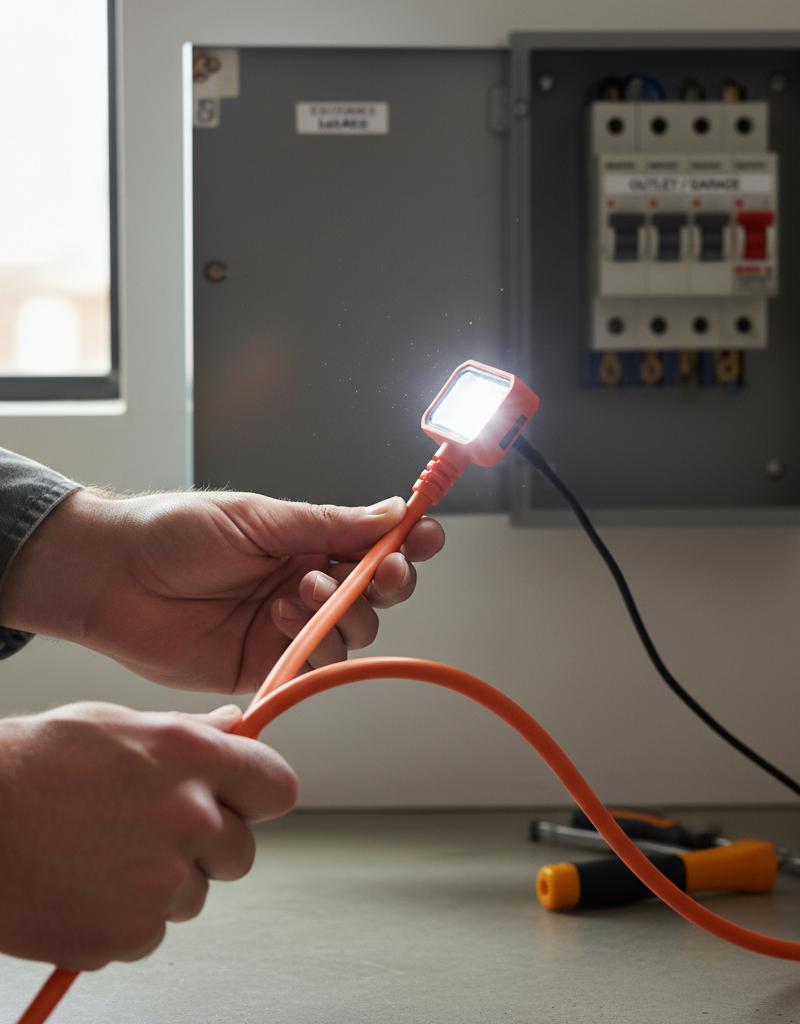
- Unplug Devices: Before resetting the breaker, unplug all appliances and devices from outlets on that circuit. This is critical if the trip was due to an overload.
- Reset the Breaker: To reset, firmly push the breaker handle all the way to the "OFF" position first. Then, push it firmly to the "ON" position. If it immediately trips again, do not force it. There's likely a short circuit or a serious wiring issue.
- Isolate the Problem (Overload): If the breaker held, plug in one device at a time. If the breaker trips after plugging in a specific appliance, that appliance is likely drawing too much power or has an internal fault. Try plugging it into a different circuit. If it trips that circuit too, the appliance is faulty. If it works on another circuit, the original circuit is likely overloaded.
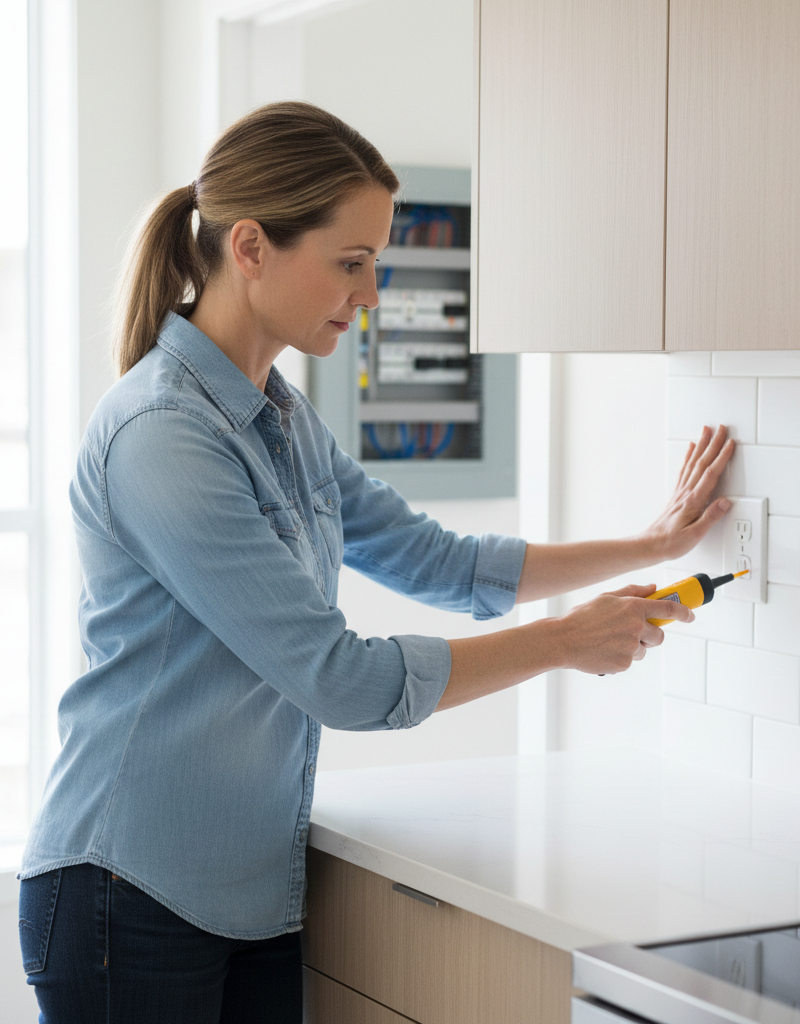
- Look for Short Circuits: If the breaker tripped immediately after resetting (without anything plugged in), or trips frequently with minimal load, you might have a short circuit. This could be due to damaged wiring, a faulty outlet/switch, or a problematic hardwired appliance (like a ceiling fan or built-in microwave). Visually inspect accessible outlets and cords for burn marks or damage.
- Test GFCIs (if applicable): If the tripped breaker is for an area with GFCI outlets (kitchen, bathroom, laundry, outdoors), test those outlets. A tripped GFCI can sometimes indicate a ground fault within an appliance or the wiring itself.
Common Causes
- Circuit Overload: The most frequent culprit. Too many high-power devices (e.g., hair dryers, toasters, space heaters, vacuum cleaners) plugged into outlets on the same circuit can draw more amperage than the breaker is rated for, causing it to trip.
- Short Circuit: Occurs when a "hot" wire touches a "neutral" wire or another "hot" wire. This creates a path of very low resistance, causing a sudden surge of current that trips the breaker almost instantly. Often caused by damaged appliance cords, faulty wiring, or a loose connection in an outlet or switch.
- Ground Fault: Similar to a short circuit, but occurs when a "hot" wire touches a ground wire or a grounded part of the electrical box. This also results in a sudden current surge. GFCI (Ground Fault Circuit Interrupter) outlets and breakers are designed to detect these faults.
- Faulty Appliance: An appliance with internal wiring damage or a motor problem can cause an overload or a short circuit, leading to a tripped breaker.
- Bad Breaker: Less common, but a circuit breaker itself can wear out over time or become faulty, leading to nuisance trips. If all other causes are ruled out, this might be the reason.
Tips & Prevention
- Distribute High-Draw Appliances: Avoid plugging multiple high-wattage devices into outlets on the same circuit simultaneously. Use different circuits for things like microwaves and toasters.
- Update Old Wiring: If your home has very old knob-and-tube or aluminum wiring, consider having it inspected and updated by a professional. This type of wiring is more prone to issues.
- Inspect Cords and Plugs: Regularly check appliance cords for fraying, cracks, or damage. Replace any damaged cords immediately. Ensure plugs fit snugly into outlets.
- Avoid Overloading Outlets: Don't use too many extension cords or power strips, especially with high-power devices. These can mask an underlying circuit overload.
- Label Your Breaker Panel: Clearly label each breaker in your electrical panel so you know which areas or appliances each one controls. This makes troubleshooting much faster.
When to Call a Professional
Call a licensed electrician immediately if a breaker repeatedly trips after you've unplugged all devices, if you smell burning odors, see sparks, or if the breaker feels hot to the touch. Also, if you suspect a short circuit or wiring issue, or if you consistently experience tripping on a circuit that doesn't seem overloaded, professional help is essential. Never attempt to bypass a breaker or use a higher-amperage breaker than specified, as this creates a serious fire hazard.
Frequently asked questions
What does it mean when a circuit breaker trips?+
When a circuit breaker trips, it automatically shuts off power to a circuit to protect your home's wiring from excessive current, which can be caused by an overload (too many devices) or a fault in the wiring or an appliance (short circuit/ground fault).
How do I reset a tripped circuit breaker?+
To reset a tripped breaker, first unplug all devices on that circuit. Then, firmly push the breaker switch all the way to the 'OFF' position, and then firmly to the 'ON' position.
Why does my breaker trip immediately after I reset it?+
If a breaker trips immediately after resetting, even with nothing plugged in, it almost certainly indicates a short circuit or a ground fault within your home's wiring. This is a serious issue that requires professional attention from a licensed electrician.
Can a faulty appliance cause a circuit breaker to trip?+
Yes, a faulty appliance with damaged internal wiring or an internal electrical problem can cause either an overload or a short circuit, leading the breaker to trip to prevent further damage or a safety hazard.
Discussion
Loading comments…