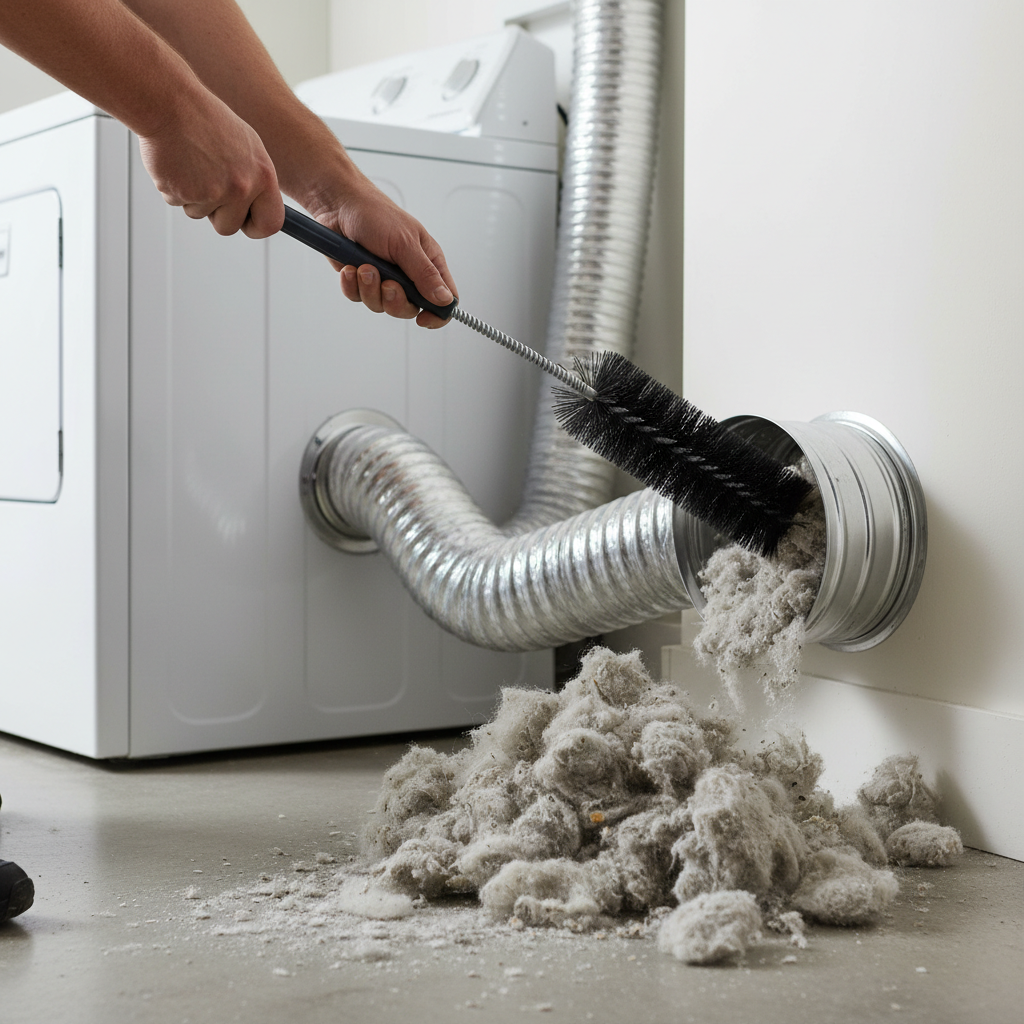
Tools & materials you'll need
Affiliate links- AmazonReplacement foil tape or metal hose clampsOnly if original connectors are damaged
As an Amazon Associate FixlyGuide earns from qualifying purchases — at no extra cost to you. Prices and availability are accurate as of publication and subject to change.
Quick Answer
The most effective way to prevent dryer fires is to regularly clean your dryer vent. Annually disconnecting the dryer, clearing the flexible hose and the rigid wall duct with a specialized brush kit, and ensuring proper airflow can eliminate dangerous lint accumulation that fuels fires and reduces your dryer's efficiency.
The Problem
Many homeowners diligently clean their lint trap after every load, but a hidden danger lurks beyond that screen: the dryer vent itself. Over time, highly flammable lint bypasses the trap and accumulates in the flexible transition hose behind the dryer, often continuing into the rigid ductwork inside your walls and leading to the exterior vent hood. This buildup restricts airflow, forcing your dryer to work harder, overheat, and creates an ideal fuel source for a fire. The CPSC estimates over 15,000 dryer fires occur annually, causing deaths, injuries, and millions in property damage. The vast majority of these fires are preventable with routine vent cleaning.
Lint is composed primarily of small fibers, usually cotton or synthetic materials, that are shed from clothing during the drying process. As these fibers accumulate in the warm, dry environment of the dryer vent, they create a highly combustible material. When airflow is restricted due to this lint buildup, the dryer's heating element can cause temperatures to climb dramatically. Eventually, the trapped lint can reach its ignition point, leading to a flash fire that can rapidly spread through your home. Beyond fire risk, a clogged vent also means longer drying times, higher energy bills, and increased wear and tear on your appliance.
How It Works
Your clothes dryer operates by drawing in ambient air, heating it with an electric heating element or a gas burner, and then tumbling your wet clothes in this hot air. As the moisture evaporates from the clothes, this humid, lint-laden air is forced out of the dryer drum and into the exhaust duct system. This system consists of two main parts: the flexible transition duct that connects the dryer to the wall, and the rigid ductwork (typically aluminum or galvanized steel) that runs through your home's walls or ceiling to an exterior vent hood. A fan or blower within the dryer creates the necessary airflow to push this hot, moist air, along with lint particles, out of your home. The lint trap is designed to catch most of the larger fibers, but finer particles inevitably escape and travel into the vent system. Over many drying cycles, these escaped lint particles cling to the inner surfaces of the ductwork, especially at bends and turns, forming progressively thicker layers. As these layers build up, the duct's effective diameter shrinks, increasing air resistance and reducing the volume of air that can be expelled. This reduced airflow means the hot, moist air remains in the dryer drum longer, leading to longer drying cycles, inefficient operation, and critically, an increased risk of overheating and fire due to the highly flammable trapped lint.
Step-by-Step Fix
1. Safety First – Disconnect power and gas supply.
Before doing any work, unplug your electric dryer from the wall outlet. If you have a gas dryer, turn off the gas supply valve adjacent to the dryer. This is crucial to prevent electrical shock or gas leaks during the cleaning process. Ensure the area is well-ventilated, especially if you have a gas appliance.
2. Pull the Dryer Away – *Create working space and disconnect the vent.
Carefully pull your dryer away from the wall. This might require some effort, and you may need a helper. Access the back of the dryer where the flexible transition duct connects. Gently detach this flexible hose from both the dryer's exhaust port and the wall vent opening. Note the type of clamps used (foil tape, metal hose clamps, or zip ties) for reattachment. You'll likely see a significant amount of lint here—this is normal but indicates the need for cleaning.
3. Clean the Flexible Transition Duct – Clear the main connection hose.
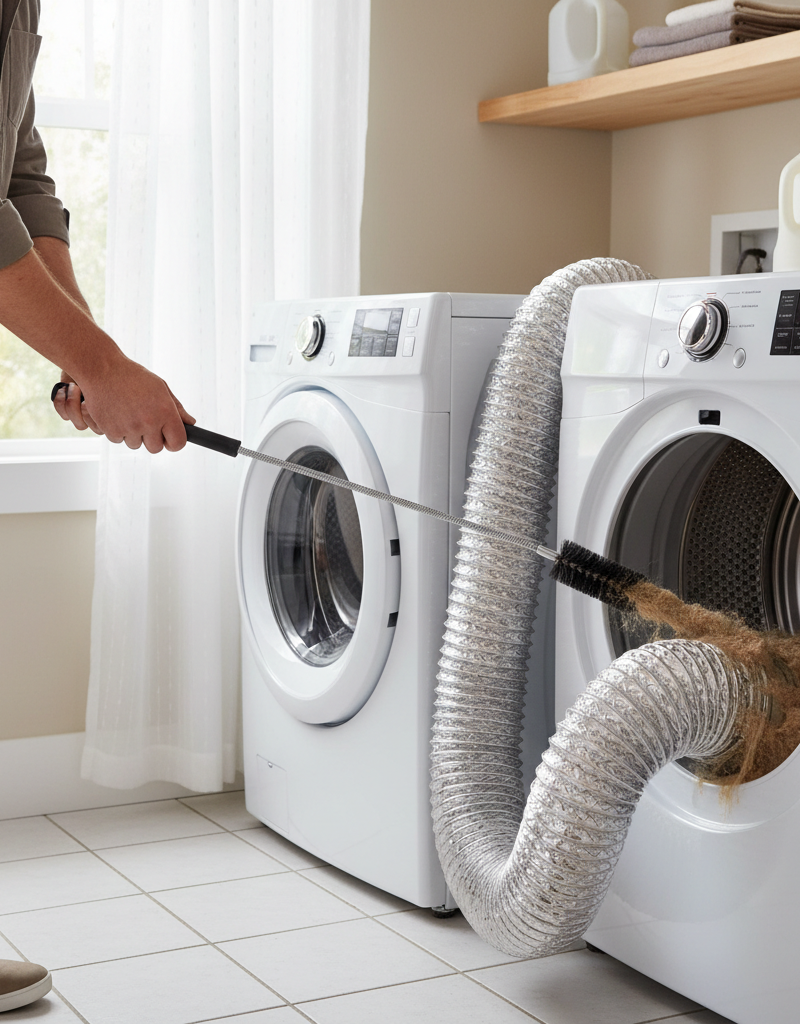
Take the disconnected flexible transition duct outdoors or to a garage. Shake out as much loose lint as you can. Then, use a dryer vent brush (often a long, flexible brush with a handle) to thoroughly scrub the inside of the hose. Work the brush through the entire length, twisting and pulling to dislodge stuck-on lint. If the hose is old, crinkled, or damaged, consider replacing it with a smooth-walled, rigid metal duct for better airflow and fire safety.
4. Clean the Dryer's Exhaust Port – Reach into the appliance itself.
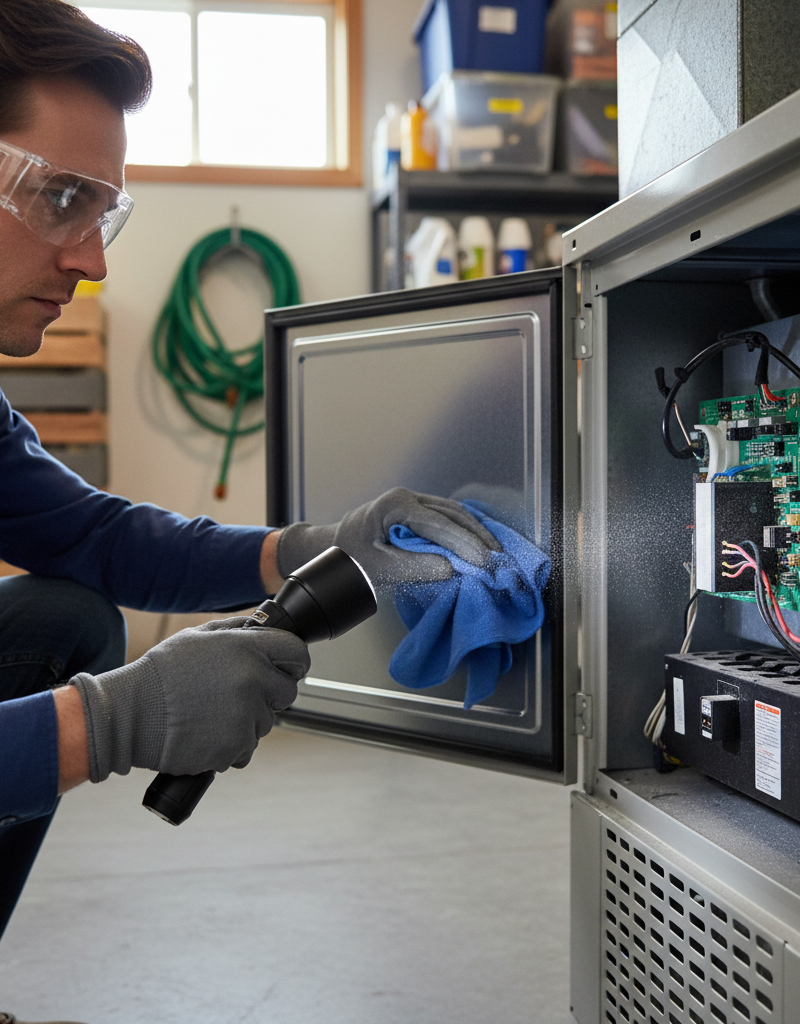
With the flexible duct removed, you'll see the exhaust port on the back of your dryer. Use a small, stiff brush or a vacuum cleaner hose with a crevice attachment to clear any lint buildup directly inside this port. Be gentle to avoid damaging internal components.
5. Clean the Wall Duct from the Inside – Tackle the hidden ductwork.
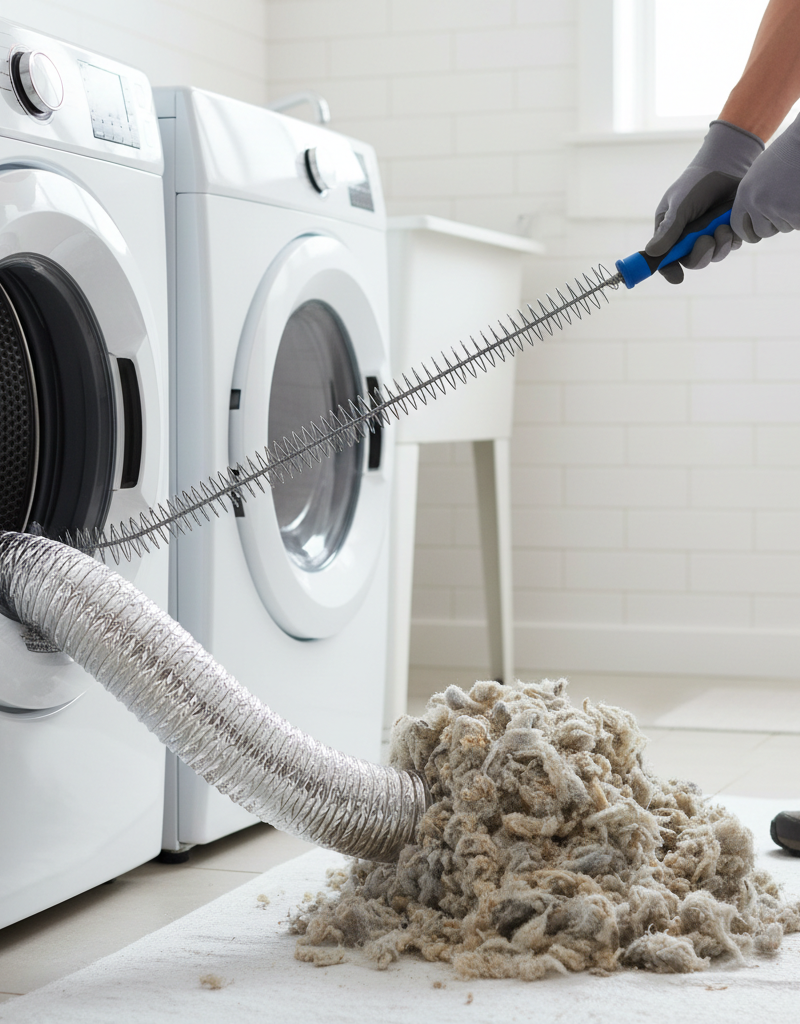
This is where the specialized dryer vent cleaning kit shines. Assemble the flexible rod sections of your dryer vent brush kit, attaching the brush head securely. Starting from the wall opening where the flexible duct connected, feed the brush into the rigid ductwork. Push and rotate the brush, adding rod sections as needed, to reach as far as possible into the duct. As you pull the brush back, lint will be dislodged. Use a shop vac to suck up the dislodged lint as you go, or after a few passes. Work slowly and methodically, especially around bends.
6. Clean the Exterior Vent Hood – Clear the final exit.
Go outside to locate your dryer vent hood. This is typically a louvered or caged opening on an exterior wall. Open or remove any covers. Use the dryer vent brush, a stiff brush, or your hands to clear out any lint, debris, or even bird nests that may be obstructing the opening. Ensure the louvers move freely and aren't painted shut.
7. Test for Airflow – Confirm a clear path.
Before reattaching anything, turn your dryer on to a
Frequently asked questions
How often should I clean my dryer vent?+
For most households, cleaning your dryer vent annually is sufficient. However, if you have a large family, frequently dry heavy items like towels or pet bedding, or notice your dryer taking longer than usual to dry clothes, you may need to clean it every six months.
What are the signs of a clogged dryer vent?+
Key signs include clothes taking excessively long to dry, clothes feeling hotter than usual at the end of a cycle, the dryer itself feeling very hot to the touch, a burning smell, or lint accumulating around the dryer vent opening outside your home. Increased energy bills are also a strong indicator.
Can I use a leaf blower to clean my dryer vent?+
While a leaf blower can move some loose lint, it's not recommended as a primary cleaning method. It often pushes lint further into the ductwork or compacts it, rather than fully removing it. A specialized dryer vent brush kit is designed to scrape and pull out clinging lint effectively.
Is it dangerous to clean my own dryer vent?+
Cleaning your dryer vent is a safe and straightforward DIY task for most homeowners, provided you disconnect power (and gas, if applicable) before starting. The main risk is not fully clearing the vent, which can leave a fire hazard. If you're uncomfortable or your vent run is unusually long or complex, hiring a professional is a good option.
Discussion
Loading comments…