
Tools & materials you'll need
Affiliate linksAs an Amazon Associate FixlyGuide earns from qualifying purchases — at no extra cost to you. Prices and availability are accurate as of publication and subject to change.
Quick Answer
Many essential home inspection points are often overlooked by homeowners during their annual maintenance routines. Focusing on areas like your home's foundation, exterior grading, attic ventilation, and the often-ignored crawl space can uncover minor issues before they escalate into significant, expensive repairs. By dedicating a few hours each year, you can proactively address potential problems related to water intrusion, structural integrity, and energy efficiency, saving a substantial amount of money and stress in the long run.
The Problem
Homeownership brings with it a host of responsibilities, and maintaining your property in good condition is paramount to protecting your investment. However, most homeowners naturally focus on visible, immediate issues – a leaky faucet, a running toilet, or a flickering light. The real problem lies in the insidious progression of hidden issues: a hairline foundation crack that expands with each freeze-thaw cycle, inadequate attic ventilation leading to moisture buildup and premature roof aging, or subtle grading problems that direct rainwater directly towards your foundation rather than away from it. These "silent killers" of home value often go unnoticed because they are either out of sight or mistakenly believed to be minor. Without a systematic, annual inspection of these critical, often-missed areas, small, manageable repairs can quickly balloon into major structural failures, extensive water damage, or significant energy waste, costing thousands of dollars and causing immense disruption. The challenge isn't just identifying these problems, but understanding their potential impact and knowing how to properly assess them yourself.
How It Works
Understanding the basic "how it works" for key home systems allows you to better diagnose and prevent problems.
Foundation & Grading: Your home's foundation is its literal bedrock, designed to support the entire structure evenly. Most residential foundations are either poured concrete slabs, basements, or crawl spaces, all of which rely on stable, well-draining soil. The "grading" refers to the slope of the ground around your home. Ideally, the ground should slope away from the foundation at a rate of at least 6 inches for the first 10 feet. This directs rainwater and snowmelt away from your home, preventing it from saturating the soil directly adjacent to the foundation. When soil around the foundation becomes oversaturated, it exerts hydrostatic pressure against the walls, which can lead to cracks, bowing, and even water intrusion into basements or crawl spaces. Poor grading negates the foundation's ability to resist water, making it a critical first line of defense against moisture-related issues.
Roofing & Attic Ventilation: Your roof isn't just a shield; it's a system. Its primary components include the decking, underlayment, and the visible shingles (or other roofing material). Crucially, the roof works in conjunction with your attic's ventilation system. Proper attic ventilation involves a continuous flow of air from soffit vents (low on the roofline, allowing air in) to ridge vents or gable vents (high on the roofline, allowing hot, moist air out). This airflow serves several vital purposes: in summer, it prevents heat buildup that can superheat your living spaces and prematurely age shingles; in winter, it prevents the formation of ice dams by keeping the attic air cool, reducing the melting and refreezing of snow at the eaves. Without adequate ventilation, moisture can accumulate, leading to mold, mildew, weakened structural wood, and compromised insulation.
Plumbing & Water Management: Your home's plumbing brings fresh water in and takes wastewater out. While obvious leaks are usually fixed quickly, subtle water management issues can be far more damaging. The exterior checks involve verifying that all downspouts effectively channel rainwater away from the foundation and that exterior hose bibs aren't leaking. Inside, beyond the visible fixtures, the integrity of drain lines and water supply lines in inaccessible areas (like behind walls or in crawl spaces) is critical. Even a tiny, slow leak can saturate building materials over time, leading to wood rot, mold growth, and attracting pests. Understanding the flow of water and preventing its unintended movement is key to long-term home health.
Step-by-Step Fix
Here are critical home inspection checks you can perform annually:
1. Inspect the Foundation for Cracks and Movement — Examine your home's foundation walls, both inside and out, for any signs of cracking, bowing, or shifting.
- Tools: Flashlight, measuring tape, camera (for documentation).
- Method: Start by walking around the entire exterior of your home. Look for any vertical, horizontal, or step-pattern cracks in the concrete or block foundation. Pay close attention to corners and areas near windows and doors.
- Measurements: Measure the length and width of any cracks you find. A crack wider than 1/8 inch, or a horizontal crack, is generally more serious. Use a coin to gauge width (a nickel is about 1/16 inch thick).
- Interior Scan: Head into your basement or crawl space. Look for similar cracks, water stains, or efflorescence (white, powdery mineral deposits) on the foundation walls.
- If this doesn't work: If you find significant cracks (>1/8 inch), horizontal cracks, stair-step cracks in brick, or any signs of bowing walls, this indicates potential structural issues. Document everything with photos and contact a structural engineer or a foundation repair specialist immediately. Do not attempt DIY repairs on major foundation issues.
2. Evaluate Exterior Grading and Drainage — Ensure the ground around your house slopes away from the foundation.
- Tools: Long straightedge (e.g., a 4-foot level or a long board), measuring tape, string line, stakes.
- Method: Visually assess the slope around your home. Ideally, there should be a noticeable downward slope away from the foundation.
- Measurement Test: Drive a stake into the ground 6 inches from the foundation. Tie a string to it at ground level. Extend the string 10 feet away from the house, keeping it level using a line level or a carpenter's level on a straightedge. Measure the distance from the string to the ground at the 10-foot mark.
- Benchmark: You want to see a drop of at least 6 inches over that 10-foot distance. If it's less, or if the ground slopes towards the house, you have a drainage problem.
- Fix: If grading is poor, you may need to add soil (compacted clay soil is best) to build up the grade and ensure proper runoff. Extend downspout outputs with flexible extensions to carry water at least 5-10 feet away from the foundation.
- Safety: Wear gloves when working with soil to prevent skin irritation.
3. Inspect the Roof and Attic Ventilation — Look for damaged shingles, flashing issues, and ensure proper airflow in the attic.
- Tools: Binoculars (for roof), powerful flashlight (for attic), ladder (if safely accessible).
- Roof Scan (from ground with binoculars): Look for cracked, curled, missing, or blistering shingles. Check for loose or damaged flashing around chimneys, skylights, and vent pipes. Note any moss or excessive granule loss.
- Attic Entry (if accessible): Carefully enter your attic. Shine your flashlight across the underside of the roof deck. Look for water stains, black streaks (mold), or signs of active leaks.
- Ventilation Check: Verify that soffit vents (in the eaves) are not blocked by insulation. Ensure ridge or gable vents are clear of obstructions. Feel for airflow near these vents. Insufficient insulation can also lead to ventilation problems, so check insulation depth and condition.
- If this doesn't work: If you find widespread shingle damage, active leaks, or significant mold in the attic, it's time to call a professional roofing contractor for a detailed assessment and repair. Improper roof work can lead to leaks and structural damage.
4. Check Gutters and Downspouts — Ensure they are clear and effectively diverting water.
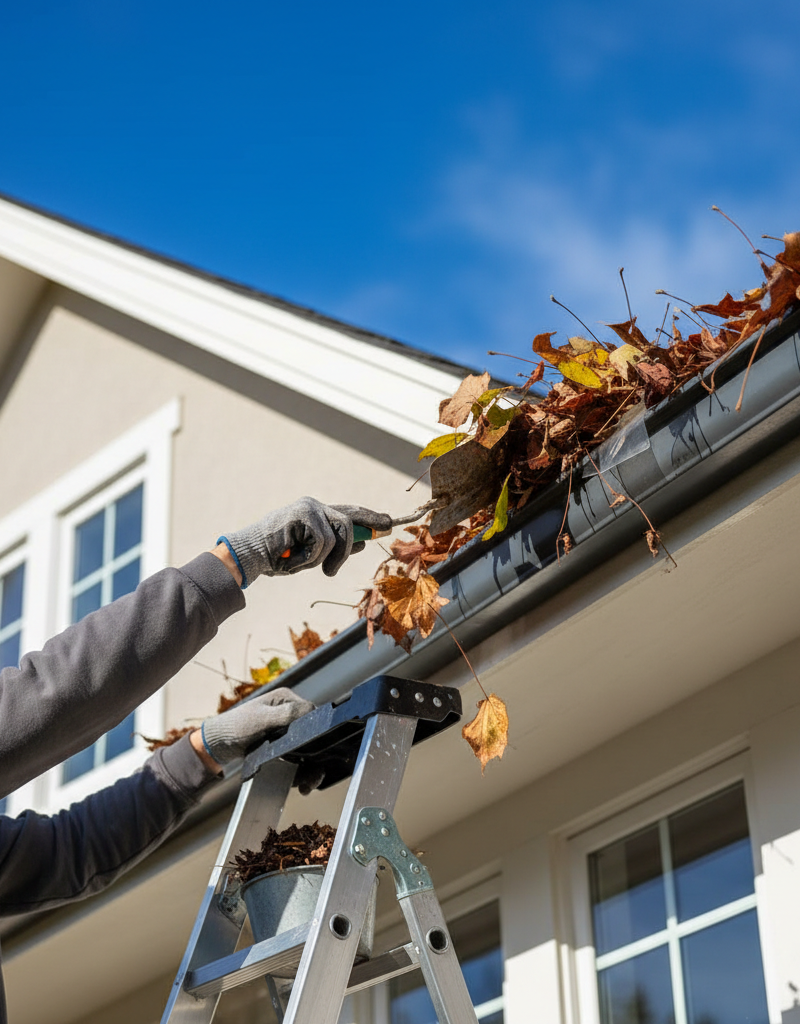
- Tools: Ladder, work gloves, small trowel or scoop, garden hose.
- Method: Safely position your ladder. Wearing gloves, remove all debris (leaves, twigs, shingle granules) from the gutters.
- Downspout Test: Once gutters are clear, use a garden hose to run water into the gutter at the highest point. Watch the water flow; it should drain freely through the downspouts and exit at the bottom.
- Inspection: Look for any sagging sections of gutter, loose hangers, or rust. Ensure all downspout extensions are directing water at least 5 feet away from the foundation.
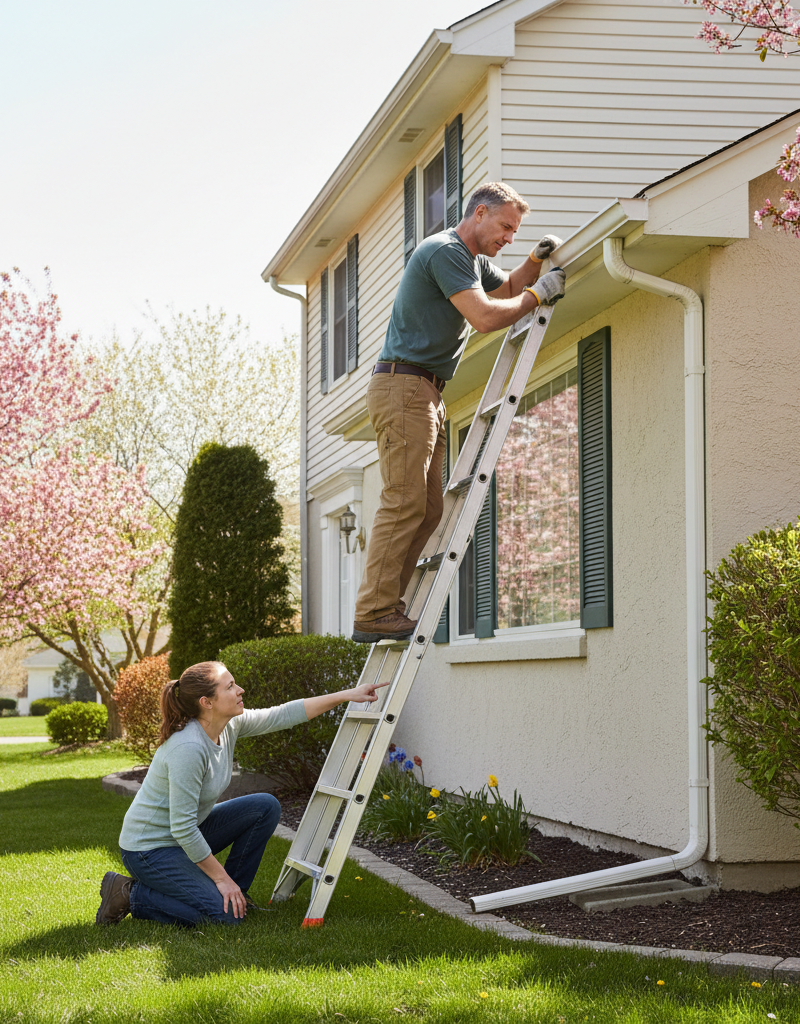
- Safety: Always follow ladder safety guidelines. Ensure the ladder is on stable, level ground and properly secured. Have a spotter if possible. Never reach too far; reposition the ladder instead.
5. Assess Exterior Caulking and Sealants — Look for gaps around windows, doors, and utility penetrations.
- Tools: Utility knife, caulk gun, exterior-grade caulk (siliconized acrylic latex for general use, silicone for higher durability).
- Method: Walk around the entire exterior of your home. Examine the caulk lines around all windows, door frames, and where different materials meet (e.g., siding to foundation). Also, check around any utility penetrations like dryer vents, outdoor faucets, and electrical conduits.
- Signs: Look for dried, cracked, shrunken, or missing caulk.
- Repair: Use a utility knife to carefully remove old, failing caulk. Clean the area thoroughly. Apply a new bead of exterior-grade caulk, ensuring a complete seal.
- Why: Properly sealed joints prevent water intrusion, air leaks, and pest entry. This improves energy efficiency and prevents moisture damage.
6. Inspect the Crawl Space (if applicable) — Look for moisture, mold, pests, and structural issues.
- Tools: Coveralls, strong flashlight, respirator, kneeling pad.
- Method: Carefully enter your crawl space. The first thing you should notice is the smell – it should not be musty.
- Moisture Check: Look for standing water, damp soil, water stains on joists or subflooring. Check the vapor barrier (if present) to ensure it's intact and covering the ground adequately.
- Mold & Pest Check: Scan for any signs of mold growth (often black, green, or white fuzzy patches) on wood members. Look for rodent droppings, insect trails, or damaged insulation.
- Structural Check: Examine support beams, floor joists, and sill plates for signs of wood rot, sagging, or termite damage. Use your flashlight to get a good view of all components.
- Safety: Wear a respirator (N95 or better) to avoid inhaling mold spores or dust. Wear coveralls and gloves to protect skin. Be aware of potential pests. If you notice a strong musty odor or extensive mold, pest infestation, or significant wood damage, hire a professional.
7. Test GFCI Outlets and Smoke Detectors — Crucial for safety.
- Tools: None (for testing GFCI and smoke detectors). Small screwdriver (for opening smoke detector battery compartment).
- GFCI Outlets: Locate all ground-fault circuit interrupter (GFCI) outlets in your home (usually found in bathrooms, kitchens, garages, and outdoors). Press the "TEST" button – the "RESET" button should pop out, and power to the outlet should cut off. Press "RESET" to restore power.
- Smoke Detectors: Press and hold the "TEST" button on each smoke detector until it chirps loudly. Replace batteries annually (even if they have a 10-year life, it's a good habit) and replace units every 10 years.
- Carbon Monoxide Detectors: If you have carbon monoxide (CO) detectors, test them according to manufacturer instructions, usually by pressing a "TEST" button. Replace them every 5-7 years.
- Safety: Never ignore a malfunctioning smoke or CO detector. Ensure all family members know the sound of the alarm and have an escape plan.
Common Causes
- Neglect & Lack of Routine: The most common cause of missed issues is simply not having a consistent, annual inspection routine. "Out of sight, out of mind" often leads to minor problems festering into major ones.
- Lack of Knowledge: Many homeowners aren't aware of what to look for in different areas of their home, or the subtle signs that indicate a brewing problem.
- Ignoring Small Signs: A tiny hairline crack, a slight dip in the grade, or a slow-draining downspout might seem insignificant, but these are often early warnings that are easy to dismiss until it's too late.
- Previous DIY Mistakes: Incorrect past repairs or renovations, such as adding soil that incorrectly slopes towards the house, or blocking attic vents with insulation, can actively create problems.
- Environmental Factors: Local soil conditions (e.g., expansive clay soils), heavy rainfall, high humidity, and extreme temperature fluctuations (freeze-thaw cycles) can exacerbate existing vulnerabilities in a home.
Common Mistakes
- Ignoring the Attic & Crawl Space: These are often the most telling indicators of a home's health, revealing moisture intrusion, pest activity, and structural problems, yet they are frequently skipped. Don't skip these crucial areas!
- Assuming Small Cracks are Harmless: While some small cracks are cosmetic, deep or spreading cracks, especially horizontal or stair-step patterns, can signal serious foundation issues. Always investigate and document.
- Poor Ladder Safety: Attempting to reach high areas without proper ladder positioning or a spotter is dangerous and can lead to serious injury. Prioritize safety over speed.
- Not Documenting Findings: Failing to take photos, measure cracks, or record observations means you lose valuable data for future comparisons or discussions with professionals. Keep a home maintenance log.
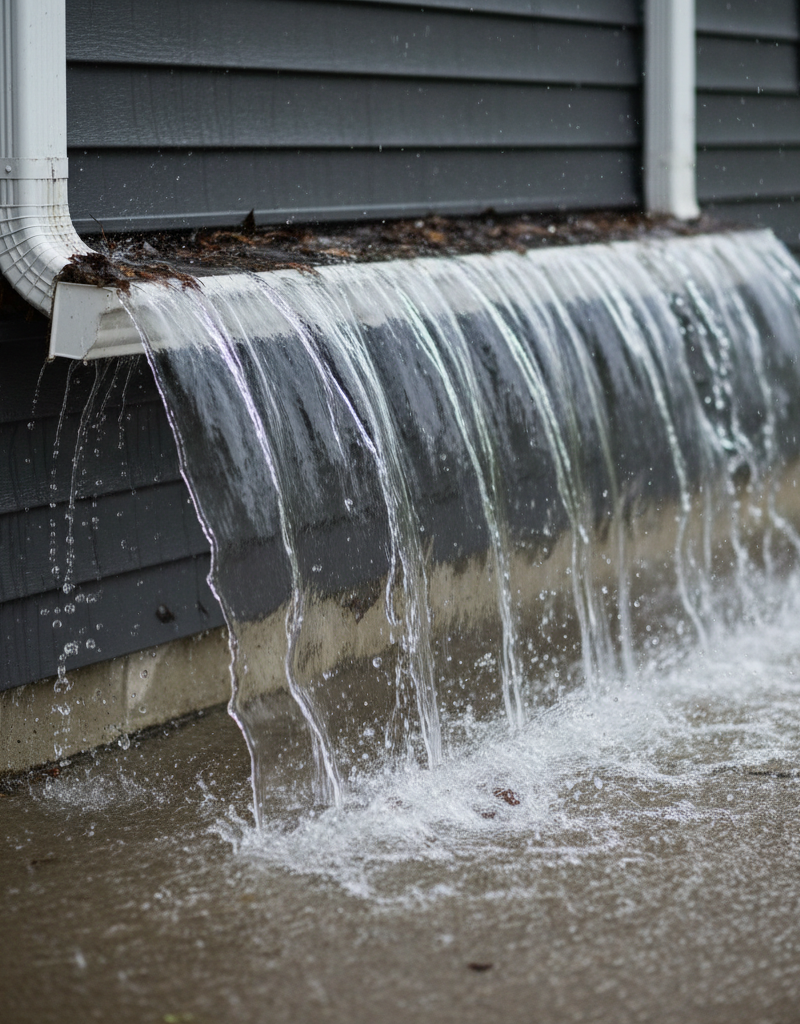
- Only Cleaning Gutters (Not Flushing): Simply scooping out leaves isn't enough. You must run water through the gutters and downspouts to ensure they are clear and draining properly. Clogged downspouts are common culprits for foundation water.
- Using the Wrong Caulk: Applying interior caulk or an unsuited product for exterior use means it will quickly fail, requiring re-caulking sooner and leaving your home vulnerable in the interim. Use exterior-grade, weather-resistant caulk.
Cost & Time Breakdown
| Task | DIY Cost | Pro Cost | Time |
|---|---|---|---|
| Foundation & Grading Check | $0–$20 | $300–$700 (inspection) | 30 minutes–1 hour |
| Roof & Gutter Inspection/Cleaning | $0–$50 | $150–$400 | 1–2 hours |
| Exterior Caulking/Sealing | $20–$50 | $200–$500 | 1–3 hours |
| Attic & Crawl Space Inspection | $0–$30 | $300–$600 (inspection) | 1–2 hours |
| GFCI & Detector Testing/Replacement | $0–$100 | $100–$250 | 15–30 minutes |
Tips & Prevention
- Create a Calendar Reminder: Schedule your annual home inspection for the same time each year (e.g., spring or fall) to ensure consistency.
- Keep a Home Maintenance Log: Document all inspections, repairs, and appliance maintenance. Include dates, observations, costs, and contact information for professionals. This log becomes invaluable for future reference and for potential buyers.
- Invest in Good Tools: A sturdy ladder, a powerful flashlight, binoculars, and a good caulk gun are relatively inexpensive and will make your inspections safer and more effective.
- Understand Your Home's Characteristics: Learn about your home's age, construction type, and local environmental factors (e.g., clay soil, high water table) which can influence specific vulnerabilities.
- Don't Fear the Attic/Crawl Space: While unpleasant, these areas often hold the keys to early problem detection. Prioritize safe access and inspection.
- Regular Gutter Cleaning: Clean gutters and ensure downspouts are clear at least twice a year, more often if you have many trees. This is one of the easiest and most effective ways to prevent water damage.
When to Call a Professional
While many annual inspection tasks can be handled by a diligent homeowner, there are clear signs that indicate it's time to call in a licensed professional. If you discover significant foundation cracks (wider than 1/8 inch, horizontal, or extensive stair-step patterns in masonry), noticeable bowing of basement walls, or persistent water intrusion into your basement or crawl space despite addressing grading issues, immediately contact a structural engineer or a foundation repair specialist. Similarly, widespread shingle damage, active roof leaks, or significant mold growth in your attic warrants a professional roofing contractor or mold remediation specialist. Any signs of pest infestation impacting structural wood, such as extensive termite tunnels in the crawl space, requires a pest control professional. For electrical issues beyond simple GFCI testing, such as humming breaker panels or consistently tripping breakers, a licensed electrician is necessary. If you are uncomfortable or lack the physical ability to safely access certain areas like the roof or crawl space, it is always safer and wiser to hire a professional home inspector for a comprehensive assessment. They possess specialized tools and expertise to identify subtle issues that might be missed by an untrained eye.
Frequently asked questions
How often should I perform a home inspection?+
A thorough home inspection should be performed annually, ideally in the spring or fall, to catch issues before they become major problems. Specific tasks like gutter cleaning may need to be done more frequently.
What are the most common overlooked areas in a home inspection?+
Homeowners often overlook the foundation, exterior grading, attic ventilation, and crawl spaces. These areas are critical for preventing water damage, structural issues, and energy loss.
When should I call a professional for a home inspection or repair?+
Call a professional if you find significant foundation cracks (wider than 1/8 inch), persistent water leaks, extensive mold, or serious pest infestations. If you are uncomfortable accessing areas like the roof or crawl space, hire a licensed home inspector.
Can I really save money by doing my own home inspection?+
Yes, performing your own annual home inspection can save significant money by allowing you to identify and address minor issues early, preventing them from escalating into expensive professional repairs.
What's the most important thing to check during a DIY home inspection?+
Water management is arguably the most critical. Ensure your foundation is sound, grading slopes away from the house, and gutters/downspouts are clear and diverting water effectively. Water is the leading cause of home damage.
Discussion
Loading comments…