Tools & materials you'll need
Affiliate links- AmazonGarden HoseFor flushing water heater.
As an Amazon Associate FixlyGuide earns from qualifying purchases — at no extra cost to you. Prices and availability are accurate as of publication and subject to change.
Quick Answer
Low water pressure affecting all faucets and showers in your home is commonly caused by a partially closed main water shut-off valve, a failing pressure regulator, or sediment buildup in your water heater. Diagnosing the exact cause typically involves checking these components systematically, starting with the easiest fixes first.
The Problem
Experiencing a sudden or gradual drop in water pressure across all fixtures in your home can be frustrating and disruptive. It's more than just an annoyance; it can indicate underlying issues within your plumbing system that need attention. Unlike low pressure at a single faucet, which usually points to a problem with that specific fixture, a whole-house issue signals a more central cause. This guide focuses on diagnosing and fixing the most common reasons for a general drop in water pressure, starting with the simplest solutions.
Step-by-Step Fix
Safety Note: When working with your water heater or main water lines, always exercise caution. If you are uncomfortable at any point, do not hesitate to call a professional plumber.
-
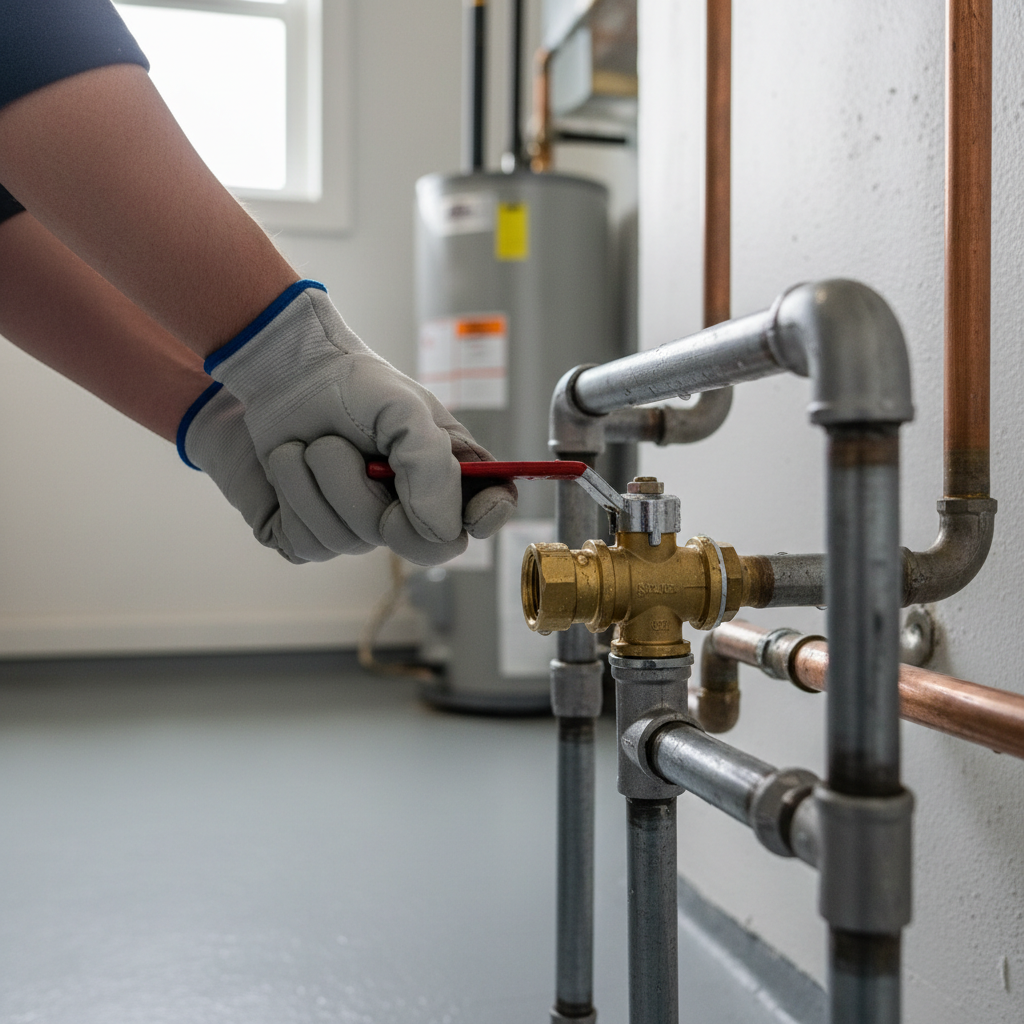
Check Your Main Water Shut-Off Valve: This is the most common and easiest fix. If your main shut-off valve isn't fully open, it can restrict water flow to your entire house. Locate your main water shut-off valve, usually in your basement, crawl space, near your hot water heater, or where the water line enters your house. Ensure the handle is turned completely counter-clockwise or, if it's a lever, that it's parallel to the pipe. Even a slightly closed valve can reduce pressure significantly.
-
Inspect Your Water Pressure Regulator: Many homes have a water pressure regulator, typically located where the main water line enters the house, after the shut-off valve. This device is designed to reduce and stabilize the incoming water pressure. If it's failing, it can cause a significant drop in pressure. Look for a bell-shaped device. If you suspect it's the culprit, you can try adjusting it (usually a screw on top you turn clockwise to increase pressure), but be careful not to overtighten. Ideally, you'd use a water pressure gauge to set it correctly (50-60 PSI is typical). If adjusting doesn't help, the regulator may need replacement, which is best left to a professional.
-
Check Your Water Heater (for hot water pressure issues): If the low pressure only affects hot water, or is significantly worse for hot water, sediment buildup in your water heater tank could be the cause. Over time, minerals can accumulate at the bottom of the tank, obstructing the outgoing hot water line. You can try flushing your water heater to remove sediment. Turn off the cold water supply to the heater and the power/gas. Connect a garden hose to the drain valve at the bottom of the tank and direct it to a floor drain or outside. Open the drain valve and a hot water faucet upstairs to allow air in. Let it drain until clear water flows, then close the drain valve, remove the hose, and reopen the cold water supply. Once the tank is full, turn the power/gas back on.
Common Causes
- Partially Closed Main Water Shut-Off Valve: As detailed above, this is surprisingly common.
- Failing Water Pressure Regulator: These devices don't last forever and can fail, leading to inconsistent or low pressure.
- Sediment Buildup in Hot Water Heater: Especially prevalent in areas with hard water, sediment can block the flow of hot water.
- Corroded Pipes: Older homes with galvanized steel pipes are prone to internal corrosion and mineral buildup, which can significantly narrow the pipes over time. This is a more extensive issue.
- Municipal Water Supply Issues: Occasionally, the problem might be with your city's water supply, perhaps due to maintenance or a main break. Check with your neighbors or local water utility.
Tips & Prevention
- Regularly Check Your Main Shut-Off Valve: Ensure it's fully open, especially after any plumbing work.
- Flush Your Water Heater Annually: This helps prevent sediment buildup, extending the life of your water heater and maintaining hot water pressure.
- Consider a Water Softener: If you have hard water, a water softener can reduce mineral buildup in your pipes and appliances, preventing future pressure issues.
- Monitor for Leaks: Unnoticed leaks can also contribute to a drop in overall water pressure. Keep an eye out for damp spots or unusually high water bills.
When to Call a Professional
If you've checked your main shut-off valve and flushed your water heater without success, or if you suspect issues with your water pressure regulator or corroded pipes, it's time to call a licensed plumber. They have the tools and expertise to accurately diagnose and safely address complex plumbing issues, especially those involving the main water line or gas water heaters.
Frequently asked questions
Why is my water pressure low throughout the entire house?+
Low water pressure throughout your entire house is most often caused by a partially closed main water shut-off valve, a failing water pressure regulator, or sediment buildup in your hot water heater. Less common causes include corroded pipes or issues with your municipal water supply.
How do I check my main water shut-off valve?+
Locate your main water shut-off valve, typically found where the water line enters your home, in the basement, or near the water heater. Ensure the handle is turned fully counter-clockwise or, if it's a lever, that it is parallel to the pipe for maximum water flow.
Can a hot water heater cause low water pressure?+
Yes, a hot water heater can cause low pressure, especially if the problem is more severe with hot water. Sediment buildup at the bottom of the tank can restrict the outflow of hot water. Flushing the tank annually can help prevent this.
Discussion
Loading comments…