Tools & materials you'll need
Affiliate linksAs an Amazon Associate FixlyGuide earns from qualifying purchases — at no extra cost to you. Prices and availability are accurate as of publication and subject to change.
Quick Answer
Squeaky floors can often be silenced without the disruptive and costly process of removing floorboards. The most effective methods involve addressing the movement between the subfloor, joists, and finished flooring from above or below, using techniques like lubricating gaps, shimming, or employing specialized squeak-repair screws. The specific solution depends on the accessibility of the floor joists and the nature of the squeak.
The Problem
That annoying squeak every time you step on a certain spot isn't just irritating; it's a symptom of friction and movement within your floor assembly. Over time, wood components—joists, subfloor, and finished flooring—can shrink, warp, or settle. This creates small gaps between the layers. When weight is applied, these components rub against each other, or nails slip in and out of their holes, producing the familiar creaking sound. While it might seem like a minor issue, persistent squeaks can indicate loose flooring, which can eventually lead to more significant damage if left unaddressed. The challenge for many homeowners is fixing this problem without undertaking a major demolition project.
How It Works
To understand how to fix a squeak, it helps to understand its anatomy. A typical floor system consists of several layers: structural joists provide the main support, a subfloor (usually plywood or OSB) is fastened to the joists, and then the finished flooring (hardwood, laminate, carpet with pad) rests on top of the subfloor.
Squeaks occur when these layers aren't perfectly tight against each other. Imagine a slightly loose nail: as you step, the floorboard presses down, the nail shaft rubs against the wood of the subfloor or joist, generating noise. Similarly, if the subfloor has separated from a joist, applying weight causes the subfloor to flex, rubbing against the top of the joist or pulling on fasteners. In older homes, nails can lose their grip as wood dries and shrinks around them, leaving a tiny void that allows movement. Another common culprit is the tongue-and-groove joint in hardwood flooring. If these joints become loose or swell unevenly due to humidity changes, the edges can rub together and squeak. The goal of any no-demolition fix is to eliminate this friction and movement by either tightening the components together, filling the gaps, or lubricating the rubbing surfaces.
Step-by-Step Fix
1. Locate the Exact Squeak – pinpointing the source
This is crucial. Have a helper walk slowly over the squeaky area while you listen intently from above and, if possible, from below (in a basement or crawl space). Mark the exact spot on the floor with painter's tape or a piece of chalk. Sometimes multiple squeaks are close together, so identify each one.
2. Lubricate with Powder – for surface-level squeaks
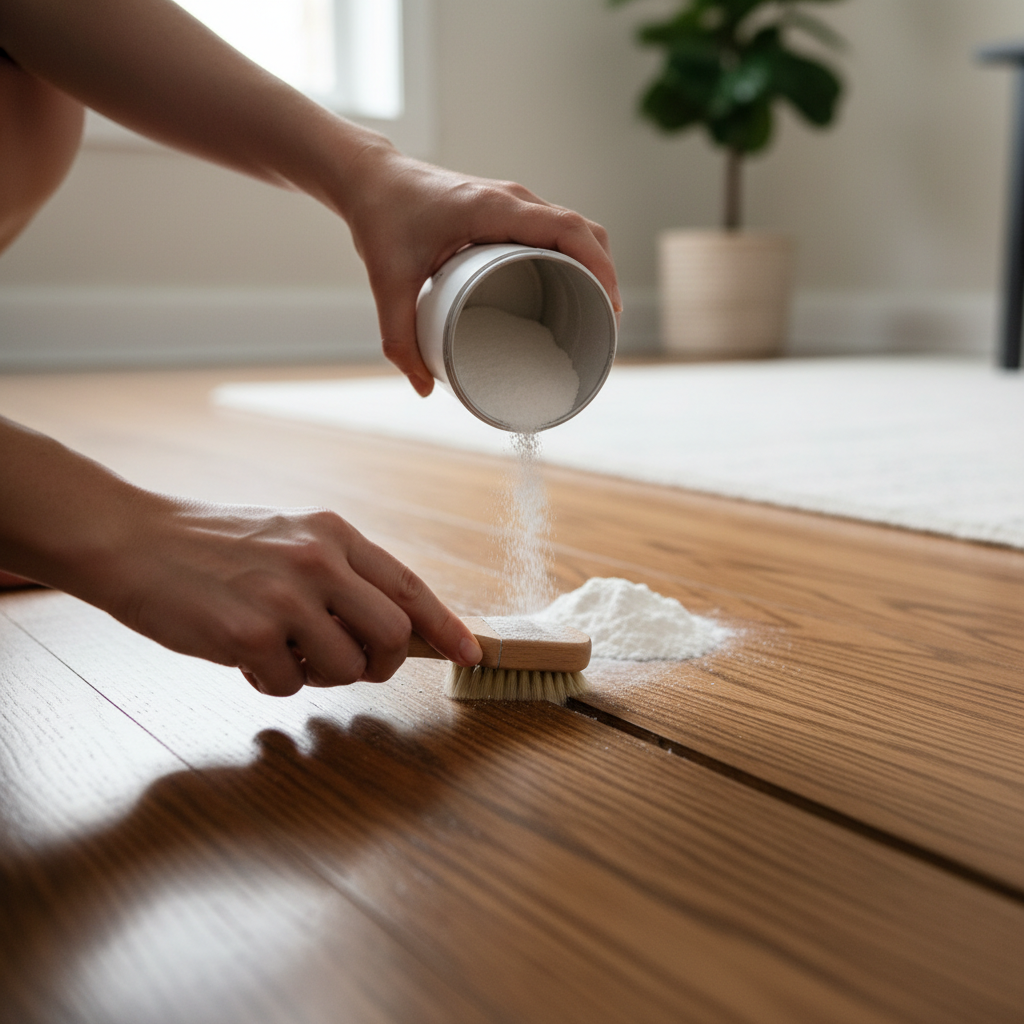
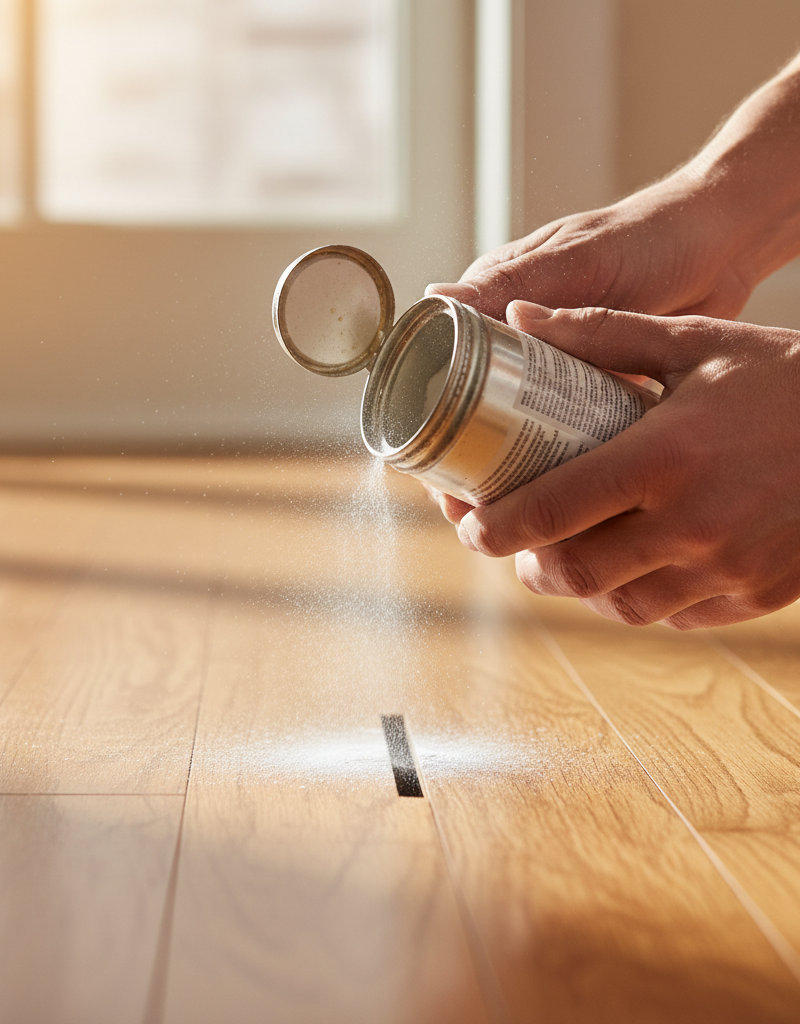
If the squeak seems to come from between finished floorboards, try lubrication. Sprinkle talcum powder, powdered graphite, or even cornstarch generously over the squeaky area. Work the powder into the gaps between floorboards by gently walking on the area or using a soft brush. The fine particles reduce friction. Wipe up excess. This is particularly effective for hardwood floors where boards are rubbing against each other.
3. Use Construction Adhesive (from below) – for subfloor-to-joist separation
Safety Note: Wear eye protection and gloves when working with adhesives. If you have access to the underside of the subfloor (from a basement or crawl space) and can identify the joist under the squeak:
- Have a helper stand on the squeaky spot. This presses the subfloor against the joist, closing the gap.
- From below, apply a generous bead of construction adhesive along the seam where the subfloor meets the joist. Ensure the adhesive fills any visible gaps. Use a strong subfloor adhesive designed for wood.
- You can also insert thin wood shims (cedar shingles work well) coated in wood glue into obvious gaps between the subfloor and joist. Tap them gently until snug, but don't wedge them so tightly that you lift the floor above.
4. Drive Screws (from below) – to pull subfloor to joist
Safety Note: Ensure you know the exact location of electrical wires or plumbing before drilling or screwing. Still from below, if adhesive isn't enough:
- Have your helper stand on the squeaky spot above.
- Predrill pilot holes through the subfloor into the joist using a drill bit slightly smaller than your screw shank. Use screws specifically designed for subfloor applications (often self-tapping and with a coarse thread).
- Use 1 1/2-inch to 2-inch screws, depending on subfloor thickness. Drive them in until snug, but don't overtighten and strip the wood. Start with a few screws along the joist where the squeak is most pronounced.
5. Use Squeak-Elimination Kit (from above) – specialty screws for tricky spots
These kits (like the Squeeeeek No More system) are designed to stop squeaks in carpeted, hardwood, or vinyl floors without seeing the fasteners.
- The kit usually contains special screws and a tool that ensures the screw breaks off below the surface.
- For carpeted floors, locate the joist with a stud finder and drive the screw through the carpet, pad, and subfloor into the joist. The breaking tool snaps the screw head below the carpet pile.
- For hardwood, you typically drill a small pilot hole, drive the screw, and then snap the screw head. The small hole can then be filled with wood filler matching your floor.
6. Add Blocking (from below) – for joist-to-joist movement
If the squeak seems to be from two joists rubbing together, or a subfloor edge has no support:
- Cut pieces of lumber (e.g., 2x6s) to fit snugly between the joists, perpendicular to them. These are called
Frequently asked questions
Why do floors squeak?+
Floors squeak primarily due to friction and movement between the individual components of the floor system—like joists, subfloor, and finished flooring. As wood dries and shrinks over time, or as fasteners loosen, small gaps can form. When weight is applied, these layers rub against each other, or nails move, creating noise.
Can I fix a squeaky floor without removing carpet?+
Yes, specialized squeak-elimination kits often allow you to drive screws through carpet and padding into the subfloor and joists. These tools typically snap the screw head off below the carpet surface, making the repair invisible.
Is a squeaky floor a sign of a structural problem?+
Most squeaky floors are not signs of major structural issues but rather minor shifts and friction in the floor assembly. However, excessive sagging, bouncing, or widespread squeaks accompanying other signs of damage could indicate a larger problem that warrants professional inspection.
What's the best lubricant for a squeaky hardwood floor?+
For hardwood floors where boards are rubbing together, fine powders like talcum powder, powdered graphite, or even cornstarch are excellent lubricants. Sprinkle them into the gaps and work them in by walking on the floor. Avoid oil-based lubricants as they can stain wood.

Discussion
Loading comments…