Tools & materials you'll need
Affiliate linksAs an Amazon Associate FixlyGuide earns from qualifying purchases — at no extra cost to you. Prices and availability are accurate as of publication and subject to change.
Quick Answer
If your home's siding has been damaged by hail, it's crucial to act quickly to prevent further issues like water intrusion. Begin by safely inspecting the affected areas, taking clear photos of all damage. For minor dents and cracks, DIY repairs might be possible, but significant or widespread damage often warrants a professional assessment and could involve an insurance claim.
The Problem
Hailstorms can cause a range of damage to home siding, from subtle aesthetic blemishes to serious structural compromise. Common signs include small chips, cracks, dents, and sometimes even holes, particularly in softer siding materials like vinyl or aluminum. Beyond the cosmetic issues, damaged siding can compromise your home's weather barrier, leading to water infiltration, mold growth, and rotting of underlying structures if left unaddressed. Identifying and addressing this damage promptly is essential to maintain your home's integrity and value.
Step-by-Step Fix
Safety Note: When inspecting your roof or using a ladder, always ensure it is stable on a level surface. Have a spotter if possible. Never walk on a wet or icy roof. If you are uncomfortable with heights, consider hiring a professional for the inspection.
- Safety First: Before you begin, ensure the storm has fully passed and it's safe to be outside. Wear sturdy shoes and appropriate safety gear, especially if using a ladder.
- Initial Ground-Level Inspection: Walk around your home and look for obvious signs of damage from the ground. Pay attention to corners, edges, and areas exposed to the prevailing wind during the storm. Note any missing pieces, visible cracks, or dislodged sections.
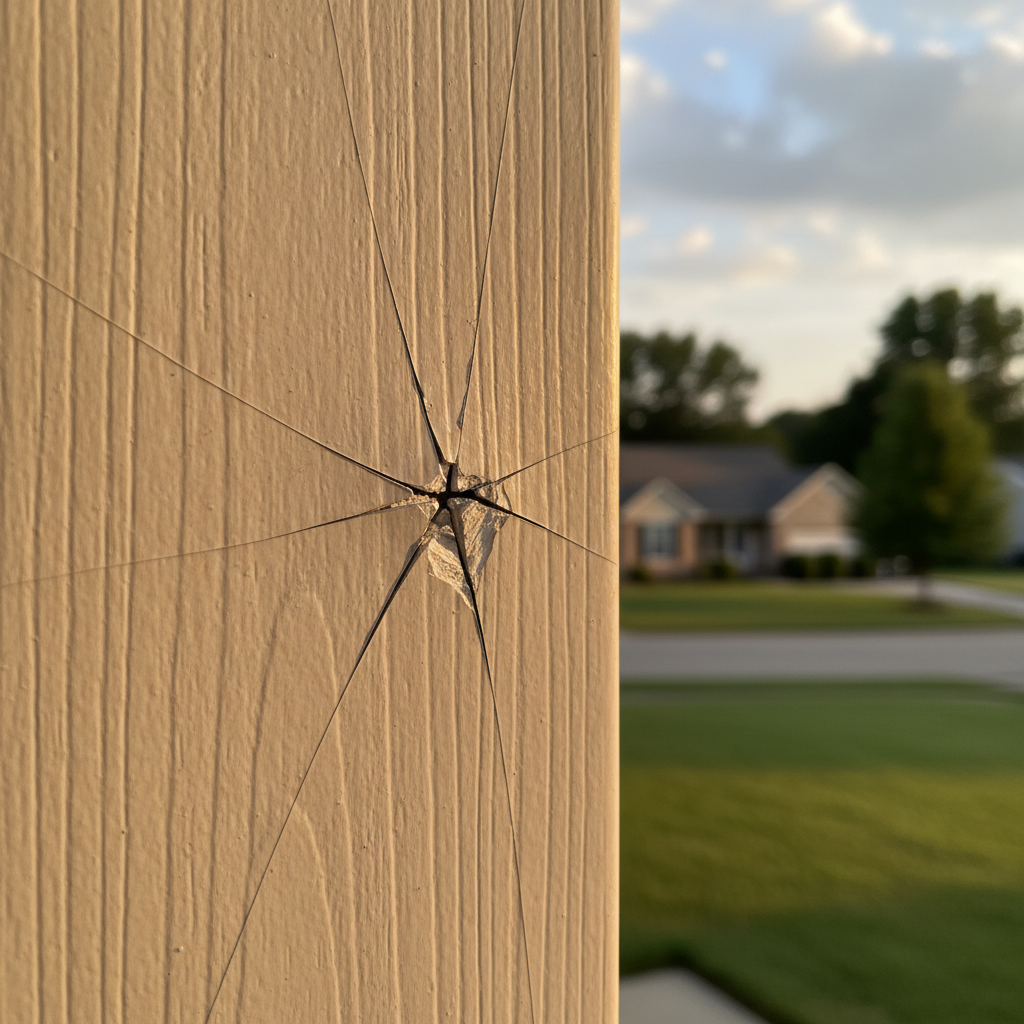
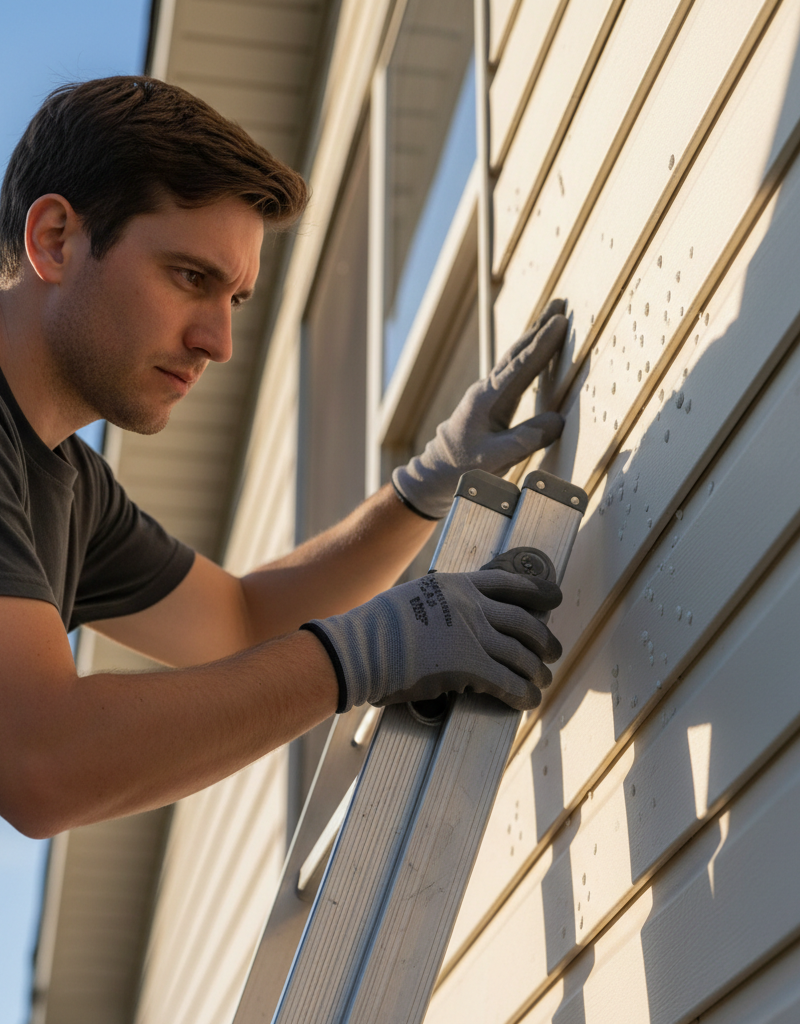
- Ladder Inspection: Using a sturdy ladder, carefully inspect higher sections of your siding. Look closely for dents, dings, chips, and cracks. Vinyl siding might show star-shaped cracks or fractured panels. Aluminum siding may have noticeable dents. Wood siding could have chips or splinters. Take clear, well-lit photos of all damage, noting the location.
- Assess the Extent of Damage: Determine if the damage is isolated or widespread. Small, isolated dents or chips might be suitable for DIY repair. Extensive cracking, multiple broken panels, or damage spanning large sections will likely require professional intervention.
- Clean the Damaged Area (if applicable for minor repairs): For small dents or cracks you plan to repair, gently clean the area with a soft brush and mild cleaner to remove any dirt or debris. Allow it to dry thoroughly.
- Minor Crack Repair (Vinyl Siding): For small, hairline cracks in vinyl siding, you can often use a color-matched vinyl siding repair caulk. Apply a thin bead directly into the crack, smoothing it with a putty knife or your finger. Follow manufacturer instructions for curing time.
- Minor Dent Repair (Aluminum Siding): Small dents in aluminum siding can sometimes be gently pushed out from behind if you have access, or carefully worked with a specialized dent puller designed for light metals. Be very cautious not to distort the panel further.
- Panel Replacement (Vinyl): If a vinyl panel is severely damaged, it may need replacement. This is a more involved DIY project requiring a zip tool to unlock and remove the damaged panel and snap in a new one. Ensure the new panel matches in color and profile. Consider professional help for panel replacement if you are not comfortable.
- Document and Contact Professionals: For significant damage, contact your homeowner's insurance company. They will likely send an adjuster to assess the damage. Provide them with your documented photos and notes.
Common Causes
Obviously, the primary cause of this specific problem is hail, which comes in various sizes and densities. The larger and denser the hailstones, the more severe the impact on your siding. Other contributing factors that can worsen hail damage include:
- Siding Material Age and Condition: Older, brittle siding is more susceptible to cracking and breaking than newer, more flexible materials.
- Siding Material Type: Softer materials like vinyl and aluminum are prone to denting and cracking, while harder materials like fiber cement are more resistant but can still chip or crack under severe impact.
- Wind Direction and Speed: High winds accompanying a hailstorm can increase the force of impact, driving hailstones more aggressively against the siding.
Tips & Prevention
- Regular Inspections: After any severe storm, especially hailstorms, make it a habit to inspect your home's exterior for damage, including siding, roofing, and gutters.
- Proper Maintenance: Keep your siding clean and in good repair. Address any minor issues like loose panels or small cracks promptly to prevent them from worsening during a storm.
- Consider Impact-Resistant Siding: If you live in a hail-prone area and are planning to replace your siding, consider investing in impact-resistant materials. These products are designed to withstand significant blunt force impacts.
- Trim Trees: Trim tree branches near your house to prevent them from hitting the siding during high winds, which can contribute to damage when combined with hail.
When to Call a Professional
For extensive or widespread hail damage, especially if you suspect underlying structural issues or water penetration, it is always best to contact a licensed siding contractor. Additionally, if you need to file an insurance claim, a professional assessment can provide detailed documentation for your adjuster. When dealing with extensive repairs that involve multiple panels, complex materials, or potential water intrusion, a professional has the expertise and tools to ensure the job is done correctly and safely, maintaining your home's protective envelope. Do not attempt extensive siding panel replacement yourself if you lack the proper tools or experience, as improper installation can lead to further damage and costly repairs down the line.
Frequently asked questions
How do I know if my siding has hail damage?+
Look for visible signs like cracks, chips, dents, or holes in the siding panels. On vinyl, you might see star-shaped fractures; on aluminum, look for noticeable indentations. Inspect all sides of your house, especially those facing the prevailing wind during the storm.
Can I repair hail damage on my siding myself?+
Minor hail damage, such as small cracks in vinyl or light dents in aluminum, can often be repaired by a homeowner using color-matched caulk or gentle dent removal techniques. However, extensive damage like multiple broken panels or widespread cracking usually requires professional repair or replacement.
Will my homeowner's insurance cover hail damage to my siding?+
Most homeowner's insurance policies cover hail damage as part of their dwelling coverage, but it depends on your specific policy and deductible. It's crucial to document the damage thoroughly with photos and contact your insurance provider as soon as possible after the storm to file a claim and understand your coverage.
What happens if I don't repair hail-damaged siding?+
Leaving hail-damaged siding unrepaired can lead to more severe problems over time. Cracks and holes can allow water to penetrate behind the siding, leading to rot, mold growth, and structural damage to your home's exterior walls. This can be much more expensive to fix than the initial siding repair.
How can I prevent hail damage to my siding in the future?+
While you can't prevent hail, you can reduce its impact. Consider investing in impact-resistant siding if you live in a hail-prone area. Regularly trim trees near your home and ensure your siding is properly maintained and securely fastened to withstand strong winds that often accompany hailstorms.
Discussion
Loading comments…