Tools & materials you'll need
Affiliate linksAs an Amazon Associate FixlyGuide earns from qualifying purchases — at no extra cost to you. Prices and availability are accurate as of publication and subject to change.
Quick Answer
Pruning overgrown shrubs for healthy growth involves strategic removal of dead or diseased wood, thinning out crowded branches, and shaping the plant to promote air circulation and new growth. The key is to understand your shrub's growth habit and prune at the right time of year, making clean cuts just above a bud or branch collar.
The Problem
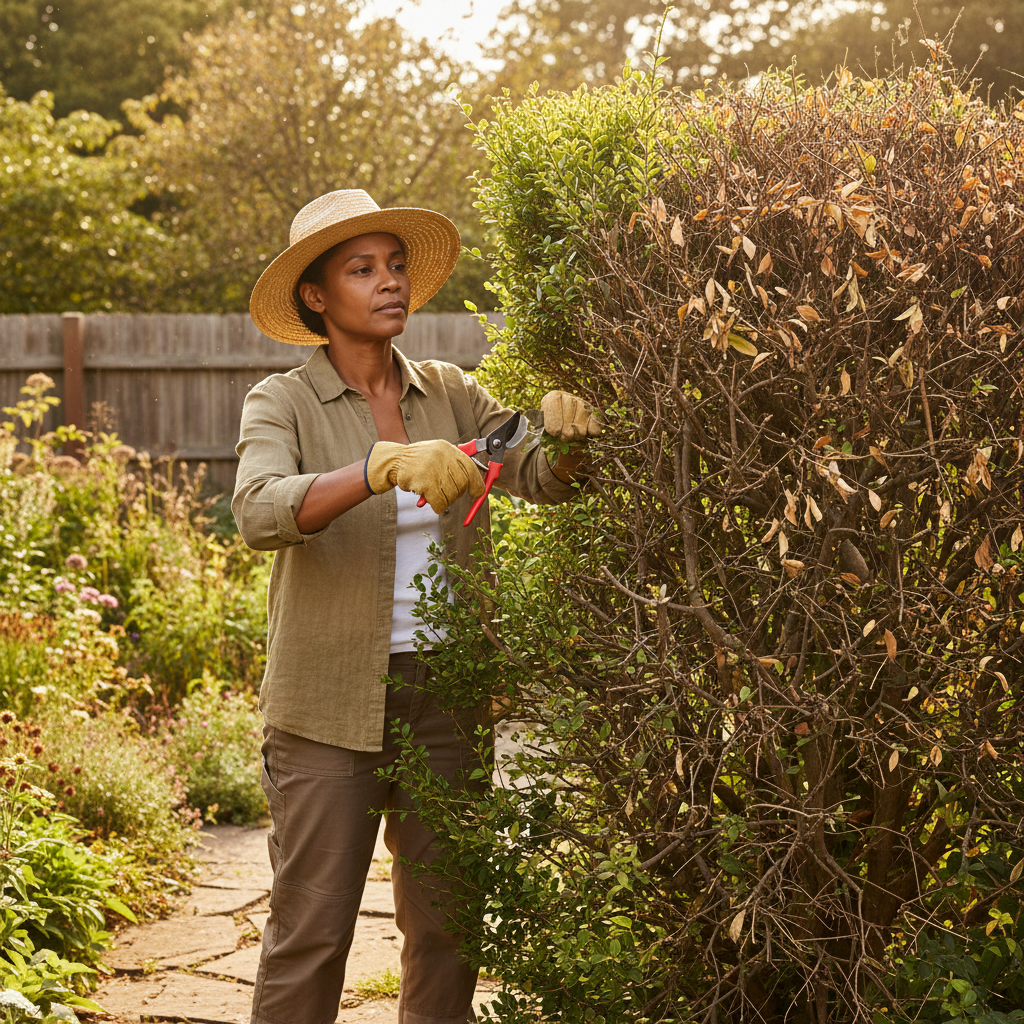
Overgrown shrubs can become dense, unruly, and unhealthy. Their interior branches may die due to lack of sunlight and air circulation, leading to sparse foliage on the outside and a woody, unproductive center. This can also reduce flowering, make the shrub more susceptible to pests and diseases, and detract from your home's curb appeal.
Step-by-Step Fix
- Assess the Shrub: Before you start, stand back and look at the shrub. Identify dead, damaged, or diseased branches. Note areas where branches are crossing or rubbing, and where the shrub is too dense.
- Sanitize Your Tools: Clean your pruning shears and loppers with rubbing alcohol or a 10% bleach solution (1 part bleach to 9 parts water) to prevent spreading diseases.
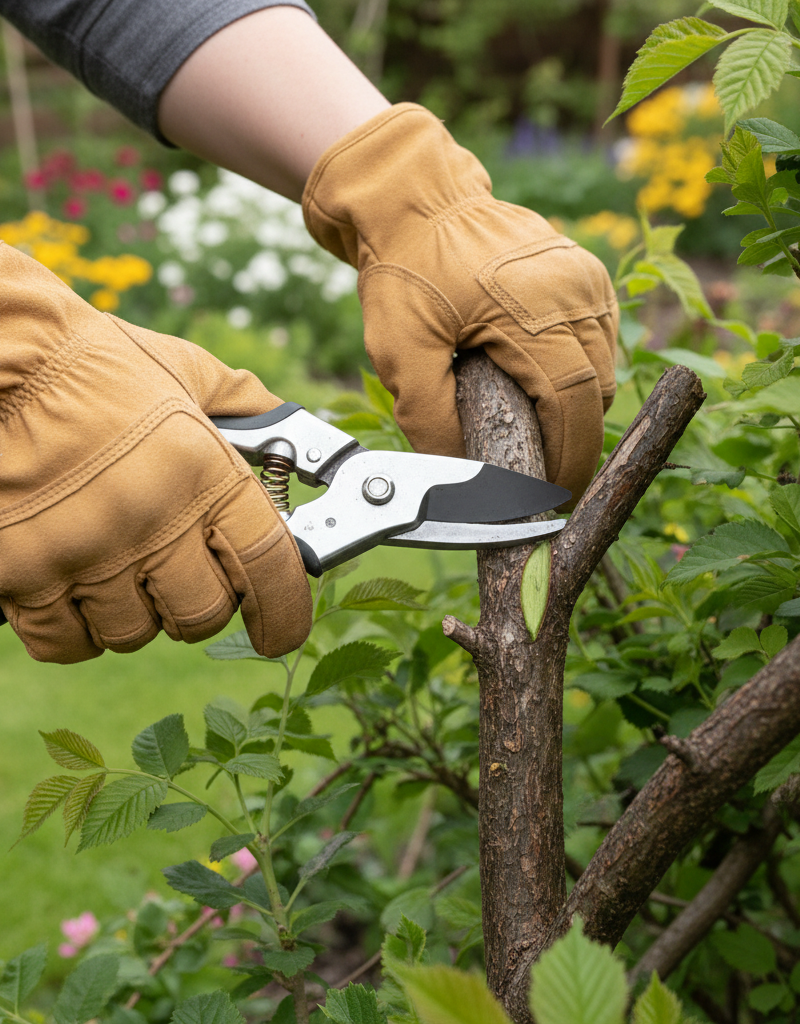
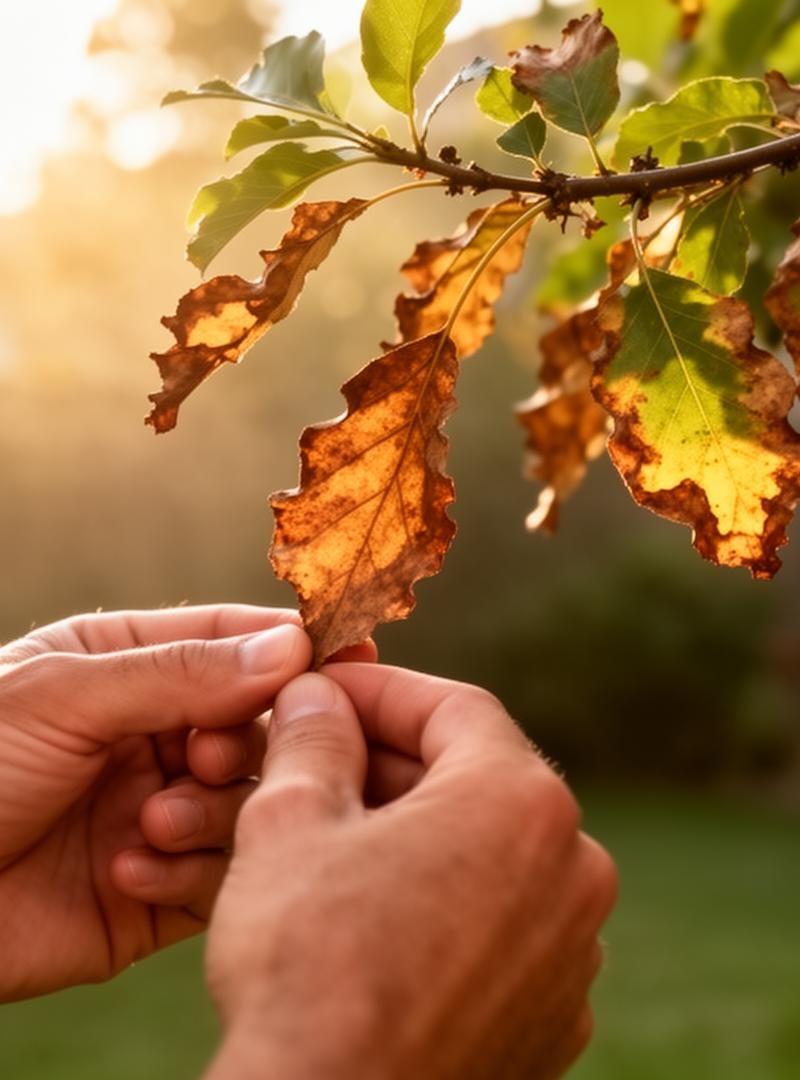
- Remove Dead, Damaged, or Diseased Wood: Start by cutting out any branches that are clearly dead, broken, or show signs of disease. Cut back to healthy wood, ensuring you make your cut just above a healthy bud or branch junction.
- Thin Out Crossing and Rubbing Branches: Identify branches that are growing into each other or rubbing, as this can create wounds for disease entry. Choose the stronger or better-placed branch and remove the weaker one.
- Address Overcrowding: If the shrub is very dense, remove some of the older, thicker stems from the base to improve air circulation and allow light into the center. Aim to remove no more than 1/3 of the total shrub volume in one season.
- Shape the Shrub (Optional): Once the interior is thinned, you can begin to shape the shrub. For most deciduous shrubs, aim for a natural, slightly rounded shape, wider at the bottom than the top to allow sun to reach lower branches. For evergreens, you might maintain a more formal shape. Always cut back to a bud or a side branch that is pointing in the direction you want new growth to go. Avoid "shearing" as this only promotes growth on the surface.
- Clean Up: Collect and dispose of all pruned branches. Do not compost diseased material.
Common Causes
- Lack of Regular Pruning: Shrubs that aren't pruned regularly will naturally become overgrown.
- Incorrect Pruning Techniques: Shearing shrubs into formal shapes without thinning the interior can lead to dense outer growth and sparse inner growth.
- Planting in the Wrong Location: If a shrub is planted in a spot too small for its mature size, it will inevitably become overgrown.
Tips & Prevention
- Prune at the Right Time: For most flowering shrubs, prune after they flower. For non-flowering or evergreen shrubs, dormant pruning in late winter/early spring is often best. Research your specific shrub type for optimal timing.
- Follow the '1/3 Rule': Never remove more than one-third of the shrub's total volume in a single pruning session to avoid stressing the plant.
- Make Clean Cuts: Use sharp tools to make clean, angled cuts just above a bud or branch collar to promote healing and prevent disease.
- Maintain Sharp Tools: Dull tools can tear branches, leaving them vulnerable to disease.
When to Call a Professional
If your shrubs are exceptionally large, severely neglected, or you are unsure about the best pruning techniques for a valuable plant, a certified arborist or professional landscaper can provide expert guidance and service. They have the knowledge and equipment to safely and effectively prune large or delicate specimens.
Frequently asked questions
When is the best time to prune overgrown shrubs?+
The best time depends on the shrub type. For most flowering shrubs, prune after they flower. For non-flowering or evergreen shrubs, late winter or early spring during dormancy is often ideal. Always research your specific shrub.
How much of an overgrown shrub can I remove at once?+
A general rule is to never remove more than one-third of the shrub's total volume in a single pruning session. Removing too much can stress the plant and inhibit recovery.
What tools do I need for pruning shrubs?+
You'll typically need sharp hand pruning shears for smaller branches, loppers for branches up to about 1.5 inches thick, and possibly a pruning saw for larger, older stems. Always sanitize your tools before use.
Can I prune my shrubs any way I want?+
No, proper pruning involves strategic cuts. Avoid 'shearing' if you want a healthy plant, as this only encourages surface growth. Instead, make cuts just above a bud or an outward-facing branch to direct new growth.
Discussion
Loading comments…