Tools & materials you'll need
Affiliate linksAs an Amazon Associate FixlyGuide earns from qualifying purchases — at no extra cost to you. Prices and availability are accurate as of publication and subject to change.
Quick Answer
To install floating shelves securely into drywall, the most critical step is to find and utilize wall studs for support whenever possible. A reliable stud finder will help you locate these wooden supports. If stud placement doesn't align with your desired shelf location, use heavy-duty toggle anchors or similar drywall anchors rated for the combined weight of your shelf and its anticipated contents. Always ensure your shelf is level during installation to avoid items sliding off.
The Problem
Many homeowners struggle with installing floating shelves into drywall, often encountering issues such as shelves pulling away from the wall, wobbling, or failing to hold the desired weight. This usually stems from not properly locating studs or using inadequate drywall anchors that can't support the load. Drywall alone is not strong enough to hold significant weight, making proper anchoring crucial for both stability and safety.
Step-by-Step Fix
Safety Note: Always wear eye protection when drilling. Be aware of electrical wiring and plumbing behind walls when drilling.
- Gather Your Tools and Materials: Lay out all your tools and the shelf components. Read the floating shelf manufacturer’s instructions carefully.
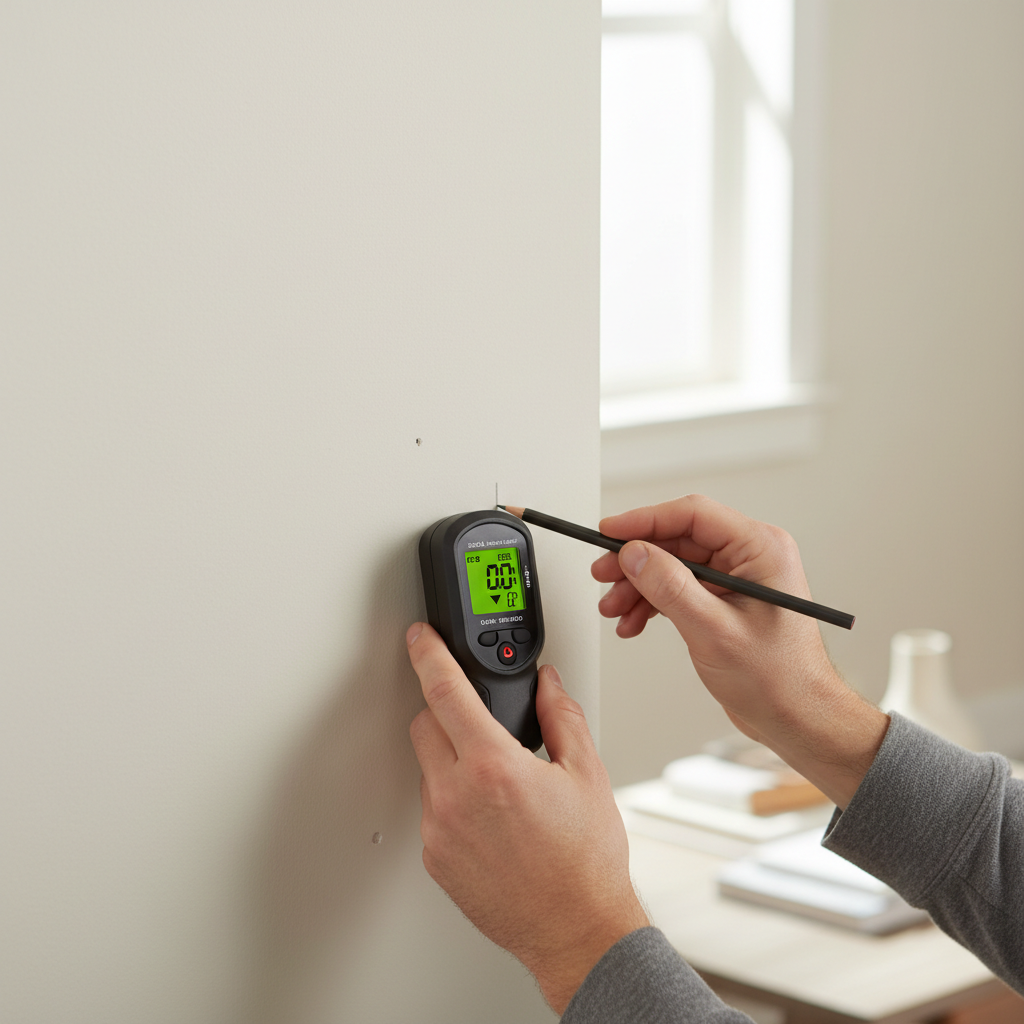
- Locate Wall Studs: Use a stud finder to locate the vertical wooden studs behind your drywall. Scan horizontally along the wall where you plan to install the shelf. Mark the center of each stud lightly with a pencil. Aim to align your shelf brackets with at least one, ideally two, studs for maximum strength.
- Mark Shelf Placement and Level: Hold your floating shelf bracket (or the shelf itself, if the bracket is integrated) against the wall at your desired height. Use a level to ensure it’s perfectly horizontal. Lightly mark the mounting screw holes on the wall with your pencil.
- Drill Pilot Holes:
- For Studs: If you’re drilling into a stud, use a drill bit slightly smaller than the diameter of your mounting screws (check manufacturer instructions for recommended size). Drill pilot holes through your pencil marks into the center of the studs.
- For Drywall Anchors (No Studs): If you cannot hit a stud or need to install between studs, mark the anchor locations. Drill pilot holes according to the specifications of your chosen heavy-duty toggle anchors (e.g., a specific drill bit size for a toggle bolt). Ensure the chosen anchors are rated for the combined weight of your shelf and what you plan to put on it.
- Install Brackets/Anchors:
- Into Studs: Position the shelf bracket over the pilot holes and drive the mounting screws directly into the studs, tightening them securely until the bracket is flush and firm against the wall.
- With Drywall Anchors: Insert the toggle anchors into their pilot holes by following the manufacturer’s instructions. This usually involves pushing the toggle end through the hole, where it springs open behind the drywall. Then, secure the bracket into the anchors using the provided screws or bolts.
- Attach the Shelf: Once the brackets are securely mounted and level, slide the floating shelf onto its brackets or attach it according to the manufacturer’s instructions. Many floating shelves have set screws on the underside to lock them onto the brackets; tighten these gently but firmly.
- Test for Stability: Gently apply downward pressure to the shelf to test its stability. If there
Frequently asked questions
Can I install floating shelves without hitting a stud?+
Yes, but you must use heavy-duty drywall anchors specifically designed for the weight you intend to place on the shelf. Toggle anchors are a good option for heavier loads when studs aren't available.
What kind of anchors should I use for floating shelves in drywall?+
For floating shelves in drywall without a stud, use heavy-duty toggle anchors, molly bolts, or self-drilling drywall anchors with a high weight rating. Always check the anchor's weight capacity.
How do I know if my drywall anchors are strong enough?+
The packaging for drywall anchors will state their maximum weight capacity. Compare this to the combined weight of your shelf and all items you plan to place on it, adding a safety margin.
How do I find studs behind drywall?+
Use an electronic stud finder. Move it horizontally along the wall until it indicates a stud. Mark the edges and then find the center point for drilling.
My shelf is wobbly after installation. What went wrong?+
A wobbly shelf usually indicates that the anchors or screws are not securely fastened, or they are not adequately supporting the weight. Ensure you've hit studs where possible, or used appropriately rated anchors fully engaged with the drywall.
Discussion
Loading comments…