Tools & materials you'll need
Affiliate links- AmazonFlashlight (LED)A bright light is essential for spotting leaks under cabinets and in dark corners.
- Amazon5-Gallon BucketFor testing the sump pump.
- AmazonStep LadderFor safely reaching smoke detectors and some HVAC filter locations.
- AmazonScrewdriver SetFor tightening loose hardware like cabinet pulls and hinges.
- AmazonPermanent MarkerFor labeling your electrical panel.
As an Amazon Associate FixlyGuide earns from qualifying purchases — at no extra cost to you. Prices and availability are accurate as of publication and subject to change.
Quick Answer
A preventative monthly home maintenance checklist is your best defense against expensive, unexpected repairs. By dedicating 1-2 hours each month to inspecting for water leaks, testing safety devices like GFCIs, changing HVAC filters, and exercising water valves, you can prevent the vast majority of common home system failures, from flooded basements to fried HVAC units.
The Problem
Most major home repairs don't materialize overnight. They are the catastrophic conclusion of small, invisible problems that were allowed to fester for weeks or months. A pinhole leak in a supply line, a clogged drain, a stiff water valve, a dirty filter—these seem trivial. However, left unchecked, they can lead to thousands, or even tens of thousands, of dollars in damage. A burst washing machine hose can flood a laundry room and the floor below in minutes, costing $5,000-$10,000 to remediate. A clogged AC condensate drain can back up into your attic, ruining drywall and insulation, leading to a $2,000 repair and a major mold headache. The problem isn't a lack of skill; it's a lack of a systematic process. Homeowners often wait for an obvious symptom, but by then, the damage is already done. The real challenge is catching the silent, early-stage issue before it announces itself with a bang or a flood. This requires shifting from a reactive mindset ("I'll fix it when it breaks") to a proactive one focused on regular, preventative home maintenance.
How It Works
Preventative home maintenance operates on the simple principle that early detection and minor corrections are exponentially cheaper and less stressful than emergency repairs. Your home is a complex web of interconnected systems: plumbing, electrical, HVAC, and structural components. A failure in one area can cascade and cause damage in another. For example, a minor, undetected leak in a toilet's wax ring (plumbing) can slowly saturate the subfloor, leading to wood rot (structural) and creating a perfect environment for mold (health hazard).
A monthly home maintenance checklist acts as a scheduled, diagnostic routine. It forces you to look at the vital components of these systems on a regular basis. By changing an HVAC filter every month, you aren't just improving air quality; you're preventing the strain on the blower motor and compressor that leads to premature, multi-thousand-dollar failure. By testing a GFCI outlet, you're ensuring the safety device that prevents a life-threatening electric shock is functional. By exercising a water shut-off valve, you're breaking up mineral deposits that could otherwise seize the valve, making it impossible to turn in an emergency. Think of it like a regular health check-up for your house. This routine inspection allows you to spot the "low-grade fever" or "minor ache"—the faint water spot, the slow drain, the flickering light—and address it while it's still a simple, low-cost fix.
Step-by-Step Fix
This is your monthly inspection routine. Perform these 12 checks every month to stay ahead of major repairs.
-
Perform a Full Water Intrusion Sweep — Meticulously check under every sink in the house (kitchen, bathrooms, utility). Use a flashlight to look for drips, chalky residue around fittings, or soft, discolored cabinet bottoms. Check the base of every toilet for water seepage or discoloration on the flooring. Look at the ceilings directly below upstairs bathrooms and laundry rooms for any faint, yellowish stains, which indicate a slow leak from above.
-
Test All GFCI and AFCI Outlets/Breakers — Locate all Ground Fault Circuit Interrupter (GFCI) outlets—the ones with the "TEST" and "RESET" buttons, typically near water sources. Press the "TEST" button; it should make a clicking sound and cut power to the outlet. Then press "RESET" to restore it. Do the same for any Arc Fault Circuit Interrupter (AFCI) breakers in your main electrical panel; these protect against electrical fire hazards.
-
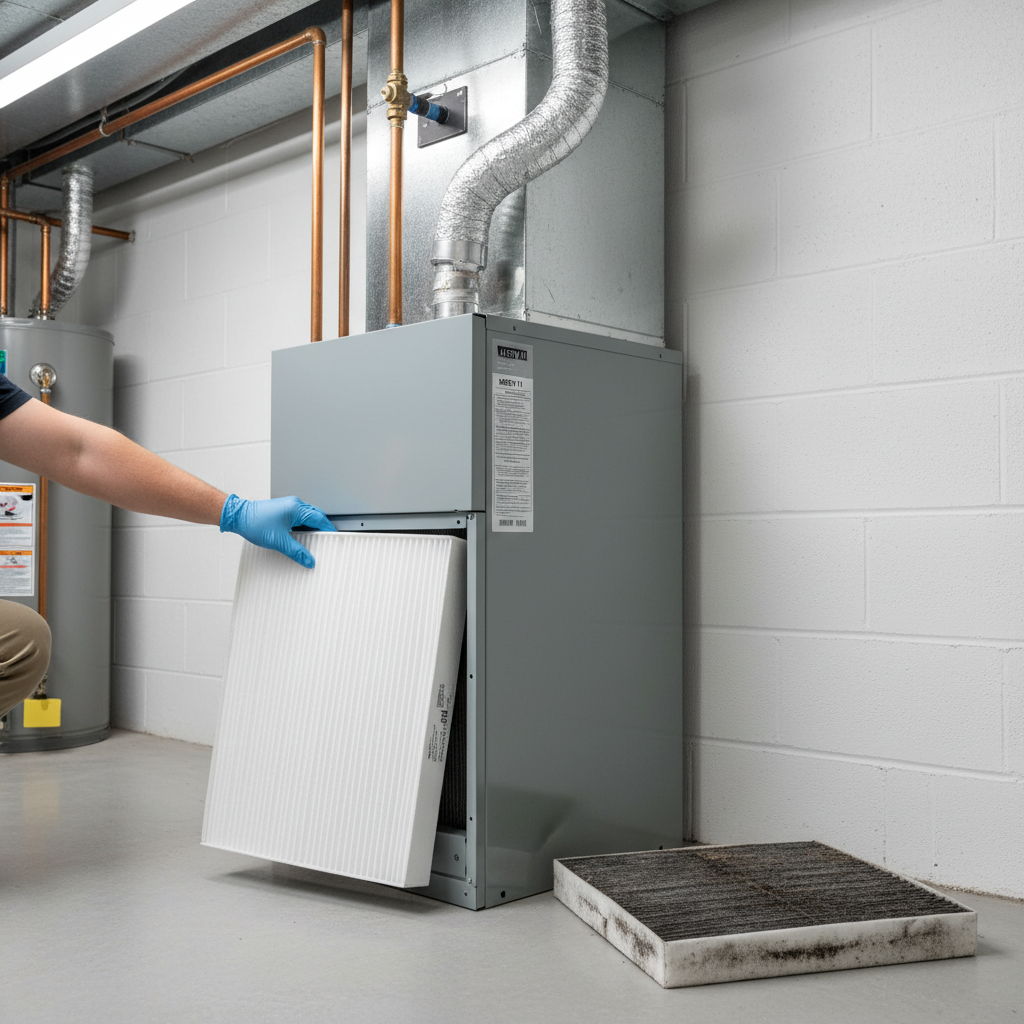
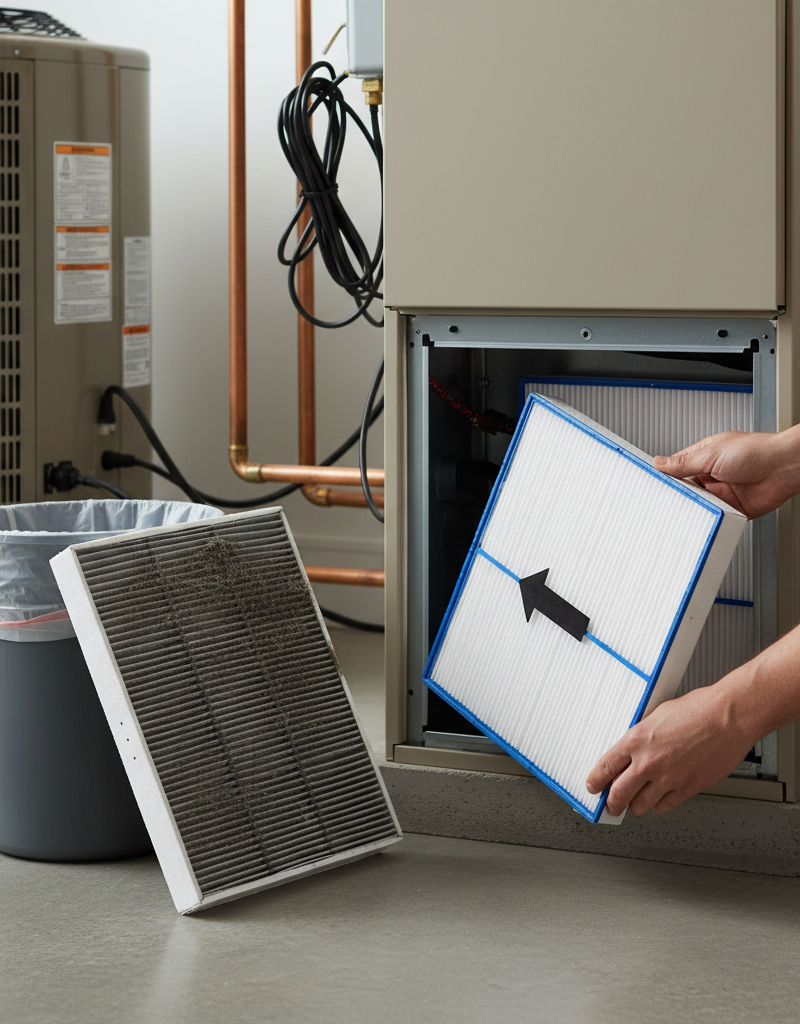
Inspect & Clean Key Filters — First, replace your furnace or HVAC air filter. A clogged filter is a primary cause of system failure. Note the size and MERV rating before you buy a new one. Second, remove and clean your kitchen range hood filter. A greasy filter is a fire hazard and reduces the fan's effectiveness. Most are dishwasher-safe; check your manual.
-
Exercise All Water Shut-Off Valves — Under every sink and behind every toilet is a small valve, called an angle stop. Gently turn each one clockwise to the closed position, then back counter-clockwise to the open position. Do the same for your main water shut-off valve for the whole house. This simple action prevents mineral buildup and ensures the valves won't be seized shut when you need them in an emergency.
-
Inspect Appliance Hoses & Drains — Pull your washing machine out slightly to inspect the hot and cold water hoses. Look for any bulging, cracking, or rusting at the connections. A burst hose can release 500 gallons of water per hour. Also, check your dishwasher drain hose for kinks and your A/C condensate drain line (often a PVC pipe leading out of your indoor unit) for any clogs or water backup.
-
Test the Sump Pump Function — If you have a basement or crawlspace with a sump pump, you must test it. Slowly pour a 5-gallon bucket of water into the sump pit. The water should raise the float, trigger the pump to turn on, and eject the water. If it doesn't, the pump or float switch may need servicing—a critical discovery before the next heavy rain.
-
Flush Drains and Garbage Disposal — Prevent slow drains and expensive clogs. Pour a large pot of boiling water down your kitchen sink drain to melt away grease buildup. For the garbage disposal, first run cold water, then feed a few handfuls of ice cubes into it, followed by some citrus peels (lemon, lime, orange) to sharpen the blades and deodorize it.
-
Visually Inspect Fire Extinguishers — For each fire extinguisher in your home, confirm two things. First, check that the pressure gauge is in the green "charged" zone. Second, ensure the safety pin is still in place and the extinguisher has no visible signs of damage, like dents or rust. This ensures it's ready for an emergency.
-
Conduct a Pest & Entry Point Inspection — Take a powerful flashlight and look behind appliances, under sinks, in the back of your pantry, and in basement/attic corners. You're looking for droppings, nests, or small holes and gaps in the wall or foundation. Sealing a small entry point now is far easier than dealing with an infestation later.
-
Check Exterior Drainage and Grading — Walk the perimeter of your house. Look for any signs of water pooling near the foundation. Ensure all gutter downspouts are securely attached and directing water at least 3-5 feet away from the house. Clogged gutters or improper grading are a leading cause of foundation problems and basement water intrusion.
-
Test Smoke and Carbon Monoxide Detectors — Press and hold the "Test" button on every smoke and CO detector. They should emit a loud, piercing alarm. If they don't, replace the batteries immediately. If they still fail, the unit itself is expired (most last 7-10 years) and must be replaced.
-
Tighten Loose Hardware — Do a quick walkthrough of your home and tighten any loose cabinet handles, doorknobs, or hinges. This prevents stripping the wood and the need for more complex repairs. Pay special attention to loose toilet seats, which can stress and crack the porcelain base if left wobbly.
Common Causes
Failures that this monthly home maintenance checklist prevents are rarely caused by sudden, dramatic events. They stem from slow, predictable issues.
- Neglect and Deferral: The most common cause. Homeowners are busy and often put off "non-urgent" tasks. This checklist systemizes the process to combat that tendency.
- Water: The Silent Destroyer: The majority of expensive home repairs are water-related. Leaks, high humidity, improper drainage, and failed water-handling systems (like sump pumps) are the root cause of rot, mold, foundation damage, and destroyed finishes.
- HVAC Strain: Dirty filters and blocked vents restrict airflow, forcing the system's motors and compressors to work harder. This sustained strain leads to overheating and premature failure of a home's most expensive appliance.
- Mineral Buildup: In areas with hard water, mineral deposits (scale) can cause valves to seize, clog faucet aerators, and reduce the efficiency and lifespan of water heaters.
- Pest Intrusion: Small, unsealed gaps in the foundation or siding provide entry points for rodents and insects. Once inside, they can chew through wiring (fire hazard), destroy insulation, and create widespread contamination.
Common Mistakes
- Skipping Months: The key to this system is consistency. Skipping a month or two could be exactly when a small leak starts or a filter finally clogs completely.
- Only Performing Seasonal Checks: While seasonal maintenance is also important (like A/C tune-ups), many critical failure points, like leaks and filter clogs, develop much faster and must be checked monthly.
- Using the Wrong HVAC Filter: Don't just grab any filter. Using one that's too restrictive (a very high MERV rating not approved for your system) can cause the same strain as a clogged one.
- Ignoring "Minor" Signs: Seeing a faint water spot and thinking, "I'll keep an eye on it," is a huge mistake. A visible stain means water has already been leaking for some time.
- Not Knowing Your Main Shut-Offs: The purpose of exercising the main water valve is twofold: prevent seizure and build familiarity. In an emergency, you must be able to locate and shut off the water main and the gas main (if applicable) instantly.
- Using Harsh Drain Chemicals: Caustic chemical drain cleaners can damage older pipes. The monthly hot water flush and garbage disposal cleaning are preventative so you never have to reach for those chemicals in the first place.
Cost & Time Breakdown
The entire point of this monthly routine is to trade a few dollars and a couple of hours now to save thousands of dollars and weeks of disruption later. The "Pro Cost" below represents the cost of the repair you are trying to prevent.
| Task | DIY Cost | Pro Cost (Potential Repair Avoided) | Time |
|---|---|---|---|
| Monthly HVAC Filter Change | $10 - $25/filter | $800 - $2,500 (Blower Motor/Coil) | 5 minutes |
| Sump Pump Test | $0 | $5,000 - $20,000+ (Basement Flood) | 10 minutes |
| Inspect Washing Machine Hoses | $0 (or $30 for new hoses) | $3,000 - $10,000 (Water Damage) | 5 minutes |
| Exercise Water Valves | $0 | $300 - $600 (Emergency Valve Replace) | 15 minutes |
| Clean Drains/Disposal | $0 | $250 - $450 (Emergency Drain Snake) | 10 minutes |
| Test GFCI/AFCI Outlets | $0 | $200 - $400 (Troubleshoot Dead Outlet) | 10 minutes |
Tips & Prevention
- Create a Digital Calendar: Set a recurring monthly appointment on your phone for "Home Maintenance Checklist." Include a link to this article in the notes so you have the steps handy.
- Keep a Home Maintenance Binder: Keep all manuals, receipts for major appliances, and a log of your monthly checks. Note down anything you observed, even if it seemed minor.
- Bundle Your Tasks: Keep your HVAC filters, a flashlight, and a few basic tools in a dedicated "Maintenance Bucket" so you can grab it and go through the checklist efficiently.
- Upgrade Proactively: When it's time to replace something, choose the more durable option. For example, replace standard rubber washing machine hoses with stainless steel braided ones.
- Label Your Breaker Box: Take 15 minutes to accurately label what every circuit breaker in your panel controls. This is invaluable during any electrical issue.
- Know Your Home's Anatomy: Walk through your basement or utility room and identify the main water shut-off, main electrical panel, HVAC unit, and water heater. Know which way the valves turn to close.
When to Call a Professional
This monthly home maintenance checklist is designed to empower you, but it's also your first line of defense in knowing when to call for help. Contact a licensed professional immediately if your checks reveal any of the following:
- A GFCI/AFCI that won't reset: This indicates a persistent fault in the circuit that could be a shock or fire hazard. Call an electrician.
- A water stain that is wet to the touch or growing: A faint, old stain is worth monitoring, but an active leak requires an emergency call to a plumber.
- The smell of gas or burning plastic: Never hesitate. Exit the home immediately and call your utility's emergency gas line from outside. For burning smells from outlets or the panel, call an electrician.
- The sump pump test fails: The pump motor could be burned out or the float switch could be bad. This needs to be repaired by a plumber or sump pump specialist before the next rainfall.
- A buzzing sound from the electrical panel or a breaker that won't stay reset: This is a sign of a serious electrical problem that poses a significant fire risk.
- Low water pressure after exercising valves: If a valve doesn't seem to open fully again, it may be broken internally and needs to be replaced by a plumber.
Frequently asked questions
How long should this monthly home maintenance checklist actually take?+
Once you have the routine down, you should be able to complete this entire checklist in 1 to 2 hours. The first time may take a bit longer as you locate all the valves and identify your filter sizes. Consider it a high-value investment of your time.
What is the single most important check I shouldn't skip?+
While all are important, the most critical check is the water intrusion sweep. Undetected water leaks are the number one cause of catastrophic and expensive home damage, leading to rot, mold, and structural failure. Always make time to look under every sink and around every toilet.
Is this monthly checklist necessary for a new or newly-renovated house?+
Absolutely. Construction defects or improper installation of plumbing and appliances can often show up in the first 1-2 years. Running this monthly home maintenance checklist is the best way to catch those contractor errors before they cause major damage and while the work may still be under warranty.
What if I discover a problem I can't fix myself?+
That's one of the primary goals of this checklist! It helps you identify issues early. If you find an active leak, a safety device that won't reset, or anything that seems beyond a simple fix, you've successfully done your job. Now you can call a professional to handle a small, manageable repair instead of an out-of-control emergency.

Discussion
Loading comments…