
Tools & materials you'll need
Affiliate linksAs an Amazon Associate FixlyGuide earns from qualifying purchases — at no extra cost to you. Prices and availability are accurate as of publication and subject to change.
Quick Answer
Many homeowners trying to control mosquitoes in their backyard often overlook the most crucial step: consistent and thorough elimination of all standing water sources. Mosquitoes lay their eggs in even the tiniest puddles, making stagnant water the primary culprit for infestations. The fastest natural fixes involve a three-pronged approach: meticulously removing all standing water, strategically introducing mosquito-repelling plants like citronella and marigolds, and encouraging natural predators such as dragonflies and certain bird species.
The Problem
Is your backyard a mosquito buffet? You've tried bug sprays, maybe even some citronella candles, but those incessant buzzing pests keep dive-bombing your evening barbecues and leaving itchy welts. The problem isn't usually a lack of repellent; it's often a fundamental misunderstanding of the mosquito life cycle and a failure to address their breeding habits. Many homeowners inadvertently create perfect nurseries for mosquito larvae, sometimes in plain sight, sometimes in hidden spots. Without addressing these breeding grounds, you're fighting a losing battle, simply swatting at adult mosquitoes while new generations hatch daily.
The real pain point for homeowners is the frustration of constant bites, the inability to enjoy outdoor spaces, and the concern about mosquito-borne illnesses. It's not just annoying; it can be a health risk. This guide focuses on diagnosing and fixing the root cause of your mosquito problem using natural, sustainable methods that don't involve harsh chemicals.
How It Works
Understanding the mosquito's life cycle is key to effective control. The process begins when a female mosquito (only females bite, as they need blood meals to produce eggs) lays her eggs on the surface of standing water. These eggs can hatch within 24 to 48 hours, depending on temperature, into larvae, often called 'wigglers.' Larvae live in the water, feeding on microorganisms, and eventually develop into pupae (the 'tumblers'). The pupal stage is a non-feeding, transitional phase, lasting a few days before the adult mosquito emerges from the water and flies away. The entire cycle, from egg to adult, can take as little as 5 to 7 days in warm conditions.
The critical insight here is that mosquitoes require water for the first two-thirds of their lives. No standing water means no new mosquitoes. Adult mosquitoes typically stay within a few hundred yards of where they hatched, so the mosquitoes biting you in your backyard likely originated very close by. They are attracted to carbon dioxide, body heat, and certain compounds in sweat, making humans prime targets. Their peak biting times are usually at dawn and dusk, but some species will bite during the day, especially in shady, humid areas.
Natural control methods target various stages of this life cycle. Eliminating standing water disrupts the egg, larval, and pupal stages. Introducing mosquito-eating fish or larvicides (like Bacillus thuringiensis israelensis, or BTI) targets larvae. Repelling plants deter adults, and encouraging natural predators helps reduce the adult population. The most effective strategies combine these approaches to create an environment hostile to mosquitoes at every stage.
Step-by-Step Fix
1. Conduct a Thorough Water Audit — Eliminate ALL Standing Water
This is the single most critical step. Walk your entire property, meticulously inspecting every potential source of standing water. Mosquitoes can breed in as little as a bottle cap full of water.
- Check obvious culprits: Bird baths (change water every 1-2 days), pet water bowls (change daily), clogged gutters, neglected swimming pool covers, leaky outdoor faucets and drip lines.
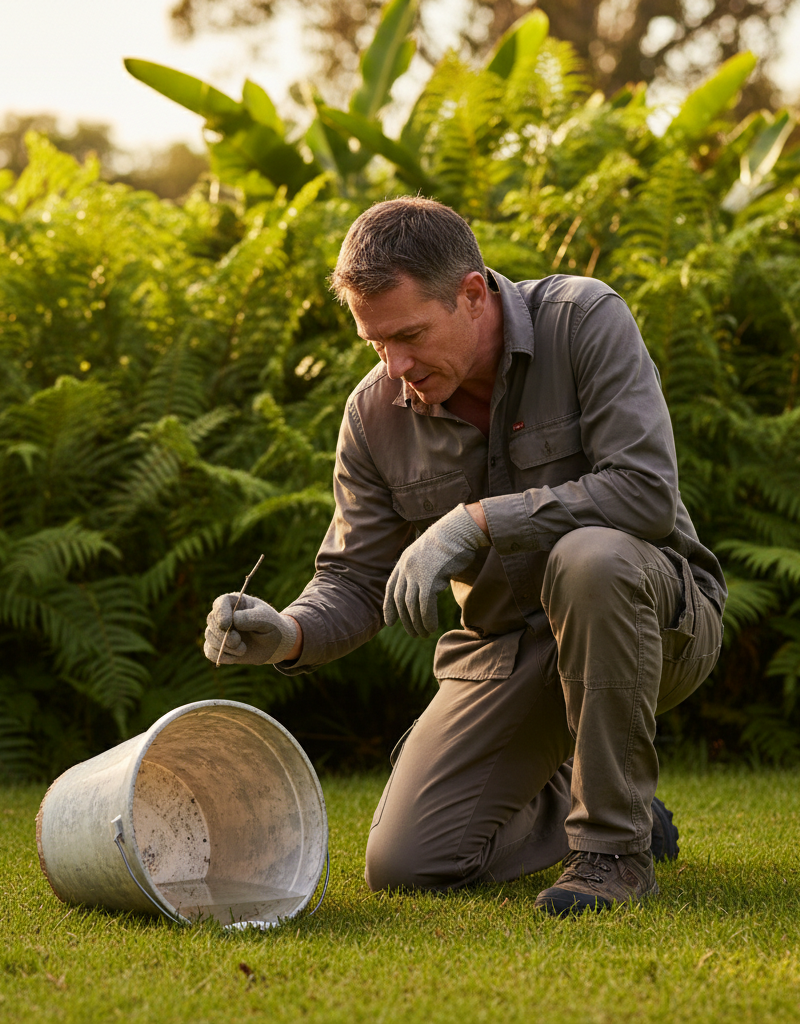
- Inspect hidden spots: Discarded tires, old buckets, plant pot saucers, tarps with depressions, wheelbarrows, toys left outside, children's wading pools, boat covers, and even areas where sprinklers create puddles.
- Look for subtle accumulation: Low spots in your yard that hold water after rain, corrugated drain pipes, ornamental lawn decorations that collect water. Fill these in or improve drainage.
- Tools/Materials: Gloves, a bucket for debris, possibly a shovel for minor grading.
- If this doesn't work: Re-audit after every rain event. Sometimes, a source is missed or quickly refills.
2. Manage Water Features Responsibly — Keep Ponds and Rain Barrels Mosquito-Free
Water features can be beautiful but also prime mosquito real estate if not managed correctly.
- Bird baths: Clean and refill every day or two. A small pump to create movement can help deter mosquitoes, as they prefer still water for laying eggs.
- Rain barrels: Ensure they are tightly sealed with screens over all openings (spout, overflow). This prevents adult mosquitoes from accessing the water to lay eggs.
- Ornamental ponds: Introduce mosquito-eating fish like guppies, minnows, or goldfish. They will consume mosquito larvae voraciously. Alternatively, use mosquito dunks (containing BTI) every 30 days.
- Tools/Materials: Window screen mesh, zip ties, mosquito dunks (BTI tablets), small pond pump, mosquito fish (from a reputable pet or pond supply store).
- Safety Note: Always read and follow product instructions for mosquito dunks. BTI is safe for humans, pets, and wildlife but should be handled appropriately.
3. Strategically Place Mosquito-Repelling Plants — Create a Botanical Barrier
Certain plants release natural compounds that mosquitoes dislike, helping to deter them from your immediate outdoor living spaces.
- Citronella: Plant citronella grass in pots around patios, decks, and entryways. While the plant itself deters, rubbing the leaves on your skin can offer temporary personal protection.
- Marigolds: These vibrant flowers contain pyrethrum, a compound used in many commercial insect repellents. Plant them in garden beds, near entry points, and around seating areas.
- Lemon Balm/Catnip: Both are potent mosquito deterrents. Plant them in strategic locations, but be aware lemon balm can spread aggressively, and catnip attracts cats.
- Basil/Rosemary/Mint: These herbs can also deter mosquitoes and provide culinary benefits. Place potted versions near dining areas.
- Tools/Materials: Potting soil, garden pots, selected mosquito-repelling plant starts.
- Tip: Crush leaves slightly to release more repellent oils just before outdoor activities.
4. Encourage Natural Mosquito Predators — Let Nature Do the Work
Welcome creatures that feast on mosquitoes at various life stages, creating a healthier ecosystem in your backyard.
- Dragonflies: These aerial acrobats eat adult mosquitoes. Create a welcoming environment with shallow water features (managed carefully, as detailed above) and perching spots (tall grasses, thin stakes).
- Birds: Many bird species, especially swallows, purple martins, and bats, consume large numbers of flying insects, including mosquitoes. Install birdhouses and feeders (with fresh water, changed daily) to attract them.
- Frogs & Toads: These amphibians eat adult mosquitoes and other insects. Provide shelter by leaving undisturbed leaf litter or creating small rock piles in shady, moist areas.
- Ladybugs/Lacewings: While primarily aphid predators, they can also consume mosquito eggs if present in other damp environments near your home.
- Tools/Materials: Birdhouses, bird feeders, bat houses, shallow dishes with clean water, native plants to provide shelter and food for beneficial insects.
- Long-term strategy: Avoid broad-spectrum pesticides that can harm beneficial predator populations.
5. Optimize Your Landscape for Drainage — Prevent Future Puddles
Address recurring standing water issues by improving your yard's grading and drainage.
- Regrade low spots: Fill in depressions in your lawn or garden beds with soil and reseed to prevent water from pooling after rain.
- Improve gutter function: Ensure gutters are clear of debris and downspouts direct water at least 5-10 feet away from your home's foundation, preferably into a swale or rain garden.
- Consider a French drain: For persistent wet areas, a French drain can effectively redirect subsurface water away.
- Tools/Materials: Shovel, rake, topsoil, grass seed, potentially a drainage consultant for complex issues.
- Warning: Improper grading can lead to foundation issues. If unsure, consult a landscaper or drainage expert.
6. Use Natural Larvicides When Necessary — Target Larvae in Unavoidable Water
For standing water that cannot be eliminated (e.g., stagnant ditches, decorative ponds without fish), BTI is an eco-friendly solution.
- Bacillus thuringiensis israelensis (BTI): This naturally occurring bacterium is toxic only to mosquito and blackfly larvae when ingested. It does not harm humans, pets, fish, or other beneficial insects.
- Application: BTI is available in various forms, including 'mosquito dunks' or 'bits.' Follow product instructions for dosage and reapplication frequency (typically every 30 days).
- Where to use: Standing water in storm drains, unmaintained swimming pools, forgotten containers, or decorative ponds without fish.
- Tools/Materials: Mosquito dunks/bits with BTI.
- Safety Note: While BTI is very safe, always wear gloves when handling pesticides and wash hands thoroughly afterward.
Common Causes
- Unaddressed Standing Water: Easily the most common cause. Even a bottle cap of water can host dozens of mosquito larvae. This includes obvious sources like clogged gutters and less obvious ones like tarps or plant pot saucers.
- Neglected Water Features: Bird baths not cleaned regularly, open rain barrels, or ornamental ponds without natural predators or larvicides.
- Poor Drainage: Low spots in the yard or landscaping that accumulate water after irrigation or rainfall, creating temporary breeding grounds.
- Overgrowth & Shade: Dense vegetation provides cool, humid resting spots for adult mosquitoes, especially during the day when they avoid direct sunlight.
- Lack of Natural Predators: An imbalance in the local ecosystem where mosquito predators (dragonflies, certain birds, bats) are scarce due to habitat loss or pesticide use.
Common Mistakes
- Only Treating Adults: Relying solely on bug sprays, foggers, or citronella candles addresses only adult mosquitoes, ignoring the continuous hatching of new ones from larval stages. You're constantly playing catch-up.
- Inconsistent Water Elimination: Clearing standing water once is not enough. You must do it weekly, ideally every few days, as the mosquito life cycle is short. A single missed puddle can undo all your effort.
- Ignoring Hidden Water Sources: Overlooking less obvious breeding grounds like corrugated drain pipes, neglected children's toys, or small depressions in tarps. A thorough audit is essential.
- Using Harmful Pesticides Broadly: Applying wide-spectrum insecticides kills beneficial insects and mosquito predators along with the mosquitoes, often making the problem worse in the long run by disrupting the natural balance.
- Planting a Single Repellent Plant: Expecting one citronella plant to protect an entire backyard. Repellent plants work best when strategically placed in clusters around specific areas where people gather.
- Not Considering Neighboring Properties: Mosquitoes don't respect property lines. If your neighbor has standing water issues, their mosquitoes will visit your yard. While you can't control their property, focusing on your own will still significantly reduce your problem.
Cost & Time Breakdown
| Task | DIY Cost | Pro Cost | Time |
|---|---|---|---|
| Water Source Elimination | $0–$20 | N/A | 1–2 hours/week |
| Mosquito Dunks (BTI) | $10–$25 | N/A | 5–10 mins/month |
| Repelling Plants | $30–$100 | N/A | 1–2 hours |
| Attracting Predators (houses) | $20–$150/item | N/A | 1–3 hours |
| Minor Landscape Grading | $20–$50 | $200–$500+ | 2–4 hours |
| Pro Pest Control (Natural) | N/A | $100–$300/treatment | 1 hour |
Tips & Prevention
- Weekly Water Patrol: Make it a habit to walk your property once a week, emptying any standing water. This is the most effective preventative measure.
- Screen All Openings: Ensure window screens, doors, and especially rain barrel openings are tightly sealed and free of holes to prevent adult mosquitoes from entering your home and accessing water sources.
- Keep Gutters Clean: Clogged gutters are notorious mosquito breeding sites. Clean them at least twice a year, more if you have many trees nearby.
- Mow Regularly & Trim Shrubbery: Keep your lawn mowed and trim back dense bushes and tall weeds. This reduces shady, humid resting places for adult mosquitoes.
- Wear Light-Colored Clothing: Mosquitoes are attracted to dark colors. When outdoors during peak mosquito times, wear light-colored, loose-fitting clothing to minimize bites.
- Use Personal Repellents (Natural Options): If you must be in an area with high mosquito activity, consider natural essential oil-based repellents containing lemon eucalyptus, citronella, or picaridin. Always patch-test on skin first.
When to Call a Professional
You've diligently followed all the natural control methods, yet your backyard remains a mosquito haven, or perhaps you're dealing with an unusually aggressive infestation. This might be a sign that the breeding sources are extensive, difficult to locate, or originate from a very large area. If you live near swamps, retention ponds, or large, unmanaged bodies of water, professional intervention might be necessary. A licensed pest control professional can conduct a thorough inspection, identify large-scale breeding sites you may have missed, and apply treatments designed to control mosquito populations in a broader area, often utilizing natural or low-impact larvicides and adulticides. They can also offer advice on long-term ecological solutions tailored to your specific property and local environment. Don't hesitate to call if your efforts aren't making a dent or if you're concerned about potential health risks from mosquito-borne diseases in your area.
Related Articles
Keep troubleshooting with these hand-picked guides from FixlyGuide:
- The #1 Mosquito Mistake Homeowners Make (and 4 Natural Ways to Fix It) — Discover the biggest mistake homeowners make in mosquito control and learn four effective, natural strategies to reclaim your backyard from…
- The 3 Hidden Water Sources Breeding Mosquitoes in Your Yard (And How to Eliminate Them) — Naturally control mosquitoes in your backyard by targeting and eliminating hidden standing water sources where they breed, using simple, ec…
- The #1 Mosquito Mistake Homeowners Make (and 3 Natural Fixes) — Discover the biggest mistake homeowners make in mosquito control and learn three natural, effective fixes to reclaim your backyard without…
- The #1 Mistake Killing Your Lawn's Clover—and the Easy fix That Spares Your Grass — Discover the most common mistake homeowners make when trying to eliminate clover, and learn how to remove it effectively without harming yo…
- The #1 Pruning Mistake That Chokes Your Shrubs (And How to Fix It) — Discover the most common pruning error homeowners make that hinders shrub health and how to correct it for vibrant growth.
- The #1 Mistake Homeowners Make When Their AC Drain Clogs (And The $5 Fix) — Discover the most common error homeowners make when tackling a clogged AC drain line and learn a simple, inexpensive solution to prevent co…
Frequently asked questions
How long does it take for mosquito eggs to hatch?+
Mosquito eggs can hatch into larvae in as little as 24 to 48 hours, especially in warm conditions, making consistent water elimination crucial.
Are mosquito dunks with BTI safe for pets and wildlife?+
Yes, mosquito dunks containing Bacillus thuringiensis israelensis (BTI) specifically target mosquito and black fly larvae and are safe for humans, pets, fish, birds, and other wildlife.
Which plants repel mosquitoes most effectively?+
Citronella grass, marigolds, lemon balm, catnip, basil, rosemary, and mint are among the most effective plants for naturally deterring mosquitoes when strategically placed.
Why do I still have mosquitoes after eliminating standing water?+
You might have missed some hidden water sources, or mosquitoes could be breeding on a neighboring property. Re-audit your yard thoroughly and consider discussing the issue with neighbors (if applicable).
Can I attract dragonflies to eat mosquitoes?+
Yes, you can encourage dragonflies by providing shallow water features and perching spots like tall grasses or stakes. Dragonflies are excellent predators of adult mosquitoes.


Discussion
Loading comments…