Tools & materials you'll need
Affiliate linksAs an Amazon Associate FixlyGuide earns from qualifying purchases — at no extra cost to you. Prices and availability are accurate as of publication and subject to change.
The #1 Mistake Killing Your Garden (And 5 Permanent Weed Fixes)
Quick Answer
Achieving truly permanent weed removal isn't about a single magic bullet; it's about understanding the enemy and employing a strategic, multi-pronged attack. The most common mistake homeowners make is not addressing the root cause and the vast seed bank dormant in their soil. Permanent solutions involve disrupting the weed's life cycle, depleting its existing seed reserves, and preventing new seeds from establishing. This includes proper identification, timely intervention, enhancing soil health, and using physical barriers where appropriate.
The Problem
You've spent hours on your hands and knees, pulling, digging, and spraying, only to find the same pernicious weeds returning with a vengeance, often stronger than before. It feels like a futile battle, a Sisyphean task where every victory is temporary. The problem isn't your effort; it's often the strategy. Many common weed control methods only offer temporary relief because they fail to address the underlying issues: an inexhaustible seed bank, incorrect timing, and a lack of understanding of how weeds thrive. You might be inadvertently cultivating the perfect conditions for their comeback, turning your garden into a battleground you're destined to lose unless you change your approach.
How It Works
To defeat weeds permanently, you first need to understand their astounding resilience and reproductive strategies. Weeds are master opportunists, designed by nature to colonize disturbed soil rapidly. They possess several key survival mechanisms that make them so challenging to eradicate:
- Vast Seed Banks: Most soils contain thousands, if not millions, of viable weed seeds per square foot. These seeds can remain dormant for decades, waiting for the right conditions (light, moisture, temperature) to germinate. Disturbing the soil often brings new seeds to the surface, triggering germination.
- Rapid Reproduction: Weeds mature quickly and produce an astonishing number of seeds. A single annual weed like a common purslane can produce over 200,000 seeds in one season. Perennial weeds, like dandelions, not only produce seeds but also spread aggressively through underground root systems (rhizomes) or specialized stems (stolons).
- Adaptability: Weeds are typically tougher and more adaptable than cultivated plants. They often have deep taproots to access water and nutrients, can tolerate poor soil conditions, and resist pest and disease pressures better than many garden plants.
- Chemical Defense: Some weeds release allelopathic chemicals that inhibit the growth of nearby desirable plants, giving them a competitive advantage.
Understanding these mechanisms helps us devise a strategy. Permanent control isn't about a single action but a sustained effort to deplete the seed bank over time, prevent new seed production, and create an environment where desirable plants outcompete the weeds.
Step-by-Step Fix
Here are five strategies for truly permanent weed removal, tackling the issue from different angles:
-
"The Weed Seed Bank Depletion Trick" — Stop Tilling and Use Solarization
- The biggest mistake: Tilling a garden churns up millions of dormant weed seeds, exposing them to light and oxygen, which triggers germination. Every time you dig, you're planting a new crop of weeds.
- The fix: Minimizing soil disturbance is paramount. Implement a
'no-dig'or'no-till'gardening approach. For existing heavily weeded areas, solarization can be incredibly effective. This process uses the sun's heat to"cook"weed seeds and pathogens in the top few inches of soil.- How-to: In late spring or summer, clear the area of any large debris. Water the soil thoroughly to a depth of 12 inches. Cover the moistened soil with a clear, thick (4-6 mil) plastic sheeting, ensuring the edges are tightly sealed with soil or rocks to trap heat. Leave the plastic in place for 6-8 weeks during the hottest part of the year. The sun will heat the soil to temperatures lethal to most weed seeds and some perennial roots. After solarization, avoid deep digging to prevent bringing new seeds to the surface. Top-dress with compost and plant directly into the sun-sterilized bed.
-
"The Timing is Everything Trick" — Never Let a Weed go to Seed
- The biggest mistake: Letting weeds mature and produce seeds, which then fall back into the soil, replenishing the seed bank.
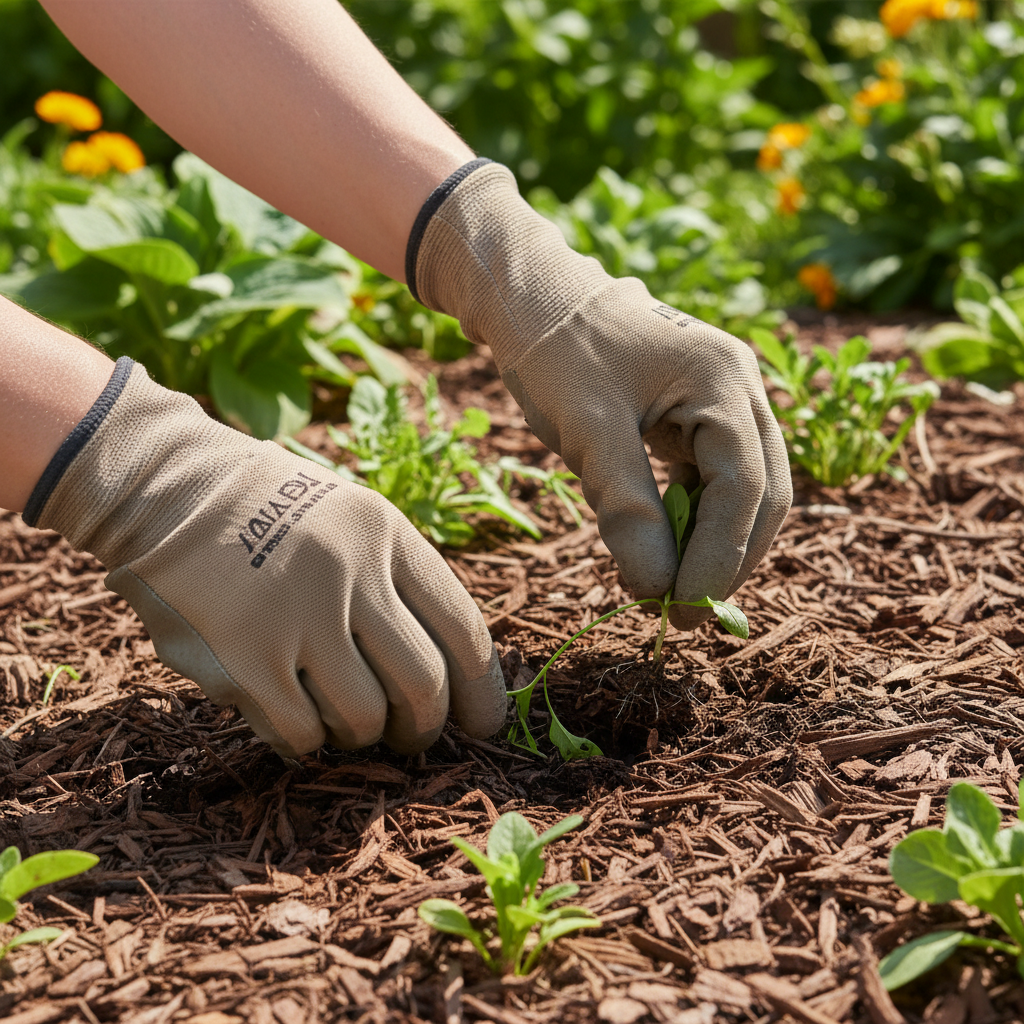
- The fix: Consistent, early removal is key. Weed young, before they have a chance to flower and set seed. This is especially critical for annual weeds. For perennial weeds, repeated removal of top growth will eventually deplete their root reserves.
- How-to: Establish a regular
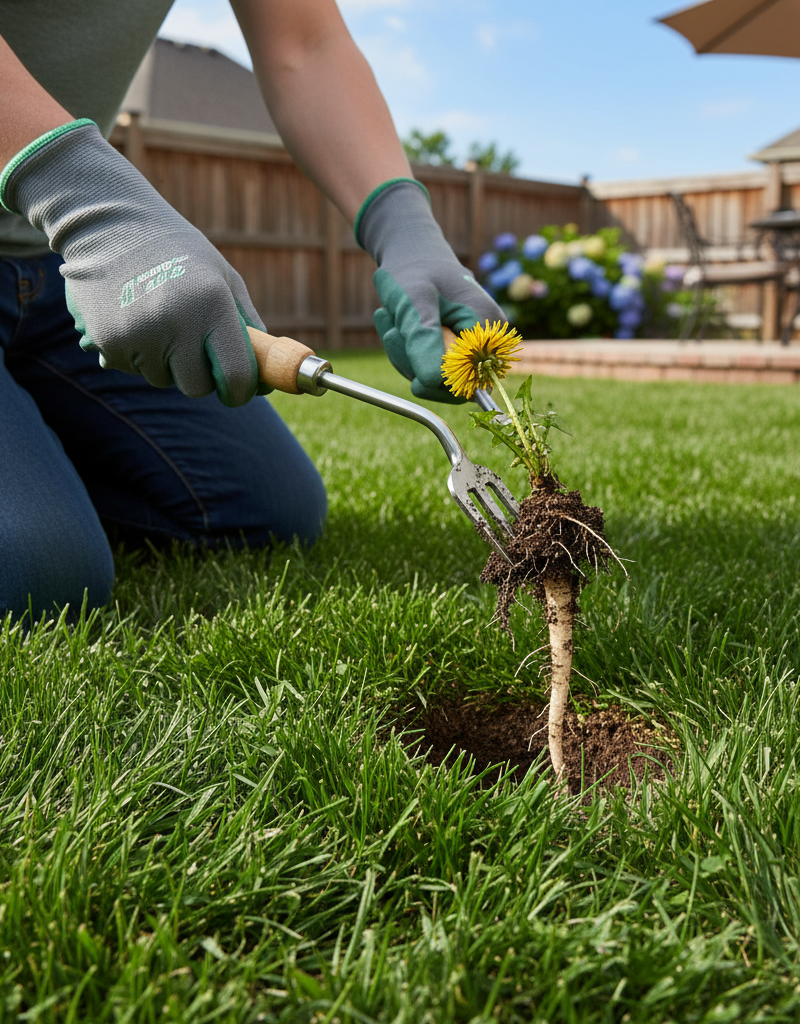
'patrol'schedule – a quick 15-minute walk-through of your garden 2-3 times a week is more effective than one long, exhausting session once a month. Use a sharp hoe for shallow-rooted annuals or hand-pull deep-rooted perennials after a rain when the soil is soft. Always remove the entire root system for perennial weeds.'Deadheading'weeds (removing flowers/seed heads) before they fully mature buys you time if you can't remove the entire plant immediately.
- How-to: Establish a regular
-
"The Smother and Starve Trick" — Strategic Mulching
- The biggest mistake: Not using mulch, or using too thin a layer of mulch, which allows sunlight to reach weed seeds and encourages germination.
- The fix: A thick, consistent layer of organic mulch suppresses weed growth by blocking sunlight, retaining soil moisture (beneficial for your plants, not weeds), and moderating soil temperature. Over time, organic mulches also break down, improving soil health.
- How-to: Apply 3-4 inches of organic mulch (shredded bark, wood chips, straw, pine needles) around your desirable plants and throughout garden beds. Ensure the mulch doesn't pile up against plant stems or tree trunks, as this can lead to rot. For areas with particularly stubborn perennial weeds, consider a
'lasagna gardening'approach: layer cardboard directly over the weeds, then add layers of compost, leaves, and other organic materials, topping with a thick layer of wood chips. This slowly smothers existing weeds and builds fertile soil.
- How-to: Apply 3-4 inches of organic mulch (shredded bark, wood chips, straw, pine needles) around your desirable plants and throughout garden beds. Ensure the mulch doesn't pile up against plant stems or tree trunks, as this can lead to rot. For areas with particularly stubborn perennial weeds, consider a
-
"The Right Plant, Right Place Trick" — Dense Planting and Groundcovers
- The biggest mistake: Leaving significant bare patches of soil, which are an open invitation for weeds to colonize. Nature abhors a vacuum.
- The fix: Plant desirable plants densely enough so their foliage shades the soil, suppressing weed growth. For areas where you don't want traditional garden plants, use vigorous, non-invasive groundcovers.
- How-to: When designing your garden, consider the mature size of your plants and space them so their leaves will eventually touch or slightly overlap, forming a
'living mulch'. In shady or difficult areas, choose appropriate groundcovers like creeping thyme, sedum, or clover (if suitable for your region) that will outcompete weeds for light, water, and nutrients. This creates a visually appealing and low-maintenance weed barrier.
- How-to: When designing your garden, consider the mature size of your plants and space them so their leaves will eventually touch or slightly overlap, forming a
-
"The Targeted Attack Trick" — Boiling Water or Vinegar Spot Treatment (Carefully!)
- The biggest mistake: Indiscriminate spraying of herbicides, which can harm beneficial insects, soil microbes, and nearby desirable plants, creating an unhealthy ecosystem.
- The fix: For isolated, stubborn weeds in paths, cracks, or non-vegetable areas, targeted non-chemical methods can be effective. Boiling water or horticultural vinegar can kill small weeds on contact by disrupting their cell structure.
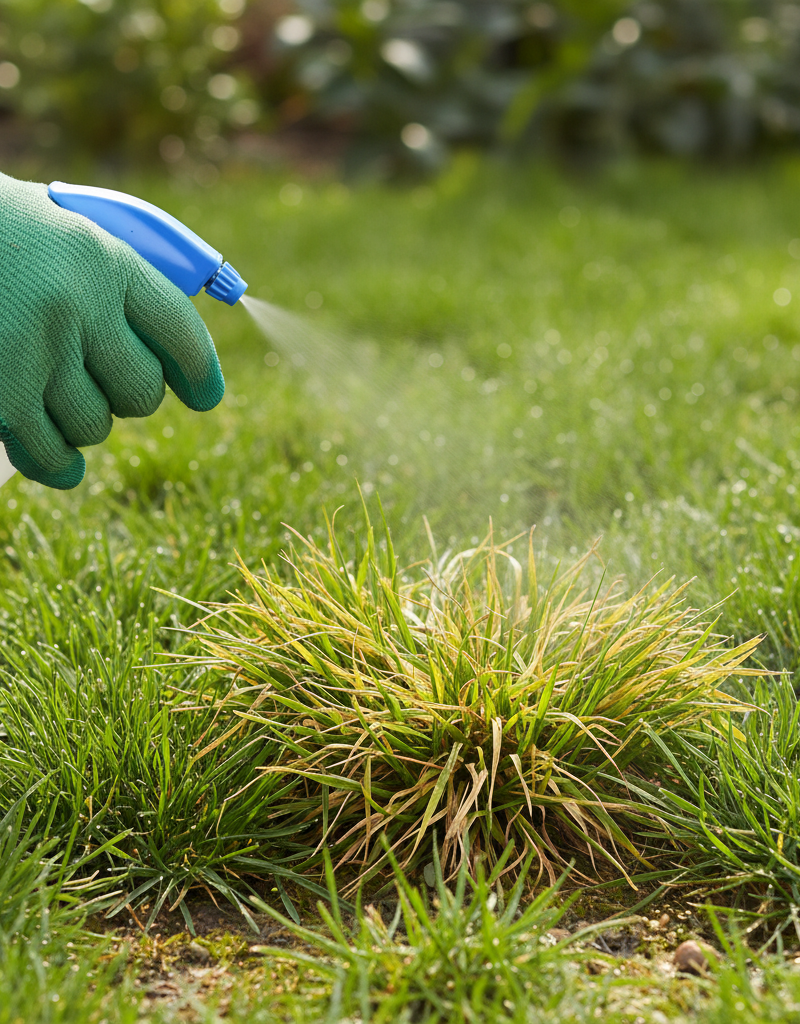
- How-to: For boiling water, simply pour hot water carefully from a kettle directly onto the leaves and crown of the weed. It works best on annuals and small perennials. For vinegar, use horticultural vinegar (20% acetic acid, NOT household vinegar, which is 5%). Always wear protective gloves and eyewear when handling horticultural vinegar, and apply carefully to avoid drift onto desirable plants. It will kill most surface vegetation it touches. Both methods are non-selective, so extreme caution is needed. They are most effective for small areas like sidewalk cracks or gravel paths, not widespread garden beds.
Common Causes
- Disturbed Soil: Any digging, tilling, or construction disturbs the soil, bringing dormant weed seeds to the surface where they can germinate.
- Leaving Bare Ground: Exposed soil is an open invitation for weeds. Nature quickly fills a void.
- Poor Soil Health: Compacted, nutrient-deficient soil stresses desirable plants, making them less competitive against robust weeds.
- Inadequate Mulching: Too thin a layer of mulch, or no mulch at all, allows sunlight to reach weed seeds and lets them sprout.
- Letting Weeds Go to Seed: Each weed that matures and produces seeds adds thousands of new recruits to your garden's weed army.
- Importing Weeds: Contaminated topsoil, compost, or even new plants can introduce weed seeds into your garden.
Common Mistakes
- Tilling to Remove Weeds: This is perhaps the biggest mistake. Tilling only brings more weed seeds to the surface, guaranteeing a fresh crop.
- Weeding When it's Dry: Trying to pull weeds from dry, compacted soil is exhausting, often leaves roots behind, and sometimes compacts the soil further.
- Ignoring Weeds Until They're Big: Small weeds are easy to remove; large, established weeds with deep roots or mature seeds are a much bigger problem.
- Not Mulching Deep Enough: A thin layer of mulch (less than 3 inches) won't effectively suppress weeds.
- Using Roundup (Glyphosate) Indiscriminately: While effective, glyphosate is a broad-spectrum herbicide that kills everything it touches, including beneficial plants, and has environmental concerns. It's not a permanent solution and can disrupt your garden's ecosystem.
- Confusing Cultivation with Weed Control: Cultivating the soil too frequently or too deeply can exacerbate weed problems rather than solve them.
Cost & Time Breakdown
| Task | DIY Cost | Pro Cost | Time |
|---|---|---|---|
| Solarization (Plastic sheeting) | $20–$50 | N/A | 6–8 weeks |
| Hand Weeding (Tools) | $0–$30 | N/A | Ongoing, 1–2 hrs/week |
| Organic Mulch (Materials) | $50–$200 | N/A | Annual, 2–4 hrs |
| Dense Planting/Groundcover (Plants) | $30–$300+ | $200–$1000+ | Varies/Annual |
| Vinegar/Boiling Water (Materials) | $5–$20 | N/A | Spot treat, 15 min |
| Professional Weed Control Service | N/A | $300–$800+ (per visit) | N/A |
Tips & Prevention
- Regular Scouting: The best defense is a good offense. Regularly walk your garden beds, ideally 2-3 times a week, to catch weeds when they are tiny and easy to remove.
- Weed After Rain: The soil is softer and more pliable after a rain, making it much easier to pull weeds, roots and all. They slide out effortlessly.
- Use Weed Barriers Strategically: Landscape fabric can be useful under gravel paths or in areas where you want very specific planting, but avoid using it under garden beds where it can inhibit soil health. Cardboard is a better organic alternative for smothering.
- Water Efficiently: Drip irrigation or soaker hoses deliver water directly to your desirable plants' root zones, reducing moisture for weeds between rows.
- Improve Soil Health: Healthy soil with plenty of organic matter supports strong, competitive garden plants that can outcompete weeds. Regular additions of compost are key.
- Solarize Annually (if needed): For persistent problem areas, consider solarizing a section of your garden each year to gradually deplete the weed seed bank.
When to Call a Professional
While many weed control strategies are well within a homeowner's capability, there are specific situations where calling a professional is wise. If you're dealing with a severe infestation of invasive, aggressive weeds like Japanese knotweed, bindweed, or certain types of thistle that have spread extensively and are difficult to control with manual methods, a professional landscaper or weed control specialist can offer targeted solutions, including appropriate chemical applications (if desired) or specialized machinery. Similarly, if you're establishing a large new garden area from scratch on ground that's heavily infested with existing weeds and you want a clean slate quickly, a professional can prepare the site more efficiently using commercial-grade techniques. They can also advise on long-term prevention strategies tailored to your specific landscaping and local weed challenges, often saving you time and effort in the long run.
Frequently asked questions
How do I permanently kill weeds without chemicals?+
You can permanently kill weeds without chemicals by consistently hand-pulling them before they go to seed, implementing a no-till gardening approach, using thick layers of organic mulch, effectively solarizing your soil, and strategically dense planting with groundcovers to shade out weed seedlings.
What kills weeds instantly and permanently?+
No single method kills all weeds instantly and permanently across an entire garden. However, targeted applications of boiling water or horticultural vinegar can kill small weeds on contact, especially in paved areas. For persistent perennial weeds, repeated manual removal of top growth eventually starves the root system into permanent demise.
Does salt kill weeds permanently?+
While salt can kill weeds, it's highly advised against for garden use as it sterilizes the soil, making it unsuitable for desirable plants for many years. It's a permanent solution that creates a permanent problem for anything you want to grow later. It should only be considered for areas where you want no vegetation ever again, like deeply cracked asphalt.
How deep do weed seeds stay viable in soil?+
Weed seeds can remain viable at various depths in the soil, often for decades. Some species have been documented to germinate after being buried for over 50 years. Disturbing soil brings these dormant seeds to the surface, where they can then sprout.
Is landscape fabric good for permanent weed control?+
Landscape fabric can be effective for short-term weed control in specific situations, like under gravel paths. However, it often degrades over time, allows weeds to grow through gaps, and can hinder soil health by blocking organic matter and air. For garden beds, thick organic mulch or a 'lasagna' approach with cardboard is generally a better long-term, soil-friendly solution.
Discussion
Loading comments…