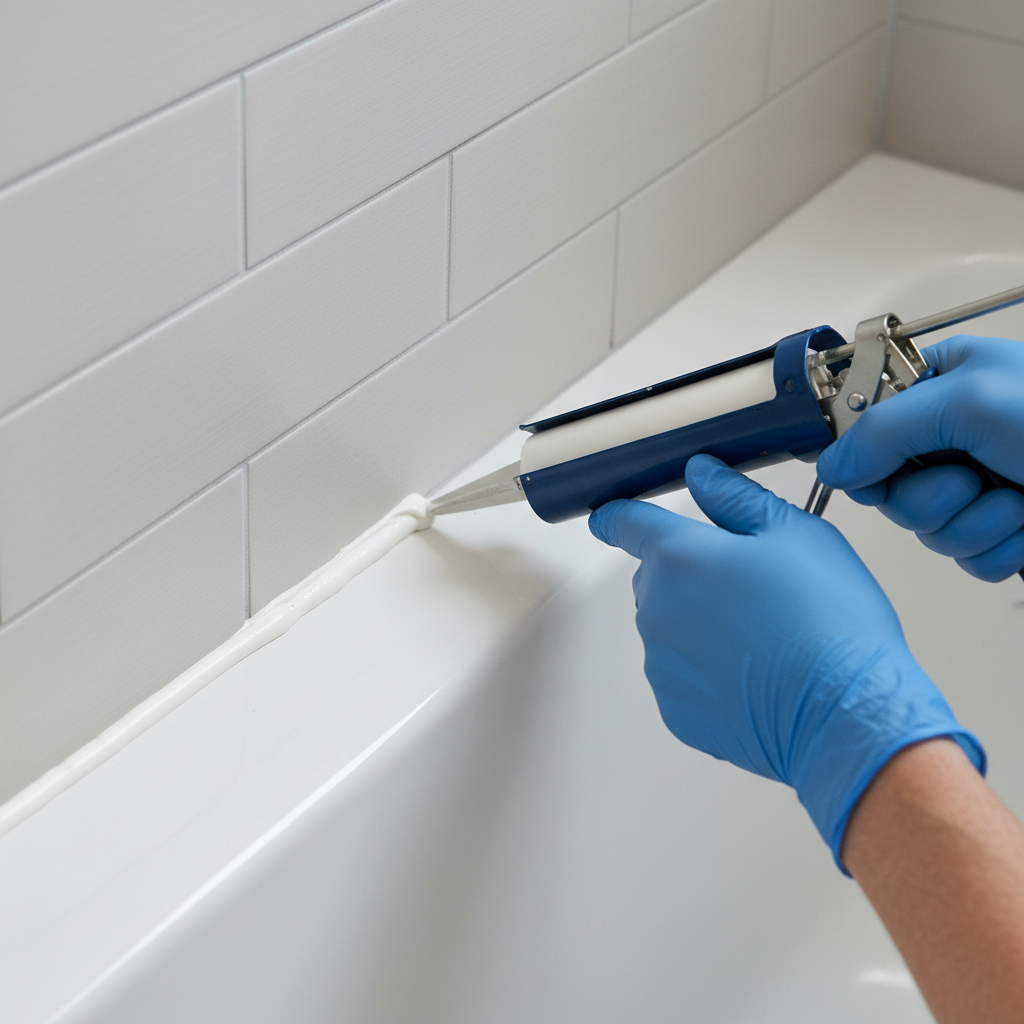
Tools & materials you'll need
Affiliate linksAs an Amazon Associate FixlyGuide earns from qualifying purchases — at no extra cost to you. Prices and availability are accurate as of publication and subject to change.
Quick Answer
Recaulking your bathtub, a task often underestimated, is a vital home maintenance step that directly impacts the longevity of your bathroom. The process involves meticulously removing all existing caulk, preparing the surface to be spotlessly clean and dry, and then applying a fresh, continuous bead of high-quality sealant. This simple yet critical procedure creates a waterproof barrier, preventing insidious water leaks that can lead to wood rot, drywall damage, and hazardous mold growth within your walls and subfloor. Done correctly, it protects your investment and maintains a hygienic bathroom environment.
The Problem
That seemingly small crack or discoloration in your bathtub caulk is more than just an aesthetic issue; it's an open invitation for water to seep into critical, unseen areas behind your tub and walls. This constant moisture exposure leads to a cascade of expensive and unhealthy problems. You might notice soft spots in your floor, peeling paint on your bathroom walls, or a persistent musty odor – all classic signs of water damage and mold proliferation. Old, cracked, or mildewed caulk simply cannot maintain a watertight seal, allowing water to penetrate the subfloor and wall cavities. Over time, this compromises the structural integrity of your home, creates a breeding ground for allergens, and can eventually necessitate costly repairs that far exceed the simple task of recaulking.
How It Works
Caulk functions as a flexible, waterproof gasket, filling the small gap between your bathtub and the surrounding wall or floor. When a bathtub is filled with water or someone steps in, it subtly shifts and flexes. The caulk must be able to stretch and contract with these minor movements without breaking its seal. Most modern bathtub caulks are either silicone-based or acrylic latex with silicone additives. Silicone caulk offers superior flexibility, water resistance, and longevity, making it ideal for high-moisture areas but can be harder to work with and paint over. Acrylic latex caulk is easier to apply and clean up with water, and it accepts paint, but it generally offers less flexibility and water resistance than 100% silicone. Regardless of type, the caulk adheres to both surfaces, creating a continuous barrier that sheds water back into the tub, preventing it from reaching porous building materials. Over time, exposure to harsh cleaning chemicals, temperature fluctuations, and the natural movement of the house can cause the caulk to lose its elasticity, crack, peel, or pull away, compromising this essential waterproof seal.
Step-by-Step Fix
Recaulking your bathtub is a meticulous but straightforward process. Take your time, especially during the preparation stages, as this is where most DIYers go wrong. Aim for a consistently dry bathroom for at least 24 hours before you start and 24-48 hours after you finish.
1. Clear the Deck – Remove Everything from the Tub Area
Remove all shampoo bottles, soaps, toys, and anything else resting on the tub edges or walls. This ensures a clear workspace and prevents accidental contamination of your new caulk. Wipe down any readily visible grime.
2. Slice and Dice – Cut Away Old Caulk with a Utility Knife
Carefully use a sharp utility knife or a specialized caulk removal tool to score along both edges of the existing caulk bead. Angle the knife slightly to get under the caulk. Work slowly and deliberately to avoid scratching the tub or tile. Focus on getting a clean cut through the caulk
Frequently asked questions
How often should I recaulk my bathtub?+
You should typically recaulk your bathtub every 3-5 years, or sooner if you notice visible signs of wear such as cracking, peeling, discoloration, or mildew growth. High-traffic bathrooms or those with poor ventilation may require more frequent recaulking.
What kind of caulk is best for bathtubs?+
For bathtubs, 100% silicone caulk is generally recommended due to its superior flexibility, water resistance, and mildew-inhibiting properties. Acrylic latex caulk with silicone additives is an alternative that's easier to clean up and paintable, but it may not last as long in high-moisture environments.
Do I need to remove all the old caulk?+
Yes, it is crucial to remove all of the old caulk before applying a new bead. Leaving old caulk behind can prevent the new caulk from adhering properly, leading to a weak, leaky seal and potential mold growth underneath the new layer.
How long does bathtub caulk need to dry before use?+
The drying time for bathtub caulk varies by product, but most silicone caulks require at least 12-24 hours before exposure to water. Acrylic latex caulks may cure faster, but always check the manufacturer's instructions for the specific drying and curing times to ensure a lasting seal.

Discussion
Loading comments…