Tools & materials you'll need
Affiliate linksAs an Amazon Associate FixlyGuide earns from qualifying purchases — at no extra cost to you. Prices and availability are accurate as of publication and subject to change.
Quick Answer
A running toilet is incredibly common and usually signals a minor issue within the tank's mechanics. The most frequent culprit is a worn-out or ill-fitting flapper valve, which fails to create a proper seal, allowing water to continuously trickle into the bowl. Another common cause is an incorrectly set or malfunctioning fill valve, leading to the tank overflowing into the overflow tube. While it sounds complex, most running toilet issues can be diagnosed and fixed by a homeowner in under 30 minutes with basic tools and parts costing as little as $2, often simply by replacing the flapper or making a simple adjustment to the float.
The Problem
You hear it: that constant, subtle hiss or gurgle, the toilet acting as if it's perpetually trying to refill. This isn't just an annoying sound; it's money literally going down the drain. A running toilet can waste hundreds of gallons of water per day, leading to significantly higher water bills and unnecessary strain on your home's septic or sewer system. Beyond the financial impact, the continuous flow can also wear down other components in your toilet, leading to more extensive and expensive repairs if left unaddressed. Identifying the exact cause quickly is key to a fast, affordable resolution.
How It Works
Understanding how your toilet tank operates is crucial to diagnosing a running toilet. When you flush, the handle lifts a chain connected to the flapper valve, a rubber or plastic stopper at the bottom of the tank. This flapper opens, allowing water from the tank to rush into the bowl, initiating the flush. As the tank empties, the flapper settles back into its sealed position, creating a watertight barrier. Simultaneously, the float mechanism (either a ball float on an arm or a cylinder around the fill valve) drops with the water level. This drop triggers the fill valve to open, allowing fresh water to flow from your home's supply line, refilling the tank. As the water level rises, the float rises with it. Once the water reaches the predetermined fill line, the float's upward movement signals the fill valve to close, stopping the water flow. A smaller amount of water also flows through the refill tube into the overflow tube, refilling the toilet bowl after the flush. If any part of this delicate dance goes awry – if the flapper doesn't seal, the float doesn't properly signal, or the fill valve leaks – water will continue to run, endlessly trying to achieve a full tank or seeping past the flapper into the bowl.
Step-by-Step Fix
1. Identify the Source of the Leak – The first step to fixing a running toilet is to pinpoint exactly where the water is escaping.
Turn off the water supply valve usually located behind the toilet at the wall. Remove the tank lid. Listen closely. Do you hear a hiss or rush of water into the tank or bowl? Apply a few drops of food coloring to the water in the tank. Wait 15-20 minutes without flushing. If color appears in the bowl, your flapper valve is the culprit. If no color appears in the bowl, but you hear water running into the overflow tube, the fill valve or float mechanism is the issue.
- Safety Note: Always turn off the water supply before tinkering inside the toilet tank to prevent accidental flooding.
2. Check the Flapper Seal – A worn or misaligned flapper is the most common reason for a running toilet.
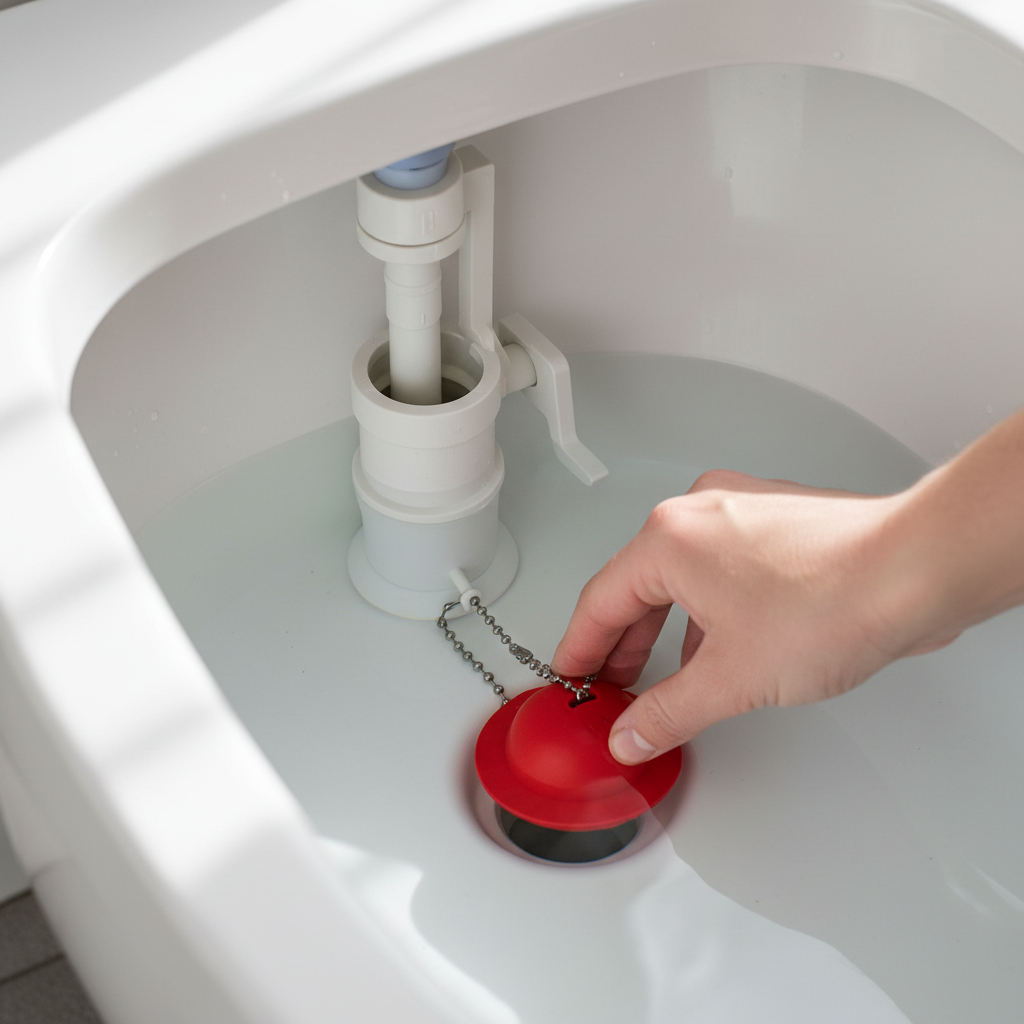
Carefully inspect the rubber flapper valve at the bottom of the tank. Look for any signs of wear, cracks, or hardened rubber. Ensure it's seating properly over the flush valve opening. Sometimes, mineral deposits can build up on the flapper or the flush valve seat, preventing a good seal. Gently clean these surfaces with a soft brush and vinegar or a non-abrasive cleaner. If the flapper looks damaged or brittle, it needs replacement.
3. Inspect the Flapper Chain – An improperly adjusted flapper chain can prevent the flapper from closing fully.
Observe the chain connecting the flush handle to the flapper. If the chain is too short, it can hold the flapper slightly open. If it's too long, it can get caught under the flapper, preventing a seal. There should be just a small amount of slack (about 1/2 inch) when the flapper is closed. Adjust the chain's length by hooking it to a different link if necessary. Ensure the chain isn't tangled.
4. Adjust the Fill Valve Float – An incorrectly set float can cause the tank to overfill, sending water down the overflow tube.
If water is flowing into the overflow tube (the tall, open pipe in the middle of the tank), your fill valve's float is likely set too high. Most modern fill valves have a float cup that slides up and down a central shaft. Look for an adjustment screw or a clip on the float cup's arm or shaft. Lower the float slightly so that the water level stops approximately 1 inch below the top of the overflow tube when the tank is full. Turn the water supply back on to test the new water level.
5. Replace the Flapper Valve – If the food coloring test showed a leak into the bowl or your flapper is visibly damaged, replacement is necessary.
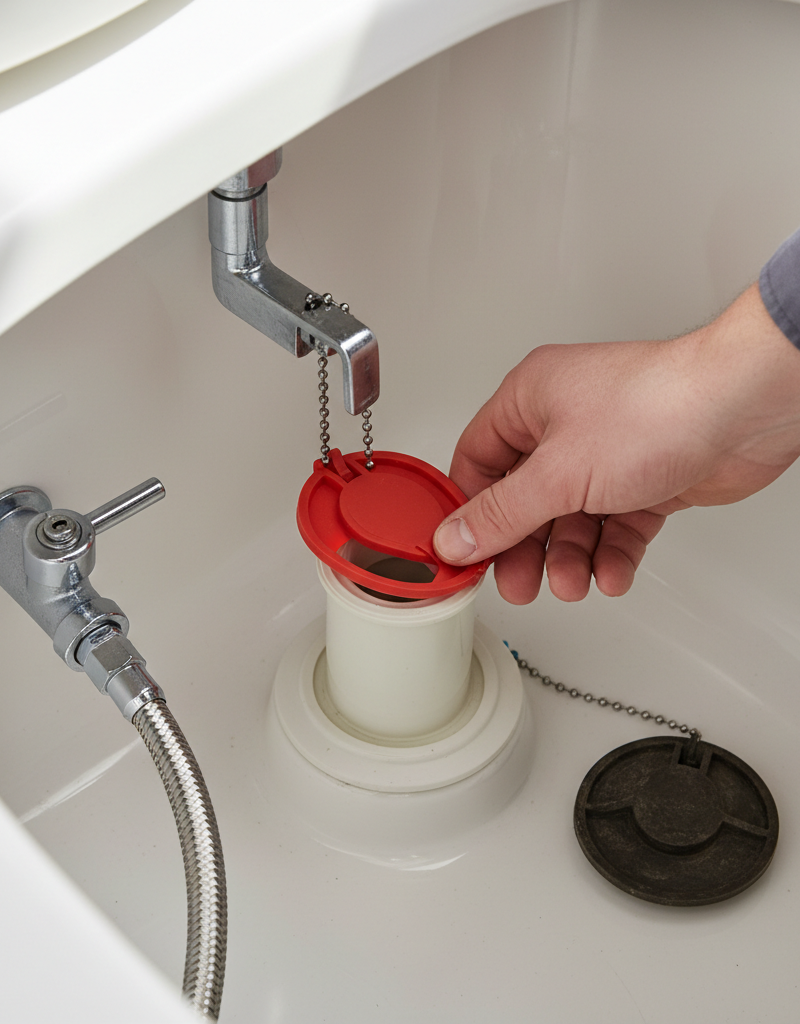
First, turn off the water supply valve and flush the toilet to empty the tank. Disconnect the old flapper from the overflow tube ears (usually small plastic pins) and unhook the chain from the flush handle lever. Take the old flapper with you to the hardware store to ensure you purchase a compatible replacement. Install the new flapper by reversing the removal steps, securing its 'ears' to the flush valve and attaching the chain to the flush handle lever, ensuring proper slack.
- Tools: Bucket, sponges/rags (for residual water), new flapper valve (specific to your toilet's make/model if possible, or a universal fit).
- If this doesn't work: Even with a new flapper, some older flush valve seats can be pitted or corroded, preventing a perfect seal. In rare cases, the flush valve itself may need replacement, a more involved repair best left to professionals.
6. Shorten the Fill Valve Refill Tube – Sometimes, the refill tube dumps too much water into the overflow tube.
If the refill tube (the small flexible hose that connects the fill valve to the overflow tube) is inserted too far down the overflow tube, or if its flow is too strong, it can siphon water out of the tank or continuously run. Ensure the refill tube's end is just above the water line or clip it if it's submerged. Some modern fill valves have an adjustable flow restrictor on this tube. If the tube is too long, gently trim it with scissors so it sits a few inches above the water line.
7. Replace the Fill Valve – If adjusting the float doesn't stop the running and water is still overflowing, the fill valve itself might be faulty.
This is a more advanced task. Turn off the water supply and drain the tank and bowl. Disconnect the water supply line from the bottom of the fill valve. Use a basin wrench to unscrew the large nut holding the fill valve in place under the tank. Remove the old fill valve. Install the new fill valve, ensuring the rubber washer creates a good seal inside the tank. Tighten the retaining nut by hand, then a quarter turn with the basin wrench. Reconnect the supply line (hand-tighten first, then a quarter turn with pliers) and turn the water back on, checking for leaks.
- Tools: Basin wrench, adjustable wrench, new fill valve kit.
- Safety Note: Overtightening connections can crack porcelain or strip threads, leading to leaks. Tighten until snug, then just a little more.
- If this doesn't work: After replacing the fill valve, if the toilet still runs, the issue might be with unusually high water pressure in your home or a defect in the toilet bowl itself allowing water to seep through. Consult a plumber.
Common Causes
- Worn Flapper Valve: The most frequent culprit. Over time, rubber flappers degrade, become stiff, or develop cracks, preventing them from forming a watertight seal against the flush valve seat. This allows water to leak continuously from the tank into the bowl.
- Incorrectly Adjusted or Faulty Fill Valve/Float: If the float is set too high, the fill valve will allow the tank to overfill, causing water to constantly run into the overflow tube. Alternatively, the fill valve itself might be internally damaged or clogged, failing to shut off even when the tank reaches the correct level.
- Problem with the Flapper Chain: A chain that is too short can hold the flapper slightly open, while a chain that is too long can get tangled underneath the flapper, both leading to an incomplete seal and continuous water flow.
- Sediment or Mineral Buildup: Hard water can leave mineral deposits on the flapper or the flush valve seat, creating an uneven surface that prevents the flapper from sealing correctly.
- Damaged Flush Valve Seat: The rim at the bottom of the tank where the flapper rests, known as the flush valve seat, can become pitted, chipped, or corroded over time, preventing the flapper from forming a perfect seal even if the flapper itself is new.
- Waterlogged Float Ball (Older Toilets): In older toilets with a traditional float ball, the ball can develop a leak and fill with water, causing it to sink instead of float. This keeps the fill valve open, making the toilet run constantly.
Common Mistakes
- Ignoring the Sound: Many homeowners get used to the sound of a running toilet, dismissing it as a minor annoyance. This leads to excessive water waste and potential premature wear on other toilet components.
- Assuming All Running Toilets Are the Same: Not every running toilet is a flapper issue. Failing to diagnose the correct source (flapper vs. fill valve) can lead to unnecessary purchases and fixes that don't solve the problem.
- Using the Wrong Replacement Flapper: Toilets come in various designs. Buying a universal flapper that doesn't fit your toilet's specific flush valve design can result in an ineffective seal and continued running. Always try to match the brand and model or measure carefully.
- Overtightening Components: When replacing a fill valve or reconnecting the water supply, overtightening plastic or brass nuts can cause cracks in the toilet tank or strip threads, leading to severe leaks that require professional help.
- Not Completely Draining the Tank First: Attempting to replace a flapper or fill valve without first turning off the water supply and flushing to empty the tank will result in a messy flood.
- Forgetting About the Refill Tube: The small refill tube’s position is critical. If it’s too far down the overflow tube or disconnected, it can cause the toilet to run or not refill the bowl adequately, leading to weak flushes.
Cost & Time Breakdown
| Task | DIY Cost | Pro Cost | Time |
|---|---|---|---|
| Diagnose Issue | $0 | $75–$150 (service fee) | 5–10 minutes |
| Replace Flapper | $2–$10 | $75–$150 | 10–15 minutes |
| Adjust Fill Valve/Float | $0 | Included in service | 5–10 minutes |
| Replace Fill Valve | $15–$30 | $150–$250 | 30–60 minutes |
| Clean Flush Valve Seat | $0 (with cleaners) | Included in service | 5 minutes |
| Adjust Flapper Chain | $0 | Included in service | 2 minutes |
Tips & Prevention
- Annual Flapper Inspection: Once a year, remove your tank lid and visually inspect the flapper for signs of wear, brittleness, or mineral buildup. Replace it proactively if it looks compromised.
- The Food Coloring Test: Perform the food coloring test twice a year as a quick diagnostic to catch silent leaks early, before they rack up significant water waste.
- Maintain Proper Water Level: Ensure your toilet's water level consistently sits about 1 inch below the top of the overflow tube. An adjustable fill valve makes this easy to manage.
- Clean Regularly: Periodically clean the inside of your toilet tank, especially the flush valve seat and flapper, to prevent mineral and grime buildup that can compromise seals.
- Consider a Quality Fill Valve: If replacing a fill valve, invest in a reputable brand with a good warranty. Higher-quality components often last longer and perform more reliably.
- Check Water Pressure: If running toilets are a recurring issue across multiple fixtures, consider checking your home’s water pressure. Excessively high water pressure (above 80 PSI) can prematurely wear out toilet components. A pressure regulator may be necessary.
When to Call a Professional
While many running toilet issues are DIY-friendly, there are specific situations where calling a licensed plumber is the smartest course of action. If you've replaced the flapper and fill valve and the toilet continues to run, there might be a more complex underlying issue, such as a cracked flush valve assembly beneath the tank or a problem with the toilet's internal siphon jet, which often requires specialized tools and expertise. Similarly, if you notice water leaking from the base of the toilet, signs of damage to the porcelain tank or bowl, or if you are dealing with persistent high-water bills even after attempted fixes, it's time to bring in a professional. Plumbers can diagnose subtle leaks, address issues with water pressure regulators, or handle complete toilet replacements efficiently and safely, preventing further damage and ensuring proper long-term function.
Frequently asked questions
Why does my toilet keep running after I flush it?+
The most common reason a toilet keeps running after flushing is a faulty flapper valve that isn't sealing properly, allowing water to continuously leak from the tank into the bowl. It could also be an issue with the fill valve not shutting off due to a high float setting or internal defect.
How much does it cost to fix a running toilet?+
The cost to fix a running toilet can be as little as $0 if you simply need to adjust the float or flapper chain. Replacing a flapper valve typically costs $2-$10 for parts. If you need to replace the entire fill valve, parts usually range from $15-$30. A professional plumber might charge $75-$250, including parts and labor.
Can a running toilet fix itself?+
No, a running toilet will not fix itself. The underlying mechanical issue, such as a worn-out flapper or a misadjusted fill valve, will persist until it is manually addressed. Ignoring it will only lead to wasted water and potentially higher water bills.
How do I know if it's the flapper or the fill valve?+
Perform a food coloring test. Add a few drops of food coloring to the tank water and wait 15-20 minutes without flushing. If color appears in the bowl, the flapper is leaking. If no color appears in the bowl but you hear water running into the overflow tube (the tall pipe in the center of the tank), the fill valve or float mechanism is the problem.
Discussion
Loading comments…