Tools & materials you'll need
Affiliate linksAs an Amazon Associate FixlyGuide earns from qualifying purchases — at no extra cost to you. Prices and availability are accurate as of publication and subject to change.
Quick Answer
When your washing machine leaks from the bottom, it's usually due to a readily fixable issue such as loose hose connections, a clogged drain, or a worn-out pump or seal. Before panicking, check the simple things first, as many leaks can be stopped with a quick adjustment or replacement of an inexpensive part.
The Problem
You discover a puddle of water under your washing machine, or perhaps even a continuous drip during a wash cycle. This can be alarming, potentially causing floor damage or indicating a larger issue with the appliance. Identifying the source of the leak is the first step to a successful repair.
Step-by-Step Fix
Safety Note: Always unplug your washing machine from the electrical outlet and shut off the water supply before attempting any inspection or repair to prevent electric shock and further water damage.
-
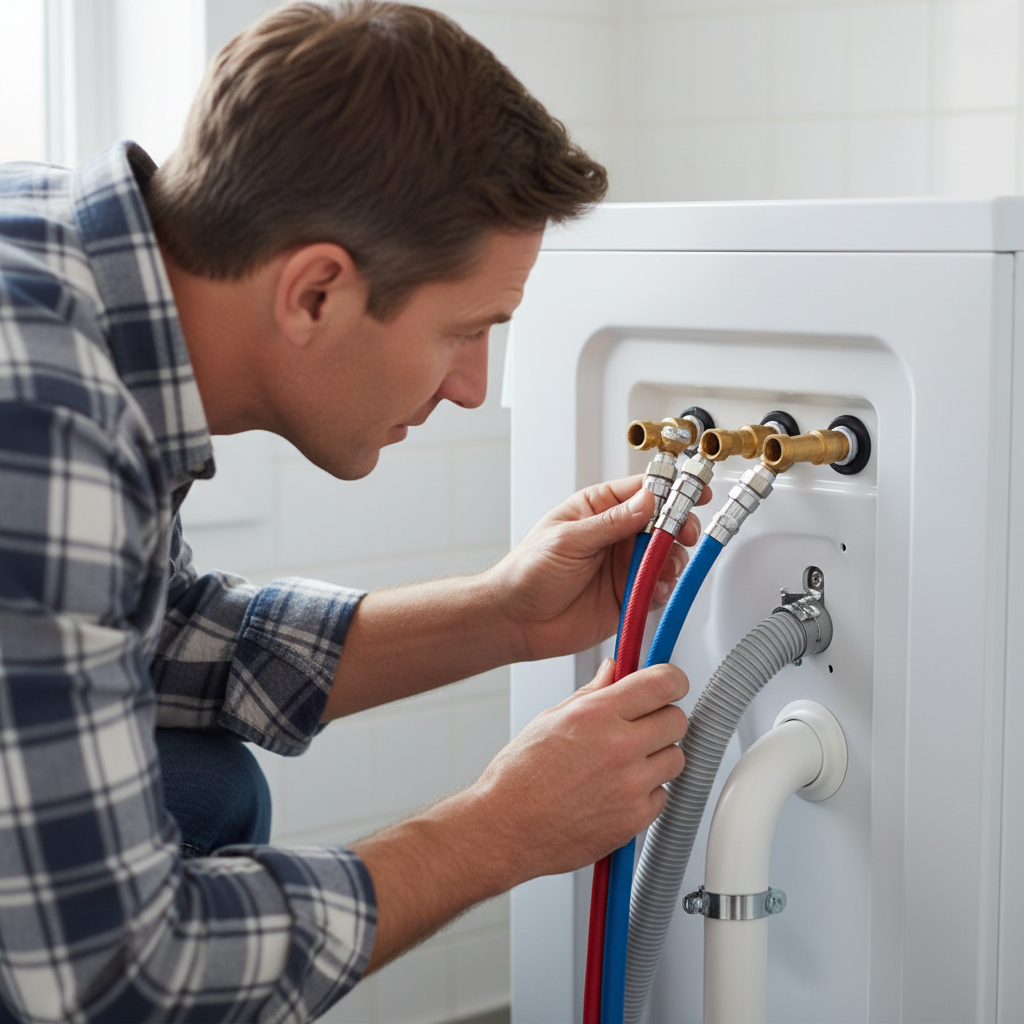
Pull Out and Inspect Hoses: Gently pull your washing machine away from the wall. Visually inspect both the hot and cold water supply hoses connected to the back of the washer. Tug on them gently to see if they are loose at the connection points. Also, check the drain hose where it connects to the back of the washer and where it enters your standpipe or utility sink. Look for any visible cracks, bulges, or signs of wear on all hoses.
-
Tighten Loose Connections: If you find any loose supply hose connections, use an adjustable wrench to carefully tighten them. Do not overtighten, as this can strip the threads or crack the plastic. For drain hose connections, ensure the clamp is secure. If the drain hose is simply sitting in a standpipe, ensure it's properly seated and not too far down, which can create a siphon effect and overflowing.
-
Inspect and Clear the Drain Hose: Remove the drain hose from the standpipe or utility sink. Inspect the end for any clogs from lint, soap scum, or foreign objects. If clear, gently blow through the hose to check for blockages further inside. If blocked, you may need to snake it or replace the hose entirely.
-
Check Internal Hoses (Front-Loaders): For front-loading machines, a common leak source is the large rubber boot gasket around the door opening. Open the door and inspect the gasket for tears, holes, or trapped foreign objects (like socks or coins). Clean any debris you find. If the gasket is damaged, it will need to be replaced.
-
Examine the Water Pump Area: If the leak persists and isn't from the hoses or door seal, the issue might be with the water pump or its seals. This is a more involved repair. You will likely need to tilt the machine back or lay it on its side (consult your owner's manual for safe positioning). The pump is usually located at the bottom front or side. Look for visible drips or corrosion around the pump housing and its connections. If you suspect the pump, it's often best to call a professional.
Common Causes
- Loose or Damaged Supply Hoses: Over time, vibrations can loosen connections, or hoses can degrade and crack.
- Clogged or Improperly Seated Drain Hose: Lint and debris can build up, or the hose can slip too far into the drain, causing backflow.
- Worn Door Gasket/Boot (Front-Loaders): Tears or debris in the rubber seal around the door can lead to leaks.
- Failing Water Pump: The pump itself or its internal seals can wear out, causing water to escape during the drain cycle.
- Loose Internal Hose Clamps: Hoses inside the machine can similarly loosen or crack.
Tips & Prevention
- Regular Hose Inspection: Periodically check your water supply hoses for cracks, bulges, and tight connections. Consider replacing rubber hoses with braided stainless steel hoses every 5 years.
- Clean Drain Filter: Many washers have a small drain filter accessible from the front or bottom. Clean this regularly to prevent clogs that can back up water.
- Don't Overload: Overloading the washer can sometimes lead to imbalances that stress internal components and connections, potentially causing leaks.
- Level Your Machine: Ensure your washing machine is level to reduce vibrations that can loosen connections.
When to Call a Professional
If you've checked all external connections, cleaned the drain hose, and inspected the door gasket without success, or if you suspect the leak is coming from the internal pump, motor, or tub seals, it's time to call a qualified appliance repair technician. Attempting complex internal repairs without proper experience can lead to further damage or injury.
Frequently asked questions
Why is my washing machine leaking water from the bottom?+
The most common reasons for a washing machine to leak from the bottom include loose or damaged supply hoses, a clogged or improperly seated drain hose, or a failing water pump or its seals. Internal hose clamps can also loosen over time.
Can I fix a washing machine leak myself?+
Many common washing machine leaks, especially those from external hoses or a clogged drain, can be fixed by a homeowner with basic tools. More complex internal issues, like a faulty pump or tub seal, often require a professional.
How often should I replace washing machine hoses?+
It's recommended to inspect your washing machine hoses annually and replace standard rubber hoses with new ones or braided stainless steel hoses every 3-5 years, even if they show no visible signs of wear, to prevent unexpected leaks.
Discussion
Loading comments…