Tools & materials you'll need
Affiliate linksAs an Amazon Associate FixlyGuide earns from qualifying purchases — at no extra cost to you. Prices and availability are accurate as of publication and subject to change.
"""""
Quick Answer
That musty, mildew-like smell from your bathroom fan is caused by a buildup of mold and bacteria feeding on trapped dust and moisture. When you run the fan, it blows these odor particles into your bathroom. The root cause is often inadequate ventilation, condensation within cold ductwork, or a blockage preventing moist air from being fully exhausted to the outdoors.
The Problem
You flip the switch after a steamy shower, expecting the bathroom fan to clear the air. Instead, a wave of musty, earthy odor fills the room—like a damp basement or old laundry. It’s counterintuitive; the device meant to remove moisture and odors is instead creating a new, unpleasant one. This smell is more than just a nuisance. It’s a clear signal that the ventilation system itself has a problem. The odor indicates that mold, mildew, and bacteria are likely growing somewhere within the fan assembly or its connecting ductwork. When the fan activates, it aerosolizes these organic particles, distributing them throughout the very room you’re trying to keep clean and dry. Ignoring this issue allows the root cause—excess moisture—to persist, potentially leading to more significant mold problems in your ceiling, attic, or walls, and posing a risk to indoor air quality.
How It Works
Understanding your bathroom exhaust fan as a complete system is key to diagnosing the source of the smell. It’s not just the grille you see in the ceiling; it’s a multi-part system designed to perform a specific task: air exchange. Its job is to create negative pressure in the bathroom, pulling the warm, humid air created by showers and baths out of the house before it can condense on surfaces or penetrate walls.
- The Fan Assembly: Housed within a metal box in your ceiling is the core of the unit. It consists of an electric motor and an impeller (the spinning part with blades, often called a "squirrel cage"). When you flip the switch, the motor spins the impeller at high speed. The shape of these blades is engineered to draw air up from the bathroom into the housing.
- CFM Rating: Every fan has a CFM (Cubic Feet per Minute) rating, which measures the volume of air it can move. A standard 50 CFM fan might be fine for a small powder room, but a larger master bathroom with a shower requires a fan rated for 110 CFM or more to effectively exchange the air and remove humidity.
- The Ductwork: This is the unseen highway for the exhausted air. From the fan housing, a 4-inch or 6-inch diameter duct—either flexible and ribbed or smooth-walled and rigid—snakes through your ceiling joists and/or attic. Its job is to transport the moist air from the fan to the exterior of your home. Crucially, if this duct runs through a cold space like an attic, it should be insulated. Without insulation, the warm, moist air from the shower rapidly cools inside the duct, causing condensation. Water droplets form, pool in low spots, and create a perfect breeding ground for mold.
- The Exterior Vent Cap: The ductwork terminates at an outlet on your roof or a side wall. This outlet is covered by a vent cap. The cap is designed to let air out while preventing rain, snow, and pests from getting in. Most caps have a small, hinged flap or "damper" that is pushed open by the force of the exiting air and closes by gravity when the fan is off. If this damper gets stuck shut with debris, lint, or ice, the moist air has nowhere to go. It gets trapped in the ductwork, where it condenses and feeds the musty odor you smell.
When this system works perfectly, moisture is whisked away. But a failure at any point—a dusty impeller, a sagging duct, or a stuck damper—disrupts the process and turns your ventilation system into a source of odor.
Step-by-Step Fix
This process involves deep cleaning the entire fan system. It requires basic tools and about an hour of your time. If you are not comfortable working with electricity or on a ladder, call a professional.
SAFETY FIRST: CUT THE POWER
Before you do anything else, go to your home's main electrical panel and turn off the circuit breaker that controls the bathroom fan. The switch on the wall is not enough. After flipping the breaker, return to the bathroom and flip the fan switch to confirm it does not turn on. For an extra layer of safety, use a non-contact voltage tester to ensure no current is flowing to the fan unit.
- Tools/Safety: Non-contact voltage tester, safety glasses, dust mask.
-
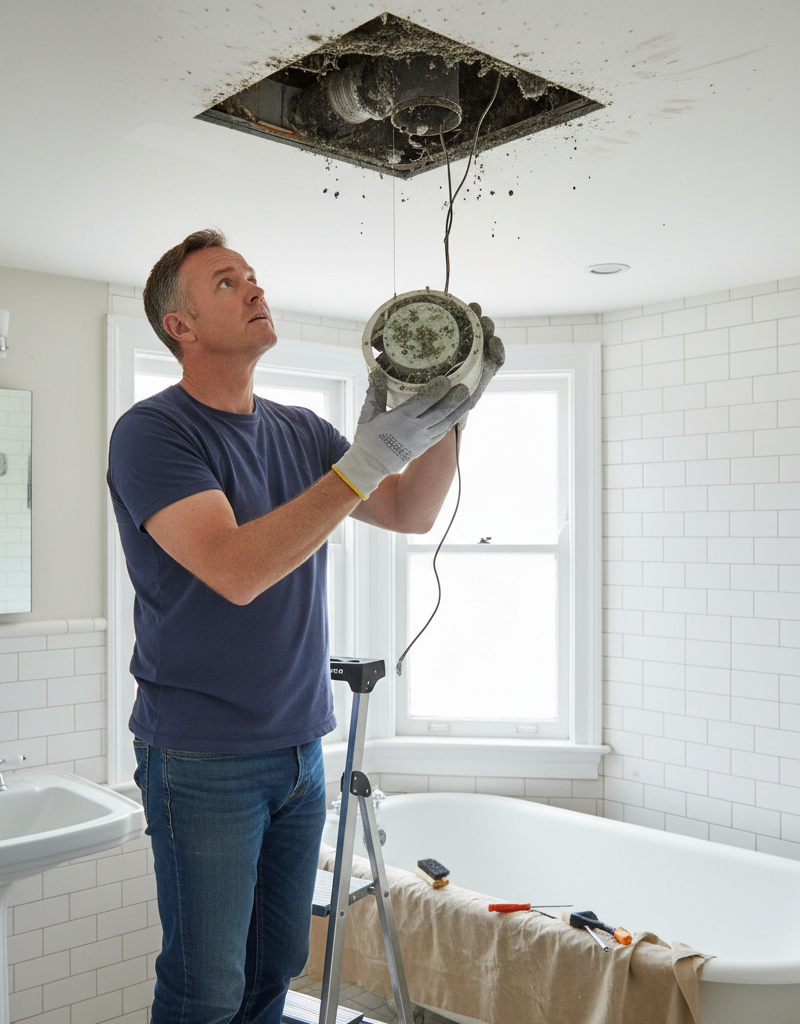
Remove the Fan Grille — The grille, or cover, is typically held in place by two V-shaped metal spring clips. Pull the grille down gently from the ceiling by about an inch. You'll feel the resistance from the clips. Squeeze the clips together with your fingers and maneuver them out of the slots in the fan housing. Be careful not to let the grille snap back and pinch your fingers.
-
Deep Clean the Grille — Take the grille to a sink or tub. It's likely covered in a sticky layer of dust and grime. Use a soft brush (an old toothbrush works well) and warm, soapy water to scrub it clean. For stubborn-on mildew, a solution of one part white vinegar to one part water can be effective. Rinse it thoroughly and set it aside to dry completely.
-
Unplug and Remove the Motor Assembly — Look inside the fan housing. You will see the motor and the attached impeller. The motor will be plugged into a small receptacle inside the housing. Unplug this electrical connection. Now, locate the screws that secure the motor plate to the housing—there are usually one or two. Remove these screws, and the entire motor/impeller assembly should drop down for removal.
-
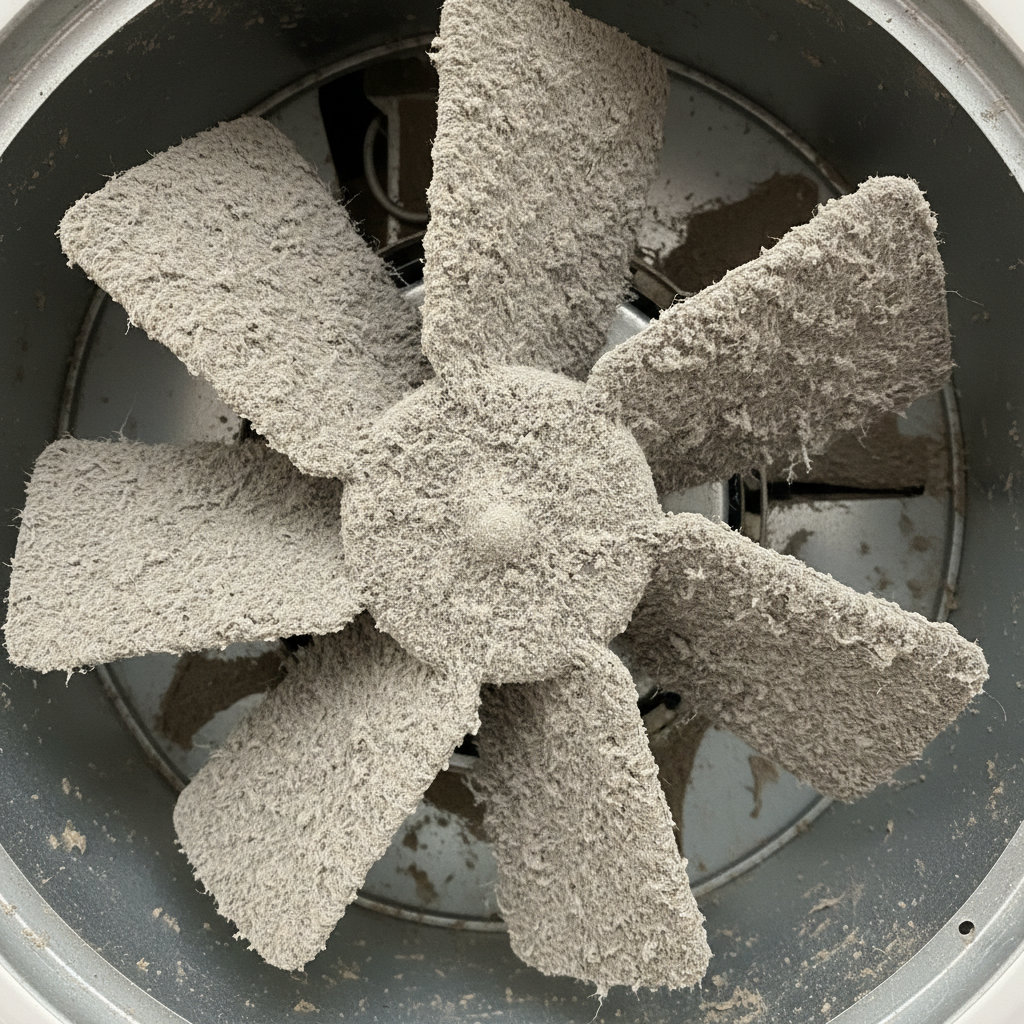
Clean the Fan Motor and Impeller — This is where the bulk of the odor-causing gunk resides. The impeller blades are a magnet for dust, which turns into a thick, musty paste when combined with humidity. Use a stiff-bristled brush and a vacuum with a brush attachment to remove all visible debris from the impeller cage. A can of compressed air is excellent for blowing out fine dust from between the blades and from within the motor's ventilation slots. Wipe the motor casing and bracket with a slightly damp cloth, but do not get water inside the motor itself.
-
Clean the Fan Housing — With the motor removed, you have clear access to the inside of the housing in the ceiling. Use your vacuum and its crevice tool to remove all the dust, cobwebs, and debris. Then, wipe down all interior surfaces with a cloth dampened with your cleaning solution (soapy water or the vinegar mix). Crucially, you must dry the housing completely with a clean, dry rag or paper towels before re-installing the fan.
-
Inspect the Duct Connection — Shine a bright flashlight into the duct where it attaches to the fan housing. Look for any visible obstructions, like a bird's nest or a heavy buildup of lint. Note the condition of the duct. If you see sagging or kinks in a flexible duct, that could be a source of trapped moisture.
-
Check the Exterior Vent Cap — Outside your house (either on a side wall or the roof), locate the ventilation exit. Ensure the damper flap moves freely. Sometimes they get painted shut, clogged with lint, or blocked by landscaping. Clear away any obstructions you find to ensure air can escape.
-
Reassemble the Fan — Re-installation is the reverse of removal. Carefully guide the motor assembly back into the housing and secure it with its screws. Plug the motor's electrical cord back into the receptacle—you should feel a click. Squeeze the spring clips on the clean, dry grille and insert them back into their slots in the housing, then push the grille flush against the ceiling.
-
Restore Power and Test — Go back to the electrical panel and turn the breaker back on. Flip the wall switch and listen. The fan should run more quietly and sound more powerful. To confirm it’s working, you can do a simple "tissue test": hold a square of toilet tissue up to the grille. If the fan holds it in place, it’s pulling air effectively.
Common Causes
The musty smell is a symptom of a few potential root problems, all revolving around moisture and a lack of proper airflow.
- Dust and Debris Buildup: This is the most common cause. Over time, the fan’s impeller blades accumulate a thick layer of household dust. When you introduce steam and humidity from a shower, this dust becomes a damp, organic medium perfect for mold and mildew to thrive.
- Condensation in the Ductwork: When warm, humid bathroom air is pushed through a duct running through a cold attic or crawlspace, condensation occurs. The water vapor turns back into liquid water, which can pool in any low spots or sags in flexible ducting, creating a stagnant, smelly swamp inside the pipe.
- Blocked or Kinked Ducting: A flexible duct that is kinked, crushed, or has a significant sag creates a low point where moisture and dust collect. Similarly, a bird or rodent building a nest inside the duct or at the exterior vent cap can completely block airflow, trapping all the moisture inside.
- Stuck Exterior Damper Flap: The flap on the outside vent cap can get stuck closed due to ice, lint buildup, or even paint. When this happens, the fan is essentially blowing air into a dead end. The moist air has no escape route and circulates within the duct, condensing and causing odors.
- Undersized Fan (Low CFM): If the fan isn’t powerful enough for the size of your bathroom, it can’t remove humidity fast enough. The bathroom remains damp for extended periods after a shower, allowing mildew to grow not just in the fan but on walls and ceilings, contributing to the overall musty environment.
- Improper Duct Termination: In a shocking number of cases, builders cut corners and terminate the bathroom fan duct directly into the attic space instead of running it to the exterior. This pumps all the warm, moist air directly into your attic, where it can cause widespread mold growth on rafters and sheathing, as well as wood rot. The musty smell is then pulled back into the bathroom when the fan runs.
Common Mistakes
When trying to solve a musty fan smell, homeowners can inadvertently make the problem worse or fail to solve it completely. Avoid these common errors.
- Only Cleaning the Grille: Just wiping down the visible cover does nothing. The source of the smell is almost always deeper inside, on the impeller and within the housing and duct.
- Using Harsh Chemicals: Avoid spraying bleach or aggressive chemical cleaners directly into the fan housing or onto the motor. These can damage the plastic components, corrode metal parts, and harm the motor’s electrical windings.
- Not Letting Components Dry Completely: Reassembling the fan while the grille or housing is still damp reintroduces the very moisture you’re trying to eliminate, giving mold an immediate head start.
- Forgetting to Check the Exterior Vent: Many people do a thorough job cleaning the fan unit itself but forget the final exit point. A clogged exterior vent cap will cause the problem to return almost immediately.
- Ignoring Duct Problems: If you clean the fan but the smell returns quickly, the issue likely lies within the ductwork (condensation or blockages). Simply cleaning the fan unit is a temporary fix for a larger system problem.
- Replacing the Fan with the Same Undersized Model: If your old 50 CFM fan couldn't keep the bathroom dry, replacing it with another 50 CFM model won't solve the underlying humidity problem. You need to upgrade to a fan with a higher CFM rating appropriate for your bathroom's square footage.
Cost & Time Breakdown
Fixing a smelly bathroom fan is one of the most cost-effective DIY projects you can do, with a high return in comfort and air quality. The costs can increase if you need to replace the entire unit or hire a professional for ductwork issues.
| Task | DIY Cost | Pro Cost | Time |
|---|---|---|---|
| Thorough Fan Cleaning | $5 - $20 (cleaners, brushes) | $125 - $250 | 1-2 hours |
| Replacing Fan Motor | $40 - $90 | $200 - $400 | 1 hour |
| Replacing Entire Fan Unit | $50 (basic) - $300 (quiet/feature-rich) | $300 - $600 | 2-4 hours |
| Repairing/Replacing Duct Section | $25 - $75 | $250 - $500+ | 2-5 hours |
| Clearing Exterior Vent Cap | $0 | Part of service call | 15 minutes |
Tips & Prevention
Once your fan is clean and odor-free, keep it that way with these preventative habits.
- Run the Fan Longer: Don't turn the fan off as soon as you step out of the shower. Let it run for a full 20-30 minutes afterward to ensure all residual humidity has been completely exhausted from the room and the ductwork.
- Install a Timer Switch: The best way to ensure the fan runs long enough is to replace the standard wall switch with a countdown timer switch. They are inexpensive and easy to install. Set it for 30 or 60 minutes when you start your shower.
- Perform a Quick Clean Every 6 Months: You don't need to do a full deep clean every time. Twice a year, pop the grille off and use a vacuum with a brush attachment to clear out any light dust from the housing and impeller before it has a chance to build up.
- Keep the Grille Unobstructed: Ensure the fan grille is not blocked by dust or paint. Blocked airflow reduces a fan’s effectiveness and increases the likelihood of moisture buildup.
- Monitor Bathroom Humidity: Use an inexpensive digital hygrometer to monitor your bathroom’s relative humidity. A properly functioning fan should be able to bring the humidity level below 50-55% within 30 minutes of a shower.
When to Call a Professional
While cleaning the fan is a straightforward DIY task, there are situations where calling an electrician or an HVAC technician is the safest and most effective course of action.
Safety Note: Never attempt to work on active wiring. If you suspect an electrical problem with the motor, switch, or house wiring, call a licensed electrician immediately. For issues involving natural gas appliances or main plumbing stacks, always defer to a licensed professional.
Call a pro if you encounter any of the following:
- You suspect the duct terminates in the attic: If you run the fan and can feel air blowing into your attic space, this is a serious construction defect that needs to be corrected by an HVAC professional. They will need to properly route the duct to the exterior of the house.
- The odor persists after a thorough cleaning: If you’ve cleaned the fan unit, housing, and exterior vent but the smell returns quickly, you likely have a significant mold colony or blockage deep within the ductwork that you can't reach.
- Electrical issues: If the fan hums but doesn't spin, trips the breaker, or you see any signs of burnt or melted wires, do not use it. An electrician needs to diagnose the fault.
- The exterior vent is inaccessible: If your vent is on a high-pitched roof or a second-story wall that you can't safely access, hire a handyman or roofing professional to inspect and clear it for you.
- You want to upgrade to a larger fan: This can sometimes involve enlarging the hole in the ceiling and securing the new, heavier housing to joists. If you aren’t comfortable with this light carpentry and electrical work, a pro can do it quickly and safely. """""", meta_title=
Frequently asked questions
Can a smelly bathroom fan be a health hazard?+
Yes, it can. The musty smell is caused by mold and mildew, which can release spores into the air. Inhaling these spores can trigger allergic reactions, asthma attacks, and other respiratory issues in sensitive individuals.
How often should I clean my bathroom fan?+
A deep clean, including the motor and housing, should be done annually. A quicker vacuuming of the grille and impeller area should be performed every 6 months to prevent significant dust buildup.
Why does the smell only happen when the fan is running?+
The mold and mildew are always present in the fan housing or ductwork. When the fan is off, the air is stagnant. Turning the fan on creates airflow that picks up the odor-causing particles and blows them into the bathroom, making the smell noticeable.
Is it better to repair or replace a smelly bathroom fan?+
If the fan is simply dirty, a thorough cleaning is all that's needed. If the fan is old, noisy, undersized for the room, or the motor is failing, it's more cost-effective and beneficial in the long run to replace the entire unit with a modern, quieter, and more powerful model.

Discussion
Loading comments…