Tools & materials you'll need
Affiliate links- AmazonSiliconized Acrylic Latex Caulk1 tube · For sealing air leaks around interior window trim.
As an Amazon Associate FixlyGuide earns from qualifying purchases — at no extra cost to you. Prices and availability are accurate as of publication and subject to change.
Quick Answer
Condensation on the inside of your windows means there is too much moisture, or humidity, in your indoor air. When this warm, moist air comes into contact with the cold surface of the new window glass, the water vapor turns back into liquid water. This is most common in winter and indicates an issue with indoor humidity levels, not necessarily a problem with the windows themselves.
The Problem
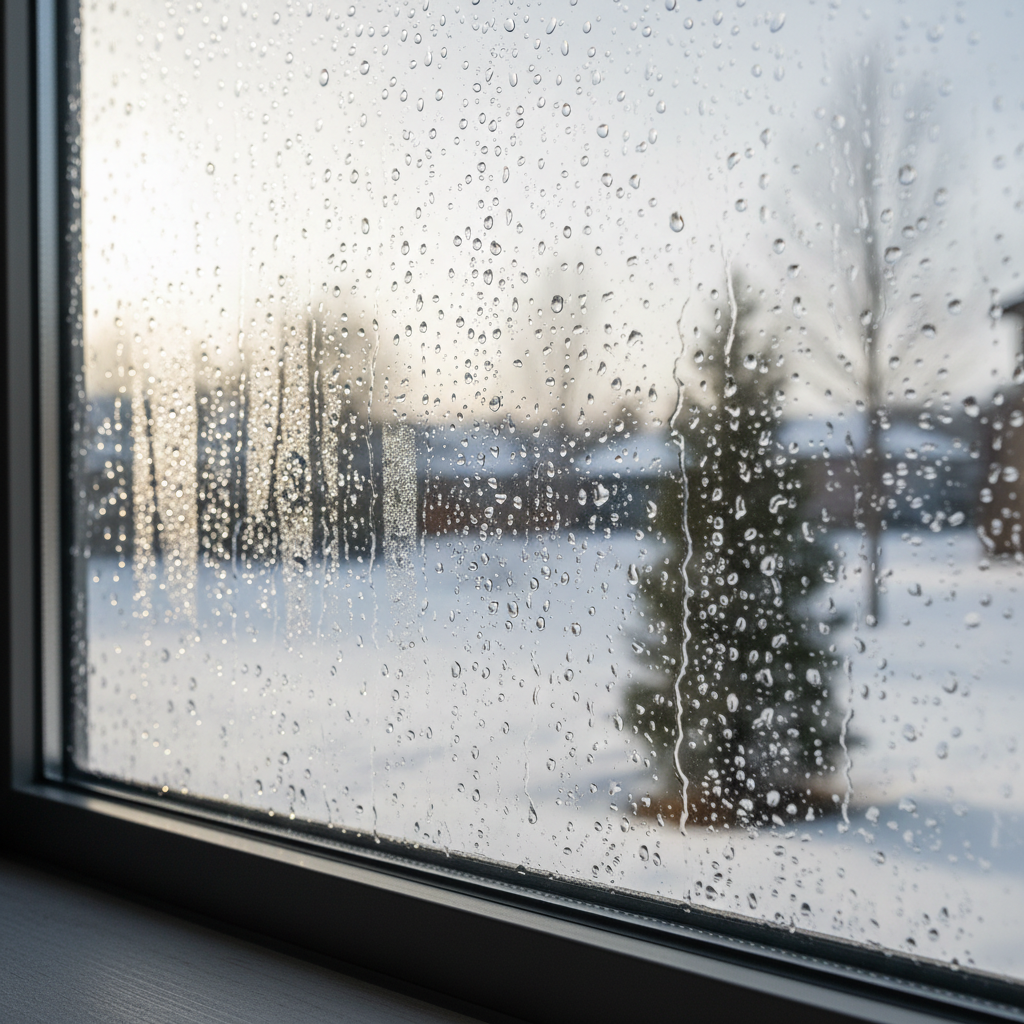
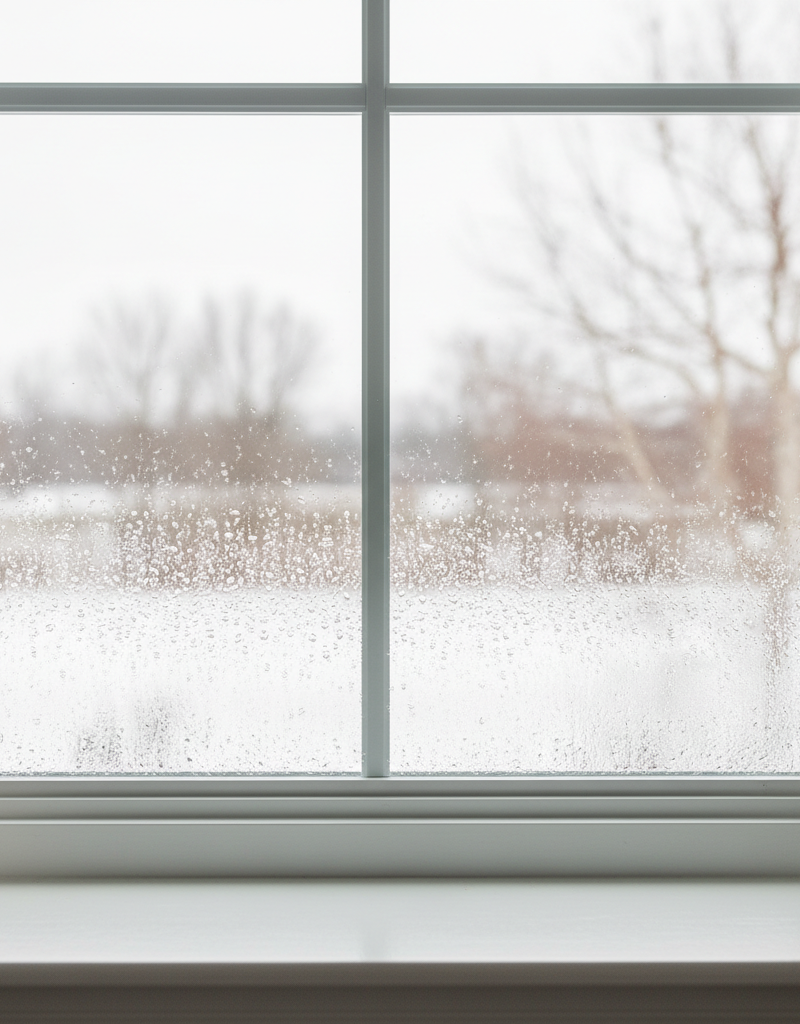
You see it on a cold morning: your windows look like they’re crying. Water droplets collect on the interior glass, fogging the view and puddling on the sill. This "window sweat" might seem harmless, just an annoyance to be wiped away. However, it's often the most visible symptom of a larger, hidden problem: excessive indoor humidity.
When you see water on your windows, you're seeing a science experiment in action. The air inside your home is holding more water vapor than it should be, and the cold windowpane is acting as the catalyst. While a little fog on the corner of a bathroom window after a hot shower is normal, persistent, widespread condensation is a red flag.
This excess moisture doesn't just stay on the glass. It drips down onto the wooden sash and sill, a prime invitation for wood rot, peeling paint, and bubbling plaster. More alarmingly, the consistent dampness creates a perfect breeding ground for mold and mildew. These fungi can grow undetected behind window trim and inside wall cavities, releasing spores into the air you breathe. This can trigger allergies, asthma, and other respiratory issues, turning your home from a sanctuary into a source of illness. What starts as a foggy window can escalate into a significant air quality and structural integrity issue.
How It Works
To understand why your windows are sweating, you need to understand three key concepts: relative humidity, temperature, and the dew point. Think of the air in your home as a sponge. The amount of water it can hold depends on its temperature. Warmer air can hold more water vapor than cooler air.
Relative Humidity (RH) is a percentage that tells you how "full" the air-sponge is compared to its maximum capacity at that temperature. An RH of 50% means the air is holding half the water vapor it could possibly hold.
The Dew Point is the exact temperature at which that air-sponge becomes 100% saturated and has to "wring itself out." At the dew point, water vapor condenses back into liquid water. You see this happen on a summer day when beads of water form on a cold glass of iced tea. The air touching the cold glass is rapidly chilled, its temperature drops to the dew point, and it releases its moisture onto the surface.
Your window in the winter is that glass of iced tea. Even with double-pane windows, the interior surface of the glass is the coldest surface in your room. When the warm, moist indoor air from your breathing, cooking, and showering drifts over and makes contact with that chilly pane, the air layer right next to the glass cools down instantly. If it cools to its dew point, the water vapor it was holding is forced to condense onto the glass, creating fog and droplets. Therefore, window condensation is a direct function of two things: the temperature of your window glass and the relative humidity of your indoor air.
Step-by-Step Fix: How to Diagnose and Reduce Indoor Window Condensation
Follow these steps to identify moisture sources and bring your home’s humidity back into balance.
- Confirm the Location — First, be certain where the condensation is. Rub your finger on the glass. If it’s on the inside, this guide is for you; it’s an indoor humidity issue. If it’s between the panes of a double- or triple-pane window, the window’s seal has failed and the insulated glass unit (IGU) needs to be professionally replaced. `
- Measure Indoor Humidity — You can't manage what you can't measure. Purchase an inexpensive digital hygrometer ($10-$20). Place it in a central location, away from bathrooms or kitchens, to get an accurate baseline reading of your home's relative humidity (RH). For best results, your indoor RH should ideally stay between 30% and 40% during the winter. If your reading is consistently above 45-50%, you've found the culprit. `
- Lower Your Humidifier — If you have a whole-house humidifier attached to your furnace or a portable unit, this is your first and easiest adjustment. Many people over-humidify their homes in winter to combat dry air. While well-intentioned, this is the most common cause of window condensation. Turn the setting down and monitor your hygrometer over the next day to see the impact. `
- Ventilate Your Kitchen — Cooking, especially boiling pasta or simmering soup, releases an immense amount of water vapor into the air. Always use your range hood exhaust fan when cooking—not just when something is smoky or burning. Run it for 10-15 minutes after you finish cooking to clear any lingering moisture. `
- Master Bathroom Ventilation — Showers are the second major source of indoor humidity. Run your bathroom exhaust fan every time you shower or bathe. Crucially, leave it running for at least 20-30 minutes after you get out to ensure all the steam has been vented outside. If you don't have a fan, crack a window open slightly.
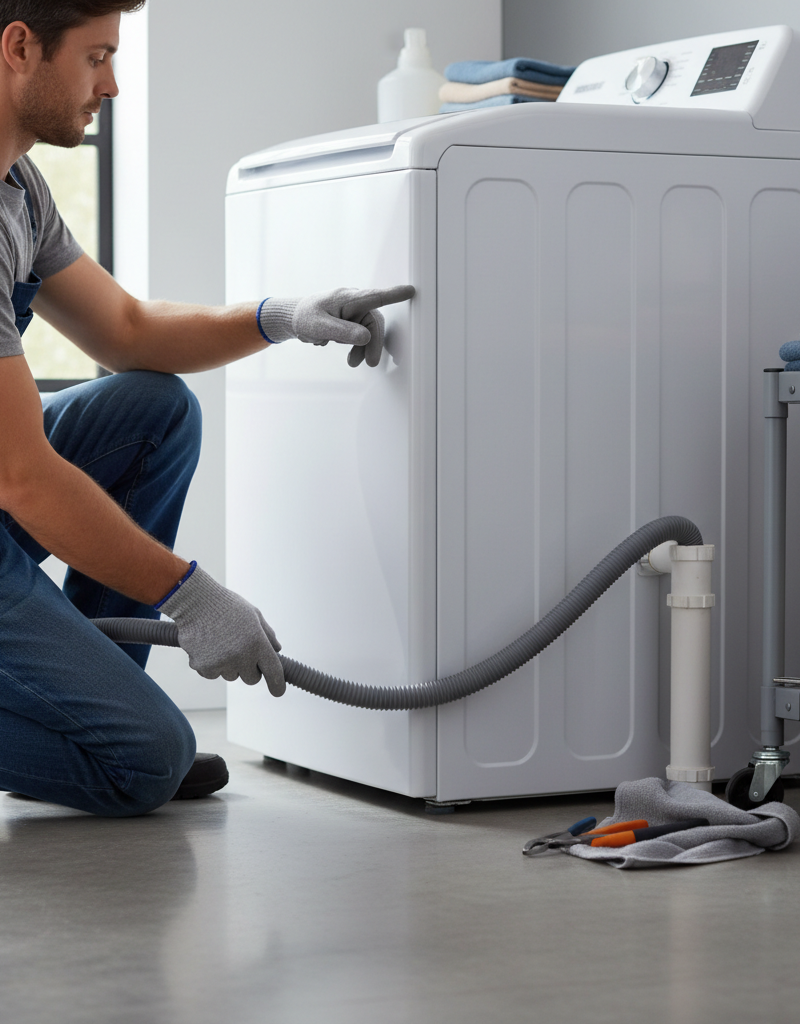
- Check Your Dryer Vent — Your clothes dryer expels a massive amount of hot, moist air. Ensure the exterior vent flap is not stuck shut or blocked by snow or debris. Periodically inspect the flexible duct behind the dryer for any kinks, disconnections, or tears that could be leaking moist air directly into your home instead of venting it outdoors. `
- Promote Air Circulation — Stagnant air allows moisture to collect on cold surfaces. Use ceiling fans on their low, clockwise (reverse) setting in the winter. This gently pushes warmer air that has risen to the ceiling down the walls and across the floors, creating gentle air movement that helps keep window surfaces warmer and discourages condensation. `
- Open Blinds and Drapes — Heavy curtains and tightly-closed blinds are great for privacy but they also trap a layer of cool, still air against the window. This makes the glass surface even colder, inviting more condensation. During the day, open your window treatments to allow warm indoor air to circulate freely against the glass, warming it up and helping any collected moisture to evaporate.
- Air Seal Around Windows — While the window itself is often not the problem, leaks around the window frame can allow cold outside air to infiltrate and cool the surrounding wall and trim. This can create additional cold spots. Use a candle or incense stick on a windy day; if the smoke flickers near the window trim, you have a leak. Seal these gaps from the inside with a quality siliconized acrylic latex caulk.
- Bring in a Dehumidifier — If you’ve addressed ventilation and circulation and your humidity levels are still stubbornly high, a dehumidifier is your most powerful tool. A portable unit can be placed in a central location, or you can run one in a particularly damp area like a basement. Set the desired humidity level (e.g., 40%) and let it run. You may be shocked at how much water it pulls from the air.
Common Causes
The root of window condensation is always excess humidity. Here are the most frequent sources of that moisture:
- Breathing: A family of four can release over a pint of water into the air every eight hours just by breathing.
- Showering & Bathing: A single shower can release a half-pint of water vapor into the air.
- Cooking: Boiling a pot of water for 10 minutes can release more than a half-pint of water.
- Houseplants: A collection of houseplants releases water vapor through transpiration. The more plants you have, the more moisture is added to the air.
- Clothes Drying: Air-drying laundry on indoor racks can significantly raise humidity levels.
- Unvented Appliances: Unvented gas fireplaces, heaters, or clothes dryers pump large quantities of moisture directly into your living space.
Common Mistakes
Homeowners often make these mistakes when dealing with window sweat, which can make the problem worse or lead to damage.
- Blaming the Windows: The most common mistake is assuming the windows are faulty. While a failed seal causes condensation between the panes, interior condensation is almost always an air quality issue. Replacing expensive windows won't solve a humidity problem.
- Ignoring the Issue: Wiping the sills and moving on is a temporary fix that invites long-term damage. The moisture you see is a warning sign; ignoring it allows potential mold and rot to develop unseen in your walls and window frames.
- Cranking Up the Heat: Turning up the thermostat does not eliminate moisture; it just creates warmer, moist air. While this might slightly warm the window glass, it doesn’t solve the root problem of too much water vapor in the first place.
- Blocking Airflow: Keeping heavy drapes or blinds closed 24/7 creates a micro-climate against the window. It traps cold air, making the glass even colder and a perfect surface for heavy condensation to form and linger.
- Forgetting Exhaust Fans: Not using, or not running fans long enough, in kitchens and bathrooms is a primary driver of high indoor humidity. These fans are your home's most important tool for spot-ventilation.
Cost & Time Breakdown
Addressing window condensation ranges from free behavioral changes to significant professional investments.
| Task | DIY Cost | Pro Cost | Time |
|---|---|---|---|
| Buying & Using a Hygrometer | $10 - $25 | N/A | 5 minutes to place |
| Running Exhaust Fans Properly | Pennies in electricity | N/A | Daily habit change |
| Air Sealing Window Frames | $15 - $40 (caulk, foam) | $75 - $250 per window | 1-3 hours |
| Buying a Portable Dehumidifier | $150 - $300 | N/A | 15 minutes to set up |
| Installing a Bathroom Fan | $80 - $200 (fan + supplies) | $300 - $650 | 4-6 hours |
| Replacing a Failed IGU | N/A | $200 - $600 per window | 1-2 hours |
| Installing an ERV/HRV System | N/A | $1,500 - $3,500 | 1-2 days |
Tips & Prevention
- Know Your Numbers: Keep an eye on your hygrometer. Aim for an indoor relative humidity of 30-40% when outdoor temperatures are between 20°F and 40°F. If temperatures drop below 0°F, you may need to lower your RH to 25-30% to prevent condensation.
- Space Out Your Plants: If you have a large collection of houseplants, consider grouping them in a single, well-lit room with good air circulation rather than spreading them throughout the house.
- Check Firewood: Don't store large amounts of fresh or unseasoned firewood indoors. As it dries, it will release its moisture into your home.
- Run Ceiling Fans: Make it a habit to run ceiling fans on low, in reverse (clockwise), throughout the winter. This simple trick makes a huge difference in equalizing air temperature and reducing stagnant, moist air pockets.
- Prioritize Ventilation: If your home lacks exhaust fans in the kitchen or bathrooms, prioritizing their installation is one of the best investments you can make for your home's long-term health and air quality.
When to Call a Professional
While most interior window condensation is a DIY-solvable humidity issue, there are clear signs when you need an expert. The most significant is condensation between the panes of a double- or triple-pane window. This indicates that the airtight seal has failed, allowing moist air to enter the space between the glass layers. This cannot be repaired; the insulated glass unit (IGU) or the entire window sash must be replaced by a window professional.
Additionally, if you’ve taken steps to lower your indoor humidity but condensation persists, or if you find significant mold growth that returns after cleaning, it’s time to call for help. A professional home performance contractor can perform a blower door test to assess air leakage and diagnose complex ventilation issues. In very tight, modern homes, a heat recovery ventilator (HRV) or energy recovery ventilator (ERV) may be required to provide fresh, conditioned air without wasting energy, a job for a qualified HVAC technician.
Frequently asked questions
Is condensation on the inside of windows bad?+
Yes, chronic condensation is bad. While occasional, minor fogging isn't a crisis, persistent condensation indicates high indoor humidity. This excess moisture can lead to peeling paint, wood rot in your window sills and frames, and most importantly, the growth of mold and mildew, which can harm your health.
Will a dehumidifier stop window condensation?+
Yes, a dehumidifier is a very effective tool for stopping window condensation. It directly removes water vapor from the air, lowering the overall relative humidity. If you find your home's humidity is consistently above 40-50% in the winter, a dehumidifier can often solve the problem almost immediately.
Does putting towels on the windowsill help?+
Putting towels on the windowsill only soaks up the symptom; it doesn't solve the problem. While it can protect your wood sill from immediate water damage, it doesn't address the high humidity that's causing the condensation. Over time, the damp towels can even become a breeding ground for mold and mildew themselves.
Why does condensation only happen in the winter?+
Condensation is most common in winter because of the large temperature difference between the inside of your home and the outside. Your indoor air is warm and holds moisture, while your window glass is cold from the outside air. When the warm, moist air touches the cold glass, it cools rapidly, causing the water vapor to condense into liquid. In summer, the window glass is warmer, so this doesn't happen.

Discussion
Loading comments…