Tools & materials you'll need
Affiliate linksAs an Amazon Associate FixlyGuide earns from qualifying purchases — at no extra cost to you. Prices and availability are accurate as of publication and subject to change.
The Problem
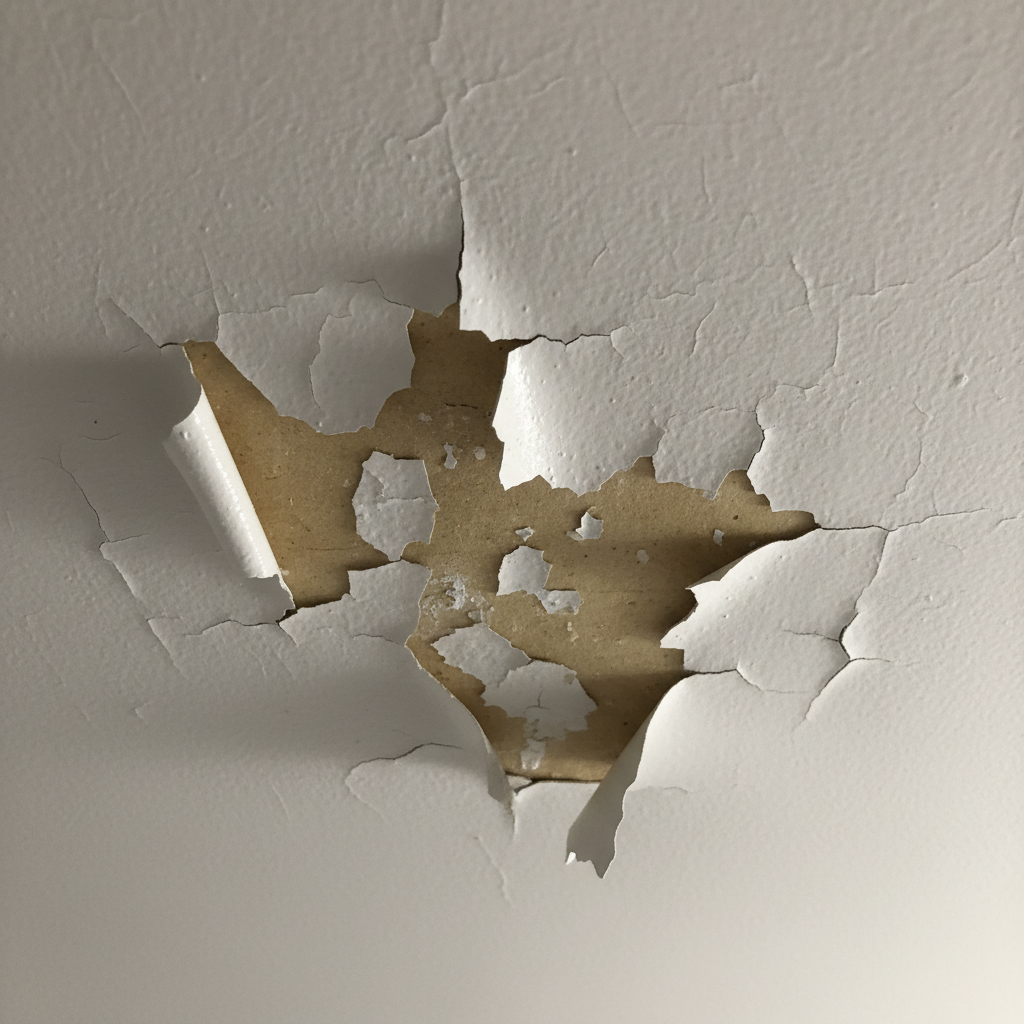
You walk into your bathroom and look up, only to be greeted by the unsightly spectacle of cracking, bubbling, and peeling paint on the ceiling. It might start as a small blister, but soon it spreads, leaving behind ugly patches and a constant shower of paint flakes. This isn't just a cosmetic issue; it's a clear signal that your bathroom is struggling to handle a persistent and powerful force: moisture. The constant cycle of hot showers and baths turns your bathroom into a temporary steam room, and all that warm, moist air rises directly to the ceiling. When this humid air hits the cooler ceiling surface, it condenses into water droplets. This condensation is the primary culprit, creating a damp environment that works its way beneath the paint film. Over time, this moisture accumulation breaks down the paint's adhesion to the underlying surface, whether it's drywall or plaster. The paint loses its grip, begins to lift, and the peeling you see is the inevitable result. Ignoring the problem won't make it go away; in fact, the peeling will only worsen, and the underlying drywall or plaster can become saturated, leading to more significant problems like water damage, staining, and even the growth of mold and mildew. This can compromise your home's air quality and lead to more extensive and expensive repairs down the line. To fix it permanently, you need to do more than just scrape off the loose bits and slap on a new coat of paint. You need to address the root cause—the moisture—and use the right materials and techniques to create a durable, long-lasting finish that can withstand the unique challenges of a bathroom environment.
How It Works
The durability of a paint job, especially in a challenging environment like a bathroom, boils down to a simple principle: proper adhesion. For paint to stick and stay stuck, it needs a clean, dry, and stable surface. The process of paint peeling is a physical failure of the bond between the paint film and the substrate (the ceiling material). This failure is almost always initiated by moisture. When water vapor from your shower condenses on the ceiling, it can penetrate microscopic pores in the paint. If the original paint job was done without a proper moisture-blocking primer, or if a low-quality interior paint was used, the moisture can pass right through to the drywall or plaster underneath. As the substrate absorbs this moisture, it swells slightly. When it dries out, it contracts. This constant, subtle movement, combined with the moisture weakening the paint’s adhesive from behind, causes the paint to lose its grip. Furthermore, if any contaminants like dust, soap scum, or oils were on the surface before painting, they create a weak point from the start, giving moisture an easy entry point. A permanent fix works by creating a multi-layered defense. First, you remove the failed paint, creating a blank slate. Then, you clean the surface to eliminate any bond-breaking contaminants. The critical step is the application of a high-quality, stain-blocking, moisture-resistant primer. This primer acts as a barrier, sealing the porous drywall or plaster and preventing moisture from getting behind the new paint. Finally, the topcoat of bathroom-specific paint adds the final layer of protection. These paints contain mildewcide additives and are formulated to create a less permeable, more durable film that can withstand humidity and be easily cleaned, ensuring the adhesion remains strong for years to come.
Step-by-Step Fix
-
Gear Up and Protect the Room: Before you begin, protect yourself and your bathroom. Put on safety glasses and a dust mask. Lay down drop cloths over the floor, toilet, sink, and bathtub to protect them from paint chips, dust, and drips. Use painter's tape to mask off the edges where the ceiling meets the walls, as well as any light fixtures or exhaust fans.
-
Scrape Away All Loose Paint: Using a wide-blade putty knife or a paint scraper, carefully remove all the peeling and bubbling paint from the ceiling. Be thorough. You need to get rid of anything that is not firmly attached. The goal is to create a solid, stable base. Feather the edges of the remaining paint to create a smooth transition to the bare areas.
-
Clean the Ceiling Thoroughly: Once the loose paint is gone, the next step is to clean the entire ceiling. Mix a solution of TSP (Trisodium Phosphate) substitute or a solution of one part bleach to three parts warm water in a bucket. Wearing rubber gloves, use a sponge to scrub the ceiling, paying special attention to any visible mold or mildew stains. This cleaning removes soap scum, grime, and kills any existing mildew, ensuring the new paint will adhere properly. After scrubbing, wipe the ceiling down with a clean, damp sponge to rinse it, and then dry it completely with a towel or by running the exhaust fan and keeping the door open.
-
Repair and Smooth the Surface: After cleaning, you'll likely have an uneven surface with ridges and divots. Use a lightweight spackling compound or joint compound and a putty knife to fill in any gouges, cracks, or imperfections. Apply a thin, even layer and feather the edges to blend the repairs seamlessly with the rest of the ceiling. You may need to apply a second coat after the first has dried.
-
Sand for a Flawless Finish: Once the spackling compound is completely dry (check the manufacturer's instructions, usually a few hours), it's time to sand. Using a fine-grit (120 or 150-grit) sanding block or sandpaper, lightly sand the repaired areas and feather the edges of the existing paint until the entire ceiling surface is smooth to the touch. Your goal is a perfectly uniform surface.
-
Wipe Down the Dust: Sanding creates a lot of fine dust that can ruin your paint job. Use a tack cloth or a slightly damp sponge to wipe down the entire ceiling one more time to remove all sanding dust. Let the ceiling dry completely before moving on.
-
Apply a Moisture-Resistant Primer: This is the most crucial step for a permanent fix. Choose a high-quality, stain-blocking, moisture-resistant primer. These are often shellac-based or oil-based, but many high-quality water-based formulas are also available. Using a roller with an extension pole for the main area and a brush for cutting in the edges, apply a consistent coat of primer to the entire ceiling. Let it dry completely as recommended by the manufacturer.
-
Paint with Bathroom-Specific Paint: Now for the final coat. Select a high-quality paint specifically designed for bathrooms or high-humidity areas. These paints often have a satin, semi-gloss, or "kitchen and bath" formulation that provides a durable, moisture-resistant, and mildew-resistant finish. Apply the first coat of paint with a roller and brush. Let it dry completely.
-
Apply a Second Coat: A second coat will ensure a uniform, durable finish and provide maximum protection. Once the first coat is fully cured according to the paint can's instructions, apply the second coat in the same manner. Let it dry completely before using the shower.
-
Clean Up: Remove the painter's tape while the paint is still slightly tacky to avoid peeling the fresh paint. Fold up your drop cloths carefully and clean your brushes and rollers. Wait at least 24-48 hours before using the shower to allow the paint to cure properly.
Common Causes
- Excessive Humidity: The number one cause. Long, hot showers create a huge amount of steam that rises and condenses on the ceiling.
- Poor Ventilation: An undersized, clogged, or non-existent bathroom exhaust fan is a primary contributor. Without a fan to vent the moist air outside, it gets trapped in the room.
- Improper Surface Preparation: Painting over a dirty, dusty, or greasy surface is a recipe for failure. The paint can't form a strong bond with the substrate.
- Using the Wrong Type of Primer: Failing to use a moisture-blocking primer is a critical error. Standard drywall primer won't stop moisture from getting to the drywall, leading to peeling from behind.
- Using the Wrong Type of Paint: Using a standard flat or matte finish interior paint is a mistake. These paints are more porous and will absorb moisture, leading to failure. Bathroom paints are specifically formulated to resist this.
- Water Leaks: While less common, a slow leak from plumbing in the floor above, a leaky roof, or a failing toilet seal on an upper floor can introduce water into the ceiling cavity, causing paint to peel from above.
Common Mistakes
- Painting Over Peeling Paint: Simply painting over the existing problem without scraping and sanding is the most common mistake. The new paint will peel off along with the old layer.
- Skipping the Cleaning Step: Failing to properly clean the ceiling of soap scum, dust, and mildew means the new primer and paint won't adhere properly.
- Not Using a Primer: Thinking that a "paint and primer in one" product is sufficient is often a mistake for this specific problem. A dedicated, high-performance, moisture-resistant primer is essential for a long-lasting fix.
- Using the Wrong Paint Finish: Opting for a flat or matte paint because you don't like a sheen is a functional error in a bathroom. These finishes are not durable enough for high-moisture environments.
- Inadequate Ventilation After Painting: Not allowing the primer and paint to fully cure before reintroducing high humidity into the room can compromise the finish. Run the fan and keep the door open for a couple of days.
- Ignoring Ventilation Issues: Fixing the paint is only half the battle. If you don't address the underlying cause of the moisture by improving ventilation, the problem will inevitably return.
Cost & Time Breakdown
| Item / Task | DIY Cost | Professional Cost | DIY Time | Professional Time |
|---|---|---|---|---|
| Materials | ||||
| TSP Substitute & Sponges | $10 - $15 | Included | 30 mins | Included |
| Spackling & Putty Knife | $15 - $20 | Included | 1-2 hours (inc. dry time) | Included |
| Sandpaper | $5 - $10 | Included | 30-45 mins | Included |
| Moisture-Resistant Primer (1 qt) | $20 - $30 | Included | 1-2 hours (inc. dry time) | Included |
| Bathroom Paint (1 qt) | $25 - $40 | Included | 2-4 hours (2 coats, inc. dry time) | Included |
| Brushes, Rollers, Trays, Tape, Drop Cloths | $30 - $50 | Included | 30 mins (prep/cleanup) | Included |
| Labor | $0 | $400 - $800+ | 6 - 10 hours | 4 - 8 hours |
| TOTAL | $105 - $165 | $400 - $800+ | Weekend Project | 1 Day |
Note: Professional costs can vary significantly based on your location, the size of the bathroom, and the extent of the damage. If the drywall itself is damaged and needs replacement, costs will be higher.
Tips & Prevention
- Run Your Exhaust Fan: Make it a habit to turn on your bathroom fan before you start your shower and leave it running for at least 20-30 minutes after you get out. This is the single most effective way to prevent moisture buildup.
- Upgrade Your Fan: If your fan is old, noisy, or just doesn't seem effective, consider upgrading to a newer, more powerful model with a higher CFM (Cubic Feet per Minute) rating. For most bathrooms, a fan with a CFM rating of at least 80 is recommended.
- Consider a Humidistat Fan: These fans have a built-in sensor that automatically turns the fan on when humidity levels rise and off when they fall, providing foolproof ventilation.
- Open a Window: If you have a window in your bathroom, cracking it open during and after your shower can significantly help to vent moist air.
- Wipe Down Surfaces: After a shower, use a squeegee on shower walls and doors. This removes a surprising amount of water that would otherwise evaporate into the air.
- Choose the Right Finish: When it comes time to repaint, always opt for a satin or semi-gloss finish. These harder sheens are less permeable to moisture and much easier to clean than flat or eggshell finishes.
When to Call a Professional
While fixing peeling ceiling paint is a manageable DIY project for many homeowners, there are situations where calling in a professional painter or contractor is the smarter choice:
- Extensive Drywall Damage: If the peeling is widespread and the drywall underneath feels soft, spongy, or is visibly water-stained and warped, the damage may be more than cosmetic. A professional will need to cut out the damaged sections and install new drywall.
- You Suspect a Leak: If the peeling is accompanied by yellow or brown stains, or if the ceiling is continuously damp even when the bathroom hasn't been used, you likely have a plumbing or roof leak. A plumber or roofer should be your first call, followed by a painter.
- Lead Paint Concerns: If your home was built before 1978, there is a high probability of lead-based paint. Scraping and sanding lead paint can create hazardous dust. Professionals are trained in lead-safe work practices.
- You Lack the Time or Tools: This project, while not overly complex, requires multiple steps with drying time in between. If you don't have a full weekend to dedicate to it or don't want to invest in the necessary tools, hiring a pro can be a worthwhile investment for a guaranteed quality result.
Frequently asked questions
Can I just paint over the peeling paint?+
No, you should never just paint over peeling paint. The new paint will not adhere to the unstable, flaking surface and will peel off along with the old layer, wasting your time and money. You must scrape off all loose paint, sand the area smooth, and prime it before applying a new topcoat.
What is the best kind of paint for a bathroom ceiling?+
The best paint for a bathroom ceiling is a high-quality acrylic latex paint specifically labeled for "kitchen and bath" or high-humidity environments. These paints contain mildewcides to inhibit mold growth and have a durable, moisture-resistant finish, typically in a satin or semi-gloss sheen.
How can I tell if my bathroom fan is working properly?+
A simple test is to hold a single square of toilet paper up to the fan grille while it is running. If the fan holds the toilet paper firmly in place, it has adequate suction. If the paper falls, your fan is not moving enough air and may need to be cleaned or replaced.
Is it mold or just mildew on my ceiling?+
Mildew is a surface-level fungus that is typically gray or white and has a powdery or fluffy appearance. Mold is often black or green and can penetrate deeper into the surface. Both are caused by moisture. To test, apply a dab of bleach with a cotton swab. If the dark spot lightens after a few minutes, it's likely mildew. If it remains dark, it could be dirt or a type of mold that requires more thorough removal.

Discussion
Loading comments…