Tools & materials you'll need
Affiliate linksAs an Amazon Associate FixlyGuide earns from qualifying purchases — at no extra cost to you. Prices and availability are accurate as of publication and subject to change.
There's nothing worse than coming home to a 90° house with the AC running full blast. Before you panic-dial an HVAC tech (and pay the after-hours rate), run through this list. The fixes are ordered from "free and obvious" to "you need a pro."
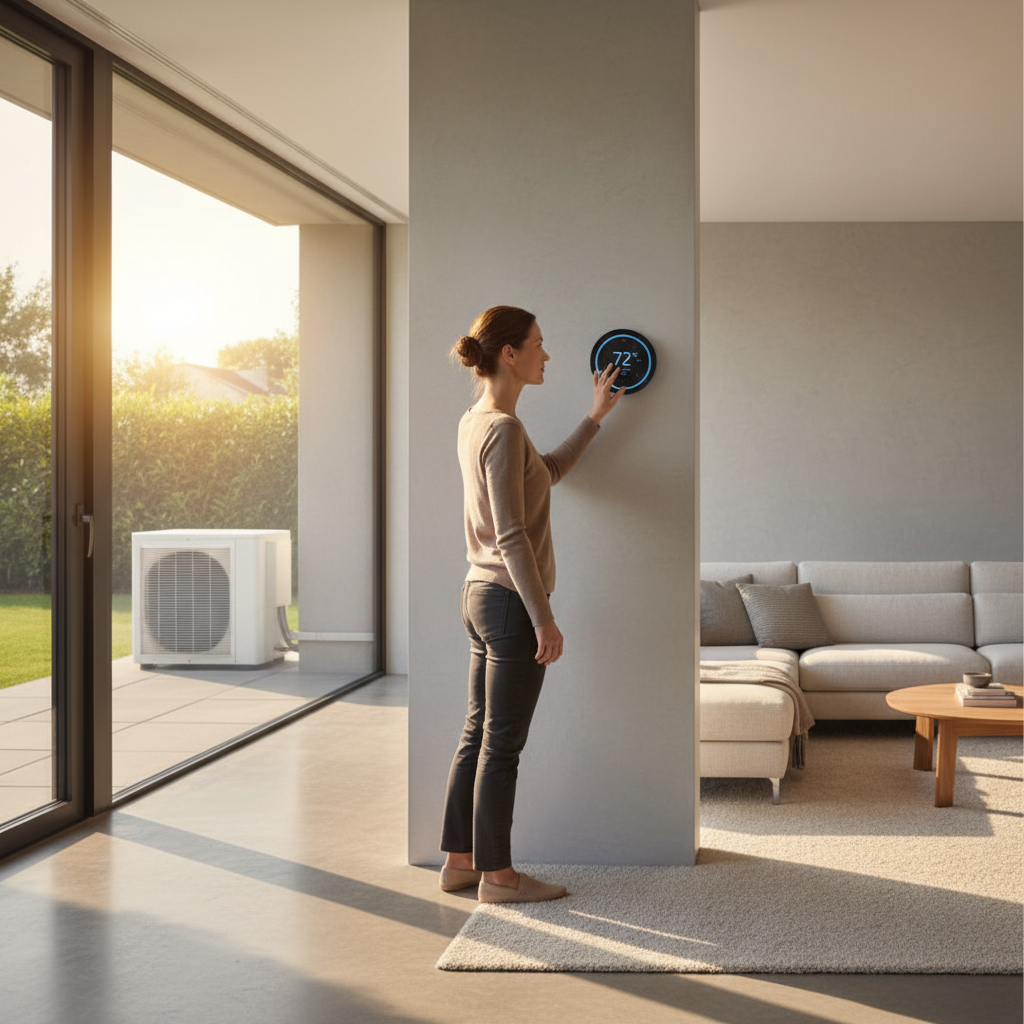
1. Check the thermostat — really
Sounds insulting, but it's the #1 false alarm. Confirm:
- Mode is set to COOL, not OFF or FAN
- Set temperature is at least 5° below room temperature
- Batteries are fresh (most thermostats use 2 AAs that last about 1 year)
- The display is fully on, not dim or flickering
2. Replace the air filter
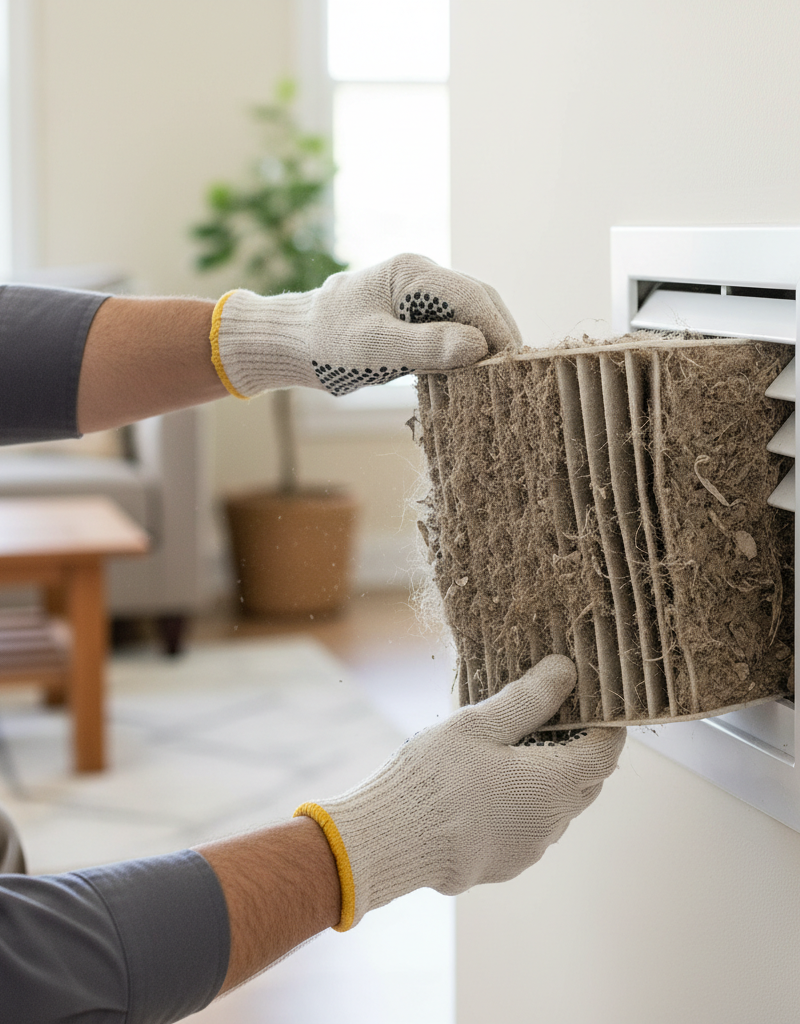
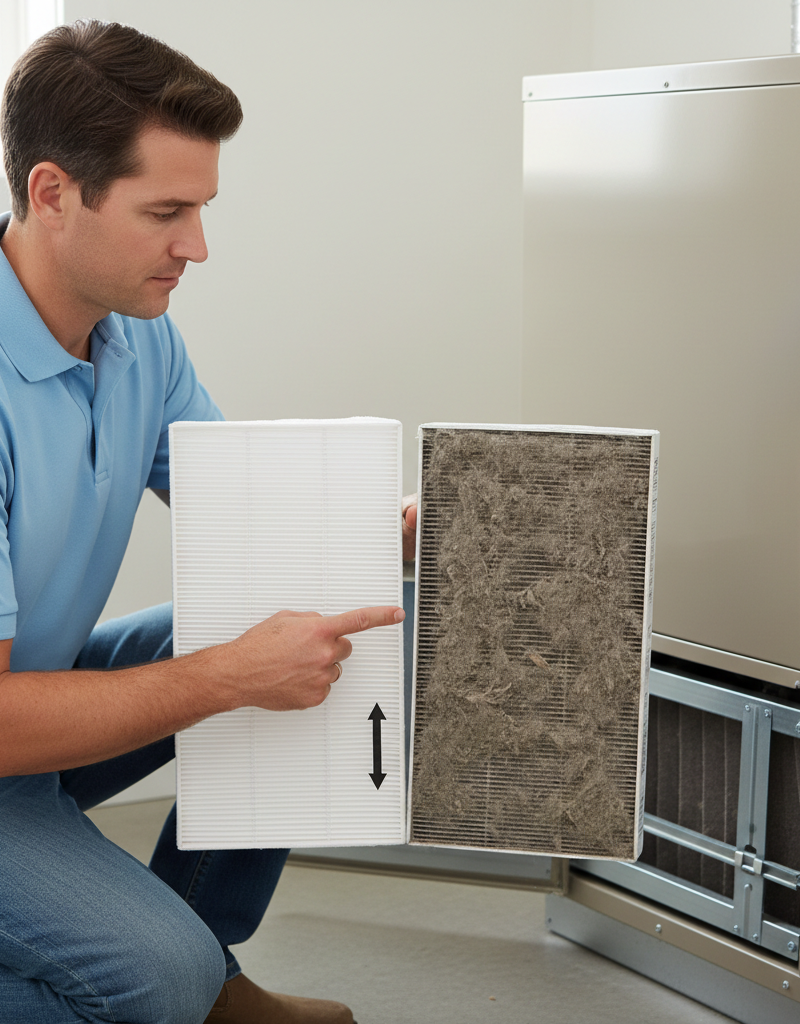
A filter clogged with 6 months of dust restricts airflow to the point that the evaporator coil freezes solid — at which point cold air stops coming out and warm air starts. Pull the filter; if you can't see light through it, replace it. Do this every 60–90 days during cooling season.
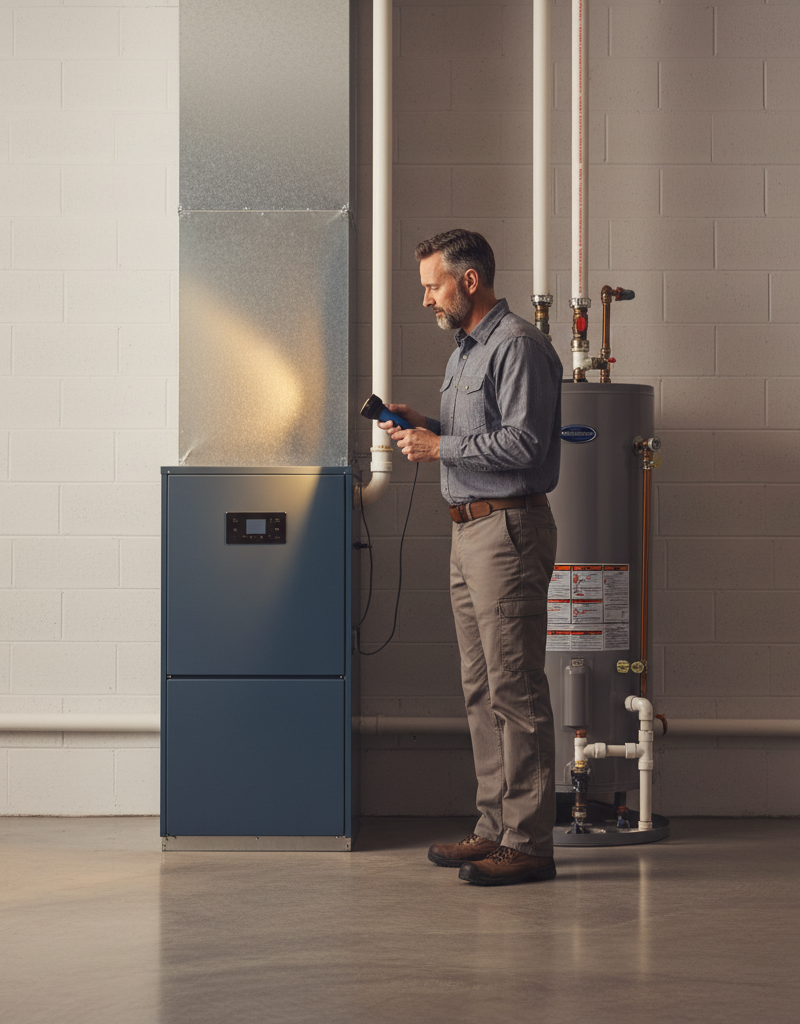
3. Look for ice on the indoor unit
If you see frost or ice on the copper refrigerant lines or the evaporator coil itself, turn the AC off immediately and switch the thermostat to FAN ONLY for 2–3 hours. Running a frozen system can burn out the compressor — a $1,500+ repair.
4. Check the outdoor condenser
Walk outside to the big metal unit. Is the fan on top spinning? If not, the unit either has no power (see #5), the capacitor has failed (~$200 fix), or the contactor is stuck.
5. Check the breakers — both of them
Most AC systems have two breakers: one for the indoor air handler, one for the outdoor condenser. Both are usually double-wide breakers. Flip each fully OFF, then ON. Also check the outdoor disconnect box — it's the small gray box mounted on the wall next to the condenser.
6. Clear the condensate drain
When the drain line clogs (algae growth is the usual cause), modern systems have a safety switch that shuts the AC off to prevent water damage. Locate the white PVC drain line near the indoor air handler and use a wet/dry vacuum on the outside end to suck out the clog. Pour a cup of distilled vinegar down the line monthly to prevent it.
7. Hose off the condenser coils
The outdoor unit pulls in dust, grass clippings, and cottonwood fluff. When the coils get coated, the system can't dump heat outside and your house never cools. Turn off the breaker first, then spray the fins gently from inside out with a garden hose. Never use a pressure washer — it bends the fins.
8. Clear the airflow around the condenser
The unit needs at least 2 feet of clearance on all sides and 5 feet above. Trim back shrubs, move patio furniture, and rake out leaves.
9. Check every supply register
Walk through the house and confirm each vent is open and unblocked by furniture or rugs. Closing too many vents to "save energy" actually increases pressure in the ducts and can crack them.
10. Inspect the ductwork in the attic or crawlspace
A disconnected duct dumping cold air into the attic is shockingly common. Look for visible silver flex duct that has separated from a junction.
11. Listen for the compressor
Stand by the outdoor unit. You should hear a low hum (the compressor) plus the fan. If you only hear the fan, the compressor isn't engaging — usually a capacitor or contactor problem.
12. Check refrigerant lines for ice
The two copper lines running between the indoor and outdoor units — the bigger one should be cold and sweating, the smaller one warm. If both are room temp, you're likely low on refrigerant from a leak. This is where DIY ends.
Discussion
Loading comments…