Tools & materials you'll need
Affiliate linksAs an Amazon Associate FixlyGuide earns from qualifying purchases — at no extra cost to you. Prices and availability are accurate as of publication and subject to change.
Quick Answer
A clogged dryer vent is a serious fire hazard because it traps highly flammable lint and causes the dryer's heating element to overheat. This combination can easily ignite the lint, leading to a dangerous house fire. You can prevent this by performing a thorough cleaning of the entire vent duct from the dryer to the exterior of your home at least once a year.
The Problem
In laundry rooms across the country, a silent and often-ignored problem is creating the perfect conditions for a devastating house fire. The culprit isn't the dryer itself, but the long, flexible tube connected to its back: the dryer vent. According to the U.S. Fire Administration, nearly 3,000 residential fires are caused by clothes dryers each year, resulting in deaths, injuries, and millions of dollars in property damage. The leading cause? A "failure to clean."
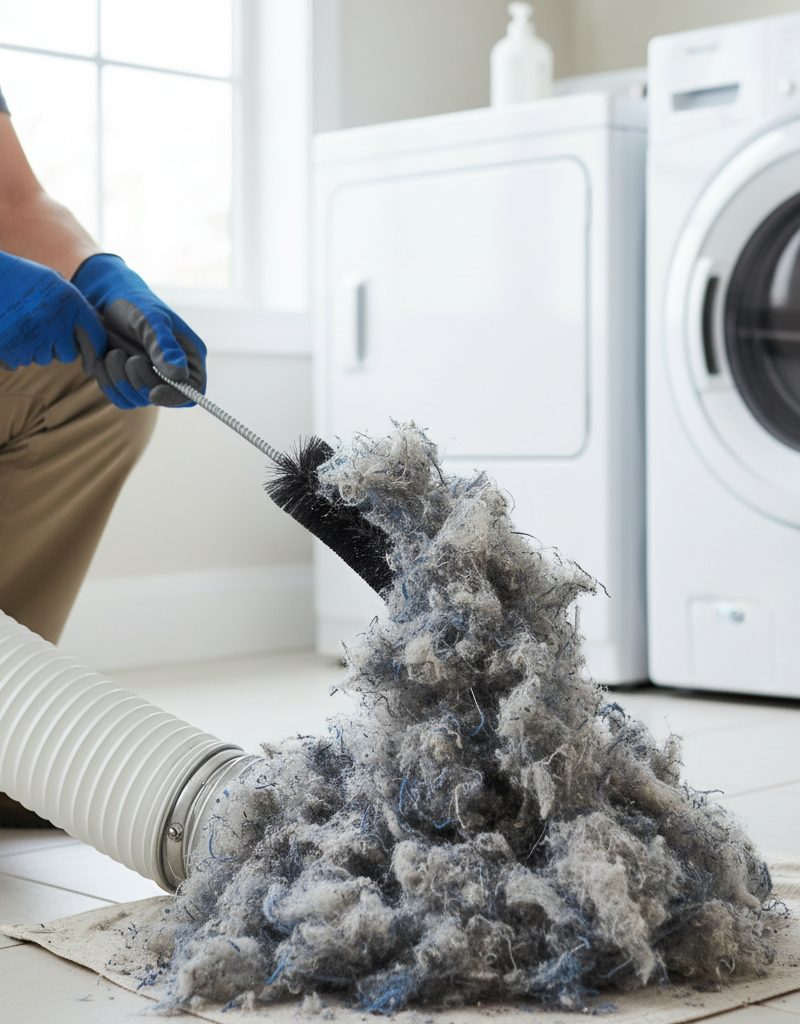
Every time you run your dryer, it sheds fine, fibrous particles from your clothes, known as lint. While the lint trap catches a significant portion, a surprising amount—up to 25%—slips past it. This lint gets pushed into the dryer vent duct along with hot, moist air. Over months and years, this lint accumulates, layer by layer, on the walls of the duct. It starts as a light coating, but eventually, it can become a thick, dense blockage that severely restricts airflow. This creates a twofold danger: first, the accumulated lint is incredibly flammable—essentially a long fuse of tinder hidden in your walls. Second, the blockage traps hot air, causing the dryer to work harder and its internal temperature to skyrocket. The high-limit safety switch, designed to prevent overheating, can fail after cycling on and off too many times. When that happens, the superheated air can easily ignite the trapped lint, starting a fire that can spread with terrifying speed through the concealed spaces of your home.
How It Works
To understand why a clogged dryer vent is so dangerous, you need to understand how a clothes dryer functions. It’s more than just a spinning drum; it’s a carefully balanced system of airflow and heat. When you start a cycle, a blower motor pulls room-temperature air into the machine. This air passes over a heating element (either an electric coil or a gas-fired burner), which heats it to a specific temperature, typically between 125 and 135 degrees Fahrenheit. The hot, dry air is then pushed into the drum, where it tumbles with your wet clothes. The heat causes water to evaporate from the fabric, turning into water vapor. The now hot, moist, and lint-filled air must be exhausted for the process to continue. The blower motor pushes this exhaust air through the lint trap and into the dryer vent system. This vent is a critical component, acting as the lung of your dryer. It's the dedicated pathway designed to move all that heat, moisture, and residual lint completely out of your house.
A clear, unobstructed vent allows the dryer to operate efficiently and safely. The constant stream of air keeps the internal temperature stable and carries away flammable lint. However, when the vent becomes clogged, this entire system breaks down. The blower motor struggles to push air against the resistance of the blockage. Airflow slows to a trickle. With nowhere to go, heat builds up inside the vent and the dryer itself. Internal temperatures can quickly surpass safe limits, climbing well above 200°F. This extreme heat bakes the accumulated lint, making it even drier and more combustible. All it takes is one spark from the heating element or even the intense radiant heat itself to ignite the blockage, turning your vent duct into a flaming conduit. This is how a simple lack of cleaning can lead directly to a catastrophic house fire.
Step-by-Step Fix
Follow these steps to thoroughly clean your dryer vent system and eliminate this hidden fire risk. Set aside about one to two hours for the project.
1. Safety First: Disconnect Power & Gas — Before you do anything else, unplug your electric dryer completely from the wall outlet. For a gas dryer, shut off the gas supply via the valve on the line behind the dryer—the handle should be perpendicular to the pipe to be in the "off" position. This crucial first step prevents the risk of electric shock or a gas leak while you work.
2. Gentle Disconnection: Pull Out the Dryer — Carefully and slowly pull the dryer away from the wall. You need enough space to comfortably work behind it, typically two to three feet. Be mindful of the flexible transition duct connecting the dryer to the wall; avoid kinking or tearing it as you move the appliance.
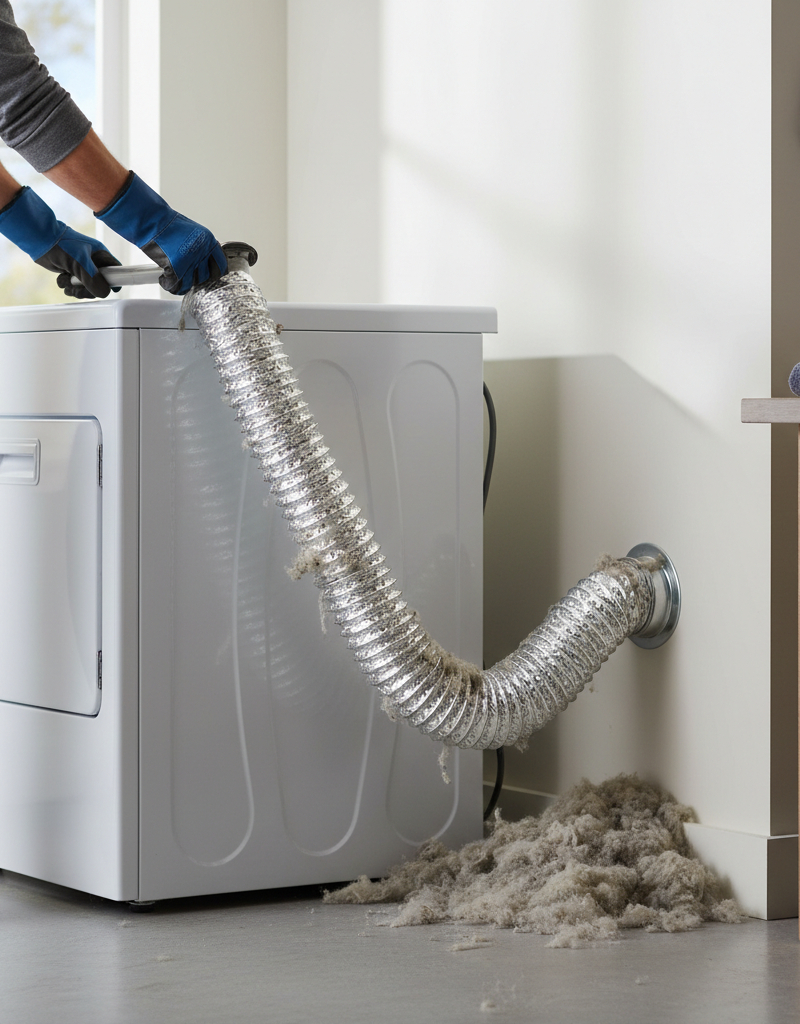
3. Access the System: Detach the Duct — The flexible duct is usually connected to the dryer and the wall pipe with a hose clamp or a spring clamp. Use a screwdriver or pliers to loosen the clamp at both ends and gently twist the duct off. This fully separates the dryer and gives you a clear view into both the dryer's exhaust port and the vent system entering the wall.
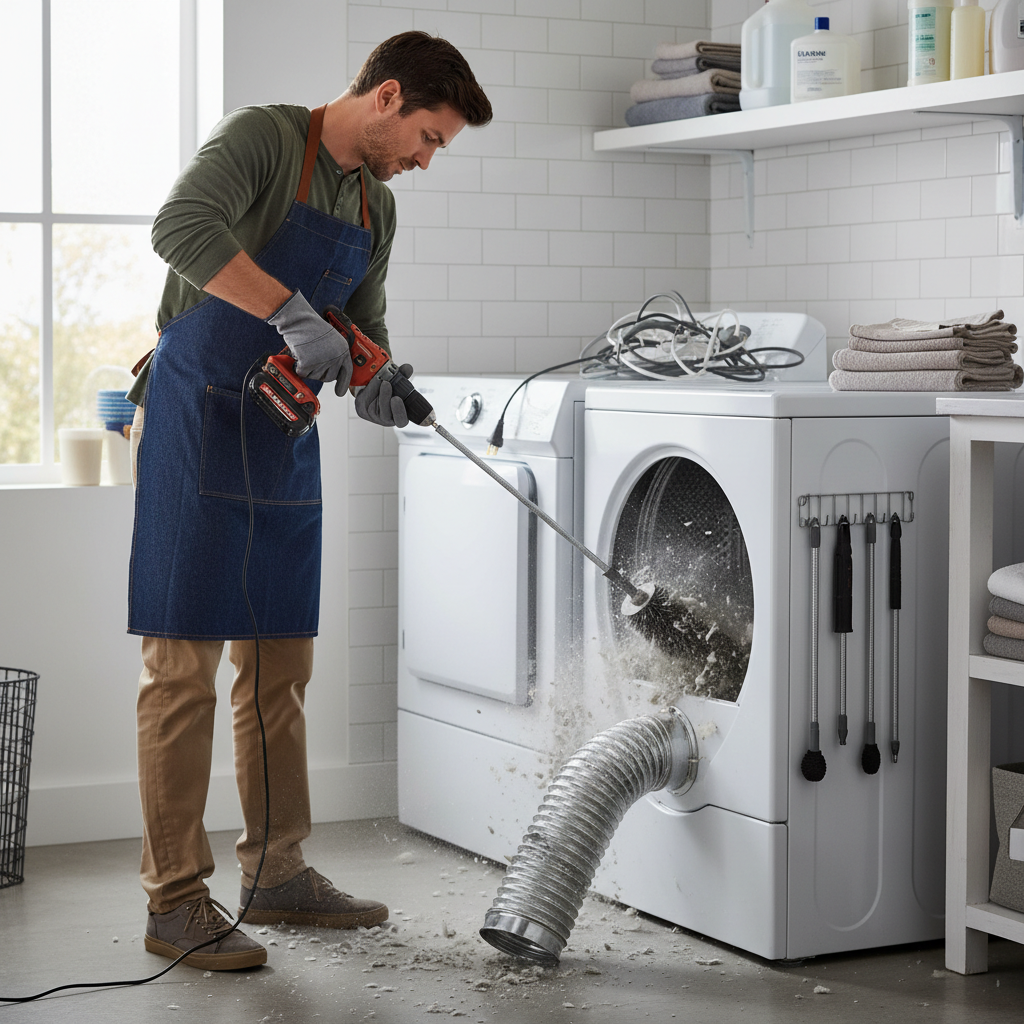
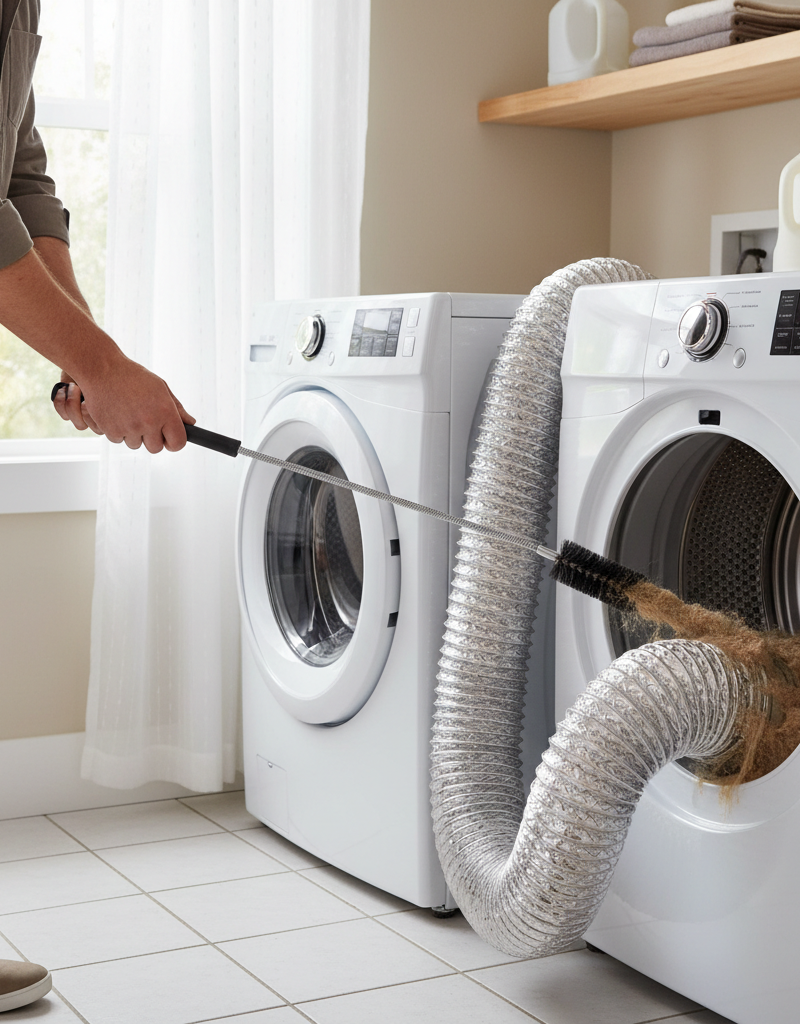
4. Interior Attack: Brush from the Inside — This is the core of the cleaning process. Assemble your dryer vent cleaning kit, which typically consists of a flexible brush attached to multiple connectable rods. Attach the first rod and the brush, and insert it into the vent pipe in the wall. Begin to manually scrub the inside of the duct, using a clockwise twisting motion.
5. Power Through: Add the Drill — Attach the other end of the flexible rod system to a power drill set on a low to medium speed. While running the drill (always in a clockwise direction to avoid unscrewing the rods), slowly push the brush deeper into the vent pipe. Add more rod sections as you go, methodically working your way through the entire length of the duct until you feel the brush reach the exterior vent cap. Move the brush back and forth in sections to dislodge all caked-on lint.
6. Clean Up Crew: Add Suction — For maximum effectiveness, work with a partner or use a creative setup. While one person runs the drill and brush, another can hold a shop vacuum hose at the vent opening to suck up the dislodged lint as it comes loose. This prevents a massive mess inside and ensures the debris is captured effectively. If working alone, alternate between brushing a section and vacuuming it out.
7. Exterior Check: Clean the Vent Cap — Go outside to where your dryer vents. You should see a pile of lint that you pushed through. Inspect the exterior vent cap. Remove any caked-on lint from the grille or louvers. Ensure the flaps or louvers move freely; if they are stuck, birds or pests could be building nests inside, which requires a more involved cleaning.
8. The Final Link: Clean the Transition Duct — Don't forget the flexible duct you removed earlier. This short piece is a common place for clogs. Use a smaller handheld brush or your primary cleaning brush to clean it thoroughly. Better yet, if you have a foil or vinyl flexible duct, consider replacing it with a much safer rigid or semi-rigid metal duct, which is less prone to kinking and trapping lint.
9. Tidy the Source: Clean the Dryer Port — Use your vacuum cleaner's crevice tool to clean out the dryer's exhaust port where the duct connects. Reach in as far as you can to remove any accumulated lint from the base of the dryer. Also, vacuum up all the dust and lint that has inevitably collected behind the dryer over the years.
10. Reassemble and Test — Carefully re-attach the cleaned (or new) transition duct to the wall and the dryer, ensuring tight connections with the clamps. Push the dryer back into place, being careful not to crush or kink the duct. A 90-degree rigid metal elbow can be a great investment to prevent this. Plug the dryer back in and turn the gas on. Run a timed dry cycle for 15 minutes and go outside to confirm that you have strong, warm airflow from the exterior vent. This confirms you have a clear, safe, and efficient system.
Common Causes
A severe lint blockage is rarely from a single cause. It’s usually a combination of factors that conspire to choke off your dryer’s airflow.
- Long Vent Runs: The longer the vent duct, the harder the dryer's blower has to work. According to the International Residential Code, dryer vents should be no longer than 35 feet from the dryer to the exterior. Every 90-degree turn is equivalent to adding 5 feet, and every 45-degree turn adds 2.5 feet. Longer runs lead to reduced airflow, allowing lint to settle and accumulate much faster.
- Kinked or Crushed Ducts: This is one of the most common and dangerous issues. When a dryer is pushed back too far against the wall, it can easily crush the flexible transition duct, creating a pinch point and an immediate trap for lint. Even a minor kink can drastically reduce airflow.
- Improper Duct Material: The use of white, flexible vinyl or plastic ducts is a significant fire hazard. This material is not smooth on the interior, trapping lint easily, and it is flammable. Many building codes now forbid its use. Corrugated foil ducts are slightly better, but the best and safest materials are rigid or semi-rigid metal, which have a smooth interior that promotes better airflow and collects less lint.
- Exterior Vent Cap Blockages: The cap on the outside of your house is designed to keep pests and weather out. However, its screen or louvers can become clogged with lint. In winter, snow can cover it. In spring, birds and rodents can build nests inside it, creating a total blockage almost instantly.
- Lack of Regular Cleaning: This is the root cause. Lint naturally passes the filter on every load. Without an annual deep cleaning of the vent system itself, accumulation is inevitable. Simply cleaning the lint trap inside the dryer is not enough to prevent a clogged dryer vent.
Common Mistakes
Avoid these common errors when cleaning your dryer vent to ensure you do the job safely and effectively.
- Thinking the Lint Trap is Enough. The lint screen inside your dryer door only catches about 75% of the lint. The other 25% goes straight into your vent duct, where it builds up over time. The screen must be cleaned after every load, but the vent needs a separate, annual cleaning.
- Using a Plastic or Vinyl Duct. Never use a flexible white vinyl duct. It is a serious fire hazard. The corrugated surface traps lint, and the material itself can melt and catch fire. Always use rigid or semi-rigid metal ducting for maximum safety and airflow.
- Crushing the Duct Behind the Dryer. When you push your dryer back, it's easy to flatten the transition duct against the wall. This creates a bottleneck that traps lint and reduces efficiency. Use a rigid 90-degree elbow to make the turn without kinking.
- Forgetting to Clean the Exterior Cap. A perfect cleaning job on the inside is useless if the exterior cap is blocked by caked-on lint, a bird's nest, or covered by snow. Always inspect and clean the exit point.
- Running the Cleaning Brush Counter-Clockwise. If you are using a drill-powered cleaning kit, only run the drill in the clockwise direction. Running it counter-clockwise can cause the rod sections to unscrew and get stuck deep inside your vent.
- Not Cleaning the Full Length. Pushing a brush in just a few feet is not enough. You must use enough extension rods to ensure your brush scrubs the entire length of the vent pipe, from the laundry room wall to the outside of your house.
Cost & Time Breakdown
Cleaning a clogged dryer vent is a high-return DIY project. The cost is minimal and it dramatically improves safety and efficiency.
| Task | DIY Cost | Pro Cost | Time |
|---|---|---|---|
| Purchase Vent Cleaning Kit | $20 - $50 | (Included) | 30 mins (shopping) |
| Appliance Disconnect & Access | $0 | $25 - $40 | 15 minutes |
| Duct System Brushing/Vacuuming | $0 | $75 - $150 | 45-90 minutes |
| Exterior Vent Cap Cleaning | $0 | (Included) | 10 minutes |
| Reassembly and System Test | $0 | $25 - $40 | 15 minutes |
| (Optional) Replace Duct | $15 - $30 (metal) | $50 - $100 | 20 minutes |
| Totals | $20 - $80 | $125 - $250 | 1.5 - 2.5 hours |
Tips & Prevention
Keep your dryer safe and efficient with these simple habits.
- Clean the Lint Screen After Every Load. This is the single most important habit. A clean screen improves airflow, reduces drying time, and cuts down on the amount of lint that reaches the vent.
- Schedule an Annual Deep Clean. Mark your calendar to clean the entire dryer vent system from the dryer to the exterior once a year. If you have a large family or pets that shed, do it every six months.
- Use Rigid Metal Venting. Whenever possible, use smooth, rigid metal ducts. They allow for the best possible airflow and are less likely to trap lint compared to flexible ducts. For the transition between the wall and the dryer, use a semi-rigid metal duct.
- Inspect the Exterior Vent Regularly. Make a habit of glancing at your exterior vent cap every few weeks. Clear away any visible lint, ensure the louvers are working, and check that it hasn’t been blocked by snow, leaves, or mulch.
- Don't Overload the Dryer. Jamming too many clothes into the dryer reduces airflow and makes the machine work harder, which can lead to overheating and longer drying times. Dry smaller loads for better efficiency and safety.
- Run an "Air Dry" Cycle. Periodically run an empty dryer on a no-heat or "air fluff" cycle for 15 minutes. This can help push out any small, loose bits of lint that may be settling in the duct.
When to Call a Professional
While cleaning a dryer vent is a manageable DIY task for many, there are specific situations where calling a certified professional is the safer and more effective choice. If your dryer vent run is exceptionally long (over 35 feet, accounting for turns) or navigates through complex, inaccessible spaces like a finished ceiling or a tight attic, a pro will have the specialized cameras and high-powered vacuum systems to do the job right. You should also call a professional if you suspect a bird or rodent has built a nest inside the vent, as this can be difficult and unpleasant to remove completely. Furthermore, if you perform a thorough DIY cleaning but your dryer still takes too long to dry clothes or gets excessively hot, it points to a more significant blockage or a different mechanical issue. A professional can diagnose the problem accurately, ensuring your system is not just clean, but truly safe and functional.
Frequently asked questions
How often should I clean my dryer vent?+
You should perform a deep cleaning of the entire vent duct at least once a year. If you have a large family, pets that shed, or notice your dryer is taking longer than usual to dry clothes, you should clean it every 6 months.
Can I use a leaf blower to clean my dryer vent?+
Yes, a leaf blower can be a useful tool. After disconnecting the dryer, use the leaf blower to forcefully blow air from inside the house through the duct to the outside. This is very effective at clearing loose debris, but it may not dislodge heavy, caked-on lint as well as a brush kit.
What's the difference between the lint trap and the dryer vent?+
The lint trap is the screen you pull out and clean after every load; it's inside the dryer and catches the majority of lint from your clothes. The dryer vent is the entire duct system—often several feet long—that carries the hot air, moisture, and leftover lint from the dryer out of your house. Both require regular cleaning to prevent a fire.
Is a plastic or foil flexible duct safe to use?+
No, flexible plastic or vinyl ducts are a fire hazard and should never be used. Flexible foil ducts are only slightly better. The safest and most efficient option is a rigid or semi-rigid metal duct, which has a smooth interior that prevents lint buildup and is not flammable.
Discussion
Loading comments…