Tools & materials you'll need
Affiliate linksAs an Amazon Associate FixlyGuide earns from qualifying purchases — at no extra cost to you. Prices and availability are accurate as of publication and subject to change.
Quick Answer
Many homeowners overlook their dryer vent, considering it a minor detail. However, a clogged dryer vent is a major fire hazard, responsible for thousands of house fires annually. Recognizing subtle signs like longer drying times, overheating, or a burning smell can alert you to a blockage. The fix involves a thorough cleaning of the entire vent system, from the lint trap to the exterior exhaust, usually requiring a specialized brush kit and basic tools.
The Problem
Your clothes dryer relies on unimpeded airflow to efficiently remove moisture from your laundry. As lint, pet hair, and debris are pulled from your wet clothes during the drying cycle, much of it gets trapped in the lint filter. However, a significant amount bypasses the filter and accumulates within the dryer's exhaust vent system. Over time, this buildup of highly flammable lint restricts airflow, causing the dryer to work harder, overheat, and become a potential ignition source for a fire. Beyond the severe fire risk, a clogged vent also leads to significantly longer drying cycles, increased energy consumption, and premature wear on your dryer.
Consider this: the Consumer Product Safety Commission (CPSC) estimates that over 15,000 dryer fires occur annually, leading to deaths, injuries, and millions in property damage. The vast majority of these fires are attributed to clogged dryer vents. This isn't just about efficiency; it's about protecting your home and family.
How It Works
Understanding how your dryer and its vent system operate is key to appreciating the importance of maintenance. When your dryer runs, a fan pulls heated air through the tumbling clothes. This air picks up moisture (in the form of water vapor) and lint particles. The damp, lint-laden air is then pushed out of the dryer drum, through the internal ducts, and into the flexible or rigid exhaust duct that leads outside your home. The lint trap is the first line of defense, designed to catch the bulk of the lint. However, microscopic fibers and smaller pieces of lint inevitably escape the trap and travel through the vent hose. Over time, these particles stick to the corrugated surfaces of flexible hoses or the interior of rigid ducts, particularly at bends and turns, forming a dense, flammable mat.
As this lint accumulates, it restricts the volume of air that can be expelled. This restriction forces the dryer's heating element to remain on for longer periods to achieve the desired dryness, causing internal components to overheat. The trapped superheated air, combined with highly combustible lint, creates a perfect storm for a fire. Furthermore, the back pressure caused by a clogged vent can lead to mechanical stress on the dryer's motor and heating elements, shortening the appliance's lifespan.
Step-by-Step Fix
Safety First — Always unplug the dryer from the electrical outlet before beginning any work. For gas dryers, turn off the gas supply valve.
1. Disconnect the Dryer — Safely access the vent hose and outlet.
- Pull the dryer away from the wall, allowing enough space to work behind it.
- Carefully disconnect the dryer's exhaust hose from the wall vent and from the dryer's exhaust port. Note the type of clamps or tape used for reattachment.
- If your dryer uses a flexible foil or plastic vent hose: Inspect it for damage (tears, crushed sections). These types of hoses are highly susceptible to lint buildup and crushing, and should ideally be replaced with rigid or semi-rigid metal ducting for fire safety and efficiency. If severely damaged, replace it.
2. Clean the Dryer's Exhaust Port and Lint Trap Housing — Attack lint at the source.
- Use a vacuum cleaner with a crevice tool or hose attachment to thoroughly clean around the dryer's exhaust port opening on the appliance itself. Remove any visible lint buildup.
- Remove the lint trap screen. Use a vacuum to clean the lint trap housing inside the dryer, getting into all crevices. Sometimes a dryer vent brush can be used here too for deeper clean.
- Wash the lint screen with warm, soapy water and a brush to remove fabric softener residue, which can reduce airflow even if the screen appears clean. Rinse thoroughly and let it dry completely before reinserting.
3. Clean the Entire Vent Duct from the Dryer End — Push lint out, don't pull it in.
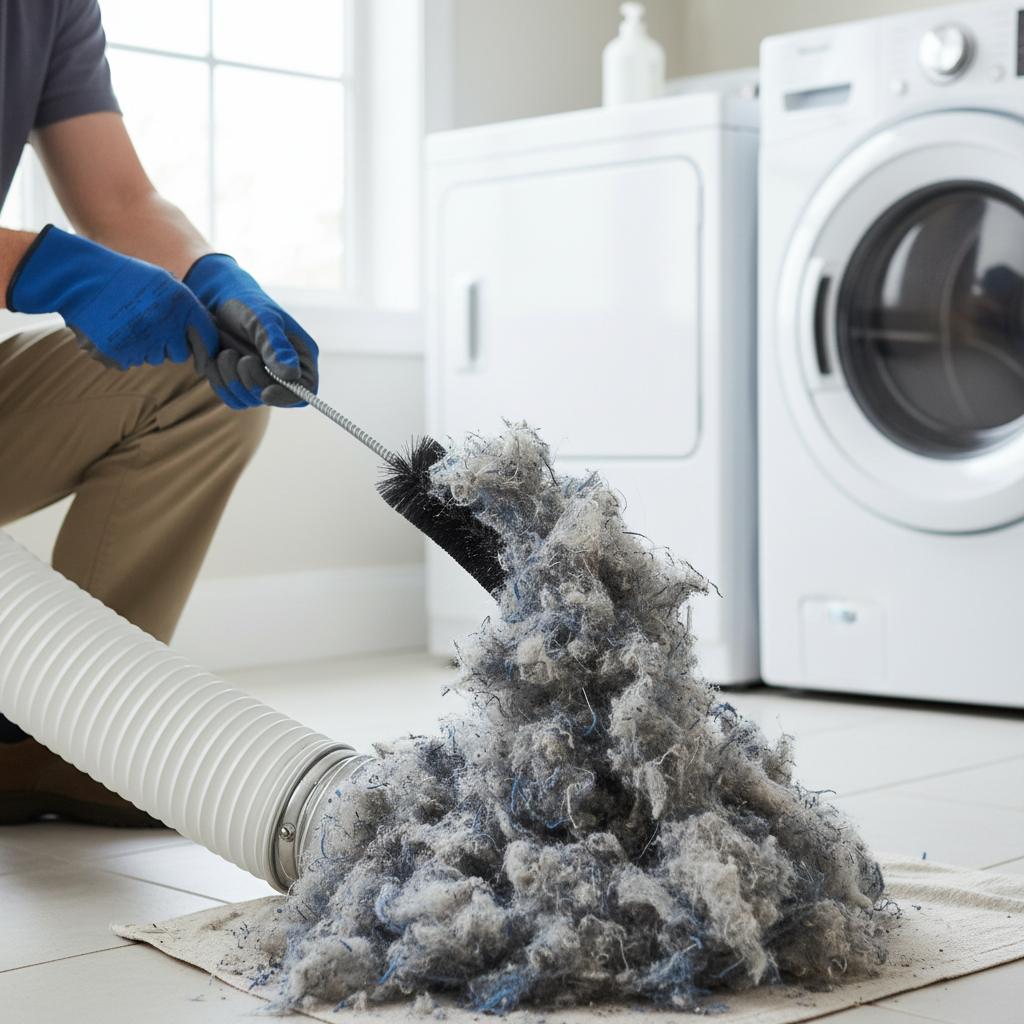
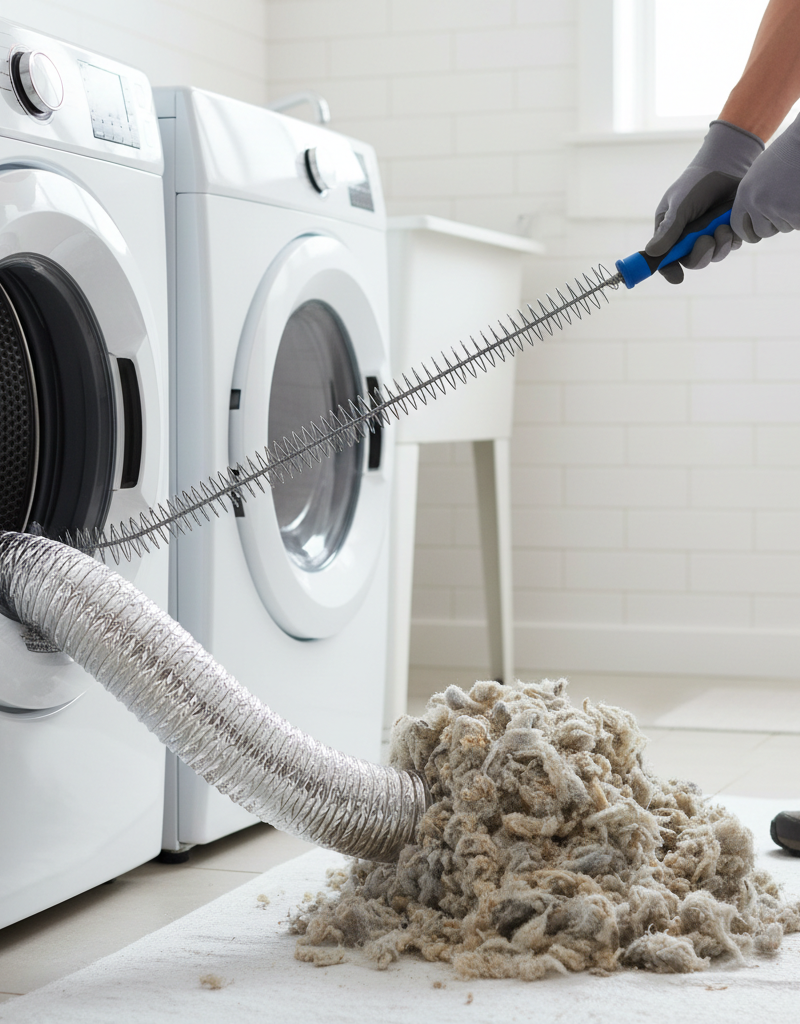
- Attach a dryer vent brush to its flexible rod extensions. Begin with one rod and attach the brush head.
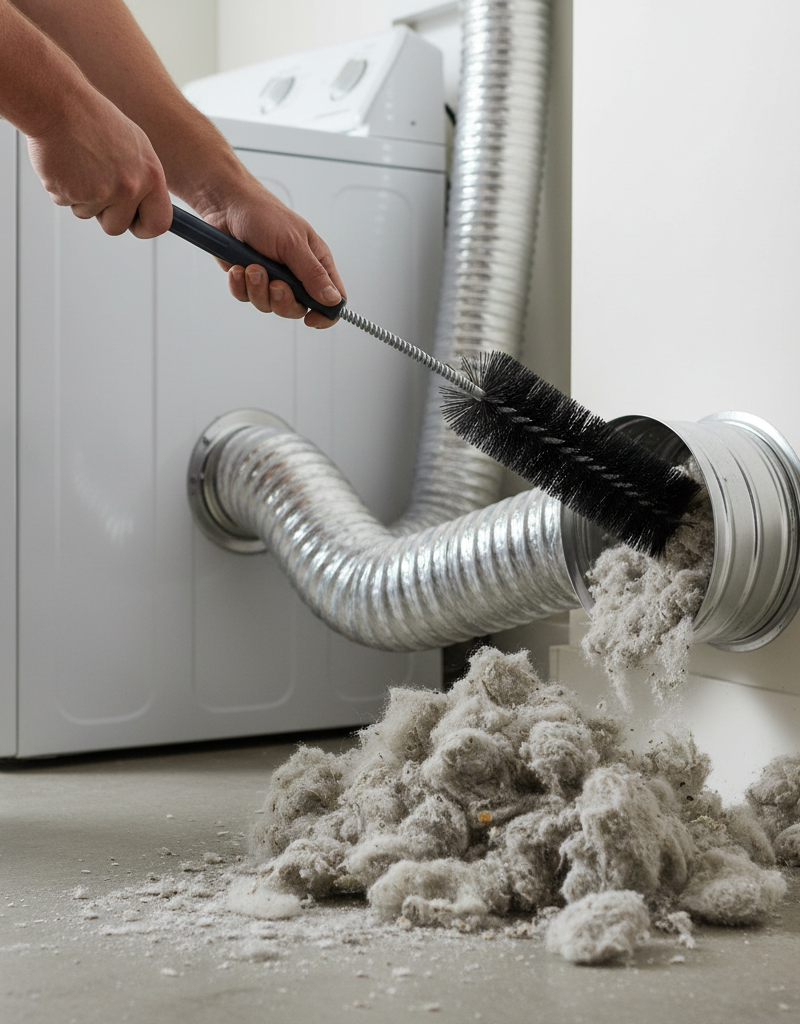
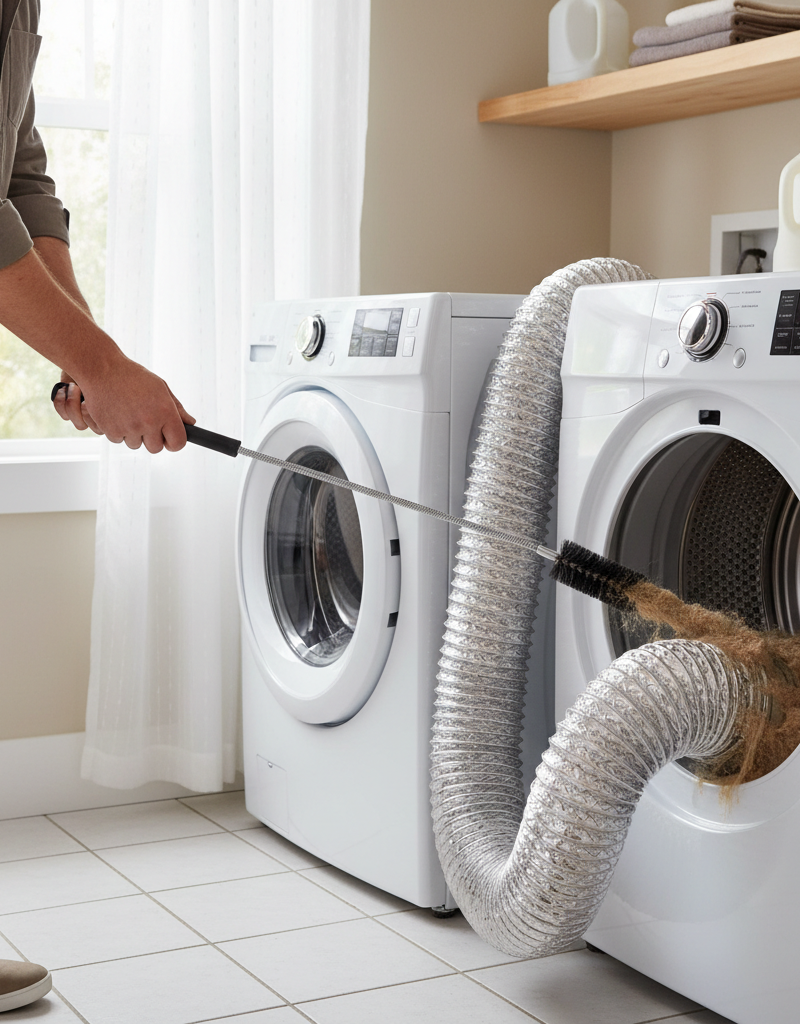
- From the dryer end of the disconnected vent duct, gently push the brush into the duct, rotating it as you go. Add additional rod sections as needed to reach further into the vent.
- Push the brush all the way through until it emerges from the exterior vent cap. Slowly pull the brush back towards you, continuing to rotate it to dislodge lint. Repeat this pushing and pulling motion several times.
- Safety Note: Wear gloves and a dust mask, as large amounts of lint and debris can be released.
- If you encounter significant resistance: Do not force the brush. It might indicate a sharp bend or a severely impacted blockage. Try cleaning from the outside vent first, or consider a professional cleaning.
4. Clean the Exterior Vent Cap — The final exit point.
- Go outside and locate your dryer's exterior vent cap. This is often on a sidewall or the roof.
- Open the flap (or remove the cover, if applicable) and clear any visible lint, bird nests, or other obstructions by hand or with a brush.
- If accessible, use the dryer vent brush from the outside, pushing it into the duct to meet the progress from the inside cleaning. Ensure no lint falls back into the duct.
- Use a shop vacuum to suction out any loosened debris from the exterior opening.
5. Reassemble and Test — Ensure everything is secure and working.
- Reconnect the vent hose to both the dryer and the wall vent opening. Secure it with the original clamps, zip ties, or foil tape. Ensure the hose is not crushed or kinked.
- Push the dryer back into place, taking care not to crimp the vent hose against the wall.
- Plug the dryer back into the electrical outlet (or turn on the gas supply).
- Run the dryer on an air-only (no heat) cycle for 10-15 minutes. Go outside and check the exterior vent cap to ensure a strong airflow is exiting. This confirms the vent is clear.
- If airflow is weak or you hear unusual noises: Disconnect and recheck connections. If problems persist, a deeper obstruction or an issue with the dryer itself may be present, requiring professional diagnosis.
Common Causes
- Infrequent Cleaning: The most common culprit. Lint accumulates gradually over time. Many homeowners only clean the lint trap, neglecting the vent duct.
- Improper Vent Material: Flexible foil or plastic vent hoses, while common, have corrugated ridges that easily trap lint and are prone to crushing, severely restricting airflow. Rigid metal or semi-rigid aluminum ducts are far superior.
- Long or Kinked Vent Runs: Longer vent runs (over 25 feet, or with many bends) provide more surface area for lint to accumulate and reduce the efficacy of the dryer's fan. Kinks or crushes in the ductwork create immediate blockages.
- Birds/Pests: Exterior vent caps without proper screening can become nesting sites for birds or entry points for rodents, leading to significant blockages.
- Washing Clothes with Excessive Lint: Towels, new denim, fleece, and pet bedding all produce large amounts of lint, accelerating buildup in the vent if not cleaned regularly.
- Using Too Much Fabric Softener: Liquid fabric softeners and dryer sheets can leave a waxy residue on lint screen fibers, reducing their ability to filter lint and impeding air flow.
Common Mistakes
- Only Cleaning the Lint Trap: While essential, the lint trap only catches some of the lint. The vast majority of dangerous lint buildup occurs within the vent duct itself.
- Ignoring Warning Signs: Dismissing longer drying times, a hot dryer, or a burning smell as normal is a critical mistake. These are clear indicators of a problem that needs immediate attention.
- Using the Wrong Vent Material: Flexible plastic or vinyl ducts are fire hazards and contravene most building codes. Replace them with rigid or semi-rigid metal ducts.
- Pushing Lint Further In: When cleaning, ensure you are pushing the brush and lint outward towards the exterior vent. Pushing it back towards the dryer can cause a more severe blockage.
- Not Checking the Exterior Vent: The final exhaust point can become clogged with lint, leaves, or even bird nests, negating any internal cleaning efforts.
- Forgetting to Wash the Lint Screen: A lint screen coated with fabric softener residue can restrict airflow even if it appears clean, making your dryer less efficient.
Cost & Time Breakdown
| Task | DIY cost | Pro cost | Time |
|---|---|---|---|
| Dryer Vent Brush Kit | $20–$50 | $0 (included) | 15–30 min |
| Replacement Duct (if needed) | $15–$40 | $50–$100 (parts) | 30–60 min |
| DIY Dryer Vent Cleaning | $0 (if tools exist) | $120–$250 | 1–2 hours |
| Professional Vent Cleaning | N/A | $150–$300 | 1–1.5 hours |
Tips & Prevention
- Clean the Lint Trap After Every Load: This is the easiest and most effective daily prevention measure.
- Inspect and Clean the Dryer Vent Annually: For heavy dryer users or homes with pets, consider cleaning every 6 months. Mark it on your calendar!
- Upgrade Your Vent Material: If you have flexible plastic or foil ducting, replace it with rigid metal or semi-rigid aluminum for better airflow and fire safety.
- Keep Vent Runs Short and Straight: Design your laundry room layout to minimize the length of the vent hose and the number of bends.
- Install a Pest Guard: Ensure your exterior vent cap has a pest-proof screen or louvers to prevent birds and rodents from nesting inside.
- Monitor Drying Times: If clothes take longer to dry than usual, it's a primary indicator of a vent blockage. Address it immediately.
When to Call a Professional
While annual DIY cleaning is highly recommended, there are times when a professional is essential. If your dryer vent run is extremely long (over 35 feet), has multiple sharp bends, or runs through inaccessible areas like walls or attics, a professional will have specialized tools (like powerful vacuums and longer brushes) to effectively clean it. You should also call a professional if, after a thorough DIY cleaning, your dryer still exhibits signs of a clog, such as excessively long drying cycles, an overheating appliance, or a burning smell. These persistent issues could indicate a deeper, more stubborn blockage or even an internal dryer malfunction that requires expert diagnosis. If you have a gas dryer and detect a gas smell, or are uncomfortable disconnecting or reconnecting the gas line, immediately call a licensed HVAC technician and your gas company.
Frequently asked questions
How often should I clean my dryer vent?+
For most households, an annual deep cleaning of the entire dryer vent system is recommended. If you use your dryer frequently, have pets that shed heavily, or dry lint-heavy items often, consider cleaning it every six months.
What are the signs of a clogged dryer vent?+
Key indicators include clothes taking much longer to dry than usual, clothes feeling unusually hot to the touch after a cycle, the dryer itself feeling excessively hot, a burning smell (especially of lint), and excessive lint buildup around the lint trap or exterior vent opening.
Can a clogged dryer vent really cause a fire?+
Yes, absolutely. Lint is highly flammable, and when it accumulates in the dryer vent, it restricts airflow. This causes the dryer's heating element to run hotter and longer, creating a dangerous combination of heat and fuel that can easily ignite, leading to a house fire.
What type of vent material is safest for a dryer?+
Rigid metal (galvanized steel or aluminum) or semi-rigid aluminum ducts are the safest and most efficient choices. Avoid flexible plastic or foil ducts, as their corrugated surfaces easily trap lint and they are prone to crushing, which exacerbates fire risk and reduces airflow.
Can I clean my dryer vent myself or do I need a professional?+
Many homeowners can effectively clean their dryer vent themselves using a specialized dryer vent cleaning kit. However, for very long vent runs, vents with multiple sharp bends, inaccessible sections, or if you're uncomfortable with the process, hiring a professional is a wise choice to ensure a thorough and safe cleaning.
Discussion
Loading comments…