Tools & materials you'll need
Affiliate linksAs an Amazon Associate FixlyGuide earns from qualifying purchases — at no extra cost to you. Prices and availability are accurate as of publication and subject to change.
Quick Answer
If your dishwasher is leaving standing water after a cycle, the problem most often lies with a clogged filter, a compromised drain hose, or a blocked air gap. Addressing these common issues typically involves simple troubleshooting steps like cleaning the filter screens, straightening a kinked hose, or clearing debris from the air gap. Before assuming a major plumbing issue, systematically check these components to diagnose and resolve the draining problem.
The Problem
There's nothing more frustrating than opening your dishwasher after a seemingly complete cycle only to find a pool of dirty, soapy water at the bottom. This isn't just an inconvenience; it can lead to foul odors, mold growth, and unsanitary dishes. A dishwasher that refuses to drain properly indicates a blockage or malfunction within its draining system, preventing the wastewater from exiting the appliance and flowing into your home's plumbing. While the immediate assumption might be a severe clog deep in your pipes, many common causes are surprisingly simple to diagnose and fix with basic DIY skills and tools.
How It Works
Understanding how your dishwasher drains water helps in pinpointing the problem. After the wash and rinse cycles, a drain pump activates. This pump forces the wastewater, laden with food particles and detergent residue, from the bottom of the dishwasher tub through a drain hose. This hose typically connects to a few different places: either directly to a garbage disposal unit, a dedicated drain on the sink trap, or an air gap device mounted on the countertop near the faucet.
If your dishwasher drains into a garbage disposal, the disposal must be clear of obstructions, and a knockout plug (a plastic plug that must be removed during installation) needs to be absent if the dishwasher connection is new or hasn't been used before. The air gap, if present, acts as a backflow prevention device. It creates an air break in the drain line, preventing contaminated sink water from siphoning back into the dishwasher. Water from the dishwasher enters one side of the air gap, flows up, over, and down a central opening, then continues its journey to the drain. Any clog in this small device can prevent proper drainage.
All wastewater eventually makes its way into your home's main drain system. Within the dishwasher itself, a multi-stage filter system (often including a coarse filter, fine filter, and sometimes a micro-filter) prevents larger food particles from reaching and damaging the drain pump. If these filters become excessively caked with food debris, grease, or even broken glass, they restrict water flow, preventing efficient drainage. The drain hose itself can also become kinked, clogged with debris, or develop an internal blockage over time, acting like a constricted artery in the plumbing system. The pump itself, while generally robust, can also fail or become obstructed, though this is less common than drain hose or filter issues.
Step-by-Step Fix
Safety First! Always unplug your dishwasher from the electrical outlet or turn off the circuit breaker before performing any inspections or repairs to prevent electric shock.
-
Clear the Immediate Area – Remove dishes and standing water. Start by carefully removing all dishes from the dishwasher. Use a cup, sponge, or shop vac to remove as much standing water from the bottom of the tub as possible. This will give you a clear view and prevent further messes during inspection.
-
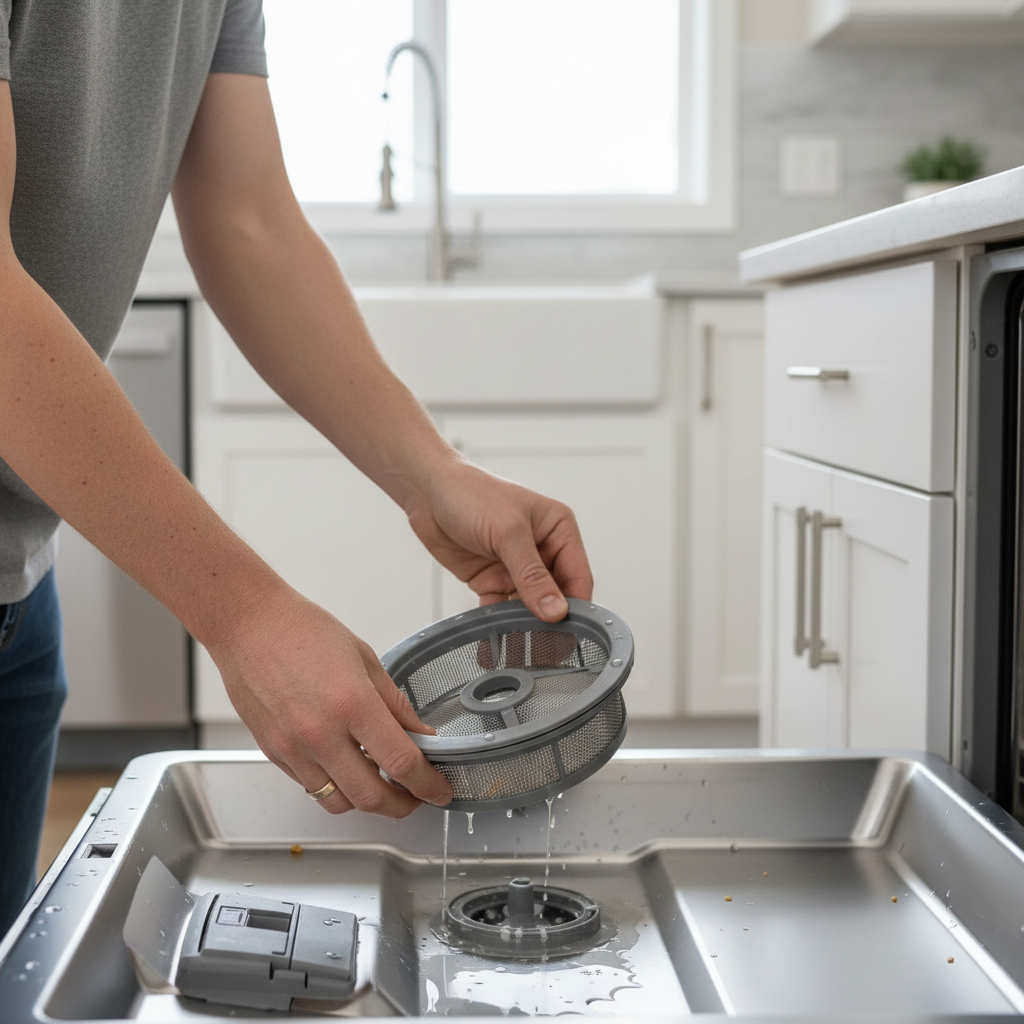
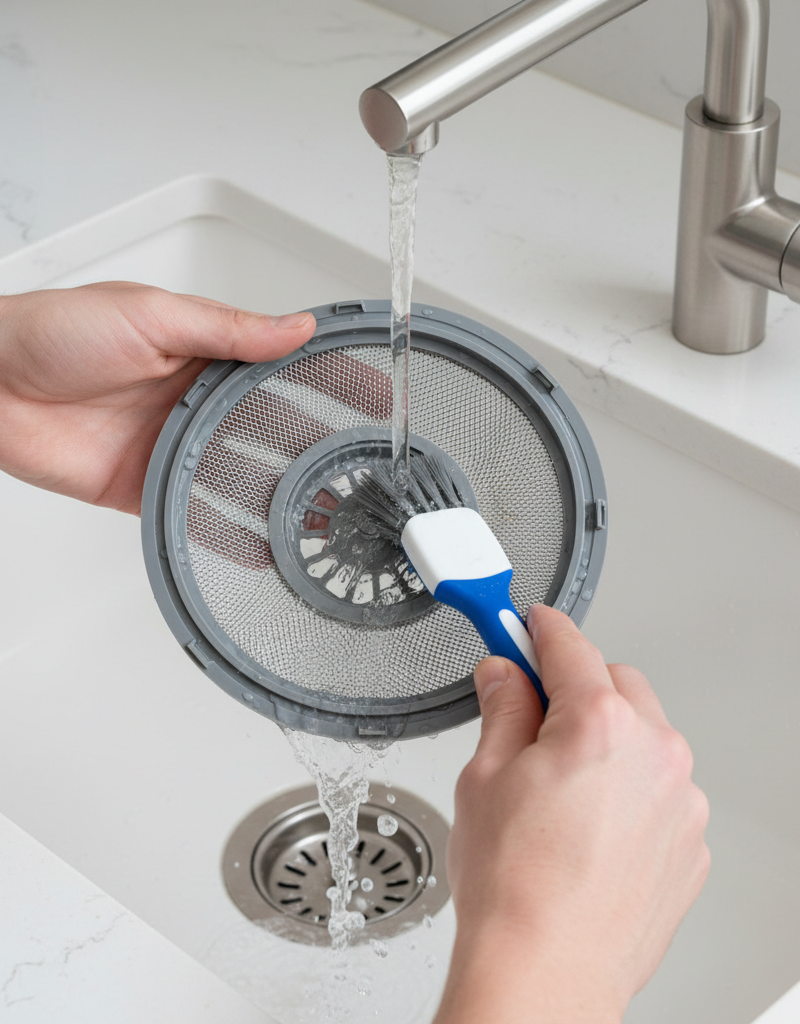
Inspect and Clean the Dishwasher Filter – The most common culprit. Inside the bottom of your dishwasher, locate the filter assembly. This typically involves removing the lower spray arm (which may just lift off or unscrew) and then twisting or lifting out the filter screens. Consult your owner's manual for specific instructions on your model. Thoroughly clean the coarse and fine mesh filters under running water, scrubbing away food particles, grease, and any debris. A stiff brush or old toothbrush can be helpful. Rinse until water flows freely through the mesh. Reinstall the filters and spray arm securely.
- If this doesn't work: The clog might be further down the line, or the filter wasn't the primary issue.
-
Check the Drain Hose for Kinks or Obstructions – A subtle but common problem. Pull the dishwasher slightly out from the cabinet (after sliding it out, if possible). Locate the flexible drain hose, usually a corrugated plastic hose, extending from the back of the dishwasher to the sink cabinet or garbage disposal. Visually inspect the entire length of the hose for any sharp bends, kinks, or crushing that could restrict water flow. Straighten any kinks you find. If the hose is severely kinked or damaged, it might need replacement. You can also try to feel for any hard obstructions within the hose.
- If it's severely kinked: Gently try to straighten it. If it's a permanent crease, consider replacing the hose.
-
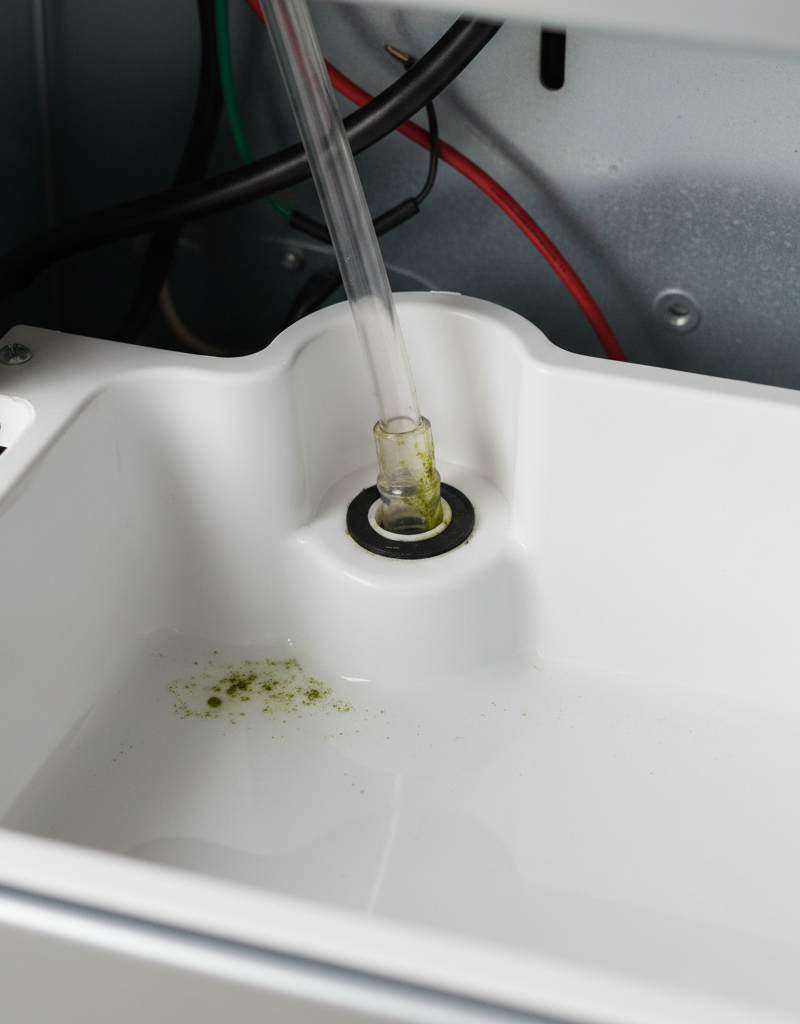
Examine the Air Gap – Often overlooked. If your dishwasher has an air gap (a small cylindrical device usually found on your countertop near the faucet), remove its chrome or plastic cover. This often involves unscrewing it or prying it off gently. Once the cover is off, you'll see a cap that can typically be twisted or pulled off. Look inside for any trapped food particles, grease, or debris. Clear out any blockages with a small screwdriver, wire hanger, or your fingers. Flush the air gap with a small amount of water to ensure it's clear before replacing the cap and cover.
- Tip: Run water through your sink faucet while checking the air gap to see if water backs up or sprays out, indicating a blockage within the air gap itself.
-
Inspect the Garbage Disposal Connection – If applicable. If your dishwasher drains into a garbage disposal, ensure the disposal is completely clear of food waste. Run the disposal for a minute with cold water to ensure it's empty. Also, check the connection point where the dishwasher drain hose connects to the disposal. There's a knockout plug inside the disposal's dishwasher inlet that must be removed if it's a new installation or if the connection has never been used. If it's not removed, water won't drain. You can usually remove it by inserting a screwdriver into the disposal's dishwasher inlet and tapping it with a hammer.
- Safety Note: Always unplug the garbage disposal before reaching inside or working near its blades.
-
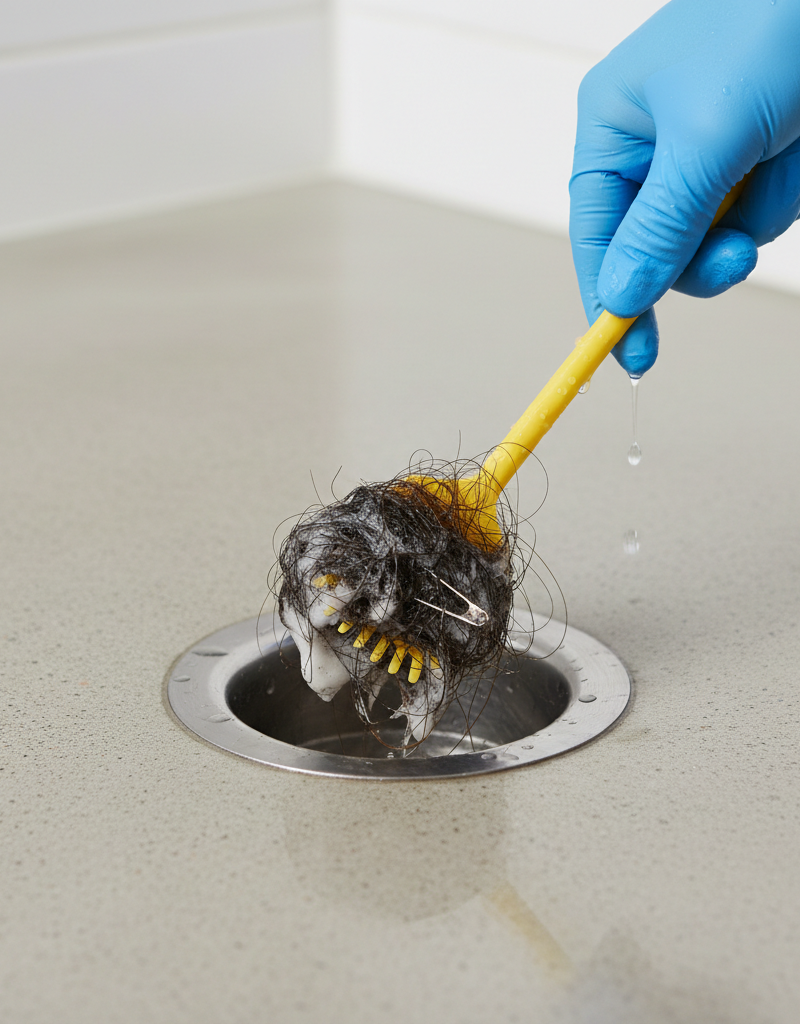
Check the Sink Drain/P-Trap – A shared drain issue. Sometimes, the issue isn't with the dishwasher itself but with the shared sink drain. If your sink also drains slowly or backs up, the problem is likely in your sink's P-trap or further down the main drain line. Place a bucket under the P-trap (the U-shaped pipe under the sink) and remove the slip nuts to detach it. Inspect for clogs. Clear any debris and reassemble. If the clog is further down the line, you may need a drain snake.
- Pro Tip: Look for an anti-siphon loop for the dishwasher drain hose under the counter. The hose should loop as high as possible under the countertop before descending to the disposal or drain. This prevents dirty sink water from backflowing into the dishwasher.
-
Test for Drain Pump Function – A more advanced step. If none of the above resolves the issue, the drain pump might be faulty or obstructed. With the power off, you might be able to access the drain pump from the bottom of the dishwasher (this usually requires pulling the entire appliance out). Once accessed, you can visually inspect the impeller for any foreign objects like broken glass, bones, or twist ties that could be jamming it. Carefully remove any obstructions. If the pump appears clear but still doesn't engage, it might need replacement. This is typically a more involved repair.
Common Causes
- Clogged Dishwasher Filter: The most frequent offender. Food particles, grease, and debris accumulate in the mesh screens, restricting water flow and preventing proper drainage.
- Kinked or Obstructed Drain Hose: The flexible drain hose can get bent, pinched, or develop an internal clog over time, especially if the dishwasher has been moved or installed improperly.
- Blocked Air Gap: If your dishwasher uses an air gap, food debris or mineral buildup can easily clog this small countertop device, preventing water from escaping past it.
- Garbage Disposal Issue: If the dishwasher drains into a garbage disposal, the disposal itself might be clogged, or the knockout plug from a new installation might not have been removed.
- Clogged Sink Drain/P-Trap: If the sink the dishwasher drains into also has drainage issues, the problem could be a shared clog in the P-trap or further down the main drain line.
- Faulty Drain Pump: While less common, the dishwasher's drain pump can malfunction due to wear and tear, electrical issues, or physical obstructions jamming its impeller.
Common Mistakes
- Ignoring the Filter: Many homeowners don't realize their dishwasher even has a filter, or they neglect to clean it regularly. This is the first place to check for draining issues.
- Over-assuming a Major Clog: Jumping straight to harsh chemical drain cleaners or calling a plumber without first checking the easily accessible components like the filter, air gap, or drain hose.
- Not Unplugging the Dishwasher: Failing to disconnect power before working on the appliance is a significant safety hazard, risking electric shock or damage to components.
- Forgetting the Disposal Knockout Plug: If you're connecting a new dishwasher to a garbage disposal, forgetting to remove the knockout plug during installation is a common and frustrating mistake that prevents drainage entirely.
- Using Chemical Drain Cleaners in the Dishwasher: Chemical drain cleaners are often too harsh for dishwasher components (especially plastic hoses and seals) and can cause more damage than good. Stick to mechanical clearing methods or mild cleaning solutions.
- Improper Drain Hose Installation: Allowing the drain hose to hang or loop below the level of the connection point to the sink drain or disposal can lead to backflow or slow drainage due to siphoning issues.
Cost & Time Breakdown
| Task | DIY Cost | Pro Cost | Time |
|---|---|---|---|
| Clean Dishwasher Filter | $0 (DIY) | N/A | 10–15 minutes |
| Clear Drain Hose Kink/Obstruction | $0 (DIY) | N/A | 15–30 minutes |
| Clear Air Gap Obstruction | $0 (DIY) | N/A | 10–20 minutes |
| Clear Garbage Disposal/P-Trap | $0–$10 (basic tools) | $150–$300 | 20–45 minutes |
| Replace Drain Hose | $15–$40 | $150–$250 | 30–60 minutes |
| Replace Drain Pump | $60–$150 | $200–$400 | 1–2 hours |
Tips & Prevention
- Regular Filter Cleaning: Make it a habit to clean your dishwasher filter monthly, or even weekly if you frequently run heavily soiled dishes. This is the single best preventative measure against drainage issues.
- Scrape, Don't Rinse: While it may seem counterintuitive, you don't need to pre-rinse dishes extensively. Modern dishwashers and detergents are designed to handle food particles. However, scrape off large chunks of food, bones, and excessive grease before loading to prevent filter clogs.
- Proper Loading: Avoid overpacking the dishwasher, which can impede water circulation and drainage. Ensure spray arms can rotate freely.
- Check Drain Hose Annually: Periodically inspect the drain hose for kinks or signs of wear, especially if you've recently moved the dishwasher or performed maintenance under the sink.
- Use High-Quality Detergent: Cheaper detergents can sometimes leave more residue that contributes to clogs over time. Use a good quality dishwasher detergent and rinse aid.
- Run Hot Water Before Dishwasher: Briefly run the hot water at your sink before starting the dishwasher. This ensures hot water initially enters the dishwasher, improving cleaning and helping to flush the drain line.
When to Call a Professional
While many dishwasher draining issues are DIY-friendly, there are situations where calling a licensed plumber or appliance repair technician is the smartest and safest course of action. If you've systematically worked through all the diagnostic steps above—cleaned the filter, checked the drain hose, cleared the air gap, and inspected the disposal/P-trap—and the problem persists, it's time to seek professional help. This is particularly true if you suspect a deeper clog in your main household plumbing line, which could affect other drains in your home.
Additionally, if you observe water leaking from around the dishwasher, detect a burning smell, or hear unusual grinding noises coming from the appliance's motor area (potentially indicating a faulty drain pump or motor), do not attempt further repairs yourself. Electrical issues or major component failures require specialized diagnostic tools and expertise to avoid further damage to the appliance or creating a safety hazard. Always prioritize your safety and the integrity of your home's plumbing and electrical systems.
Frequently asked questions
Why is there standing water in the bottom of my dishwasher?+
Standing water in your dishwasher is most commonly caused by a clogged filter, a kinked or obstructed drain hose, or a blocked air gap. Less often, it could be a clog in your garbage disposal or sink drain, or a faulty drain pump.
How often should I clean my dishwasher filter?+
It's recommended to clean your dishwasher filter at least once a month, or more frequently if you often wash dishes with a lot of food debris or grease. Regular cleaning prevents buildup that can lead to drainage issues and odors.
Can a garbage disposal cause a dishwasher not to drain?+
Yes, if your dishwasher drains into a garbage disposal, the disposal unit itself can cause drainage problems if it's clogged with food waste or if the knockout plug wasn't removed during the initial installation of the dishwasher's drain line.
Is it safe to use chemical drain cleaners in a dishwasher?+
No, it is generally not safe or recommended to use chemical drain cleaners in a dishwasher. These harsh chemicals can damage the plastic and rubber components of your dishwasher's internal plumbing system and seals. Mechanical clearing methods are preferred.
Discussion
Loading comments…