Tools & materials you'll need
Affiliate links- AmazonRubber gloves1 pair · For hand protection from chemicals and friction
- AmazonDrill brush attachment kit1 kit · Assorted stiffness and sizes for different tasks
- AmazonCleaning solution1 bottle · Appropriate for the surface being cleaned (e.g., grout cleaner, all-purpose cleaner)
- AmazonMicrofiber cloths2-3 · For wiping and rinsing
As an Amazon Associate FixlyGuide earns from qualifying purchases — at no extra cost to you. Prices and availability are accurate as of publication and subject to change.
Quick Answer
Your cordless drill, traditionally a construction tool, harbors a secret superpower: with the right attachments, it becomes an incredibly efficient cleaning machine. From tackling stubborn soap scum and mildew in the bathroom to dislodging lint blockages in your dryer vent, these specialized brushes and pads harness the drill's rotational power to make tough cleaning jobs faster, easier, and more effective than manual scrubbing.
The Problem
Many household cleaning tasks demand significant elbow grease and time. Scrubbing grout lines by hand, buffing shower doors to a streak-free shine, or painstakingly clearing lint from a long dryer duct are chores that try the patience and often yield less-than-perfect results. Traditional cleaning methods can be slow, physically demanding, and for certain areas, simply not effective enough to remove deeply embedded dirt or buildup. This often leaves homeowners feeling frustrated and living with areas that never quite look clean, despite their best efforts.
How It Works
At its core, a cordless drill provides a high-speed rotational force. When you attach a brush, pad, or specialized tool to its chuck, this rotational energy is transferred directly to the cleaning surface. Instead of your arm muscles providing the scrubbing action, the drill motor does the work. Different attachments are designed for specific tasks: stiff nylon brushes for aggressive scrubbing, softer bristles for delicate surfaces, felt pads for polishing, and long, flexible brushes for reaching into ducts. The key is the sheer speed and consistent pressure the drill can apply, far exceeding what can be achieved manually. For example, a drill might spin at 500-1500 RPM (revolutions per minute), applying thousands of scrubbing actions per minute compared to a few dozen by hand. This mechanical advantage quickly breaks down grime, lifts stains, and buffs surfaces to a high sheen, often using less cleaning solution due to the intensified friction and agitation.
Step-by-Step Fix
1. Choose the Right Attachment — Selecting the correct head for your task is crucial for effectiveness and preventing damage.
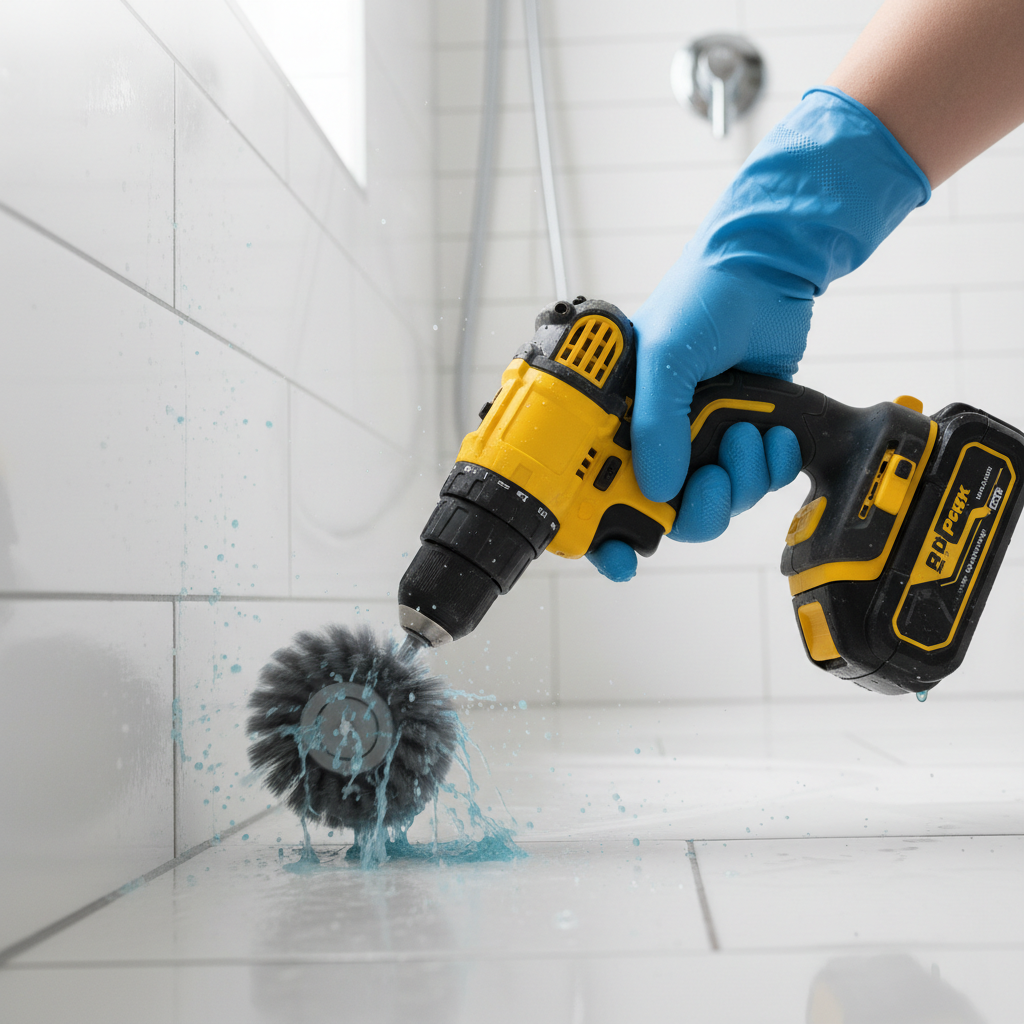
- For Grout & Tile: Opt for medium-stiff nylon brush attachments. These come in various shapes (cone, flat, round) to fit corners and flat surfaces. Avoid abrasive pads unless specifically designed for tile, as they can scratch.
- For Bathtubs & Showers: Use softer to medium-stiff nylon brushes. For glass shower doors, consider a soft drill brush or a drill-compatible polishing pad with a mild cleaner to prevent scratches and water spots.
- For Carpet Stains: A medium-stiff carpet brush attachment can work wonders. Use with a dedicated carpet cleaner solution, testing in an inconspicuous area first.
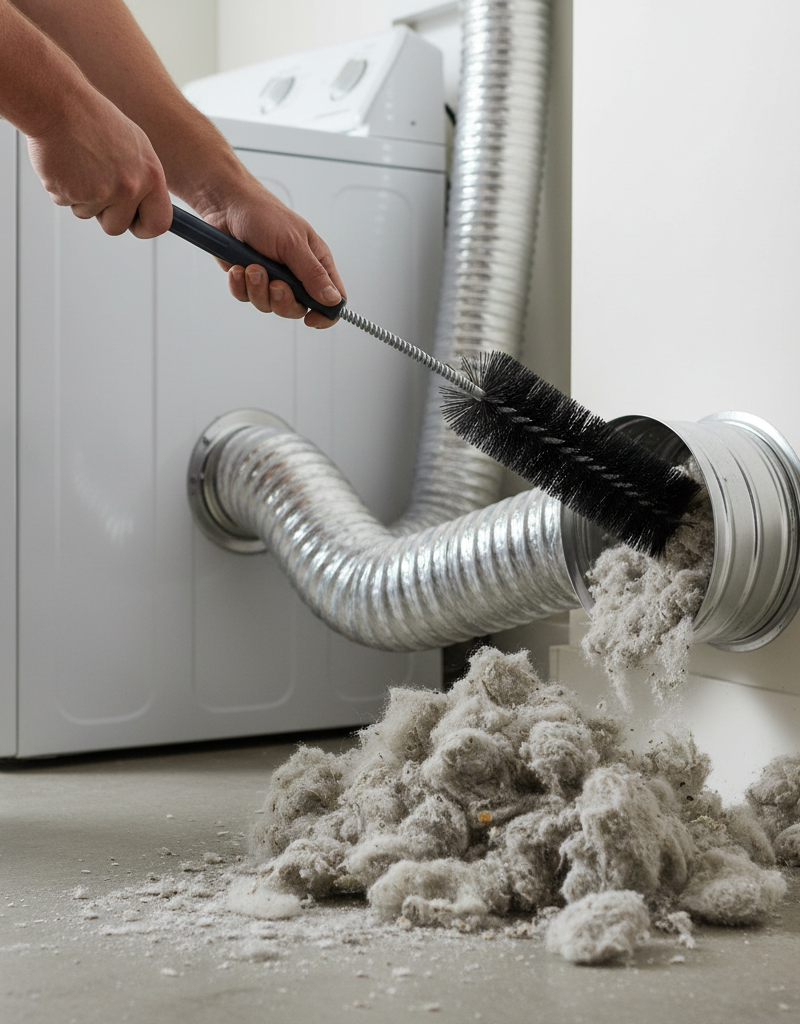
- For Dryer Vents: Acquire a specialized dryer vent cleaning kit, which typically includes flexible rods that connect to your drill and a rotating brush head. These can be several feet long.
- For Polishing & Buffing: Soft foam or wool pads designed for drill use are ideal for polishing metal, chrome, or even headlights (with appropriate compounds).
2. Prepare Your Workspace Safely — Protect yourself and surrounding areas before you begin to clean.
- Safety First: Always wear safety glasses to protect your eyes from dislodged debris or splashing cleaning solutions. Gloves are recommended to protect your hands from chemicals and friction.
- Ventilation: Ensure adequate ventilation when using cleaning chemicals. Open windows or use a fan.
- Surface Protection: Cover sensitive surfaces with old towels or plastic sheeting to protect them from splashes or accidental contact with the rotating brush.
- Test: Always test your chosen attachment and cleaning solution on an inconspicuous area first, especially on delicate or unfamiliar surfaces. This helps identify any potential for scratching or discoloration.
3. Apply Cleaning Solution — Pre-treating the surface allows the solution to penetrate and loosen grime.
- Apply your chosen cleaning solution (e.g., grout cleaner, all-purpose cleaner, specific polish) directly to the surface you intend to clean. Don't douse the drill attachment itself initially.
- Allow the solution to sit for 5-10 minutes, as per product instructions, to break down dirt and grime. This makes the drill's job much easier and more effective.
- For dryer vent cleaning, no solution is typically needed, as you're removing dry lint.
4. Attach and Secure the Brush — Proper attachment prevents slippage and ensures stability.
- Insert the shaft of the brush or pad attachment securely into the chuck of your cordless drill.
- Tighten the chuck firmly by hand, then use the chuck key (if applicable) or the drill's locking mechanism to ensure it is fully tightened. A loose attachment can fly off and cause injury or damage.
5. Begin Cleaning with Controlled Motion — Let the drill do the work; too much pressure is counterproductive.
- Start the drill at a low to medium speed. High speeds can cause splashing, reduce control, and potentially damage surfaces.
- Apply light, even pressure, letting the drill's rotation do the scrubbing. Guide the tool steadily across the surface in small sections.
- Move slowly, overlapping your passes slightly. For grout, follow the line of the grout. For larger surfaces, work in a grid pattern.
- If this doesn't work: Increase speed gradually, but prioritize control. Reapply cleaner and let it dwell longer if grime is exceptionally stubborn. Change brush attachments if the current one isn't aggressive enough (e.g., from soft to medium-stiff).
6. Rinse and Wipe Clean — Remove loosened dirt and chemicals for a pristine finish.
- After scrubbing a section, turn off the drill and use a clean damp cloth or sponge to wipe away the loosened dirt and cleaning solution.
- For larger areas, a utility bucket with clean water and a rinse cloth can be effective. For showers, a quick rinse with the showerhead works well.
- Ensure all chemical residues are removed to prevent streaks or etching.
- For dryer vents: Once the lint has been dislodged by the spinning brush, use a shop vac or household vacuum with a hose attachment to effectively remove all the loosened debris from the vent duct and around the dryer opening.
7. Clean and Store Attachments — Proper maintenance prolongs the life of your tools.
- After each use, thoroughly clean the drill attachments. Most nylon brushes can be rinsed under running water and air-dried.
- Remove any embedded grime or hair. Store them in a clean, dry place to prevent mildew or damage.
- Inspect attachments regularly for wear and tear. Replace them once bristles become splayed or pads lose their effectiveness.
Common Causes
Stubborn dirt and grime in homes often result from a combination of factors that make manual cleaning arduous:
- Mineral Buildup (Hard Water): In bathrooms and kitchens, hard water leaves behind mineral deposits (limescale, calcium) that bond tightly to surfaces, creating a rough texture where soap scum and dirt easily adhere. These deposits are notoriously difficult to remove by hand scrubbing.
- Mold & Mildew Growth: Warm, damp environments like showers and bathrooms are perfect breeding grounds for mold and mildew. These fungi embed their roots into porous surfaces like grout, making them resistant to surface wiping.
- Deeply Embedded Dirt: Over time, dirt particles, skin cells, and microscopic debris get pushed into porous surfaces like tile grout, carpet fibers, and textured plastics. Manual scrubbing often only removes the surface layer.
- Lack of Regular Deep Cleaning: While daily wiping keeps surfaces tidy, periodic deep cleaning is essential to remove the accumulated layers of grime that build up over weeks and months, especially in high-traffic or damp areas.
- Ineffective Tools: Using sponges, rags, or brushes that lack the necessary abrasive power or reach for specific tasks means grime isn
This article was independently written by FixlyGuide based on the source topic.
Frequently asked questions
Can I use any drill for cleaning?+
Yes, most cordless drills will work perfectly. A drill with adjustable speed settings is ideal, allowing you to control the scrubbing intensity. Ensure your drill has enough battery life for the task without frequent recharging.
What surfaces can I clean with drill attachments?+
Drill attachments are versatile. You can safely clean tile and grout, bathtubs, showers (including glass doors with soft brushes), sinks, car wheels, carpets, upholstery, and even polish metal or fiberglass. Always test on an inconspicuous area first.
Do drill brushes scratch surfaces?+
When used correctly and with the appropriate brush stiffness, drill brushes are safe. Always match the brush stiffness to the surface: soft for delicate items, medium for general cleaning, and stiff for very tough stains on durable surfaces like concrete or heavily soiled grout. Using excessive pressure or too high a speed on delicate surfaces can cause damage.
How often should I clean my dryer vent?+
It's recommended to clean your dryer vent at least once a year, or more frequently if you notice your clothes taking longer to dry, the dryer feeling unusually hot, or lint accumulating rapidly. A clogged vent is a fire hazard and reduces dryer efficiency.
Discussion
Loading comments…