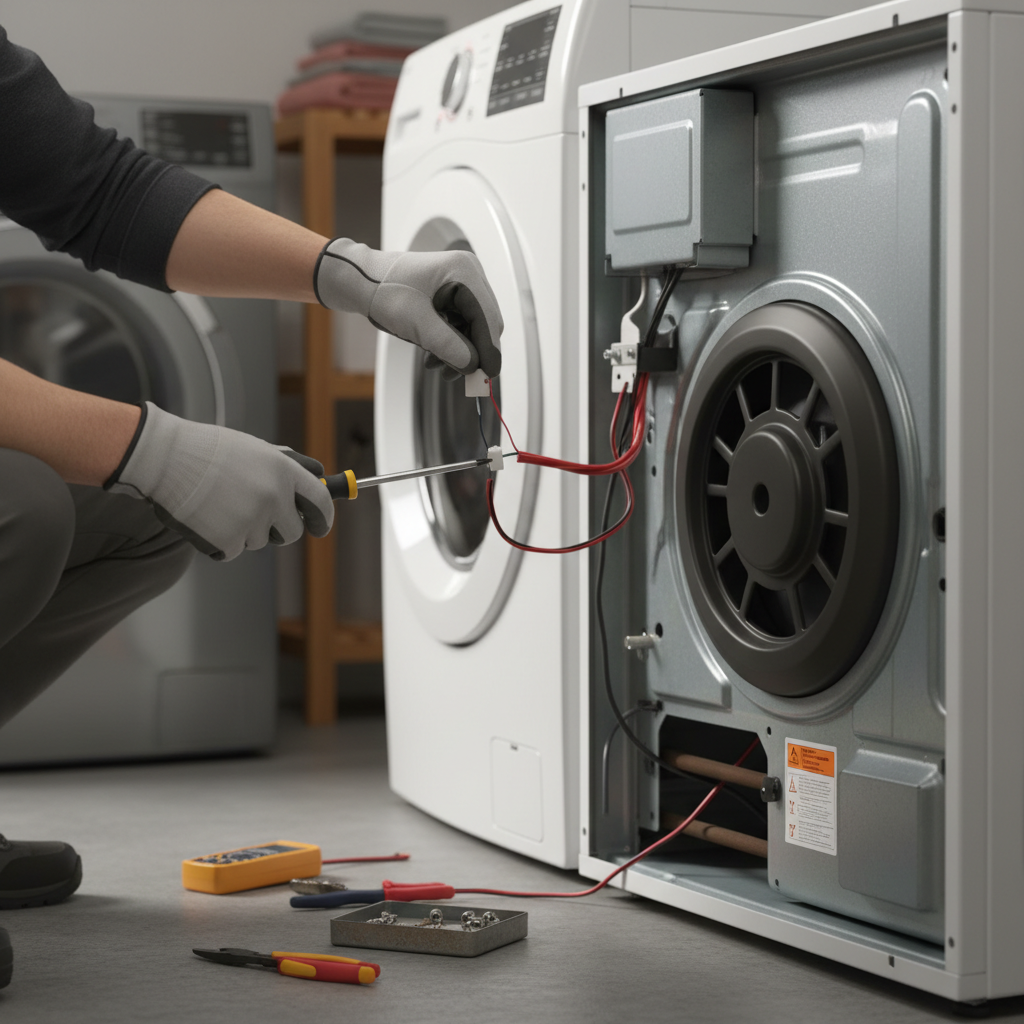
Tools & materials you'll need
Affiliate linksAs an Amazon Associate FixlyGuide earns from qualifying purchases — at no extra cost to you. Prices and availability are accurate as of publication and subject to change.
Quick Answer
If your electric dryer tumbles but doesn't produce heat, the most likely culprit is a tripped thermal fuse. This small, inexpensive safety component is designed to protect your dryer from overheating. Replacing it is a common DIY fix that typically costs under $20 and can be completed in about 30 minutes, restoring your dryer's heating function and saving you the cost of a professional repair.
The Problem
You've loaded your laundry, set the cycle, and come back to clothes that are just as wet as when they went in. The dryer tumbles, the light works, but there's no heat whatsoever. This isn't just an inconvenience; it means your laundry piles up, and you're left with damp garments. While several issues can cause a dryer to stop heating, a blown thermal fuse is by far the most common and easiest to fix for an electric dryer. Ignoring the problem won't make it go away, and continuing to run a dryer that isn't heating is a waste of electricity. Addressing it promptly can prevent further issues and get your laundry routine back on track.
How It Works
To understand why a thermal fuse stops your dryer from heating, it helps to know a little about how your dryer generates and regulates heat. Electric dryers use a heating element, which is essentially a large resistive coil that glows hot when electricity passes through it. Air is drawn into the dryer, heated by this element, and then circulated through the drum to dry your clothes before being expelled through the exhaust vent.
Safety is paramount in any appliance that generates heat, and dryers are no exception. This is where the thermal fuse comes in. It's a small, one-time-use safety device, typically located near the heating element or the blower housing. The thermal fuse contains a heat-sensitive link that will melt and break the electrical circuit if the temperature inside the dryer (or specifically, at the fuse's location) exceeds a safe threshold, usually around 300-320°F (150-160°C). When the fuse blows, it cuts off power to the heating element, preventing it from generating heat, even though the motor will still run and tumble the clothes. This prevents overheating, which could otherwise lead to a fire. Since the thermal fuse is a 'one-and-done' component, once it blows, it must be replaced. Unlike a circuit breaker, it doesn't reset.
Step-by-Step Fix
Before you begin any work on your dryer, always unplug it from the wall outlet. Working with electricity can be extremely dangerous. Wear work gloves to protect your hands from sharp metal edges.
- Safety First — Disconnect Power — Unplug your dryer completely from the wall outlet. Even if you're just checking components, accidentally bumping a live wire can cause serious injury or death. Don't rely on simply turning the dryer off at the control panel.
- Access the Rear Panel — Move your dryer away from the wall to access the back. Use a Phillips head screwdriver or a nut driver (typically 1/4-inch or 5/16-inch) to remove the screws securing the large metal access panel on the back of the dryer. Set the screws aside in a safe place. Gently remove the panel and set it aside.
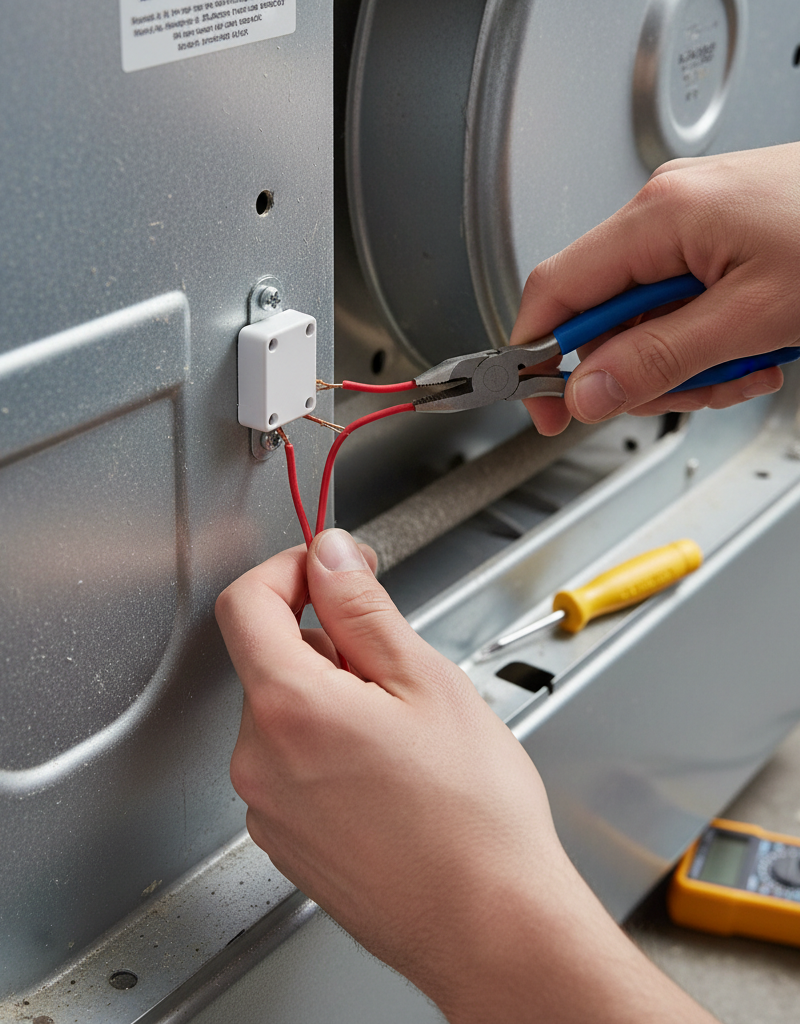
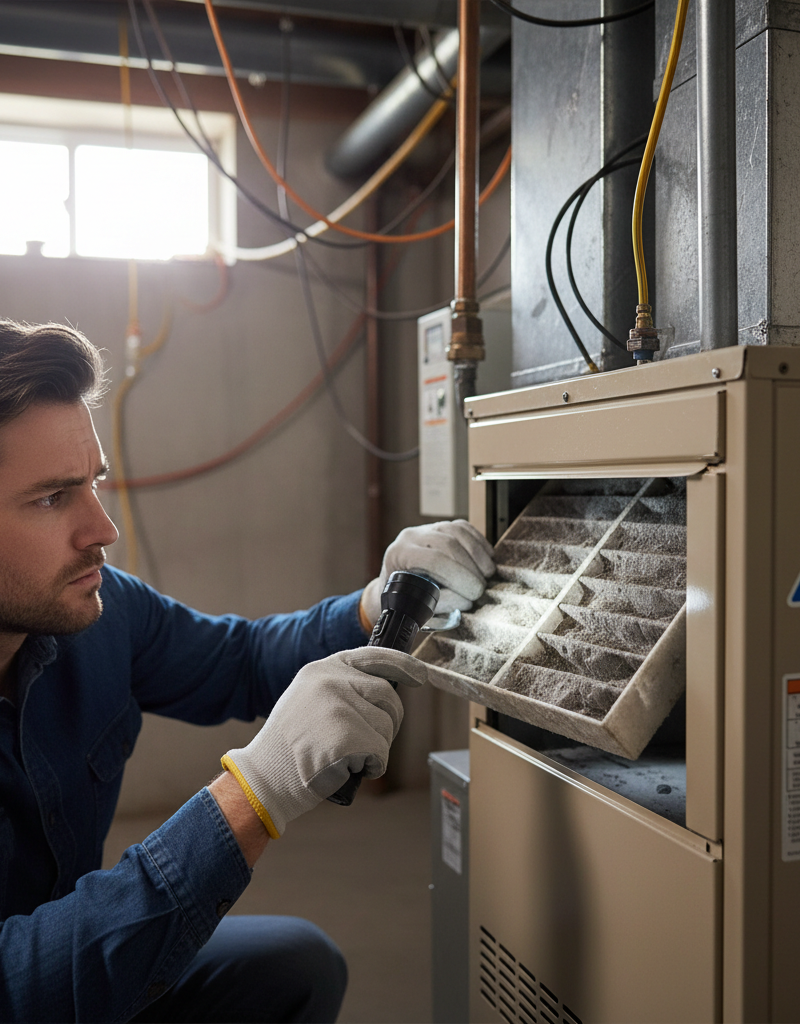
- Locate the Thermal Fuse — Identify the thermal fuse, typically a small white rectangular component. It's usually located on the blower housing or near the heating element housing, often mounted alongside other thermostats. It will have two wires connected to it. Key Diagnostic: While you're looking, inspect the lint trap and dryer vent hose for excessive lint buildup. A clogged vent is a common cause for overheating and a blown thermal fuse. Clean any visible lint.
- If you see heavy lint buildup: This is likely the root cause of your thermal fuse blowing. Thoroughly clean the entire vent path, from the dryer's exhaust port to the exterior vent cap. Consider using a vent cleaning brush kit.
- If the vent appears clear: The fuse might have failed due to age or an intermittent issue. Still, a quick look for obstructions is always a good idea.
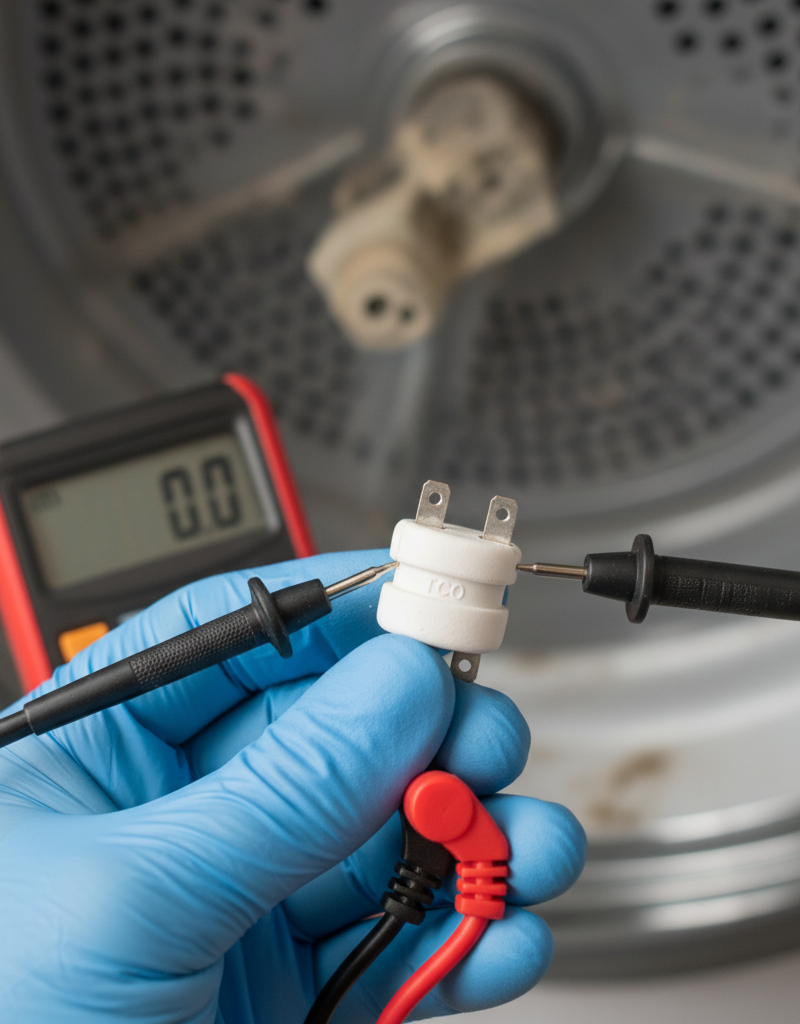
- Test the Thermal Fuse (Continuity Check) — Use a multimeter to check for continuity across the fuse's terminals. Set your multimeter to the continuity or ohms (Ω) setting. Place one probe on each terminal of the thermal fuse. A healthy fuse will show continuity (a reading of '0' or very close to it, or a beep if your meter has an audible continuity feature). If your multimeter shows no continuity (an 'OL' or infinite resistance reading, or no beep), the fuse is blown and needs replacement.
- No multimeter? You can still replace the fuse, but testing confirms it's the problem. If replacing it doesn't fix the issue, you'll need to troubleshoot further.
- Disconnect the Wires — Carefully pull the wires off the terminals of the blown thermal fuse. Note their orientation if they are different, though typically they can be reconnected either way. You might need needle-nose pliers for a tight connection.
- Remove the Blown Fuse — Unscrew or unclip the thermal fuse from its mounting. Most are secured with one or two small Phillips head screws. Remove these screws and the old fuse.
- Install the New Thermal Fuse — Attach the new thermal fuse in the same orientation as the old one. Secure it with the screws you removed. Ensure it's mounted firmly.
- Reconnect the Wires — Push the two wires back onto the terminals of the new thermal fuse. Make sure they are snug and won't easily pull off.
- Replace the Access Panel — Align the rear access panel and secure it with its screws. Don't overtighten the screws, as you could strip the metal.
- Test the Dryer — Plug the dryer back into the wall outlet and run a heat cycle. Listen for the heating element to kick on (you might hear a subtle hum or observe the air getting warm in the drum). If the clothes start warming up, you've successfully fixed the problem.
- If the dryer still doesn't heat: The thermal fuse might not have been the only issue, or there could be another component failure (e.g., heating element, cycling thermostat, high-limit thermostat). You'll need to continue troubleshooting or call a professional.
Common Causes
- Clogged Dryer Vent: This is the most common reason for a thermal fuse to blow. If lint builds up in the exhaust duct, the hot, moist air can't escape efficiently. This causes the dryer to overheat, tripping the safety fuse. Lint buildup is also a fire hazard.
- Faulty Cycling Thermostat: The cycling thermostat is responsible for regulating the temperature inside the dryer, turning the heating element on and off as needed. If it fails and doesn't shut off the heat when the desired temperature is reached, the dryer can overheat, blowing the thermal fuse.
- Failed High-Limit Thermostat: This is another safety thermostat designed to trip if the dryer gets too hot, often acting as a backup to the cycling thermostat. A faulty high-limit thermostat that allows temperatures to climb too high can also cause the thermal fuse to blow.
- Worn Heating Element: While less common directly, a heating element that cycles improperly or has a partial short could potentially contribute to erratic temperature control and overheating, leading to a blown fuse.
- Restricted Airflow (Internal): Lint can also build up inside the dryer, blocking the fan or internal air ducts, leading to similar overheating issues as a clogged main vent.
Common Mistakes
- Not Disconnecting Power: Forgetting to unplug the dryer completely is a dangerous mistake. Always assume wires are live until confirmed otherwise, and even then, don't take chances. Unplug the dryer.
- Replacing the Fuse Without Checking the Vent: If a clogged vent caused the original fuse to blow, simply replacing the fuse without clearing the vent means the new fuse will likely blow again very quickly, and the underlying fire hazard remains.
- Using the Wrong Replacement Part: Thermal fuses have specific temperature ratings. Using a generic or incorrect fuse can lead to improper dryer operation or, more dangerously, fail to trip when needed, creating a fire risk. Always use the manufacturer-recommended part number or a direct equivalent.
- Over-tightening Screws: Stripping screw threads during reassembly can make future repairs difficult and may not secure panels properly, leading to vibrations or potential hazards.
- Misdiagnosing the Problem: While the thermal fuse is often the culprit, sometimes the problem lies with the heating element, a different thermostat, or even the timer. If replacing the fuse doesn't work, avoid randomly replacing other parts. Proper troubleshooting with a multimeter is essential.
- Not Inspecting Wires: During disassembly, always look for melted, frayed, or burnt wires, especially near heating components. Damaged wiring should be addressed by a professional.
Cost & Time Breakdown
| Task | DIY Cost | Pro Cost | Time taken |
|---|---|---|---|
| Diagnose & Replace Thermal Fuse | $5–$20 | $150–$300 | 30–60 minutes |
| Clean Dryer Vent | $0–$30 (kit) | $100–$200 | 15–30 minutes |
| Replace Cycling Thermostat | $15–$40 | $150–$350 | 45–75 minutes |
| Replace Heating Element | $50–$150 | $200–$400 | 60–90 minutes |
Tips & Prevention
- Clean Your Lint Trap Every Load: This seems obvious, but many people skip it. A clean lint trap is the first line of defense against restricted airflow.
- Inspect and Clean Dryer Vent Annually: At least once a year, disconnect your dryer and thoroughly clean the entire exhaust ducting, from the dryer's port to the exterior vent cap. This is crucial for both efficiency and fire prevention.
- Check Exterior Vent Cap: Ensure the exterior vent cap isn't painted shut, blocked by nests, or clogged with lint. The flaps should open freely when the dryer is running.
- Use Proper Vent Material: Only use rigid metal or semi-rigid metal ducting for dryer vents. Flexible foil or plastic ducts can easily kink, trap lint, and are a fire hazard. Avoid overly long or kinked vent runs.
- Don't Overload the Dryer: Overloading restricts airflow, making the dryer work harder and increasing temperatures, which can stress components like the thermal fuse.
- Consider Professional Vent Cleaning: If you have a very long or complex vent run, consider hiring a professional vent cleaning service every few years.
When to Call a Professional
While replacing a thermal fuse is a manageable DIY task, there are specific situations where calling a licensed appliance repair technician is the safest and most practical option. If you replace the thermal fuse and your dryer still doesn't heat up, or if the new fuse blows again shortly after replacement, it indicates a deeper, underlying issue that requires professional diagnosis. This could point to a faulty heating element, a defective high-limit or cycling thermostat, or even an issue with the dryer's control board. Furthermore, if you encounter any signs of burnt wiring, melting plastic, or a persistent burning smell, immediately unplug the dryer and call a professional. These are serious indicators of electrical problems that pose a fire risk. If you're uncomfortable working with electrical components, unsure about the diagnosis, or the repair involves areas beyond the simple thermal fuse replacement, a qualified technician has the specialized tools and expertise to safely and effectively troubleshoot and repair your dryer, ensuring it operates correctly and safely.
Frequently asked questions
What does a thermal fuse do in a dryer?+
A thermal fuse is a safety device in a dryer that protects it from overheating. If the temperature inside the dryer exceeds a safe level, the fuse will blow, cutting power to the heating element to prevent a fire. Once it blows, it needs to be replaced.
Can I bypass a dryer thermal fuse to test it?+
No, you should never bypass a dryer's thermal fuse. It's a critical safety component designed to prevent fires. Bypassing it creates a serious fire hazard and should never be attempted. Always replace a blown fuse with the correct new part.
How long does a dryer thermal fuse last?+
A thermal fuse doesn't have a specific lifespan; it's designed to blow only when the dryer overheats. If your thermal fuse blows, it's usually an indication of an underlying problem like a clogged dryer vent or a faulty thermostat, rather than the fuse simply wearing out.
Why did my dryer's thermal fuse blow?+
The most common reason a dryer's thermal fuse blows is restricted airflow, typically due to a clogged lint trap or exhaust vent. Other causes can include a faulty cycling thermostat that isn't regulating temperature properly, or a failed high-limit thermostat.
What if my dryer still doesn't heat after replacing the thermal fuse?+
If your dryer still doesn't heat after replacing the thermal fuse, it means the fuse wasn't the only problem, or there's another underlying issue. You'll need to further troubleshoot other components like the heating element, cycling thermostat, or high-limit thermostat, or consider calling a professional appliance technician.
Is it safe to use a dryer with a blown thermal fuse?+
No, it is not safe to use a dryer with a blown thermal fuse, even if it appears to be tumbling. The blown fuse is a sign of an overheating issue. While the dryer may still tumble, it won't produce heat, and the underlying problem that caused the fuse to blow could still be a fire hazard if not addressed.
Discussion
Loading comments…