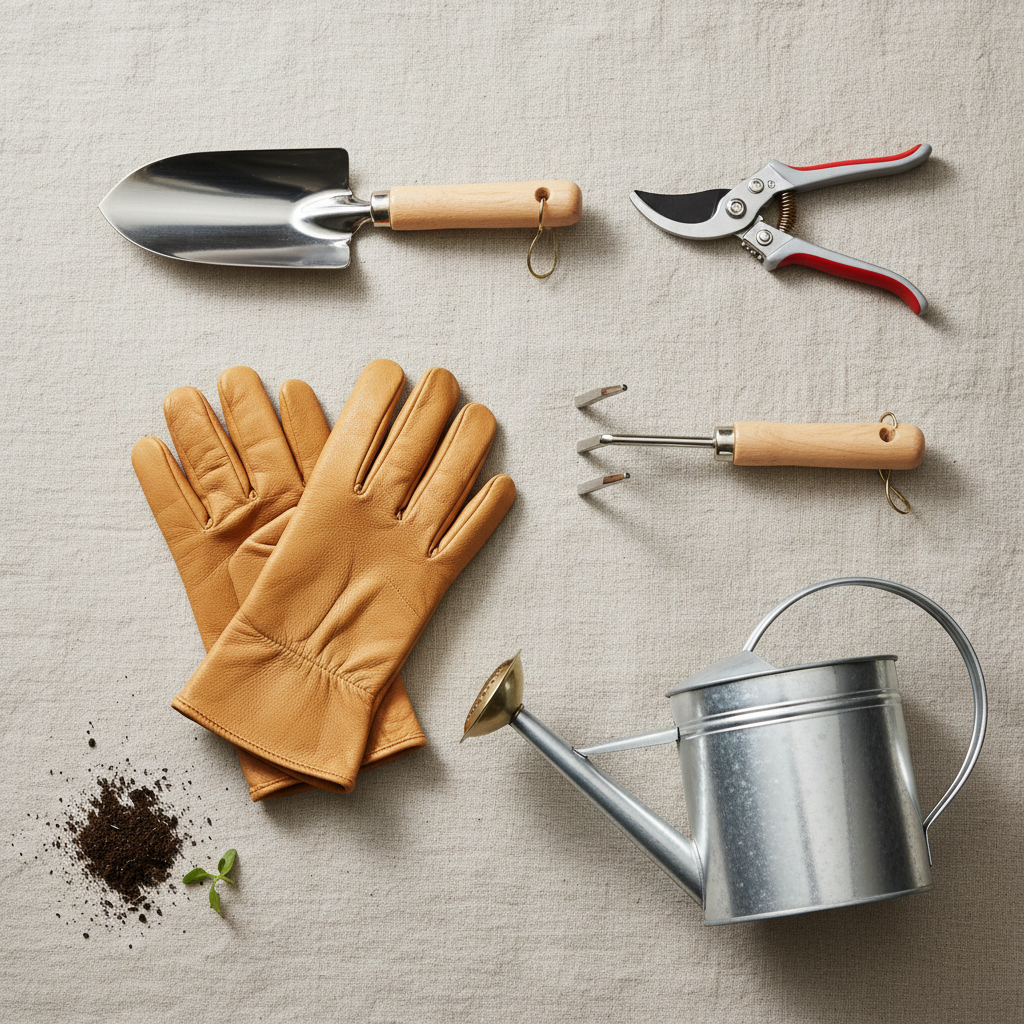
Tools & materials you'll need
Affiliate links- AmazonMineral Oil or Camellia Oilsmall bottle · For rust prevention
As an Amazon Associate FixlyGuide earns from qualifying purchases — at no extra cost to you. Prices and availability are accurate as of publication and subject to change.
Quick Answer
Starting a rewarding garden doesn't demand a massive collection of specialized tools. In fact, many new gardeners overspend on unnecessary items. The core of a successful and enjoyable gardening experience boils down to just five essential tools: a high-quality hand trowel, sharp bypass pruning shears, durable gardening gloves, a reliable watering can or hose with sprayer, and a small hand cultivator. By focusing on these, you can get your garden thriving without breaking the bank, delaying larger purchases until your specific needs become clearer.
The Problem
Walk into any garden center or browse online, and you're immediately confronted with an overwhelming array of gardening tools. There are dozens of types of spades, specialized weeding tools, various cultivators, and an endless selection of gadgets promising to make gardening easier. For a new homeowner just beginning their gardening journey, this abundance can be a significant hurdle. They might not know which tools are truly essential for basic tasks like planting, weeding, and watering, leading to either costly overspending on items they rarely use or, conversely, under-equipping themselves and finding simple tasks frustratingly difficult. The goal for a new gardener should be efficiency and effectiveness with a minimal, high-impact toolset, saving the more specialized purchases for when they have a clearer understanding of their garden's unique demands.
How It Works
Every gardening task, from amending soil to harvesting vegetables, relies on applying force or precision to soil, plants, or organic matter. Hand tools act as extensions of our hands, allowing us to perform these actions more effectively and efficiently. For example, a hand trowel's sharp edge and scooped blade are designed to dig small holes, transplant seedlings, and scoop soil with minimal effort, protecting your hands from soil, thorns, and pests. Pruning shears, with their scissor-like action, allow for clean cuts on stems and small branches, which is crucial for plant health and encouraging new growth. This clean cut minimizes damage to plant tissue, reducing the risk of disease and promoting faster healing. Safety gloves provide a critical barrier, protecting hands from blisters, cuts, splinters, and irritating plant saps, while also offering a better grip on tools. A watering can or a hose with a sprayer delivers water gently and precisely, ensuring plants receive adequate hydration without disturbing delicate root systems or compacting the soil. Finally, a hand cultivator breaks up soil clods, mixes in amendments, and dislodges shallow weeds with its tines, aerating the soil to improve water penetration and root growth. Understanding the mechanical advantage and protective functions of these basic tools helps demystify their purpose and highlights why they are truly indispensable for a beginner.
Step-by-Step Fix
Before you even put a seed in the ground, assembling your core tool kit is the first crucial step. This isn't about fixing something broken, but rather building the foundation for a successful garden. Think of it as preparing your workbench before starting a project.
Step 1: Assess Your Garden Space – Before buying anything, take a good look at your garden. How large is it? Are you planting in raised beds, containers, or directly into the ground? This will influence the size and type of tools you prioritize. A small balcony garden needs only hand tools, while a larger in-ground plot might eventually warrant a long-handled shovel.
- Small Space (Containers/Balcony): Focus entirely on hand tools and a smaller watering can.
- Medium Space (Raised Beds/Small In-ground Plot): Hand tools are still primary, but consider a small rake or garden fork.
- Large Space (Extensive In-ground Garden): Your core hand tools are still vital, but you'll eventually add long-handled tools.
Step 2: Invest in a Quality Hand Trowel – This is your primary digging, scooping, and planting tool. Look for a trowel with a sturdy, rust-resistant blade (stainless steel or carbon steel) and a comfortable, ergonomic handle. Avoid plastic trowels for anything beyond very soft potting mix.
- Blade Material: Stainless steel resists rust; carbon steel is strong but needs cleaning to prevent rust.
- Handle Comfort: Test different handles, ensuring a good grip even when wet.
- Size: A standard 6-8 inch blade is versatile for most tasks.
Step 3: Acquire Sharp Bypass Pruning Shears – These are essential for deadheading flowers, snipping herbs, and light pruning. Bypass shears make clean cuts, vital for plant health. Anvil shears crush stems and should be avoided for live plants.
- Blade Type: Always choose bypass shears for live plant material.
- Sharpness: Ensure blades are sharp and can be easily cleaned.
- Comfort: Look for a spring-loaded mechanism and a comfortable grip. Keep them clean and oiled to prevent rust and maintain sharpness.
Step 4: Protect Your Hands with Durable Gardening Gloves – Gloves are not optional. They prevent blisters, cuts, thorns, dirt under nails, and exposure to potential irritants. Look for breathable, flexible gloves with good grip.
- Material: Leather palms offer good protection; synthetic backs provide breathability. Choose waterproof if working in wet conditions frequently. Different tasks may require different gloves; thick rose gloves for thorns, thinner nitrile for repotting.
- Fit: Gloves should fit snugly but allow for dexterity.
- Length: Longer gauntlet-style gloves offer wrist and forearm protection.
Step 5: Secure a Reliable Watering Tool – Depending on your garden size, this will be either a watering can or a hose with an adjustable sprayer. Gentle, consistent watering is key to healthy plant growth.
- Watering Can: Choose one with a fine rose (sprinkler head) for delicate seedlings and containers. Look for capacity suitable for your needs (1–2 gallons is common).
- Hose with Sprayer: An adjustable sprayer allows for different patterns, from a gentle shower to a stronger stream for cleaning tools. Ensure connections are leak-proof.
- Water Source: Consider proximity to a spigot.
Step 6: Integrate a Small Hand Cultivator – This multi-tined tool is fantastic for breaking up compacted soil, mixing in amendments like compost, and lightly weeding. It aerates the soil, allowing water and nutrients to reach roots more effectively.
- Tine Material: Steel tines are durable. Look for forged construction for strength.
- Handle: Again, prioritize comfort and a good grip.
- Use Cases: Ideal for preparing small planting areas, mixing fertilizer into soil, and surface weeding.
Step 7: Keep Your Tools Clean and Sharp – This isn't just about aesthetics; it extends tool life and improves performance. After each use, wipe off dirt and debris. For shears and metal tools, consider wiping with an oiled rag to prevent rust. Sharpening shears periodically makes them more effective and safer to use.
- Cleaning: Use a stiff brush or old rag. For stubborn dirt, warm soapy water, then dry thoroughly.
- Rust Prevention: A light coat of mineral oil or camellia oil on metal parts.
- Sharpening: Use a sharpening stone or dedicated tool sharpener for shears. Dull tools require more force and can cause injury or damage plants. Always wear gloves when sharpening.
Common Causes
New gardeners often run into challenges not because of their lack of skill, but due to preventable issues related to tool selection and maintenance:
- Overwhelm by Choice: The sheer volume of gardening tools available leads to confusion and indecision, often resulting in purchasing either too much or the wrong items.
- Cheap Tool Syndrome: Opting for the cheapest tools often means sacrificing durability, comfort, and effectiveness, leading to frustration and early replacement.
- Ignoring Tool-Specific Design: Not understanding why a bypass pruner is different from an anvil pruner, or a cultiavtor from a trowel, results in using the wrong tool for the job, damaging plants or making tasks harder.
- Lack of Maintenance: Far too many new and even experienced gardeners neglect cleaning and sharpening tools, leading to rust, dull blades, and decreased efficiency.
- Impulse Buys: Falling for marketing
This article was independently written by FixlyGuide based on the source topic.
Frequently asked questions
What are the absolute beginner garden tools?+
For new gardeners, the absolute essentials are a hand trowel, pruning shears (bypass), gardening gloves, a watering can or hose with sprayer, and a small hand cultivator. These tools cover the vast majority of basic gardening tasks.
Discussion
Loading comments…