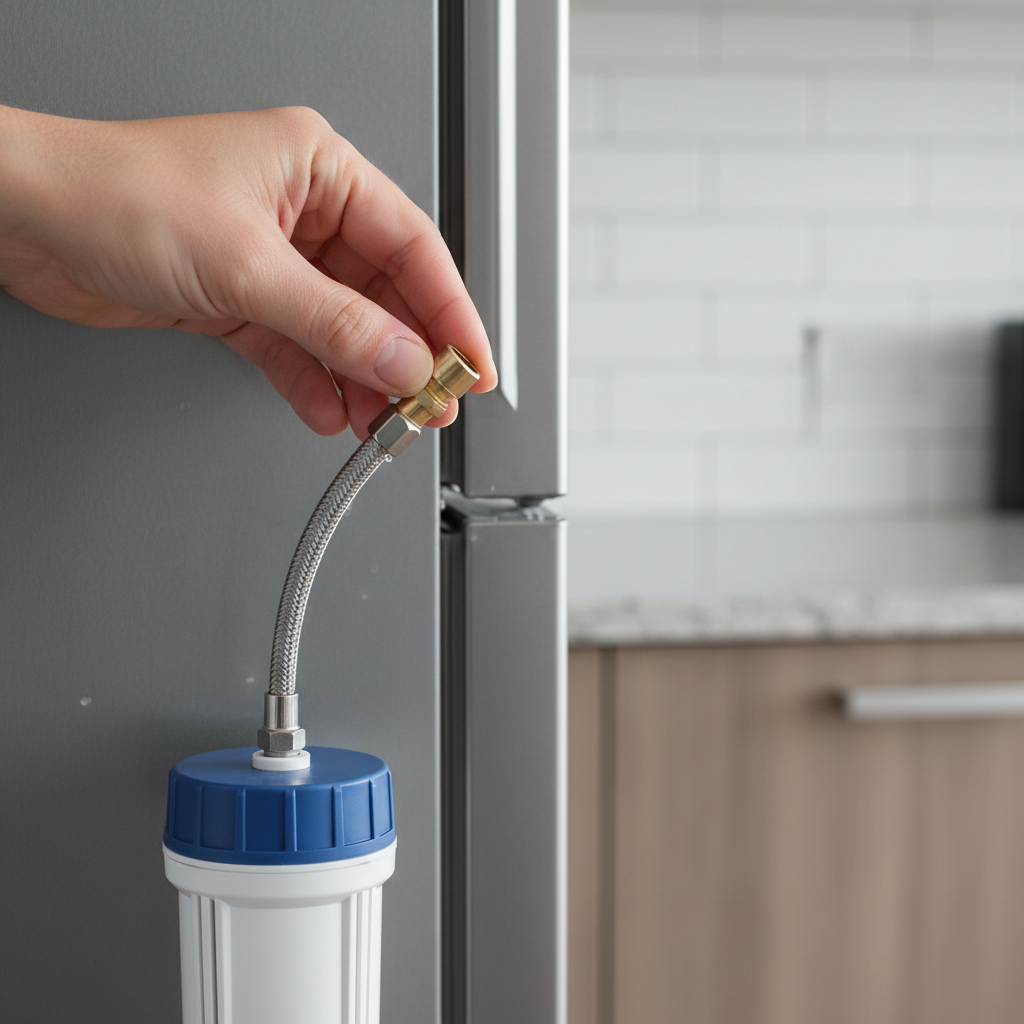
Tools & materials you'll need
Affiliate linksAs an Amazon Associate FixlyGuide earns from qualifying purchases — at no extra cost to you. Prices and availability are accurate as of publication and subject to change.
Quick Answer
If your refrigerator's ice maker isn't producing ice, the most frequent culprits are a lack of water supply due to a kinked or clogged water line, a faulty water inlet valve, or a frozen fill tube. These issues often prevent water from reaching the ice maker tray. A careful inspection of the water line, ensuring the freezer temperature is correct, and checking for obstructions in the fill tube will often resolve the problem without needing professional help.
The Problem
There's nothing quite as frustrating as reaching for ice on a hot day only to find an empty bin, or worse, a bin full of tiny, shriveled ice cubes. A refrigerator ice maker that ceases to produce ice is a remarkably common household dilemma. While it might seem like a complex internal failure, the reality is that many causes are surprisingly simple and easily fixable by a homeowner with basic tools and a bit of patience. From a simple kink in the water line to a frozen valve or even an incorrectly set freezer temperature, understanding the potential issues is the first step toward enjoying frosty beverages once again.
How It Works
To understand why your ice maker isn't working, it helps to know how it should work. The journey begins with your home's water supply, which connects to the refrigerator, typically through a small diameter plastic or copper tube. This water line usually runs from a cold water pipe under your sink or in your basement. Before reaching the ice maker, the water often passes through a filter, removing impurities and improving taste.
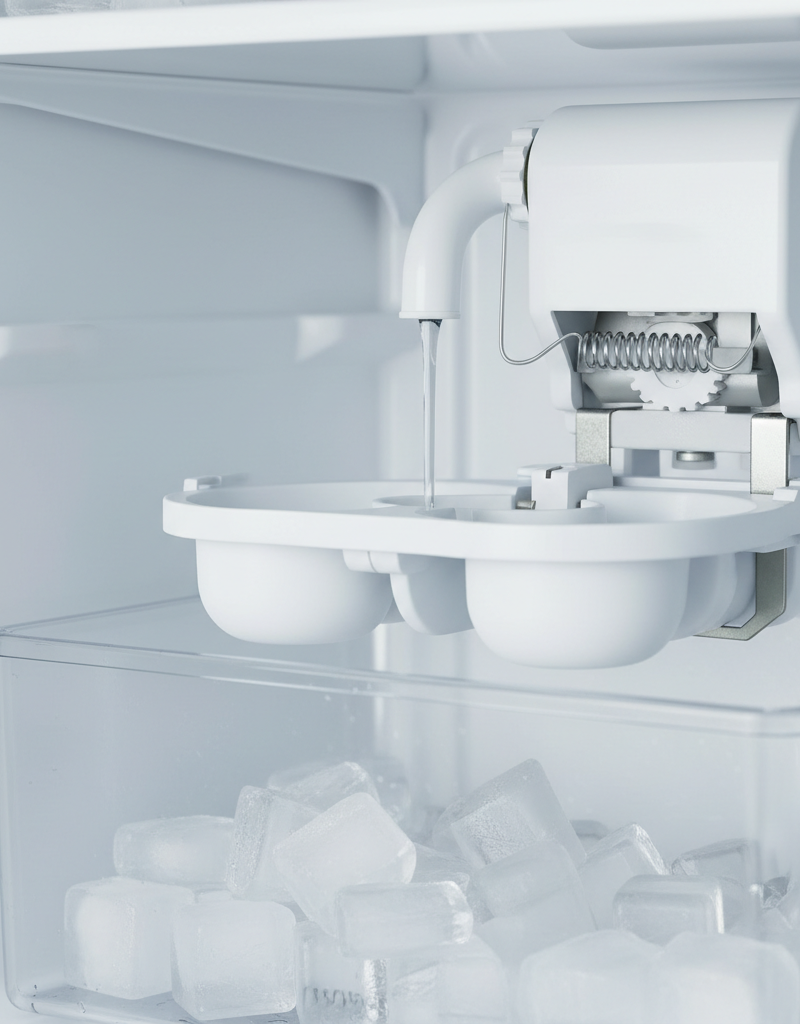
From the filter, the water travels to the water inlet valve, an electrically operated solenoid valve. When the ice maker calls for water, it sends an electrical signal to this valve, which then opens, allowing a controlled amount of water to flow. This water then travels through a small fill tube, depositing it into the ice maker's mold tray. Once the tray is full, a thermostat or thermistor inside the ice maker monitors the water temperature. When the water freezes solid (typically around 0°F or -18°C), the ice maker's motor activates. A heating element may briefly warm the mold to slightly loosen the ice cubes, and then a rotating ejector arm pushes the cubes out of the mold and into the storage bin. This process then repeats itself as long as the ice maker is turned on and water is supplied. A shut-off arm or sensor inside the ice bin detects when the bin is full, temporarily halting ice production until more space is available. Any interruption in this delicate cycle—be it a lack of water, a faulty electrical component, or a mechanical obstruction—will result in no ice or insufficient ice production.
Step-by-Step Fix
1. Check the Ice Maker Power Switch — Ensure it's not accidentally turned off.
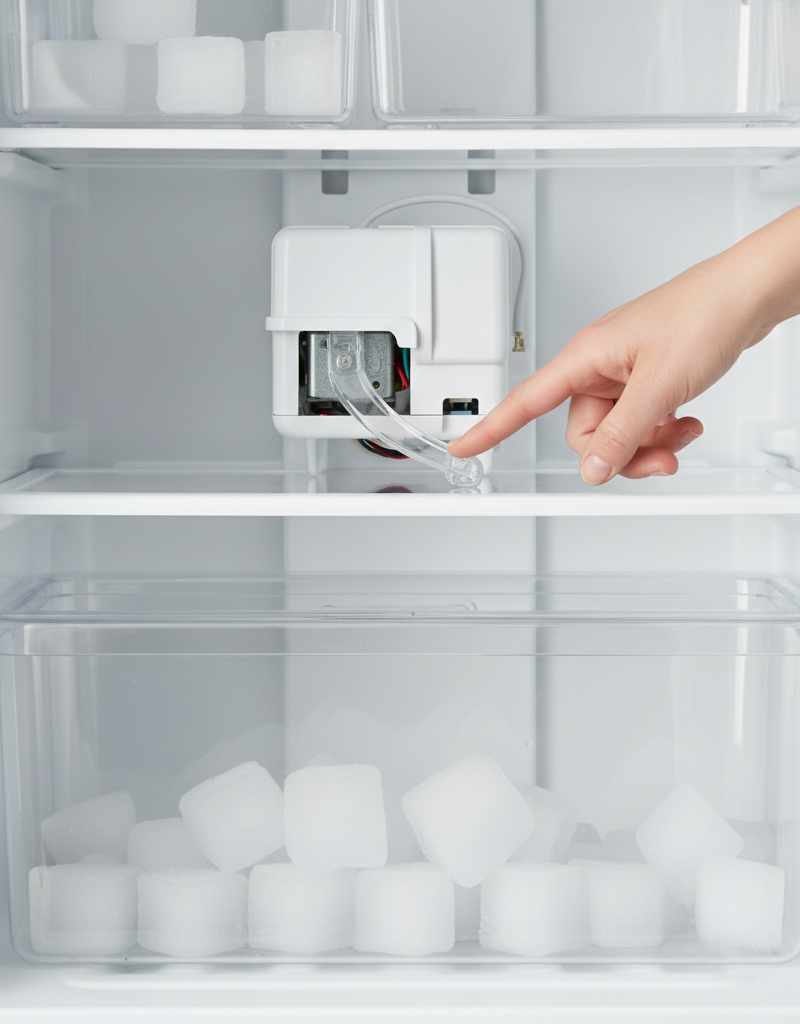
- Locate the power switch or bail wire on the ice maker mechanism itself, usually inside the freezer compartment. It's often a toggle switch or a metal shut-off arm. If the bail arm is in the up position, it's signaling the ice maker bin is full (or that you want it off). Lower it to the down position.
- If this doesn't work: Some refrigerators have an external ice maker shut-off button on the dispenser panel. Consult your refrigerator's manual if you can't find an internal switch.
2. Inspect the Water Supply Line — Look for kinks or blockages.
- Pull your refrigerator away from the wall to access the back. Visually inspect the thin plastic or copper water line that connects to the back of the fridge. Ensure it's not kinked, pinched, or crushed by the refrigerator against the wall.
- If a kink is found: Carefully straighten the line. If it's severely damaged, it may need to be replaced. Turn off the water supply to the fridge before disconnecting or replacing the line.
- Safety Note: Always unplug the refrigerator before moving it or performing any work on electrical or water components.
3. Verify Water Shut-Off Valve is Open — Confirm water is flowing to the fridge.
- Trace the water supply line from the back of the refrigerator to its connection point, typically under the kitchen sink or behind the fridge. Ensure the shut-off valve is fully open (the handle should be parallel to the pipe).
- If the valve is closed: Open it fully. Wait a few hours for the ice maker to cycle and produce ice.
4. Change the Water Filter — A clogged filter restricts water flow.
- Most modern refrigerators have an internal water filter, often located inside the fridge compartment, in the grille at the bottom, or sometimes at the very top. Refer to your owner's manual for its exact location and replacement instructions.
- Replacement interval: Water filters should typically be replaced every 6 months to ensure optimal water flow and filtration. A clogged filter is a very common reason for slow ice production or no ice at all.
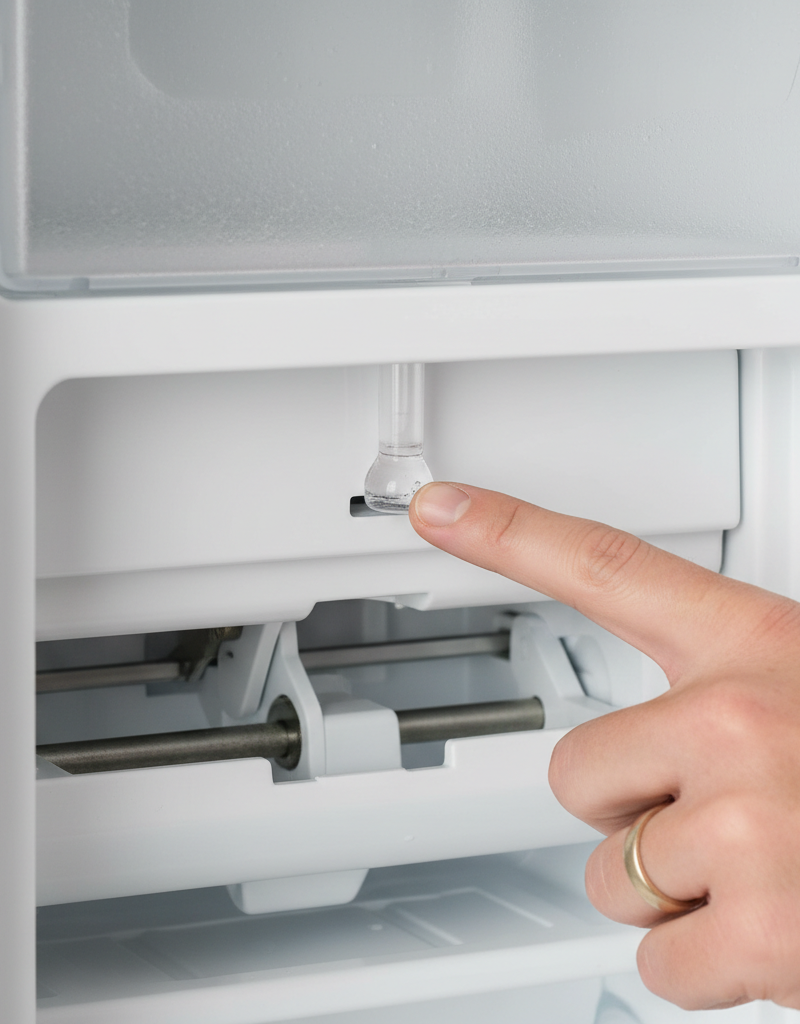
5. Check for a Frozen Fill Tube — Ice buildup can block water.
- Locate the small plastic fill tube that directs water from the water inlet valve into the ice maker's mold tray. It's usually a clear or white tube positioned directly above the ice maker.
- If you see ice: Use a hairdryer on a low setting (keeping it a safe distance away and being careful not to melt plastic components) or a warm, damp cloth to carefully thaw any ice blockage in the tube. Be patient and avoid forcing anything.
- Prevention: Ensure your freezer temperature isn't set too high (it should be around 0°F or -18°C). If the freezer warms up too much, the water in the tube can freeze before it reaches the tray, causing a blockage when it attempts to refreeze.
6. Test the Water Inlet Valve — A common point of failure.
- Safety First: Unplug the refrigerator before starting. Pull the refrigerator away from the wall. Locate the water inlet valve on the back of the unit, where the water supply line connects. You'll see two solenoid coils on the valve.
- Visual Inspection: Look for any signs of leaks, cracks, or corrosion. If the valve is visibly damaged, it needs replacement.
- Electrical Test (Advanced DIY): If you have a multimeter, you can test the solenoid coils for continuity. Disconnect the electrical connectors (labeling them first) and test each coil. A faulty coil will show an open circuit. This step might be best left to a pro if you're uncomfortable with electrical testing.
- If faulty: A new water inlet valve typically costs $20-$100 and can be replaced by carefully disconnecting the water lines and electrical connectors, then swapping in the new unit. Turn off the main water supply and unplug the fridge before attempting this.
7. Examine the Ice Maker Module/Tray — Look for mechanical issues.
- Visually inspect: With the freezer door open, look at the ice maker's components. Are there any broken gears, a seized ejector arm, or excess ice buildup preventing movement? Occasionally, a clump of ice can form and jam the ejector mechanism.
- Manual Cycle (if applicable): Some ice makers have a test button or a way to manually cycle the ejector arm. Consult your manual. If the arm moves sluggishly or not at all, the module itself might be faulty.
- Replacement: If the module appears damaged or tests indicate a failure, the entire ice maker assembly might need replacement. This usually involves disconnecting a few screws and an electrical harness, and can range from $50-$200 for the part.
Common Causes
- Kinked or Blocked Water Line: The most frequent and easiest to fix. The slender plastic line can easily be crushed or kinked if the refrigerator is pushed too close to the wall.
- Closed Water Supply Valve: Either the main valve to the house or the specific inline valve for the refrigerator might be closed, preventing water flow entirely.
- Clogged Water Filter: Filters are designed to trap sediment and impurities, but they become restricted over time, significantly reducing water pressure to the ice maker. Timely replacement is crucial.
- Frozen Fill Tube: Water can freeze in the small tube leading to the ice maker's tray, especially if freezer temperatures fluctuate or if the water valve drips slightly.
- Faulty Water Inlet Valve: This electrical solenoid valve controls water flow. If its coil burns out or it becomes mechanically jammed, water won't reach the ice maker.
- Defective Ice Maker Assembly: The motor, thermostat, or ejector mechanism within the ice maker module itself can fail, preventing the ice-making cycle.
- Incorrect Freezer Temperature: If the freezer is too warm, water won't freeze properly. If it's too cold, it can contribute to a frozen fill tube.
- Ice Maker Shut-Off Arm Engaged: The bail wire or optical sensor indicating a full ice bin (or telling the ice maker to stop) might be stuck in the
Related Articles
Keep troubleshooting with these hand-picked guides from FixlyGuide:
- The #1 Mistake Homeowners Make When Their Ice Maker Stops (And the Easy Fix) — Is your refrigerator ice maker on strike? Often, a simple oversight or minor clog is the culprit, easily fixable with basic tools.
- The #1 Reason Your Ice Maker Stopped (It's Not Clogged!) — Discover the most overlooked culprit behind a non-working ice maker and how a simple fix can restore fresh ice to your freezer.
- The #1 Mistake Homeowners Make When Their Dishwasher Stops Cleaning (And the Simple Fix) — Discover the most common reason your dishwasher isn't cleaning dishes and learn a simple, effective fix you can do yourself in minutes.
- The #1 Mistake Homeowners Make When Their Ice Maker Stops (And the Easy Fix) — Before you call for service, learn the most common and easily fixable reason your refrigerator's ice maker isn't producing ice.
- The #1 Mistake Homeowners Make When Their Dryer Stops Drying (And How to Fix It Free) — If your dryer is taking too long to dry clothes, the most common culprit is a clogged vent, which can be easily fixed with simple tools.
- The Secret Culprit Behind Your Leaky Refrigerator (It’s Not Always a Hose) — Discover the hidden causes of your refrigerator leaking water and how to fix them with our comprehensive troubleshooting guide.
Frequently asked questions
Why is my ice maker not getting water?+
The most common reasons an ice maker isn't getting water include a kinked or blocked water supply line, a closed water shut-off valve, or a clogged water filter that restricts water flow to the refrigerator.
How do I reset my ice maker?+
Many ice makers can be reset by simply turning off the ice maker power switch (or lifting the bail arm) for 30 seconds, then turning it back on. Some models have a test/reset button on the module itself; consult your owner's manual.
How often should I change my refrigerator water filter?+
Most refrigerator manufacturers recommend replacing the water filter every six months. This ensures optimal water quality and prevents clogs that can reduce water flow to both the dispenser and the ice maker.
Can a bad water filter stop an ice maker from working?+
Yes, absolutely. A clogged or expired water filter can significantly restrict water flow to the ice maker, leading to slow ice production or no ice at all. Replacing it regularly is crucial for a healthy ice maker.
What temperature should my freezer be for the ice maker to work?+
Your freezer should ideally be set to 0°F (-18°C) for optimal ice production and food preservation. Temperatures much higher can prevent water from freezing properly, while slightly lower temperatures are generally fine.
Discussion
Loading comments…