
Tools & materials you'll need
Affiliate links- AmazonSturdy extension ladderEnsure it's rated for your weight and height requirements
- AmazonGutter scoop or small trowel
- AmazonGarden hose with adjustable nozzle
- Amazon4-foot levelCrucial for accurate pitch measurement
- AmazonRubber mallet (for spike-and-ferrule systems)If your hangers are spike-and-ferrule type
- AmazonCordless drill/driver with appropriate bitsFor adjusting screw-in hangers or adding new ones
- Amazon#2 Phillips head screwdriver
- AmazonChalk lineOptional, for precise pitch guidance
As an Amazon Associate FixlyGuide earns from qualifying purchases — at no extra cost to you. Prices and availability are accurate as of publication and subject to change.
Quick Answer
While leaves and debris frequently cause gutter clogs, the most insidious and often overlooked reason your gutters overflow during heavy rain is incorrect slope, or 'pitch.' Gutters aren't designed to be perfectly level; they require a subtle downward angle – typically 1/16 to 1/8 inch per linear foot – guiding water towards the downspouts. Without this precise pitch, water simply pools, stagnates, and eventually cascades over the sides when faced with a significant rainfall, even if the gutters appear clear.
The Problem
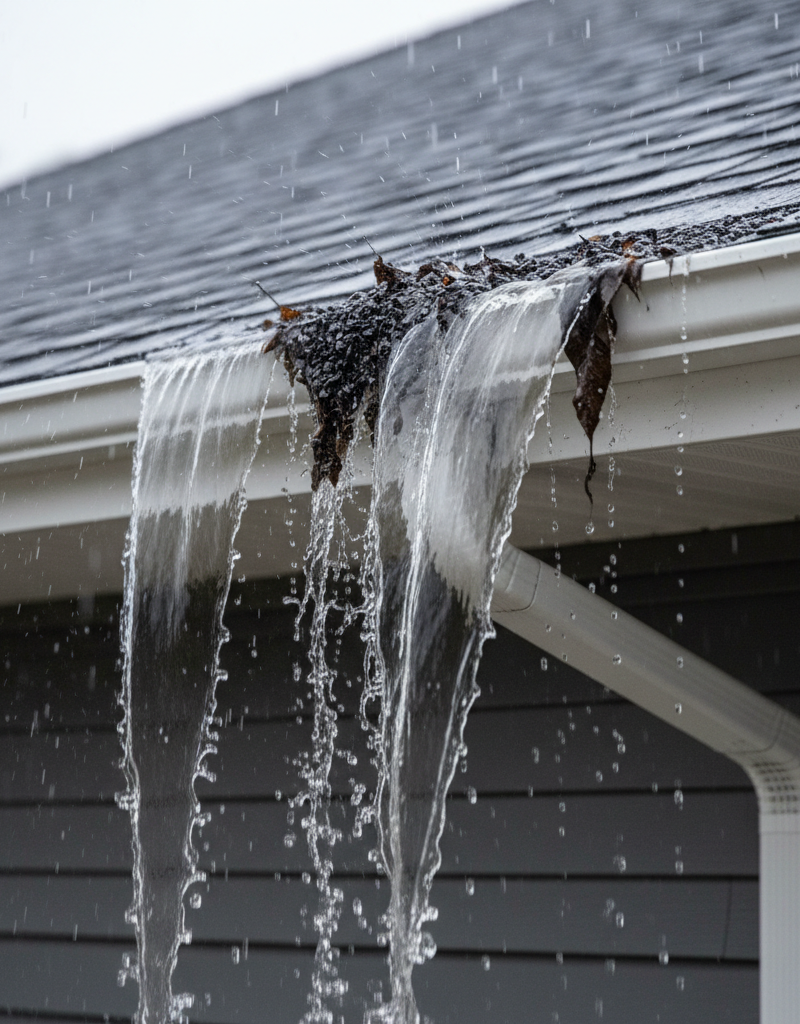
You've just experienced a torrential downpour, and instead of gracefully channeling water away from your home, your gutters turned into waterfalls. Water is gushing over the edges, soaking your foundation, eroding landscaping, and potentially seeping into your basement or damaging your fascia boards. You might have even diligently cleaned out all the leaves and gunk, only to be frustrated when the problem persists with the next heavy rain. This persistent overflowing, especially where segments seem clear of debris, points directly to a fundamental issue with your gutter system's installation: the pitch. It's not just an annoyance; it's a silent threat to your home's structural integrity and can lead to costly repairs if ignored.
How It Works
Imagine a river that flows perfectly level – it wouldn't move, right? Gutters work on the same principle, albeit on a much smaller scale. Gravity is their best friend. For a gutter system to effectively collect and transport thousands of gallons of water from your roof during a storm, it relies on a precisely engineered slope. This slope, or pitch, allows gravity to pull water consistently and steadily towards the downspouts.
Typically, the recommended pitch is 1/16 inch to 1/8 inch of drop for every 10 feet of gutter run. This seems like a minuscule amount, but it's critical. If the pitch is too flat, water will simply sit there, creating standing pools. This provides ample opportunity for mosquitoes to breed, for algae and grime to build up, and, most importantly during heavy rain, for the sheer volume of water to overwhelm the stagnant sections and spill over the sides.
Conversely, if the pitch is too steep, water might flow too quickly, potentially overshooting the downspout opening or creating a funnel effect that causes splashing. It can also put undue stress on certain sections of the gutter where water accelerates. The ideal pitch ensures a smooth, controlled flow that efficiently directs all collected water into the downspout and away from your home's foundation.
The system typically comprises sections of gutter attached to the fascia board with hangers, and these hangers are responsible for maintaining the pitch. Downspouts, connected to the gutters, then carry the water harmlessly to the ground, often via extensions that direct it even further away from the house. When any part of this system – especially the pitch – is compromised, the entire drainage function fails, leading to the overflowing you witness during heavy rainfall.
Step-by-Step Fix
1. Safety First – Assess your ladder and surroundings.
Always ensure your ladder is stable on level ground. Have a spotter if possible. Never work during a storm or on a wet roof. Wear sturdy shoes and gloves. If your gutters are very high or you're uncomfortable on a ladder, consider calling a professional.
2. Clear Visible Debris – Remove leaves, twigs, and sediment from the gutters.
Even if pitch is the primary issue, clogs can exacerbate it. Use a scoop or your gloved hands to remove any large debris from the gutter troughs. Flush with a garden hose to check for any remaining blockages in the gutter or downspouts. If a downspout is clogged, try feeding a plumber's snake or a garden hose (with the nozzle off) down the suspected downspout to dislodge the blockage.
3. Inspect for Standing Water – Identify areas where water pools.
After clearing debris, run water through a section of your gutter with a garden hose. Observe how the water flows. Does it move steadily towards a downspout, or does it pool in certain sections? Mark these pooling areas with a piece of chalk or brightly colored tape. This helps you pinpoint exactly where the pitch needs correction.
4. Locate and Examine Hangers – Identify the type and condition of your gutter hangers.
Gutter hangers are usually spaced every 2-3 feet along the fascia. They can be internal (hidden) or external (visible). Common types include spike-and-ferrule, hidden hangers with screws, and fascia brackets. Look for any loose, bent, or broken hangers, as these can cause sections of the gutter to sag.
5. Measure the Existing Pitch – Determine the current slope of your gutter sections.
Start at the highest point of a gutter run (usually farthest from the downspout). Use a 4-foot level. Place it on the bottom of the gutter trough. Elevate the lower end of the level until the bubble is centered. Measure the distance from the bottom of the level to the bottom of the gutter. This measurement over 4 feet will help you calculate the current pitch. Aim for 1/16 to 1/8 inch drop per 10 feet. For a 4-foot section, this would be roughly 1/20 to 1/40 inch drop. A simpler method is to just observe significant pooling after clearing and rinsing.
6. Adjust Hanger Heights – Carefully reposition or tighten existing hangers to create the correct pitch.
- For Spike-and-Ferrule systems: Carefully tap the spikes further into the fascia board to raise a sagging section, or gently pull them out slightly to lower. Be cautious not to loosen them too much. You might need a rubber mallet.
- For Hidden Hangers with Screws: These are often easier to adjust. Loosen the screw slightly, reposition the hanger to achieve the desired pitch, then re-tighten. You may need to pre-drill new pilot holes if moving the hanger significantly.
- For Fascia Brackets: These can be tricky. You might need to unscrew the entire bracket, adjust its position up or down slightly, and re-screw it. Sometimes adding shims behind the bracket can help fine-tune the pitch.
Start at the downspout end, ensuring it's at the lowest point of the run, then work your way up, gradually increasing the height for the correct slope. Use your level frequently to re-check the pitch as you go. A chalk line strung from one end of the gutter run to the other (from the highest point to the lowest point at the downspout, with the correct pitch accounted for) can be a very effective visual guide.
7. Add New Hangers (If Needed) – Reinforce sagging sections with additional support.
If you have long spans or persistent sagging, adding extra hangers between existing ones can provide better support and help maintain the desired pitch. Space new hangers evenly, ensuring they align with the adjusted pitch.
8. Re-test with Water – Confirm the fix by running water through the system again.
Once adjustments are made, thoroughly flush the gutters with a garden hose. Observe the water flow from multiple angles. Does it now drain smoothly and completely towards the downspouts without pooling or overflowing? Make any final minor adjustments as needed.
Common Causes
- Incorrect Gutter Pitch: This is the most frequent culprit when gutters overflow despite being relatively clean. If the slope isn't set correctly during installation or has shifted over time, water won't drain efficiently.
- Clogged Downspouts: Even if the gutter trough is clear, a blockage in the downspout itself will cause water to back up and overflow. This is often due to leaves, shingle grit, or even small nests.
- Under-sized Gutters: If your home's roof area is very large or you live in an area with extremely heavy rainfall, your gutters might simply be too small to handle the volume of water. Standard 5-inch gutters are common, but 6-inch gutters may be necessary in some cases.
- Sagging Gutter Sections: Damaged hangers, loose fasteners, or excessive weight from standing water or debris can cause sections of the gutter to sag, creating low spots where water accumulates and overflows.
- Insufficient Downspouts: A long run of gutter might not have enough downspouts to efficiently drain the water. As a general rule, a downspout should be installed every 30-40 feet of guttering.
- Debris Accumulation: While often blamed, persistent overflowing after cleaning points to other issues. However, regular accumulation of leaves, twigs, and shingle grit will lead to clogs and overflow if not addressed.
Common Mistakes
- Assuming All Overflow is a Clog: Many homeowners' first instinct is to clean the gutters, which is good maintenance, but often overlooks pitch issues. If overflowing persists, don't stop at just cleaning.
- Ignoring Standing Water: Standing water in gutters, even after a light rain, indicates a pitch problem and should not be ignored. It's a precursor to overflowing and can lead to rust and deterioration.
- Over-tightening Hangers: While securing hangers is important, overtightening can warp or damage the gutter material, especially if it's aluminum, making proper pitch even harder to achieve.
- Incorrect Pitch Measurement: Guessing the pitch or using an uneven surface to measure can lead to further problems. Use a reliable level and calculate the drop per foot or ten feet carefully.
- Not Extending Downspouts: Even if your gutters and downspouts work perfectly, if the water isn't directed at least 5-10 feet away from your foundation, it can still cause erosion and basement flooding.
- Neglecting Gutter Guards: While not a complete solution, installing quality gutter guards can significantly reduce the frequency of clogs, making it easier for a properly pitched system to function.
Cost & Time Breakdown
| Task | DIY Cost | Pro Cost | Time |
|---|---|---|---|
| Clear major clogs | $0–$10 (hose/scoop) | $75–$250 | 30 min – 1 hour |
| Inspect and measure pitch | $0–$20 (level) | Included in service | 30 min – 1 hour |
| Adjust existing hangers | $0–$30 (screws/mallet) | Included in service | 1–3 hours |
| Add new hangers/reinforce | $20–$50 (hangers) | $150–$400 | 2–4 hours |
| Downspout extension | $15–$50 | Included in service | 15–30 minutes |
| Full gutter system replacement* | N/A | $800–$3,500+ | 1–3 days |
*Note: Full gutter replacement is only for extreme cases where the entire system is undersized or severely damaged.
Tips & Prevention
- Regular Cleaning: Aim to clean your gutters at least twice a year, in late spring and late fall, or more often if you have many trees nearby.
- Inspect After Storms: After heavy winds or storms, quickly check your gutters and downspouts for detached sections or new blockages.
- Use Downspout Extensions: Always ensure your downspouts discharge water at least 5 to 10 feet away from your home's foundation to prevent erosion and basement issues.
- Consider Gutter Guards: While not maintenance-free, quality gutter guards can significantly reduce the amount of debris entering your gutters, especially from leaves and pine needles.
- Trim Overhanging Branches: Prune trees that hang directly over your roof and gutters to minimize leaf and twig accumulation.
- Monitor Roof Shingles: Granules from deteriorating shingles can accumulate in gutters and clog downspouts. If you notice excessive granule loss, it might be time to consider roof inspection or replacement.
When to Call a Professional
If you've cleared your gutters and downspouts, carefully adjusted the pitch, and the overflowing problem persists, it's time to call a licensed professional. This is especially true if you suspect your gutters are undersized for your roof area, if sections are severely damaged or detached from the fascia, or if you have multi-story gutters that are difficult or dangerous to access. Professionals have the right ladder equipment, expertise, and tools to safely diagnose complex pitch issues, replace damaged sections, or even install a correctly sized and pitched new gutter system, ensuring proper drainage and protecting your home's foundation from prolonged water damage. They can also assess if internal framing damage is contributing to fascia or gutter sagging.
Related Articles
Keep troubleshooting with these hand-picked guides from FixlyGuide:
- Is Your Gutter Sagging After Every Storm? The Hidden Flaw Most Homeowners Miss — Discover the overlooked reason your gutters sag after every storm and learn the lasting fix that most homeowners miss.
- The 3 Hidden Reasons Your Gutters Fail in Heavy Rain (It’s Not Just Leaves) — Overflowing gutters during heavy rain often stem from a few common, yet overlooked, issues beyond simple leaf clogs, leading to potential s…
- The Secret Reason Your Gutters Overflow (It's Not Always Clogs) — Discover the hidden culprits behind overflowing gutters during heavy rain and how to diagnose and fix them before they cause serious home d…
- The #1 Mistake Homeowners Make After Finding Missing Shingles (And How to Fix It Right) — Discover the crucial steps to take after a storm rips shingles from your roof, ensuring a proper, lasting repair and preventing costly futu…
- The 3 Hidden Mistakes That Make Your Deck Sealer Fail (And How to Fix Them) — Resealing your wood deck protects it from weather and extends its life. Learn how to avoid common mistakes for a long-lasting finish and vi…
- The #1 Mistake Homeowners Make When Their AC Drain Clogs (And The $5 Fix) — Discover the most common error homeowners make when tackling a clogged AC drain line and learn a simple, inexpensive solution to prevent co…
Frequently asked questions
How much pitch should a gutter have?+
Gutters should ideally have a pitch (slope) of 1/16 to 1/8 inch for every 10 linear feet of gutter. This slight angle allows gravity to effectively pull water towards the downspouts.
Why do my gutters overflow even after cleaning?+
If your gutters overflow immediately after you've cleaned them, the most likely culprit is incorrect pitch or insufficient downspouts. The gutter isn't sloped adequately for water to drain, causing it to pool and spill over during heavy rain.
Can undersized gutters cause overflowing?+
Yes, if your roof's surface area generates a high volume of water during heavy rainfall, your gutters may simply be too small (undersized) to collect and channel it all, leading to overflow.
How often should I check my gutter pitch?+
It's a good idea to visually inspect your gutter pitch anually, especially after harsh winters or heavy storm seasons. Look for standing water or noticeable sags in the gutter runs, which indicate a pitch problem.


Discussion
Loading comments…