
Tools & materials you'll need
Affiliate links- AmazonSturdy extension ladderAppropriate height for your dwelling
- AmazonSmall gutter scoop or trowel
- AmazonGarden hose with strong spray nozzle
- AmazonPlumber's snake or augerFor stubborn downspout clogs
- AmazonBucket or tarpFor debris collection
- Amazon4-foot levelFor checking gutter pitch
- AmazonAdjustable wrench or drillFor hanger adjustments, if needed
As an Amazon Associate FixlyGuide earns from qualifying purchases — at no extra cost to you. Prices and availability are accurate as of publication and subject to change.
Quick Answer
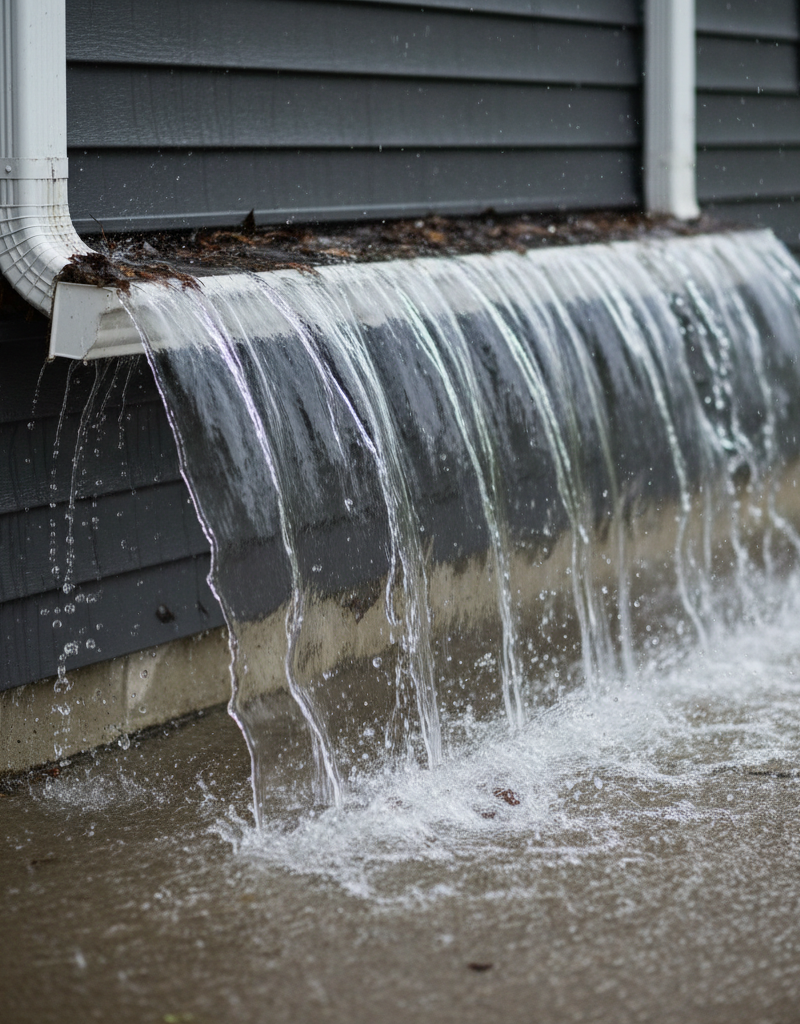
Overflowing gutters during heavy rain are a common homeowner headache, often leading to fascia damage, foundation issues, and even basement flooding. While most people immediately assume a clog, the real culprits can range from simple debris blockages to more complex issues like incorrect gutter pitch, undersized gutters for your roof's water volume, or improperly installed downspouts. A systematic approach to diagnosis and repair, starting with a thorough cleaning and inspection, can prevent costly future damage.
The Problem
Heavy rain should flow smoothly from your roof, into your gutters, and away from your home's foundation via downspouts. When this system fails and gutters overflow, water cascades down siding, soaks into the ground around your foundation, and can even seep into your basement or crawl space. This seemingly minor issue can lead to significant structural damage, rot in fascia and soffits, eroded landscaping, and dangerous mold growth. The sound of overflowing gutters during a storm is a clear warning sign that your home's primary defense against water damage is compromised.
How It Works
Your home's gutter system is engineered to capture and divert thousands of gallons of water away from your dwelling during a rain event. The roof, acting as a massive funnel, collects rainwater, which then travels down its sloped surface and into the gutter troughs. These troughs are subtly pitched (typically 1/16 to 1/8 inch per 10 feet) to ensure gravity pulls the water towards the downspouts. Downspouts, vertical pipes, then channel the water safely to the ground level, often into a splash block or underground drainage system, releasing it several feet away from the foundation.
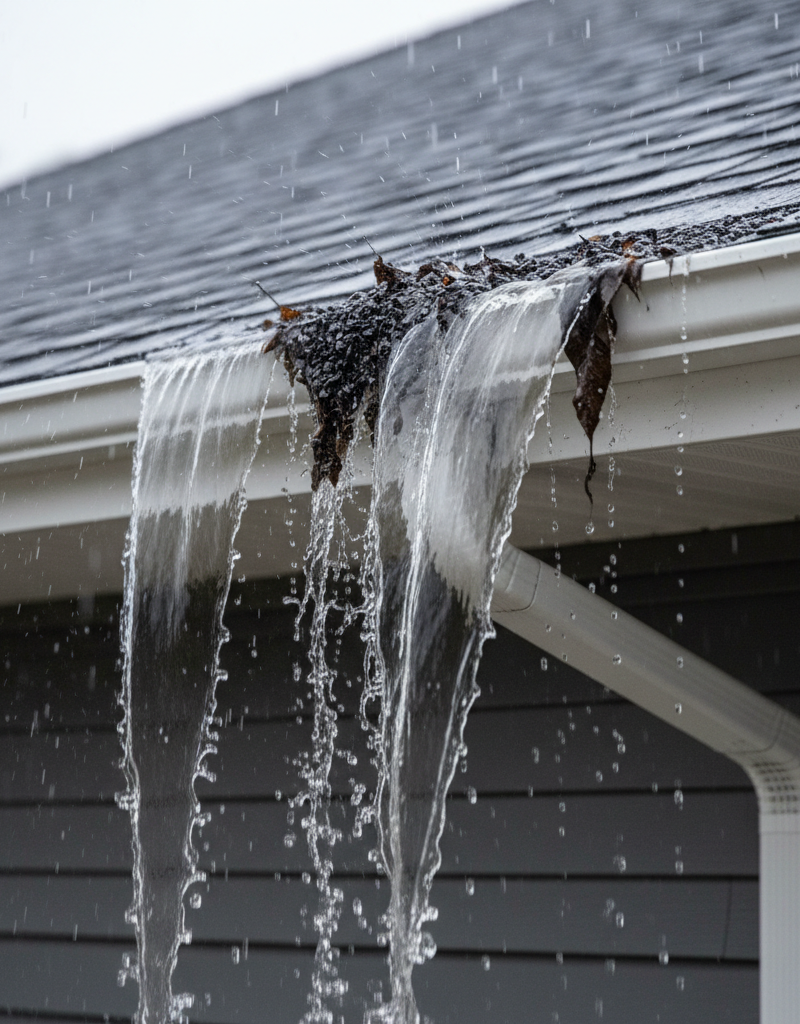
The capacity of your gutters and downspouts is crucial. Standard 5-inch K-style gutters can handle runoff from a significant roof area, but extremely large or steep roofs may require 6-inch gutters. Similarly, the number and placement of downspouts are vital; too few, or downspouts that are too small, will quickly become overwhelmed, especially during intense downpours. Debris, such as leaves, twigs, and shingle grit, can accumulate and block this flow path. If debris builds up in the gutter trough, it reduces the effective depth and volume, causing water to spill over. Blockages within the downspout itself are even more problematic, creating a dam that prevents any water from exiting, leading to rapid overflow at the top of the downspout connection or along the entire gutter length. Proper functioning relies on an unobstructed path and adequate capacity throughout the entire system.
Step-by-Step Fix
1. Prioritize Safety — Never work on a ladder alone or in wet conditions.
Always use a sturdy ladder and have someone spot you. Wear gloves to protect your hands from sharp edges, debris, and potential pests. Avoid working during rain or when surfaces are slippery. Ensure the ladder is on stable, level ground.
2. Clear Gutter Troughs — Remove all leaves and visible debris.
Don sturdy work gloves. Use a small trowel or scoop to remove accumulated leaves, twigs, shingle granules, and other debris from the gutter troughs. Start at one end and work your way to a downspout. Place debris into a bucket or tarp for easy disposal. Pay close attention to areas near downspout openings, as these are common choke points.
- If your gutters are extremely high, consider using a gutter cleaning tool extension from the ground or hiring a professional if you're uncomfortable on a ladder.
3. Flush the Gutters — Test water flow and identify blockages.
After clearing visible debris, use a garden hose with a strong nozzle to flush water through the gutters. Start at the end opposite a downspout and observe the water flow. It should flow smoothly towards and down the downspout. If water pools or overflows at any point, there's likely a subtle blockage or an issue with the gutter's pitch.
- Watch for water spilling over the gutter edge even with a moderate hose flow; this could indicate a pitch problem.
4. Clear Downspout Blockages — Dislodge stubborn clogs.
If water doesn't flow freely from the downspout opening, it's blocked. First, try flushing water directly down the downspout from the top. If that doesn't work, use a plumber's snake or a strong hose nozzle to push water upwards from the bottom of the downspout. For severe blockages, you may need to detach sections of the downspout (usually held by screws or pop rivets) to physically remove the obstruction. Reattach securely afterwards.
5. Check Gutter Pitch — Ensure proper slope for drainage.
After clearing debris and downspouts, re-evaluate the gutter's slope. Place a 4-foot level on the bottom of the gutter trough. The bubble should be slightly off-center towards the downspout, indicating a gentle slope of approximately 1/16 to 1/8 inch drop per 10 feet. If the gutter is level or slopes away from the downspout, you'll need to re-pitch it. This involves loosening hangar screws and slightly adjusting the hangers to achieve the correct slope, then re-tightening.
- A common mistake is installing gutters perfectly level; this leads to standing water and increased debris accumulation.
6. Inspect for Damage and Loose Sections — Repair or replace as needed.
While clearing, inspect the entire gutter system for loose hangers, sagging sections, bent or dented gutters, or corroded spots. Loose hangers contribute to incorrect pitch. Repair minor bends or dents if possible, but significantly damaged sections may need replacement. Ensure all gutter sections are securely joined and sealed to prevent leaks.
- Check for water stains on your fascia board, which can indicate leaks or consistent overflow in specific areas.
7. Evaluate Downspout Capacity and Placement — Assess your system's design.
If you've cleared everything and still experience overflow in heavy rain, your existing system might be undersized or have too few downspouts. A good rule of thumb is one downspout for every 30-40 feet of gutter, depending on roof size and local rainfall intensity. For very large or steep roof sections – often above garages or large living areas – consider adding an additional downspout or upgrading to 3x4-inch rectangular downspouts instead of the standard 2x3-inch. This is a more involved project, potentially requiring new downspout outlets cut into the gutter.
Common Causes
- Debris Blockages: The most common cause. Leaves, twigs, shingle grit, and even bird nests accumulate in the gutter trough or clog downspouts, preventing water flow.
- Incorrect Gutter Pitch: If gutters aren't sloped adequately (1/16 to 1/8 inch per 10 feet) towards the downspouts, water will pool and eventually overflow, even without large blockages.
- Undersized Gutters: For homes with large roof areas, steep pitches, or located in regions with very heavy rainfall, standard 5-inch gutters may simply not be large enough to handle the volume of water, especially if not perfectly clean.
- Clogged Downspouts: Once leaves and debris are washed into the downspout, they can form a stubborn plug, acting like a dam and causing immediate overflow at the gutter opening.
- Missing or Damaged Gutter Guards: While not foolproof, damaged or poorly installed gutter guards can sometimes allow small debris through, which then creates a partial blockage underneath the guard, or large debris to bypass the guard entirely.
- Improper Downspout Placement: Too few downspouts or downspouts located at the highest point of a gutter run will lead to water backing up and overflowing.
Common Mistakes
- Ignoring the Problem: Allowing gutters to overflow repeatedly can lead to serious and expensive foundation damage, fascia rot, and basement leaks. Address it immediately.
- Only Clearing Visible Debris: Many homeowners clear the leaves they can see but neglect to flush the system with water, leaving behind smaller grit and hidden clogs that will quickly build up again.
- Not Checking Downspouts: A clear gutter trough means nothing if the downspout is still blocked. Always ensure water flows freely through the entire downspout and away from the foundation.
- Incorrect Gutter Pitch: Assuming gutters are level is a mistake. They need a subtle slope. Without proper pitch, water sits, debris accumulates faster, and the system fails prematurely.
- Using the Wrong Ladder or Working Alone: Falls from ladders are a major cause of home repair injuries. Always use the right equipment and have a spotter, especially when working at heights.
- Failing to Inspect for Damage: A quick clean isn't enough. Inspect hangers, seams, and the overall condition of the gutters and downspouts for small issues that can become big problems.
Cost & Time Breakdown
| Task | DIY cost | Pro cost | Time |
|---|---|---|---|
| Gutter & Downspout Cleaning | $0–$20 | $100–$250 | 1–2 hours |
| Re-pitching Gutters | $0–$10 | $150–$300 | 1–3 hours |
| Downspout Repair/Replacement | $15–$50 | $50–$150 per | 30 mins–1 hour per |
| Additional Downspout/Larger | $50–$150 | $200–$500 | 2–4 hours |
| Gutter Section Replacement | $30–$80/10 ft | $150–$300/10 ft | 1–2 hours per section |
Tips & Prevention
- Regular Cleaning: Clean your gutters at least twice a year, in late spring after tree budding and again in late fall after leaves have dropped. If you have many trees, consider more frequent checks.
- Trim Overhanging Branches: Pruning trees so branches don't hang directly over your roof and gutters significantly reduces the amount of debris falling into them.
- Install Gutter Guards (Wisely): While not a substitute for cleaning, quality gutter guards can reduce the frequency of cleaning. Choose solid or micro-mesh guards, as screens can let small debris in and eventually clog.
- Ensure Proper Downspout Extentions: Always make sure downspout extensions or splash blocks carry water at least 5-10 feet away from your foundation to prevent saturation.
- Inspect After Storms: After particularly heavy rains or strong winds, do a quick visual check of your gutter system for dislodged components or new blockages.
- Check Fasteners: Periodically check that gutter hangers and downspout straps are securely fastened. Loose fasteners can lead to sagging and pitch problems.
When to Call a Professional
While gutter maintenance is a common DIY task, there are specific situations where calling a licensed professional is the smartest and safest option. If your gutters are extremely high (requiring a very tall ladder or work on a second story), or if your roof has a particularly steep pitch that makes ladder work dangerous, a professional gutter cleaning service is recommended. You should also call a pro if you suspect structural damage to your fascia or soffits caused by prolonged overflow, as this may require carpentry repairs beyond simple gutter work. If, after thorough cleaning and pitch adjustment, your gutters continue to overflow during moderate rain, a professional can assess if your system is undersized for your roof's water volume and advise on upsizing or installing additional downspouts, which can be a more complex installation. Finally, if you notice foundation cracks, persistent pooling near your home, or water in your basement/crawl space, these are serious signs of water management failure, and you should contact a foundation or drainage expert in addition to a gutter specialist to prevent further structural damage.
Related Articles
Keep troubleshooting with these hand-picked guides from FixlyGuide:
- The 3 Hidden Reasons Your Gutters Fail in Heavy Rain (It’s Not Just Leaves) — Overflowing gutters during heavy rain often stem from a few common, yet overlooked, issues beyond simple leaf clogs, leading to potential s…
- Is Your Gutter Sagging After Every Storm? The Hidden Flaw Most Homeowners Miss — Discover the overlooked reason your gutters sag after every storm and learn the lasting fix that most homeowners miss.
- The #1 Mistake Homeowners Make After Finding Missing Shingles (And How to Fix It Right) — Discover the crucial steps to take after a storm rips shingles from your roof, ensuring a proper, lasting repair and preventing costly futu…
- The 3 Hidden Mistakes That Make Your Deck Sealer Fail (And How to Fix Them) — Resealing your wood deck protects it from weather and extends its life. Learn how to avoid common mistakes for a long-lasting finish and vi…
- The One Overlooked Mistake After Storm Damage: Finding Missing Roof Shingles Fast — Storms can rip off roof shingles, exposing your home to further damage. Learning how to safely assess and temporarily patch your roof is cr…
- The #1 Mistake Homeowners Make Cleaning Gutters (And How to Fix It) — Discover the biggest gutter cleaning mistake that leads to costly roof damage and learn the right way to protect your home.
Frequently asked questions
Why do my gutters overflow even after I clean them?+
Even after cleaning out visible debris, your gutters might still overflow due to a hidden downspout clog, incorrect gutter pitch causing water to pool instead of drain, or if your gutters are simply undersized for the volume of water received from your roof, especially during heavy rainfall.
How do I know if my gutters are pitched correctly?+
To check your gutter pitch, place a 4-foot level inside the clean gutter trough. The bubble should be slightly off-center, indicating a gentle slope of about 1/16 to 1/8 inch per 10 feet towards the nearest downspout. If it's level or sloped away from the downspout, the pitch is incorrect.
Can overflowing gutters damage my house?+
Yes, overflowing gutters can cause significant damage. Water cascading down your siding can damage paint and wood, saturate the ground around your foundation leading to cracks or basement leaks, erode landscaping, and contribute to mold and mildew growth on exterior surfaces and potentially inside your home.
How often should I clean my gutters?+
Most homeowners should clean their gutters at least twice a year: once in late spring after trees have fully leafed out and again in late fall after all leaves have dropped. Homes surrounded by many trees or in areas with heavy rainfall may require more frequent cleaning.
When should I call a professional for overflowing gutters?+
You should call a professional if you're uncomfortable or unsafe working on a ladder, if the gutters are excessively high, if a persistent clog cannot be cleared, or if you suspect your entire gutter system is undersized or improperly installed. Also, call a pro if you notice severe fascia damage or foundation issues related to the overflow.

Discussion
Loading comments…