Tools & materials you'll need
Affiliate links- AmazonFlashlight (High-Lumen LED)Essential for inspecting dark spaces like crawlspaces, attics, and under sinks.
- AmazonLadder (Step and Extension)To safely inspect attics, gutters, and high ceilings.
- AmazonIncense Sticks or Smoke PenFor detecting air leaks around windows and doors.
- AmazonScrewdriver (Multi-bit)For probing wood for rot and opening access panels.
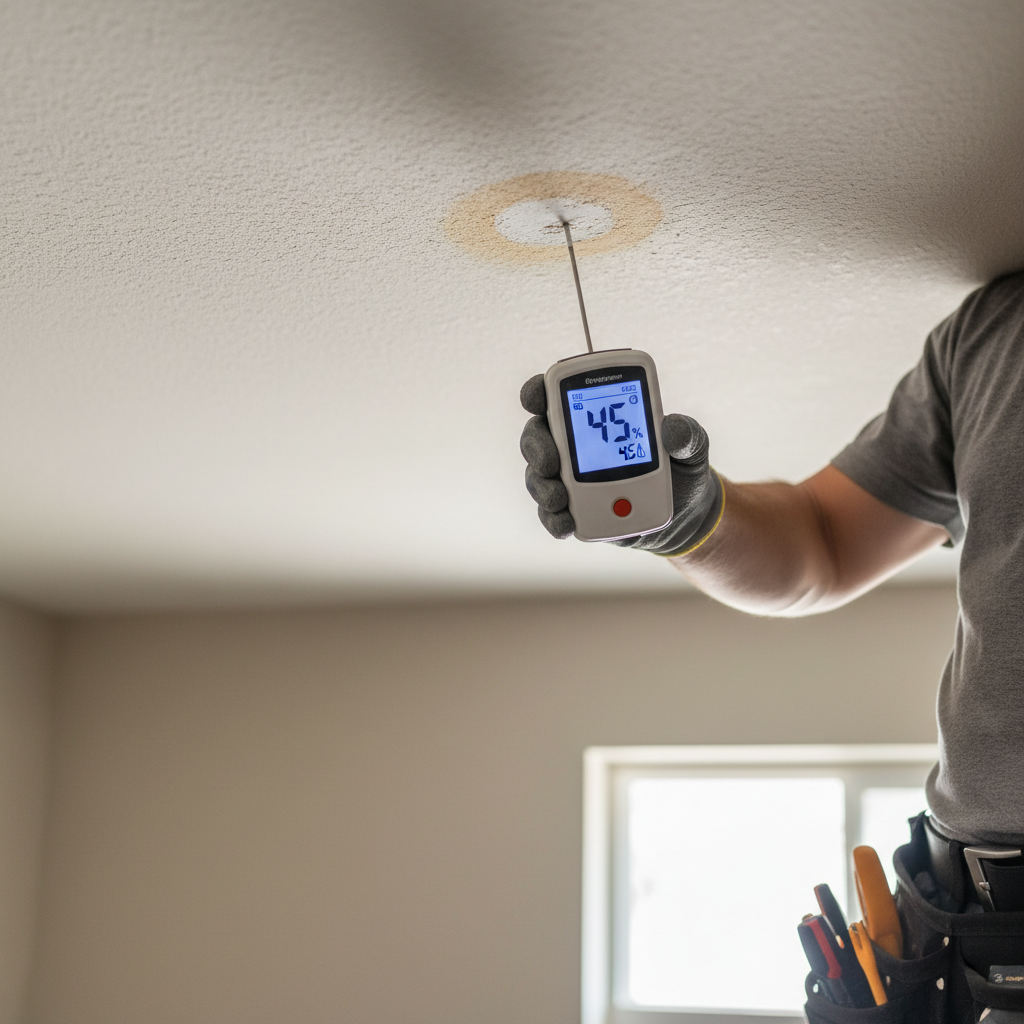
- AmazonMoisture Meter1 · Optional but highly recommended for quantifying water damage.
- AmazonTape Measure and RulerFor measuring insulation depth and room dimensions.
- AmazonCaulk Gun
- AmazonUtility Knife
As an Amazon Associate FixlyGuide earns from qualifying purchases — at no extra cost to you. Prices and availability are accurate as of publication and subject to change.
Quick Answer
The biggest hidden home equity drains are subtle issues that quietly increase your costs and decrease your property value. Chief among them are energy inefficiency from poor insulation and air leaks, slow water damage from minor plumbing or roof issues, and deferred maintenance on critical systems like your HVAC and exterior paint.
The Problem
For most homeowners, their property is their single largest investment. You diligently pay your mortgage, building equity month by month. You watch the local market, hoping for appreciation. But what if your investment has a slow, silent leak? Unseen and unaddressed problems can quietly drain thousands, or even tens of thousands, of dollars from your home's value. These aren't catastrophic failures like a burst pipe or a house fire; they are insidious "home equity drains" that work in two ways: they increase your running costs, siphoning money that could be going towards your principal, and they actively reduce the market value of your house in the eyes of an appraiser or future buyer.
Deferred maintenance, outdated systems, and energy waste don't just cause inconvenience; they create a "maintenance debt" that a future buyer will subtract from their offer. An inspector's report filled with small-to-medium issues is a powerful negotiation tool for buyers, and each unchecked box can represent a significant financial hit. Ignoring these problems is like letting a small, unnoticed hole in your wallet grow larger every year. The key is to shift from a reactive mindset—fixing things only when they break—to a proactive one, actively preserving and enhancing your home’s value.
How It Works
Home equity is the difference between your home's market value and your mortgage balance. While we can’t control the housing market, we absolutely can control the condition of our property, which is a major factor in its specific valuation. Hidden home equity drains function by chipping away at the "value" side of this equation.
Here's the mechanism: A professional appraiser, hired by a buyer's mortgage lender, doesn't just compare your home to others in the neighborhood (the "comps"). They perform a detailed physical inspection, assessing the age, condition, and quality of every major component. They look at the roof, the HVAC system, the water heater, the electrical panel, the windows, the foundation, and the overall state of repair. An old, inefficient furnace isn't just an old furnace; it's a $5,000-$10,000 replacement job waiting to happen. Peeling exterior paint isn't a cosmetic flaw; it suggests a risk of moisture intrusion and wood rot, a potential multi-thousand-dollar repair. An attic with only six inches of insulation signals high energy bills to a savvy buyer.
These issues accumulate. An appraiser systematically downgrades a home's value for each deficiency. This is how a home in a $500,000 neighborhood can appraise for only $470,000. That $30,000 gap is lost equity, directly caused by these unaddressed drains. Likewise, high utility bills from energy waste represent thousands of dollars spent annually that could have gone towards paying down your mortgage faster, building equity from the other side of the equation. Addressing these drains isn't an expense; it's a direct investment in preserving your net worth.
Step-by-Step Fix
To stop the leak, you first have to find it. This step-by-step "Home Equity Audit" will help you identify the specific drains in your home. Set aside a weekend and approach this like a professional inspector.
-
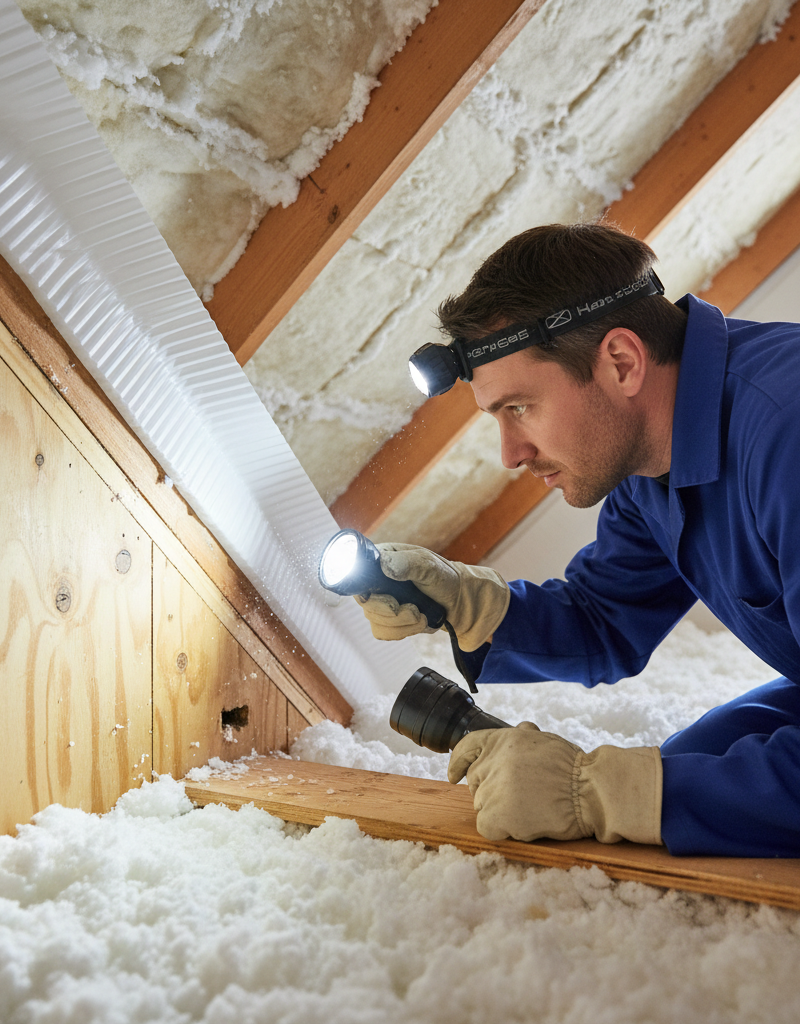
Map Your Energy Leaks — Start with your home's envelope. On a cool, windy day, close all windows and doors. Light an incense stick and slowly pass it by the edges of windows, exterior doors, electrical outlets on exterior walls, and recessed lighting. If the smoke wavers or is drawn in a direction, you have an air leak. Note every single one. Then, head to the attic. Use a ruler to measure your insulation depth. If it’s less than 12-15 inches (around R-38 to R-49), you are under-insulated for most climates.
-
Hunt for Hidden Water — Your second stop is a hunt for water damage. Inspect the ceilings of every room, looking for faint yellow or brown stains, especially below bathrooms or along exterior walls. Open the cabinet under every sink (kitchen, bathroom, laundry) and use a bright flashlight. Look for any active drips, dark stains, warped wood, or a musty smell. Check the base of every toilet for stains or soft flooring. Note the age of your water heater; if it's over 10-12 years old, it's living on borrowed time.
-
Audit Your Utility Bills — Gather your last 12 months of electric and gas/oil bills. Look for a significant spike in usage that isn't explained by a heatwave or cold snap. Many utility companies offer a free online portal that compares your usage to similar-sized homes in your area. If you're consistently in the high-usage tier, it's a major red flag that inefficient appliances or poor insulation are draining your cash.
-
Date Your Major Systems — Find the manufacturer's label on your furnace/air handler, your outdoor AC condenser, and your water heater. The label will have a serial number and often a manufacturing date. If you can't find a date, the serial number can usually be deciphered online to find the age. A furnace lasting over 20 years, an AC over 15, or a water heater over 12 is a candidate for replacement due to inefficiency and failure risk. Note the dates and last service records.
-
Assess Your Exterior & Grading — Walk the entire perimeter of your house. Look for peeling paint, cracked siding, or crumbling mortar in brickwork. Pay close attention to the ground where it meets your foundation. Does the soil slope away from your house to carry water away? Or does it pool against the foundation? Look for overflowing gutters, clogged downspouts, or downspouts that dump water right next to the wall instead of extending it 4-6 feet away.
-
Conduct a DIY Quality Check — Honestly assess any DIY projects you or previous owners have undertaken. Does the tile job have uneven grout lines? Does that light fixture flicker? Is the drywall patch visible? Are the deck railings wobbly? Shoddy work is a major red flag for home inspectors and can significantly detract from value. Make a list of any repairs that aren't up to a professional standard.
-
Search for Pests and Rot — In your basement or crawlspace, use a screwdriver to gently probe the sill plate (the wooden beam sitting on top of the concrete foundation) and any accessible floor joists. If the wood is soft and spongy, it indicates rot or termite damage. Look for mud tubes along the foundation walls, which are a tell-tale sign of termites. In the attic, look for droppings or chewed wires.
-
Tally Your Maintenance Debt — Review your comprehensive list of issues from the steps above. Assign a rough estimated cost to fix each one. A leaky faucet might be $150, air sealing could be $500, a new water heater might be $2,000. Add it all up. This total is your current "maintenance debt"—the amount of money a buyer would mentally deduct from their offer price.
-
Prioritize the Fixes — Organize your list into three tiers. Tier 1 is for urgent issues that cause active damage (water leaks, rot, safety issues). Tier 2 is for high-impact value preservers (insulation, air sealing, system maintenance). Tier 3 is for cosmetic issues (bad paint job, outdated fixtures). Start by tackling Tier 1 immediately.
-
Create a Home Logbook — Purchase a three-ring binder or start a digital folder. For every repair or upgrade you make, file the receipt, the contractor's info, and any warranties. A detailed, organized record of maintenance is a powerful tool to demonstrate a home's condition to a future appraiser, proving it has been well-cared for and justifying a higher value.
Common Causes
- Chronic Energy Inefficiency: According to the Department of Energy, air leaks alone can account for 10-20% of a home’s heating and cooling bills. This is like leaving a window open all year. Add in old, single-pane windows and an under-insulated attic, and you could be wasting over $1,000 a year while also making your home less comfortable.
- Slow, Undetected Water Damage: A slow drip from a shower valve inside a wall can go unnoticed for years, rotting studs and creating a massive mold problem. The average cost for professional mold remediation is over $2,300 and can easily climb much higher if structural repairs are needed. Poor exterior grading that directs water toward your foundation can lead to cracks and basement flooding, a deal-breaker for many buyers.
- Systemic Deferred Maintenance: That peeling paint on your window trim isn't just ugly; it’s a failure of the home's first line of defense against water. The water seeps into the wood, causing it to rot. Now a $100 paint job has become a $1,500 window replacement. This pattern repeats across the house: ignoring an HVAC tune-up leads to a premature failure, not cleaning gutters leads to fascia rot, etc.
- Outdated & Inefficient Core Systems: A 20-year-old furnace might still work, but it could have an AFUE (Annual Fuel Utilization Efficiency) rating of just 70%, meaning 30 cents of every dollar you spend on fuel is wasted. A new furnace has an AFUE of 95% or more. The higher running cost and the imminent threat of a $7,000 replacement make it a huge equity drain.
- Subpar DIY and Unpermitted Work: A bathroom remodeled without proper waterproofing can create a huge rot and mold problem. Electrical work done not to code is a major fire hazard. Home inspectors are trained to spot this and will recommend a specialist evaluation, which scares buyers and will force you to either make costly repairs or slash your price.
- Neglected Curb Appeal and Landscaping: Overgrown trees with branches hanging over the roof can damage shingles and clog gutters. Roots can invade sewer lines. A cracked, uneven front walkway is a trip hazard and an eyesore. Appraisers and buyers make a judgment in the first 30 seconds; poor curb appeal signals that the inside is likely neglected, too.
Common Mistakes
- Focusing on Cosmetics Over Core: Installing new quartz countertops when the roof has only 2-3 years of life left. A beautiful kitchen won't distract an inspector from a $15,000 roofing liability.
- Ignoring a Dripping Faucet: Dismissing small leaks as minor annoyances. That drip-drip-drip wastes hundreds of gallons of water per year and can signal a failing fixture that could let go entirely while you're away.
- The "Set It and Forget It" Mindset: Assuming your HVAC, water heater, and other systems will just work forever without any maintenance. An annual professional tune-up is critical for efficiency and longevity.
- Underestimating Energy Waste: Thinking of drafts as a comfort issue, not a financial one. Added up, the financial cost of air leaks and poor insulation is one of the single biggest, and most preventable, home equity drains.
- Hiring the Cheapest Bid: Choosing a contractor based on price alone without verifying licenses, insurance, and references. Shoddy work costs more to fix later and will devalue your home.
- Not Keeping Records: Failing to document repairs and maintenance. Without proof, you can't justify the care and investment you've put into your home to an appraiser.
Cost & Time Breakdown
This table outlines the costs and time involved in auditing and fixing the most common home equity drains.
| Task | DIY Cost | Pro Cost | Time Commitment |
|---|---|---|---|
| Home Energy Audit | $0-$100 (for IR camera rental) | $300 - $600 | 4-8 hours (DIY) / 2-4 hours (Pro) |
| Attic Insulation Top-Up (to R-49) | $600 - $1,200 | $1,500 - $3,000 | 1 Day |
| DIY Air Sealing (Caulk & Weatherstrip) | $50 - $150 | $300 - $800 | 1-2 Days |
| Professional HVAC Tune-Up | N/A | $100 - $250 | 1-2 Hours |
| Fix Minor Under-Sink Leak | $20 - $50 (parts) | $150 - $350 | 1-2 Hours |
| Gutter Cleaning & Downspout Check | $0-$75 (for tools) | $150 - $300 | 2-4 Hours |
Tips & Prevention
- Schedule Biannual Audits: Every spring and fall, perform the step-by-step audit detailed above. Catching problems when they are small is the single best way to prevent them from becoming expensive disasters.
- Budget for Maintenance: A common rule of thumb is to budget 1-2% of your home's value annually for maintenance and repairs. For a $400,000 home, that's $4,000-$8,000 per year. This isn't a slush fund; it's a proactive investment.
- Prioritize Efficiency Upgrades: When it's time to replace an appliance, window, or system, always choose a high-efficiency model (e.g., Energy Star certified). The upfront cost is often marginally higher but pays for itself in lower utility bills and increased home value.
- Create That Home Binder: Start today. Get a binder and plastic sleeves. The next time you have a plumber over or buy a new dishwasher, the receipt, manual, and warranty go in the binder. It’s a game-changer.
- Manage Your Water: Keep gutters clean, ensure downspouts direct water far from the foundation, and maintain proper soil grading. Water is the #1 enemy of a house.
- Listen to Your House: Homes make noises. A new buzz from the fridge, a faint hiss from the toilet, or a rattle in the air ducts are often early warning signs. Investigate them immediately.
When to Call a Professional
While a DIY audit is the crucial first step, it will often uncover issues that require an expert hand. Attempting to fix major systems without proper knowledge is a fast way to devalue your home and create serious safety hazards. Call a professional immediately if your audit reveals: any signs of structural damage, like large cracks in the foundation, sagging floors, or leaning walls. Never DIY major electrical issues; if you find flickering light circuits, warm outlets, or an outdated panel (like a Federal Pacific), call a licensed electrician. For plumbing, while fixing a simple P-trap leak is DIY-able, if you suspect a leak inside a wall or have to replace a water heater, hire a licensed plumber. Finally, any evidence of widespread mold or significant wood rot requires a specialist to assess the scope of the damage and remediate it properly to protect both your health and your home's structural integrity. Trying to save a few hundred dollars on these jobs can easily cost you tens of thousands in lost equity.
Frequently asked questions
How much does deferred maintenance really cost a homeowner?+
Studies have shown that for every $1 of deferred maintenance, it can cost $4 in future repairs. For example, not painting a $100 section of wood trim can lead to a $400 wood rot repair. Over an entire home, this can add up to tens of thousands of dollars in lost value when it comes time to sell.
What is the single most important system to maintain to protect home value?+
While all systems are important, preventing water intrusion is #1. This includes the roof, siding, windows, and grading. Water damage leads to the most destructive and expensive problems, including rot, mold, and foundation issues, all of which will drastically lower your home's value.
Will a new kitchen or bathroom increase my equity more than fixing the roof?+
Not usually. A new roof is a pass/fail item for many buyers and appraisers; a bad one must be fixed. While a new kitchen adds appeal, you rarely recoup 100% of its cost. Fixing a known, major liability like a roof or HVAC system always takes precedence and does more to preserve—if not directly increase—your home's core value.
Can I sell a house with known maintenance issues?+
Yes, but you will pay for it in the sale price. You must either disclose the known defects or be prepared for a buyer's inspector to find them. In either case, the buyer will almost always demand a credit or a price reduction that is often larger than what it would have cost you to fix the issue proactively.


Discussion
Loading comments…