Tools & materials you'll need
Affiliate linksAs an Amazon Associate FixlyGuide earns from qualifying purchases — at no extra cost to you. Prices and availability are accurate as of publication and subject to change.
Quick Answer
A new homeowner maintenance checklist is a schedule of preventive tasks designed to keep your house functioning correctly and safely. It typically includes seasonal duties like cleaning gutters in the fall, servicing the air conditioner in the spring, and monthly checks on safety equipment. Following a consistent home maintenance checklist is the most effective way for new homeowners to prevent minor, fixable issues from escalating into major, budget-breaking disasters, protecting their property value and ensuring a safe living environment.
The Problem
You just closed on your new home. It’s an exciting, overwhelming, and expensive time. Amid the unpacking, painting, and dreaming of future patio parties, there’s a subtle but relentless force at work: entropy. Your home, a complex assembly of wood, metal, wires, and pipes, began aging the moment it was built. New homeowners, often caught in the "honeymoon phase," are particularly vulnerable to ignoring the small whispers of trouble until they become a roar.
Consider this common scenario: a small, barely noticeable damp spot appears on a ceiling corner. You think, "It's a new house, probably just settling." You might even paint over it. But the source is a tiny, slow leak from a cracked boot on a plumbing vent stack on the roof. For months, water drips silently onto the attic insulation, travels down a rafter, and soaks into the drywall. One day, after a heavy rain, the ceiling gives way, bringing down a cascade of soggy insulation, moldy drywall, and a repair bill for $8,000 to remediate mold, replace the ceiling, and fix the initial $200 roof issue.
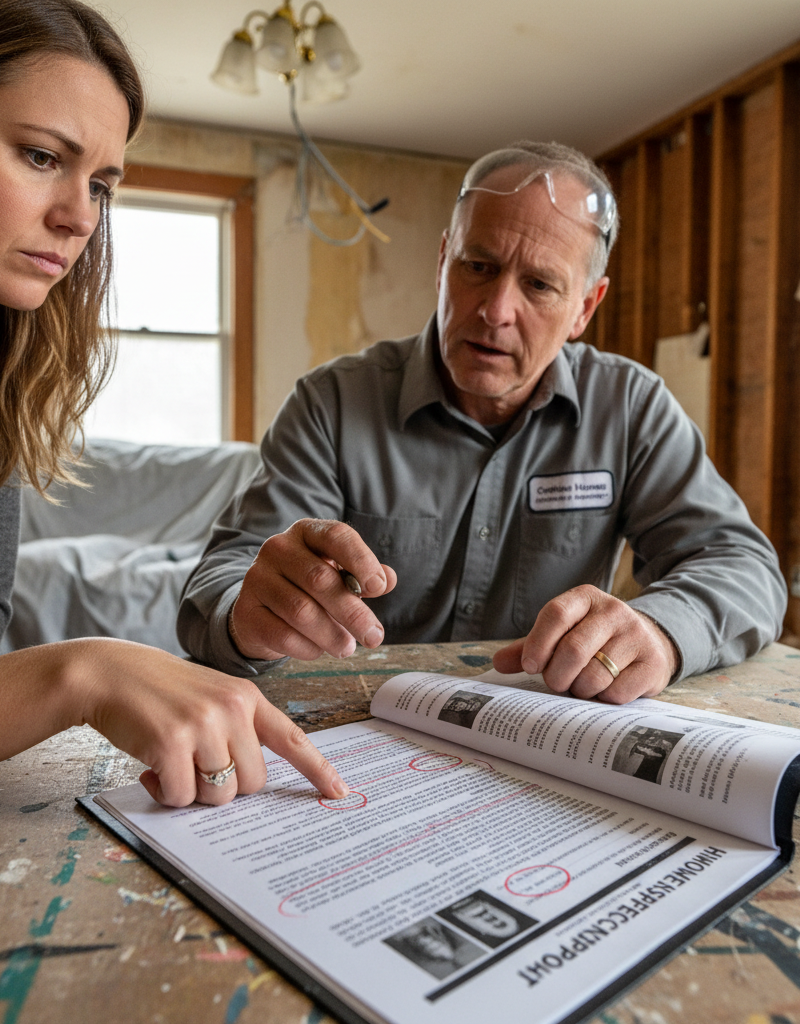
This isn't a scare tactic; it’s a standard Tuesday for a restoration contractor. The root cause? A failure to perform a basic, seasonal visual inspection of the roof. New homeowners often fall into the trap of believing their inspection report is a clean bill of health for the next decade. In reality, it’s a snapshot in time. A home requires constant vigilance. The core problem is that the most catastrophic home failures—foundation damage from poor grading, catastrophic HVAC failure from a dirty filter, electrical fires from a loose connection—often stem from neglecting maintenance tasks that cost less than a family dinner out. A comprehensive home maintenance checklist is the only reliable defense against these silent, costly threats.
How It Works
Preventive home maintenance operates on a simple, powerful principle: it is exponentially cheaper and easier to prevent a problem than to fix one. A house is not a static object; it's a dynamic system. Understanding how its components interact and degrade is key to effective upkeep. Think of your home maintenance checklist as a health and wellness plan for your biggest investment.
The strategy is built on three pillars: Inspection, Cleaning, and Servicing.
-
Inspection: This is your early-warning system. It means actively looking for signs of trouble. This isn’t about being an expert; it’s about noticing changes. Is that hairline crack in the drywall growing? Is there a new water stain under the sink? Is the siding covered in green mildew on one side? Regular, scheduled inspections (monthly, quarterly, seasonally) allow you to spot these deviations from the baseline before they spiral. You’re looking for leaks, cracks, pests, unusual noises, and signs of wear and tear.
-
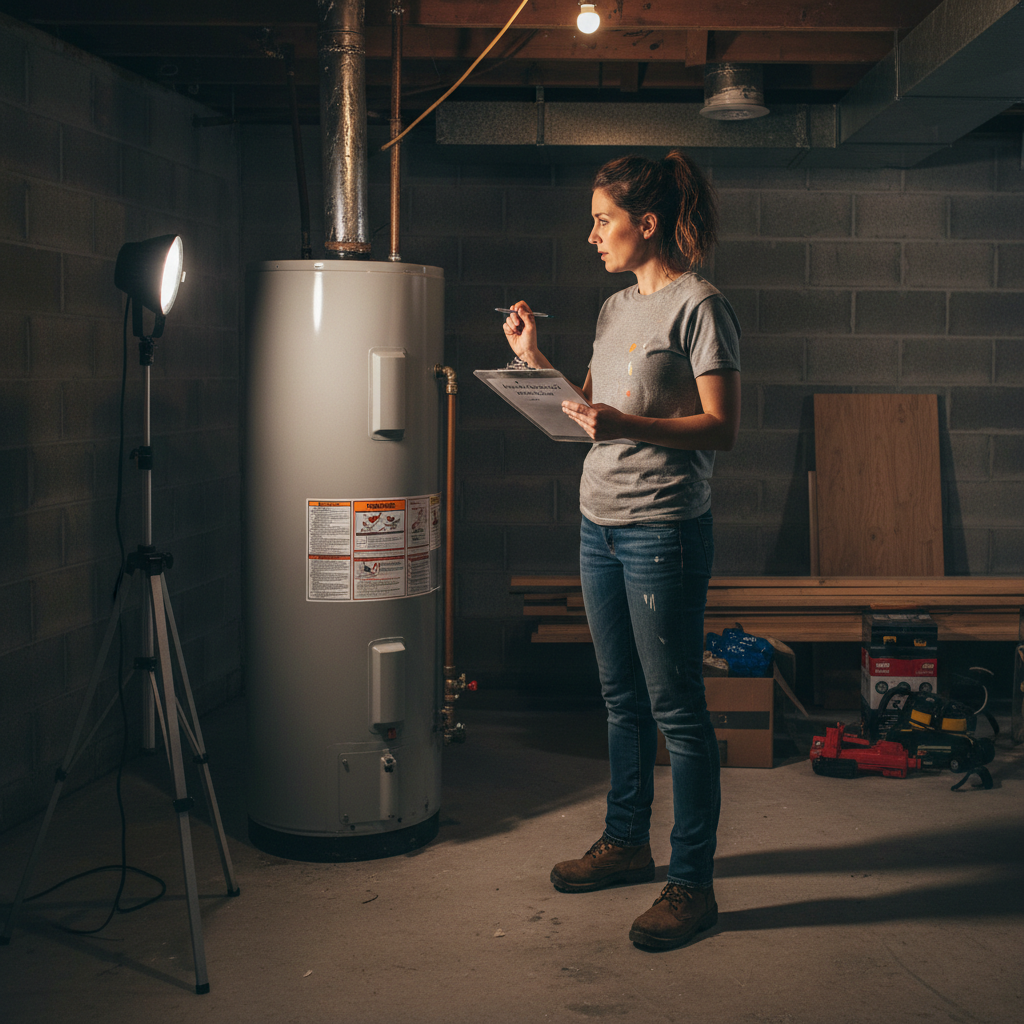
Cleaning: This is the most underrated part of home maintenance. It’s not just about aesthetics; it’s about function. Cleaning gutters prevents water from backing up, overflowing, and saturating the ground near your foundation, which can lead to cracks and basement flooding. Cleaning your refrigerator’s condenser coils allows the appliance to run efficiently, saving energy and preventing a premature $2,000 replacement. Cleaning sediment from your water heater ensures it heats effectively and doesn’t corrode from the inside out. Cleaning the dryer vent isn’t just about drying clothes faster; it’s about preventing one of the leading causes of house fires.
-
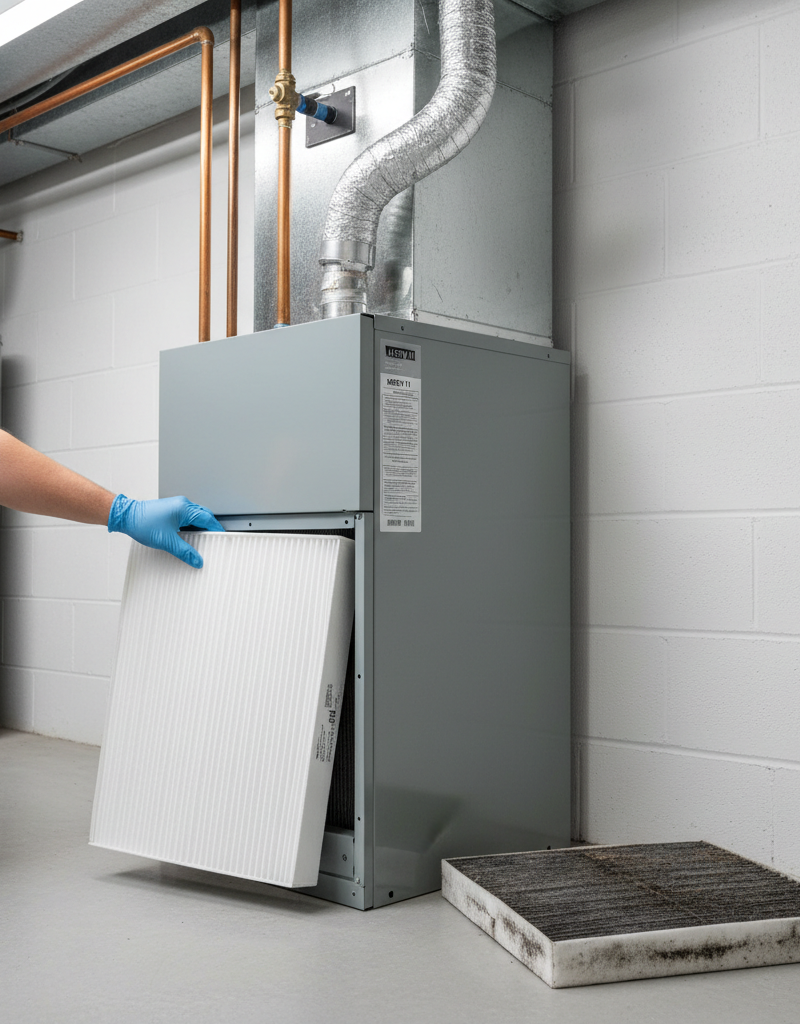
Servicing: This involves tuning, adjusting, and replacing parts. Changing your HVAC filter every 1-3 months costs a few dollars but is the single best thing you can do to protect your furnace and air conditioner. Having an HVAC technician perform an annual tune-up ensures the system runs at peak efficiency and catches failing components before they cause a total system breakdown on the hottest day of the year. Flushing your water heater, caulking windows, and testing safety devices are all servicing tasks that extend the life of your equipment and keep your family safe.
A great home maintenance checklist organizes these tasks by frequency—monthly, quarterly, and annually—and often groups them by season to align with the weather. This systematic approach transforms an overwhelming list of "should-dos" into a manageable, recurring schedule that protects your home and your wallet.
Step-by-Step Fix: Implementing Your Seasonal Maintenance Checklist
Executing a home maintenance checklist isn’t a single fix, but a year-round process. Here is a 12-step plan, broken down by season, to guide a new homeowner through their first year and beyond.
-
Spring Kickoff: HVAC Service — With warmer weather coming, your AC is about to get a workout. Call a certified HVAC technician for a professional tune-up. They will clean the coils, check refrigerant levels, and test electrical components to ensure it runs efficiently and reliably, preventing a mid-summer breakdown.
-
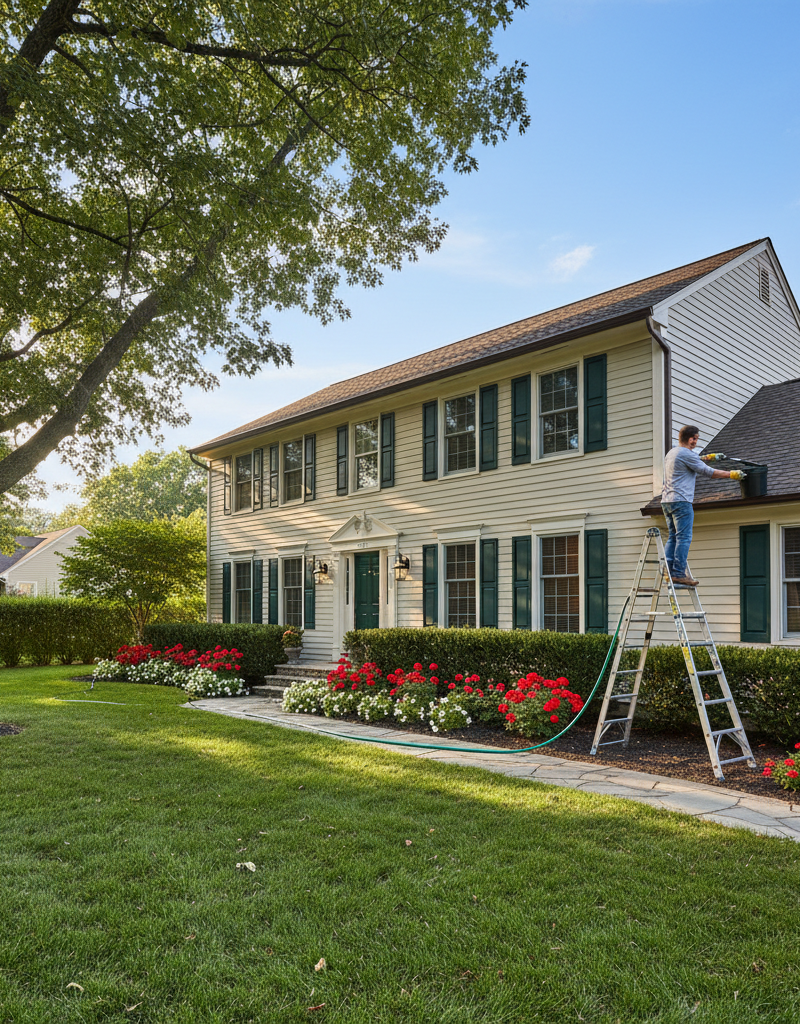
Spring Kickoff: Exterior Water Management — After winter, check your gutters and downspouts for damage, and clear any debris. Ensure downspouts extend at least 4-6 feet from your foundation. Walk the perimeter of your house during a rainstorm to see where the water goes. The ground should slope away from your foundation on all sides.
-
Spring Kickoff: Roof & Siding Inspection — From the ground (or safely with a ladder), visually inspect your roof for missing, curled, or damaged shingles. Check siding for cracks, warping, or holes. Use a screwdriver to gently probe any wood trim around windows and doors for soft spots, which indicate rot.
-
Summer Prep: Deck and Patio Care — Clean your deck or patio to remove mildew and dirt. Check for any loose boards or pavers. This is the ideal time to apply a new coat of sealer or stain to wood decks to protect them from the harsh summer sun and rain, preventing rot and splintering.
-
Summer Prep: Appliance Deep Clean — Pull your refrigerator out and vacuum the condenser coils on the back or bottom. This helps it run efficiently and saves energy. Next, perform a deep clean of your dryer vent line, from the dryer to the exterior termination, to prevent a serious fire hazard.
-
Summer Prep: Pest Control Perimeter Check — Walk the exterior of your home and seal any cracks or holes in the foundation, siding, and around utility entry points with caulk or expanding foam. Look for signs of insect activity and trim back any bushes or tree limbs touching your house, as these create "bridges" for pests.
-
Fall Shutdown: HVAC & Heater Prep — As temperatures drop, it's time to think about heat. Change your furnace filter (a critical task). If you have a furnace, it’s wise to have it professionally serviced, just as you did for the AC. Turn the heat on for a test run before you need it to make sure it works properly.
-
Fall Shutdown: Gutter Cleaning (Round 2) — After most of the leaves have fallen, clean your gutters and downspouts thoroughly one more time. This is arguably the most important task on the entire home maintenance checklist, as clogged fall gutters cause winter ice dams and foundation issues.
-
Fall Shutdown: Plumbing & Insulation — Disconnect, drain, and store all garden hoses. If you have an exterior water shut-off valve for your hose bibs, turn it off from inside and drain the line. This prevents frozen pipes. Check insulation in your attic and crawlspace to ensure it’s adequate.
-
Winter Watch: Interior Leak & Mold Check — The low humidity of winter is a good time to hunt for evidence of past or present leaks. Use a flashlight to inspect under every sink, around the base of toilets, in the attic for dark stains on the wood, and in basement corners. Address any issues immediately.
-
Winter Watch: Test Safety Devices — On a set day (like the first of the month), press the test button on all smoke and carbon monoxide detectors. Change the batteries at least once a year, even if they seem fine. A good habit is to change them when the clocks change for daylight saving.
-
Winter Watch: Sump Pump Test — If you have a sump pump in your basement or crawlspace, you must ensure it works before the spring melts and rains. Slowly pour a few gallons of water into the sump pit to make sure the pump float rises, activates the pump, and ejects the water.
Common Causes
Why do so many well-intentioned new homeowners fail to follow a home maintenance checklist? The reasons are rooted in psychology and practicality.
- The "It's a New House" Myth: Many buyers, especially of new construction, believe their home is invincible for the first few years. They assume everything is perfect. In reality, new homes settle, materials can have defects, and contractor work isn't always flawless. The first 1-5 years are a critical time to catch and report issues under a builder warranty.
- Information Overload: A new homeowner is bombarded with information about mortgages, taxes, insurance, and utilities. The idea of also becoming a part-time plumber, electrician, and roofer is overwhelming. They don’t know where to start, so they don’t start at all.
- Fear of Finding Problems: Some people adopt an "ignorance is bliss" mindset. They are afraid to look for problems because they are afraid of what they might find and how much it will cost. This avoidance strategy almost always backfires, allowing small problems to metastasize.
- Lack of Perceived Urgency: Unlike a burst pipe, a dirty gutter doesn’t demand your immediate attention. The consequences of neglect are slow and silent, making it easy to procrastinate. Tasks on the home maintenance checklist are important, but rarely feel urgent until it’s too late.
- Lack of Tools & Knowledge: Many new homeowners, especially those coming from apartments, don't own a ladder, a caulking gun, or a shop-vac. The barrier to entry feels high, and the fear of doing a task incorrectly prevents them from trying.
Common Mistakes
Even when homeowners attempt maintenance, they can make critical errors. Avoiding these common mistakes is just as important as doing the work.
- Using a Pressure Washer Incorrectly: Using too much pressure or the wrong nozzle can strip paint, gouge wood, and force water behind siding, creating a perfect environment for mold and rot.
- Painting Over Problems: A paint job can hide a multitude of sins, but it solves none of them. Painting over water stains, rotting wood, or mildew without fixing the underlying cause is a guaranteed way to ensure a much bigger repair down the road.
- Ignoring Manufacturer Instructions: Your appliances and home systems come with detailed manuals for a reason. Using the wrong cleaning chemicals on a new countertop or failing to follow the maintenance schedule for a tankless water heater can void the warranty and cause permanent damage.
- Skipping Professional Servicing: While many tasks are DIY-friendly, complex systems like your HVAC, gas furnace, or septic system require professional expertise. Skipping an annual $150 HVAC tune-up can lead to a $5,000 system replacement.
- Forgetting to Turn Off a Utility: The most dangerous mistake is forgetting to turn off the power at the circuit breaker before working on anything electrical, or forgetting to shut off the water supply line before replacing a faucet or toilet. Always double-check.
- Using the Wrong Products: Applying acid-based cleaners to natural stone, using outdoor caulk for an indoor job, or buying the cheapest, low-quality paint for an exterior wall are all mistakes that will cost you time and money to correct.
Cost & Time Breakdown
This table illustrates the powerful return on investment from a home maintenance checklist. The costs are estimates and can vary by location.
| Task | DIY Cost | Pro Cost | Time Investment |
|---|---|---|---|
| Professional HVAC Tune-up (x2) | $20 (Filters) | $200 - $600/year | 2 hours (Pro visit) |
| Gutter Cleaning (2-story home) | $25 (Tools) | $150 - $400/visit | 2-4 hours/visit |
| Dryer Vent Cleaning | $20 (Kit) | $100 - $200 | 1 hour |
| Hot Water Heater Flush (Tank) | $5 (Bucket) | $100 - $250 | 1 hour |
| Exterior Window/Door Caulking | $30 (Caulk, gun) | $250 - $700+ | 3-6 hours |
| Inspecting/Testing Safety Devices | $15 (Batteries) | $75 - $150 (as part of an inspection) | 30 minutes/year |
| Total Annual Averages | ~$115 | ~$875 - $2,700 | ~24-48 hours/year |
Tips & Prevention
Make your home maintenance checklist a manageable part of your life with these pro tips.
- Go Digital: Use a calendar app on your phone or a dedicated home maintenance app to schedule recurring tasks. Set reminders for the first Saturday of each month to do monthly checks, and seasonal reminders for bigger tasks.
- Create a Home Binder: Keep all your manuals, warranties, repair receipts, and paint color codes in one physical or digital binder. Include a contact list of trusted professionals.
- Start a "Home Repair" Fund: Just like an emergency fund, set up a dedicated savings account for home maintenance and repairs. Automatically depositing $100-$200 a month can turn a future crisis into a manageable inconvenience. The rule of thumb is to budget 1-3% of your home’s value annually.
- Walk the Property Monthly: Make it a habit to walk around and through your home once a month with the specific goal of looking for changes. Look up, look down, and look in corners. This 30-minute tour is your best tool for early detection.
- Find Pros Before You Need Them: Don't wait for your furnace to die in a snowstorm to find an HVAC company. Research and vet local electricians, plumbers, and handymen when there’s no pressure. Ask neighbors for recommendations.
- Take "Before" Photos: Before you start any repair or maintenance project, take a few quick photos with your phone. They can be invaluable for reassembly or for showing a professional what you found.
When to Call a Professional
While this guide champions a DIY-spirit, knowing your limits is crucial for your safety and your home’s integrity. Immediately call a professional for the following:
- Major Electrical Work: If the job is more complex than changing a light fixture, switch, or outlet, call a licensed electrician. Faulty wiring is a major fire hazard.
- Gas Appliance Issues: If you smell gas or have problems with a gas furnace, water heater, or stove, leave the house and call your gas company and a qualified technician immediately. This is non-negotiable.
- Roofing Repairs: While visual inspections from the ground are great, leave the actual work of climbing on the roof and replacing shingles to insured professionals. A fall can be catastrophic.
- Signs of Structural Problems: Large, diagonal cracks in foundation walls or interior drywall, doors that suddenly jam or won’t close, or visibly sagging floors are signs of potential structural issues that require a structural engineer’s assessment.
- Major Plumbing Leaks: If a leak is more than a simple drip from a faucet and you can’t immediately identify and stop the source, shut off the main water supply and call a plumber. Water damage happens fast.
- Anything That Makes You Uncomfortable: If you don't have the tools, the knowledge, or the confidence to do a job safely and correctly, hiring a professional is the smarter and often cheaper long-term choice. Your home is not the place for risky experiments.
Frequently asked questions
Is this home maintenance checklist good for new construction homes too?+
Yes, absolutely. New homes settle, materials can have undetected flaws, and builder-grade components may need early attention. Following a checklist during your first year is critical for identifying issues that may be covered under your builder's warranty.
How much should I budget for home maintenance annually?+
A widely accepted rule of thumb is to budget 1% to 3% of your home's purchase price each year for maintenance and repairs. For a $400,000 home, that would be $4,000 to $12,000 annually set aside for everything from small fixes to eventual big-ticket replacements like a roof or HVAC system.
What's the single most important task on this list?+
Water management is the single most critical task. This includes biannual gutter cleaning and ensuring your yard's grading slopes away from the foundation. More homes are damaged by water—from leaks, ice dams, and poor drainage—than by any other single cause.
I'm overwhelmed. Where do I even start?+
Start small. This month, commit to two things: 1) Test all of your smoke/CO detectors. 2) Clean the pop-up stoppers in your bathroom sinks and tubs to prevent clogs. Next month, add changing your HVAC filter. Building the habit is more important than doing everything at once.
Discussion
Loading comments…