Tools & materials you'll need
Affiliate linksAs an Amazon Associate FixlyGuide earns from qualifying purchases — at no extra cost to you. Prices and availability are accurate as of publication and subject to change.
Quick Answer
Grubs, the larval stage of beetles like Japanese beetles or June bugs, can cause significant damage to your lawn by feeding on grass roots. Identifying them early and applying the correct treatment, such as insecticides or beneficial nematodes at the right time, are crucial steps to restoring your lawn's health and preventing further damage.
The Problem
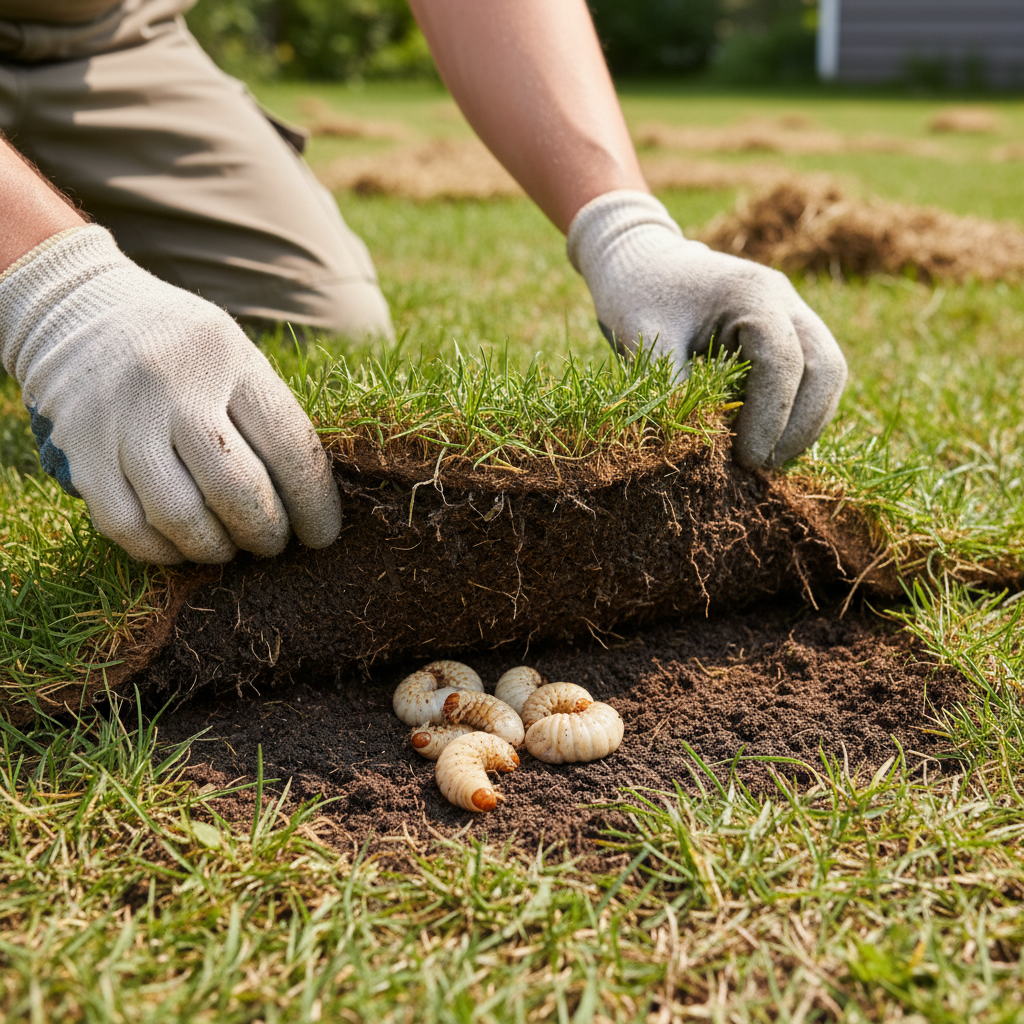
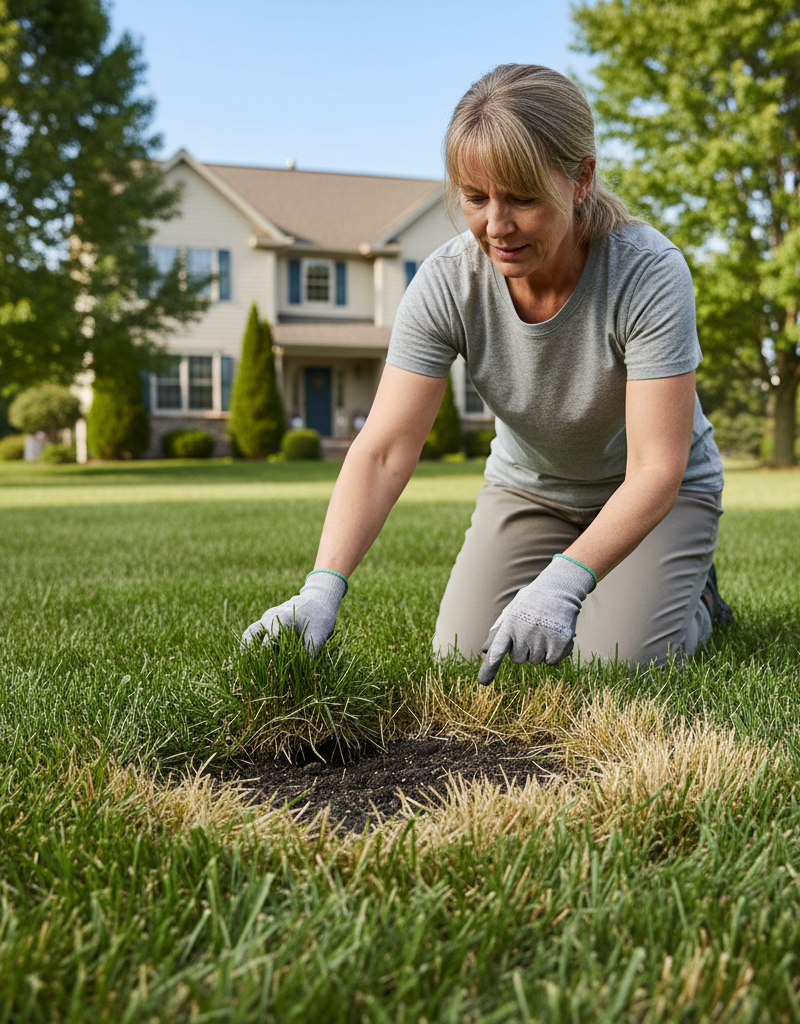
Your once lush, green lawn is developing irregular brown patches, feels spongy underfoot, or can be easily lifted like a carpet. You might also notice an increase in grub-eating animals like raccoons, skunks, or birds digging in your yard. Digging into the affected areas reveals C-shaped white larvae, typically 1/2 to 1 inch long, just beneath the turf. These are grubs, and they are voraciously chewing through your grass roots, leading to the decline and death of your lawn.
Step-by-Step Fix
-
Confirm Grub Presence: Cut a 1-foot square flap of sod about 2-4 inches deep in several affected and surrounding areas. Fold back the sod and count the grubs. More than 5-10 grubs per square foot indicates a damaging infestation that requires treatment.
-
Choose Your Treatment Method:
- Chemical Insecticides: Look for products containing carbaryl, trichlorfon, or chlorantraniliprole. Granular products are common and need to be watered in after application. Liquid concentrates require mixing and spraying.
- Beneficial Nematodes (Organic): These are microscopic worms that parasitize grubs. Species like Heterorhabditis bacteriophora are effective. They come as a powder or sponge that you mix with water and apply with a sprayer.
-
Timing is Crucial:
- Late Summer/Early Fall (August to October): This is the best time to treat, as young grubs are actively feeding close to the surface and are most vulnerable to insecticides and nematodes. Avoid treating in spring when grubs are larger, less active, and less susceptible.
-
Prepare Your Lawn: Mow your lawn to a normal height. If using granular insecticides, ensure the lawn is dry. If using beneficial nematodes, apply to moist soil, preferably in the evening or on a cloudy day, as UV light can harm them.
-
Apply the Treatment:
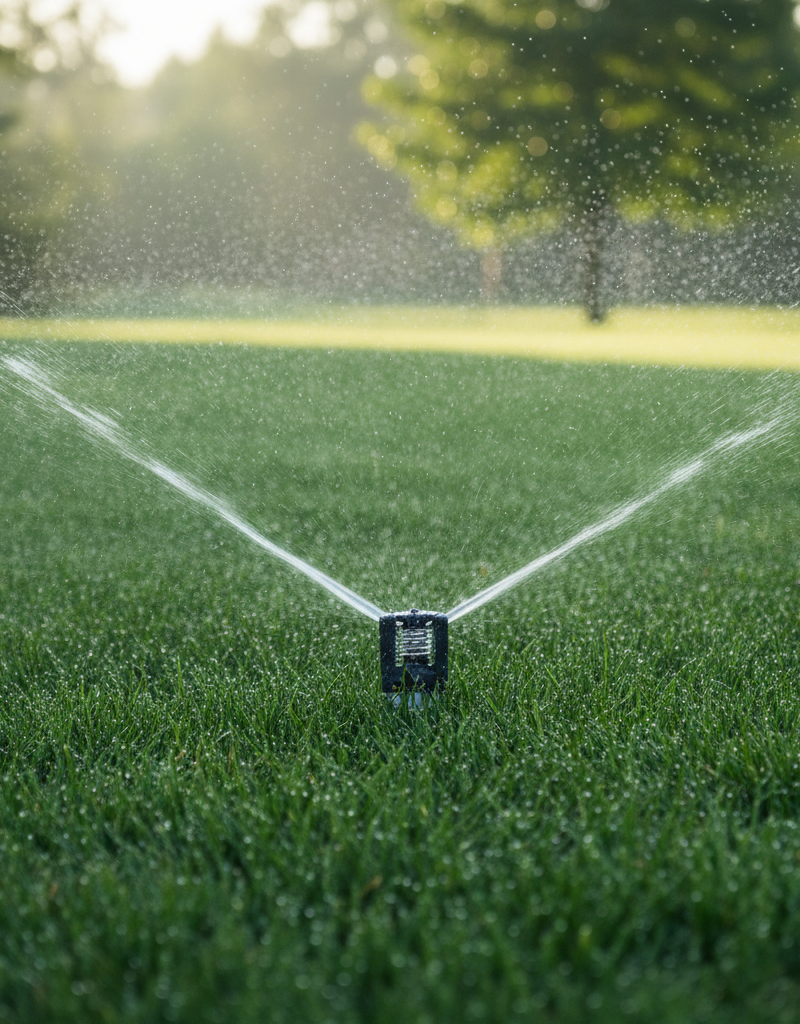
- For Granular Insecticides: Use a broadcast spreader to ensure even coverage according to package directions. Water immediately and thoroughly (about 0.5-1 inch) to move the insecticide into the soil where grubs are feeding.
- For Liquid Insecticides/Nematodes: Mix the concentrate according to instructions. Apply with a pump sprayer or hose-end sprayer, ensuring even coverage. Water in beneficial nematodes shortly after application, but do not drench the area as this can wash them away.
-
Watering After Treatment: Proper watering is vital for both chemical and organic treatments to reach the grubs effectively. Continue to water regularly (but not excessively) for a few days after application.
-
Monitor and Reassess: It may take several weeks to see a significant reduction in grub activity and an improvement in your lawn
Frequently asked questions
How do I know if I have grubs?+
Look for irregular brown patches that peel back easily like a carpet, or an increase in animals digging in your yard. Dig up a small section of turf and look for C-shaped white larvae (grubs) underneath. More than 5-10 per square foot indicates a problem.
When is the best time to treat for grubs?+
The most effective time to treat for grubs is in late summer to early fall (August to October) when they are young, actively feeding near the surface, and most vulnerable to insecticides or nematodes.
Are beneficial nematodes safe for pets and children?+
Yes, beneficial nematodes are a natural, organic pest control method that is safe for people, pets, and beneficial insects like bees and butterflies, as they specifically target grubs and other soil-dwelling pests.
Can I prevent grubs from coming back?+
Yes, maintaining a healthy lawn with proper watering and fertilization makes it more resistant to grub damage. You can also apply preventative grub control products in the spring, which target newly hatched grubs later in the season.
Discussion
Loading comments…