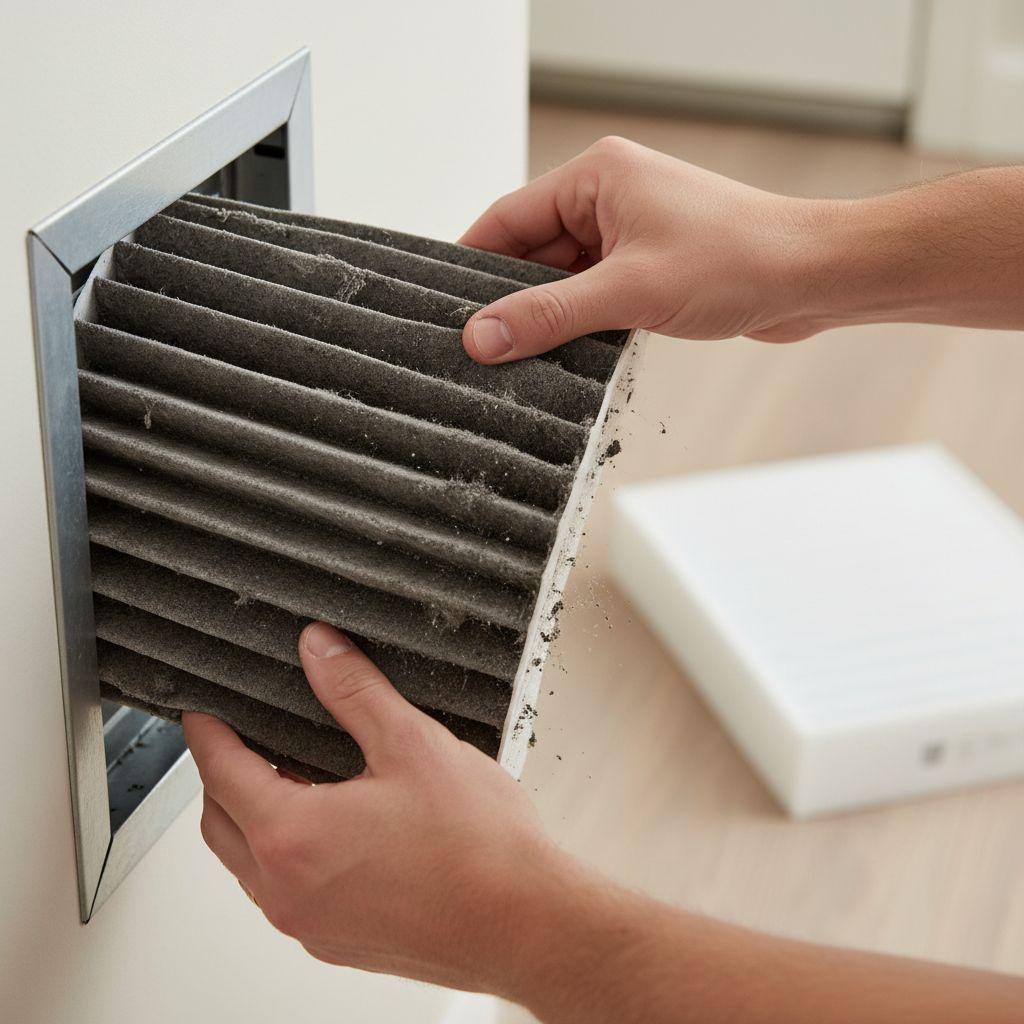
Tools & materials you'll need
Affiliate links- AmazonNew HVAC filterEnsure it's the correct size and MERV rating for your system.
As an Amazon Associate FixlyGuide earns from qualifying purchases — at no extra cost to you. Prices and availability are accurate as of publication and subject to change.
Quick Answer
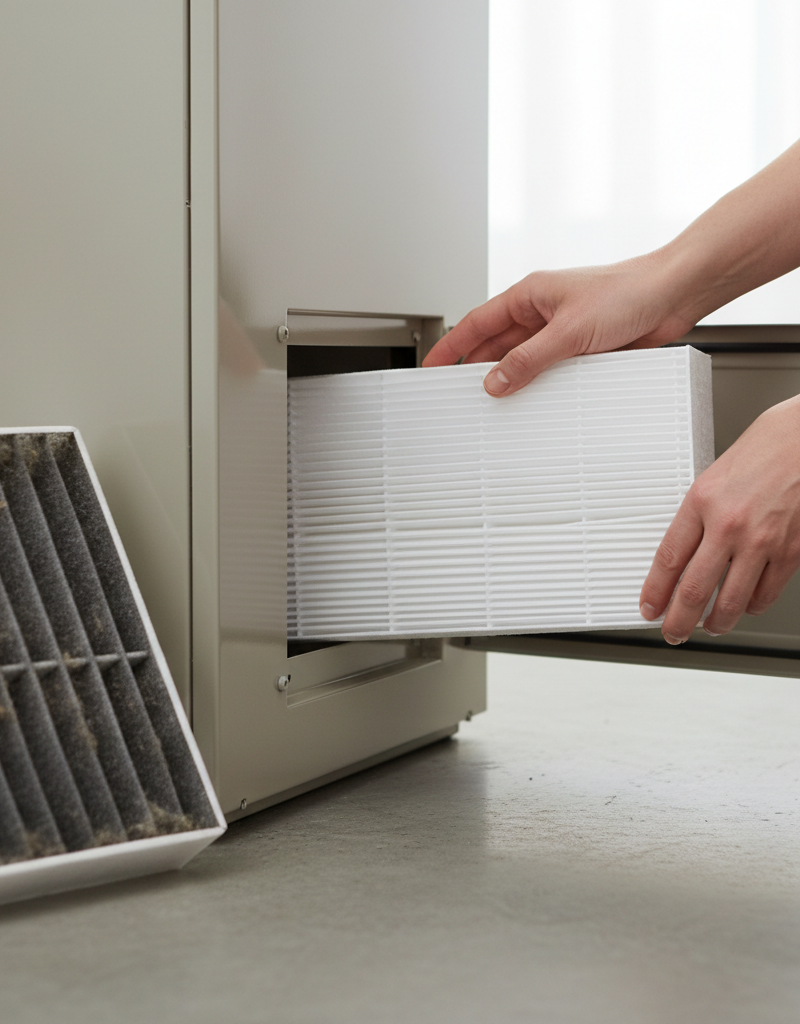
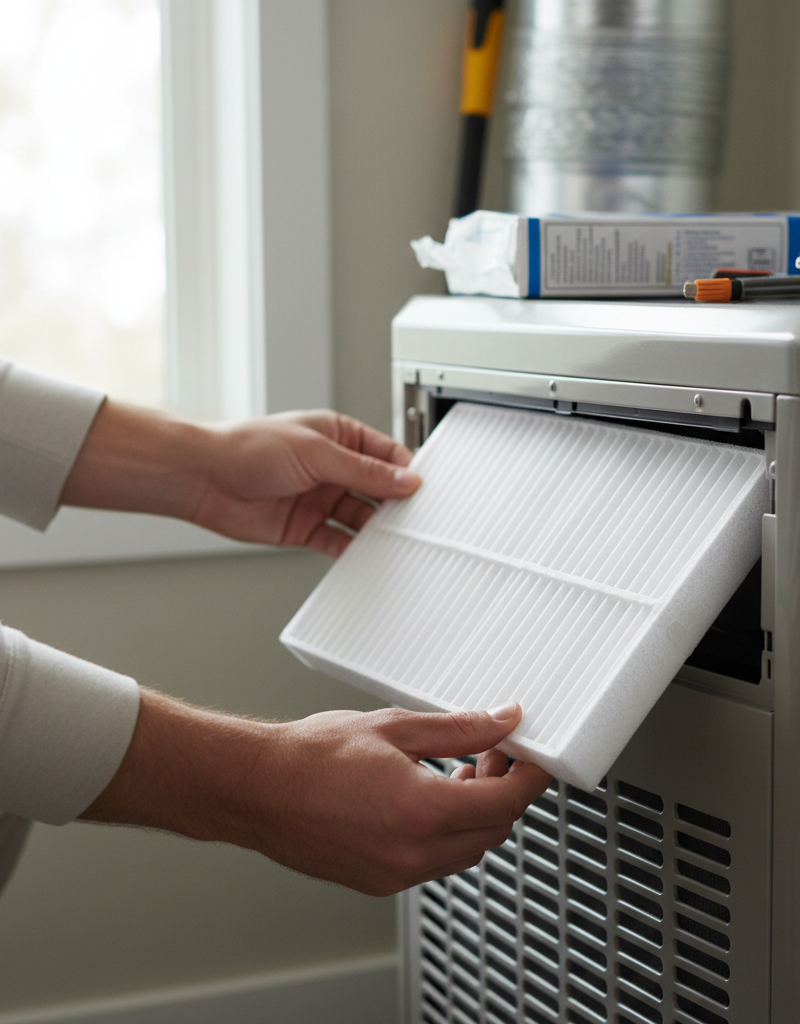
Your HVAC filter isn't a 'set it and forget it' component. While a general guideline suggests changing it every 30 to 90 days, the optimal frequency depends on several key factors, including the number of occupants in your home, whether you have pets, allergy sufferers, local air quality, and the specific MERV rating of your filter. Neglecting regular filter changes will inevitably lead to decreased system efficiency, higher energy bills, and can even shorten the lifespan of your entire HVAC system.
The Problem
Many homeowners operate under the misconception that an HVAC filter only needs changing every three to six months, or
Frequently asked questions
What is a MERV rating and why does it matter for filter changes?+
MERV stands for Minimum Efficiency Reporting Value. It's a rating that indicates how effectively an HVAC filter stops dust and other contaminants from passing through it. Higher MERV ratings (e.g., MERV 11-13) capture more particles but can restrict airflow more quickly, potentially requiring more frequent changes than lower-rated filters (e.g., MERV 4-8).
Can a dirty HVAC filter cause my AC to freeze up?+
Yes, a severely dirty HVAC filter is one of the leading causes of an AC unit freezing. The clogged filter restricts airflow over the evaporator coil, causing the coil's temperature to drop below freezing. Moisture in the air then condenses and freezes on the coil, eventually turning it into a block of ice that completely blocks airflow.
How do I know what size HVAC filter to buy?+
Always check the dimensions printed directly on the cardboard frame of your existing HVAC filter. Filter sizes are typically listed as length x width x thickness (e.g., 20x25x1). It's crucial to use the exact size recommended by your HVAC system or the original filter for proper fit and function.
Is it better to use a cheaper or more expensive HVAC filter?+
The 'best' filter depends on your household needs. Cheaper, low-MERV filters (MERV 4-8) are good for basic dust protection and allow for greater airflow. More expensive, higher-MERV filters (MERV 11-13+) capture smaller particles like allergens and pet dander, improving indoor air quality. However, higher MERV filters may need more frequent changes and can slightly increase energy usage due to increased airflow resistance. Avoid extremely high MERV filters (above 13) unless recommended by a professional for residential systems, as they can sometimes strain older HVAC units.
Discussion
Loading comments…