Tools & materials you'll need
Affiliate links- AmazonScrewdriver setPhillips and flathead, for panel removal if needed
- AmazonCleaning brush or vacuumFor cleaning around filter housing
- AmazonFlashlightFor inspecting evaporator coil
- AmazonElectrical multi-meter1 · Optional, for safely testing outlet power at the thermostat or condenser, if comfortable
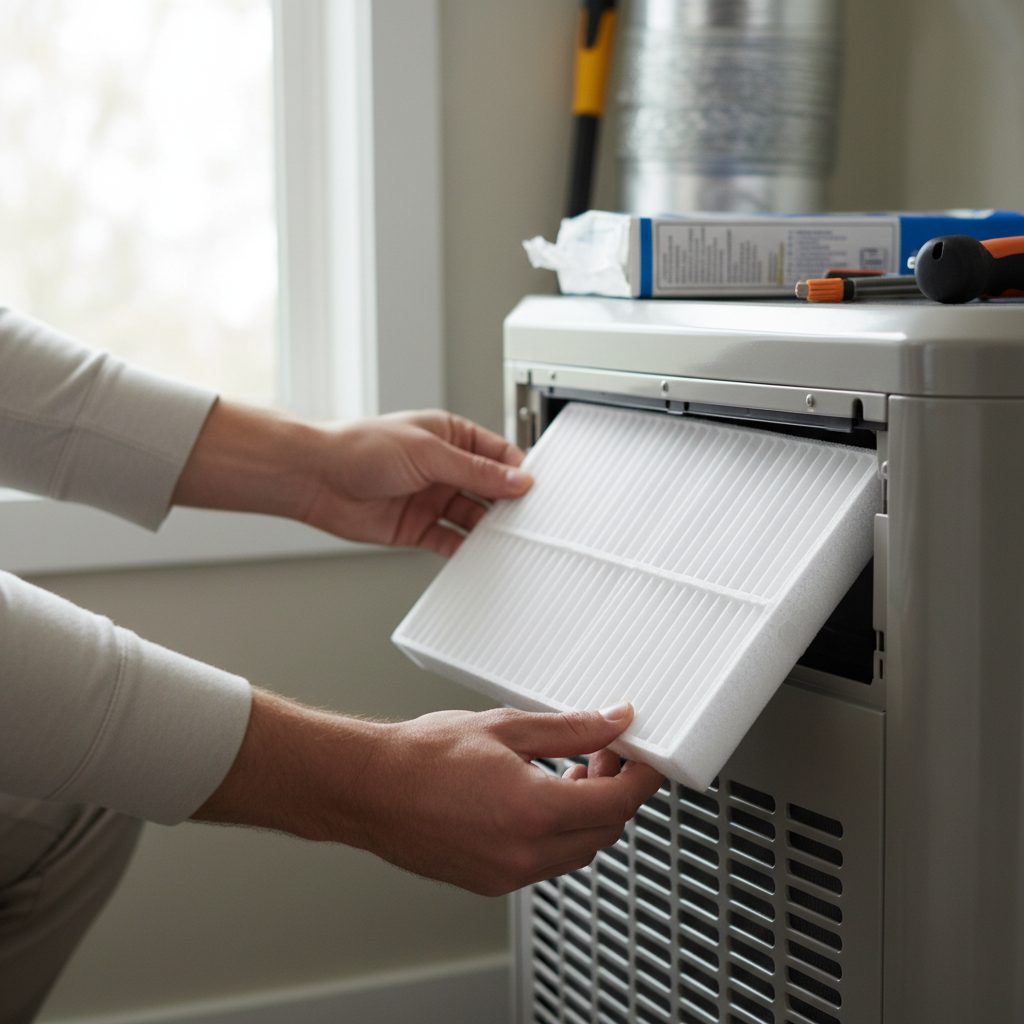
- AmazonNew air filter1 · Match MERV rating and size specified by your AC unit
As an Amazon Associate FixlyGuide earns from qualifying purchases — at no extra cost to you. Prices and availability are accurate as of publication and subject to change.
Quick Answer
When your AC starts blowing warm air, it's disconcerting, especially on a hot day. The most frequent culprits are often surprisingly simple and DIY-friendly: a clogged air filter, a tripped circuit breaker, or a frozen evaporator coil. Addressing these basic issues before calling a professional can save you both time and money, restoring your system to proper function and cooling your home efficiently.
The Problem
There are few things more frustrating than turning on your air conditioner only to be met with a stream of warm, stale air. Instead of the refreshing cool you expect, your home feels increasingly stuffy, and your AC unit continues to run, seemingly without purpose. This isn't just an inconvenience; it suggests an inefficiency, potentially leading to higher energy bills and greater wear on your system. While complex refrigerant leaks or compressor failures can cause this, many times the root cause is far more accessible and fixable for the average homeowner.
How It Works
Your air conditioning system works by transferring heat from the inside of your home to the outside, not by "creating" cold air. This process relies on a closed loop of refrigerant circulating between two main components: the indoor evaporator coil (often located in your furnace) and the outdoor condenser coil.
Inside, warm indoor air is drawn over the cold evaporator coil. The liquid refrigerant inside the coil absorbs impressive amounts of heat from the air, turning into a low-pressure gas. This now-chilled air is then blown back into your home through the ductwork.
The gaseous refrigerant travels to the outdoor condenser unit. Here, a compressor increases the pressure and temperature of the refrigerant. As it flows through the condenser coil, a large fan draws outdoor air over the hot coils, allowing the refrigerant to release its absorbed heat to the outside environment, condensing back into a high-pressure liquid. This liquid then returns to the indoor evaporator coil, and the cycle continues.
If any part of this heat exchange process is interrupted—whether due to restricted airflow, electrical interruption, or a shortage of refrigerant—the system's ability to cool your home is compromised, leading to warm air output.
Step-by-Step Fix
1. Check Your Thermostat Settings—Ensure it
Related Articles
Keep troubleshooting with these hand-picked guides from FixlyGuide:
- AC Blowing Warm Air? Easy Fixes for Common AC Problems — Discover the most common reasons your AC is blowing warm air and learn simple, actionable steps to troubleshoot and fix the issue yourself,…
- Why Your AC is Blowing Warm Air: Troubleshooting and Fixes — If your AC is blowing warm air, it's often due to a clogged air filter, dirty condenser coils, or a tripped circuit breaker, all of which y…
- The Secret Reason Your AC Makes Humidity Worse (And How to Fix It) — Discover why your air conditioner might be adding to your home
- The #1 Mistake Homeowners Make When Their AC Won't Turn On (And the Easy Fix) — Learn the most common reason your air conditioner won't turn on and how to diagnose and fix it with simple steps.
- Why Your House is Humid Despite AC & How to Fix It — Even with your AC running, high indoor humidity can make your home uncomfortable. Often, common issues like oversized units or clogged filt…
- The Secret Culprit Behind Your Dishwasher's Standing Water (It's Not Always a Clog) — Don't assume a clog is the only reason your dishwasher isn't draining; often, the fix is simpler than you think.
Frequently asked questions
Why is my AC running but not cooling?+
If your AC is running but not cooling, the most common reasons are a very dirty air filter restricting airflow, a frozen evaporator coil due to low airflow, or a tripped circuit breaker to the outdoor condenser unit, preventing it from operating.
Can a dirty filter cause AC to blow warm air?+
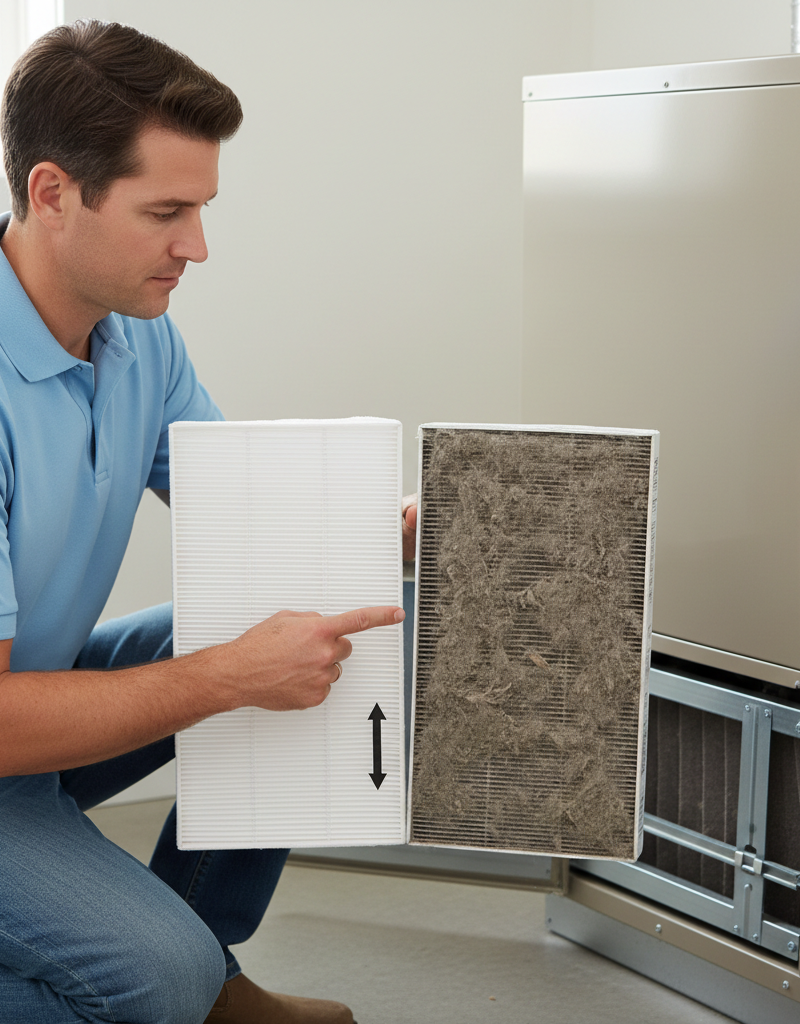
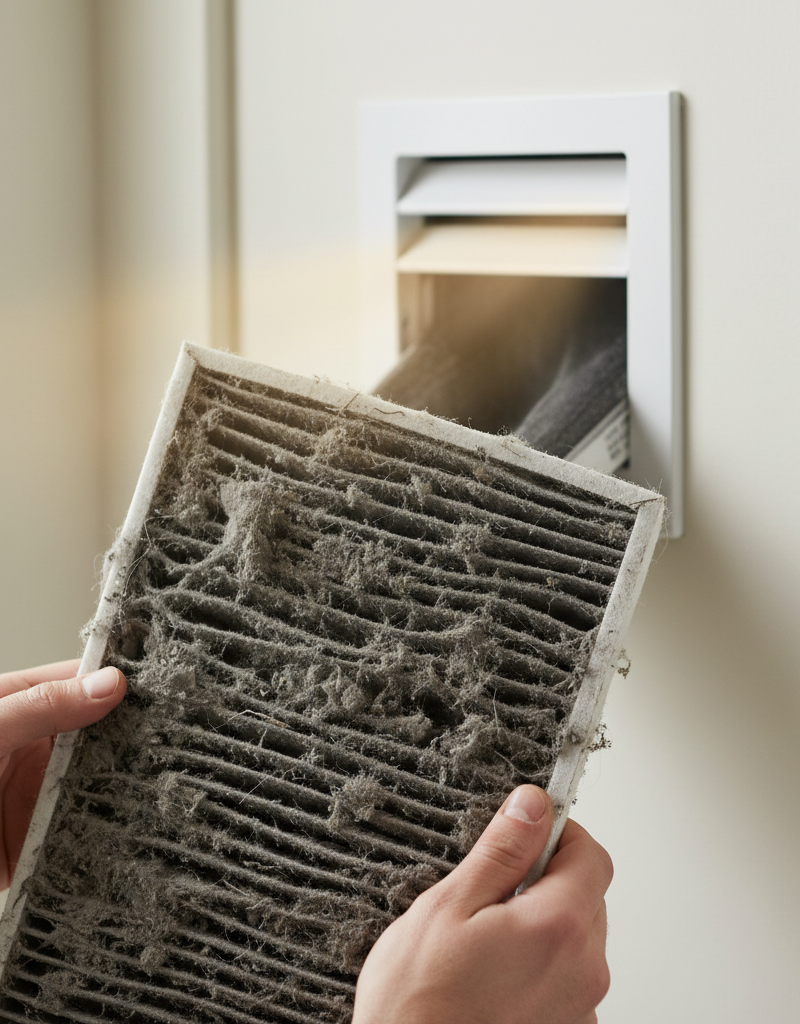
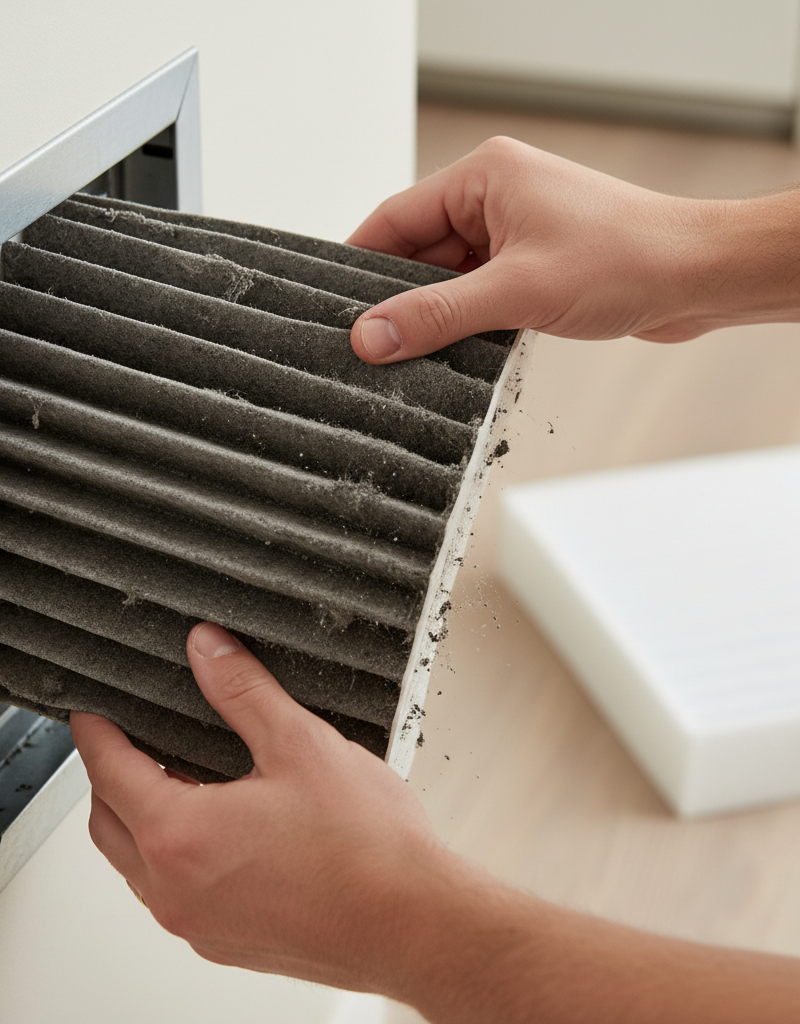
Yes, absolutely. A severely clogged air filter drastically reduces airflow over the evaporator coil. This can cause the coil to get too cold and freeze over with ice, blocking airflow even further and preventing heat transfer, resulting in warm air from vents.
How long does it take for AC to cool down after a reset?+
After resetting your AC (e.g., flipping a breaker or after a coil thaws), it can take anywhere from 15 minutes to an an hour to start blowing noticeably cool air and begin bringing down the ambient temperature. Be patient and allow the system to equalize.
When should I call a professional for warm AC air?+
You should call a professional if, after checking your filter, thermostat settings, and circuit breakers, your AC is still blowing warm air. This often indicates more complex issues such as a refrigerant leak, a faulty compressor, or a fan motor failure, which require specialized tools and expertise to diagnose and repair safely.
Discussion
Loading comments…