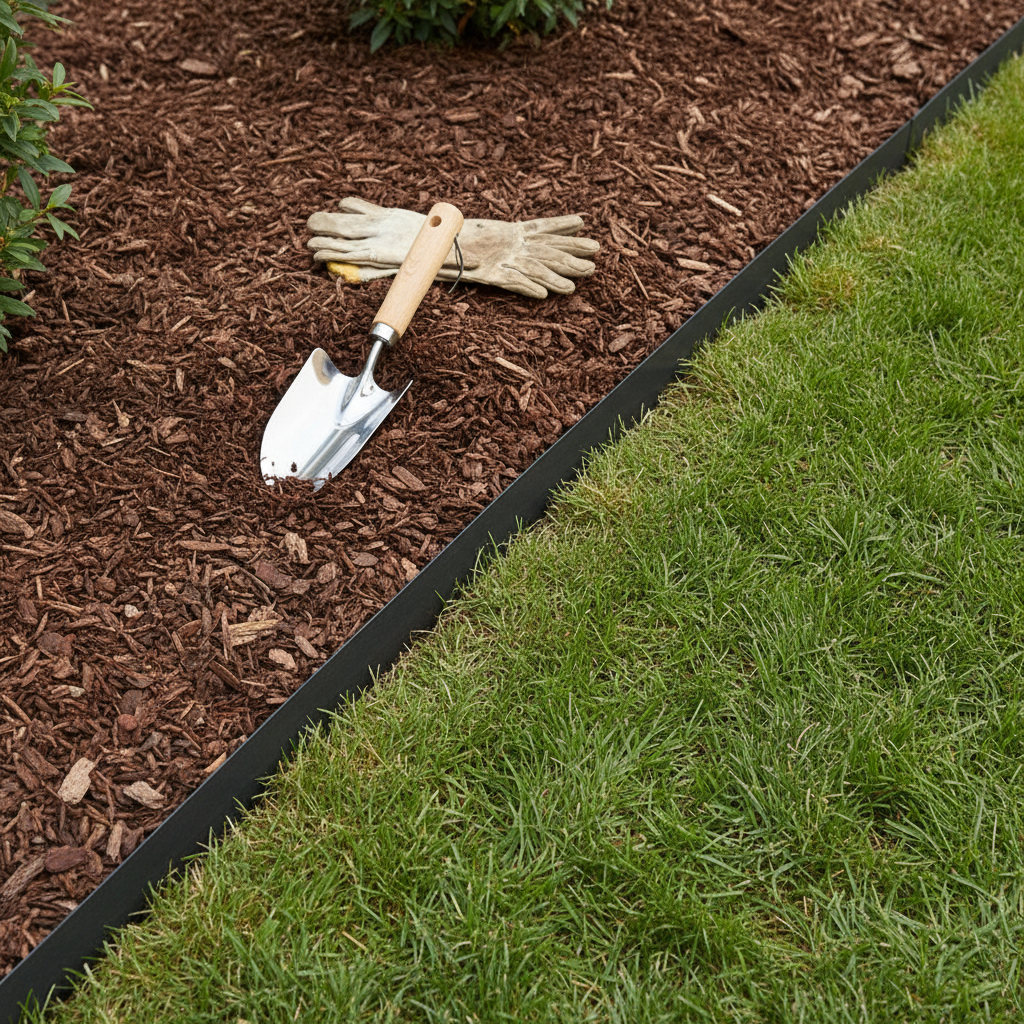
Tools & materials you'll need
Affiliate links- AmazonGarden spade or trenching shovelFor digging the trench
- AmazonRubber malletFor tapping edging into place
- AmazonUtility knife or snipsFor cutting plastic or flexible edging
- AmazonMeasuring tape
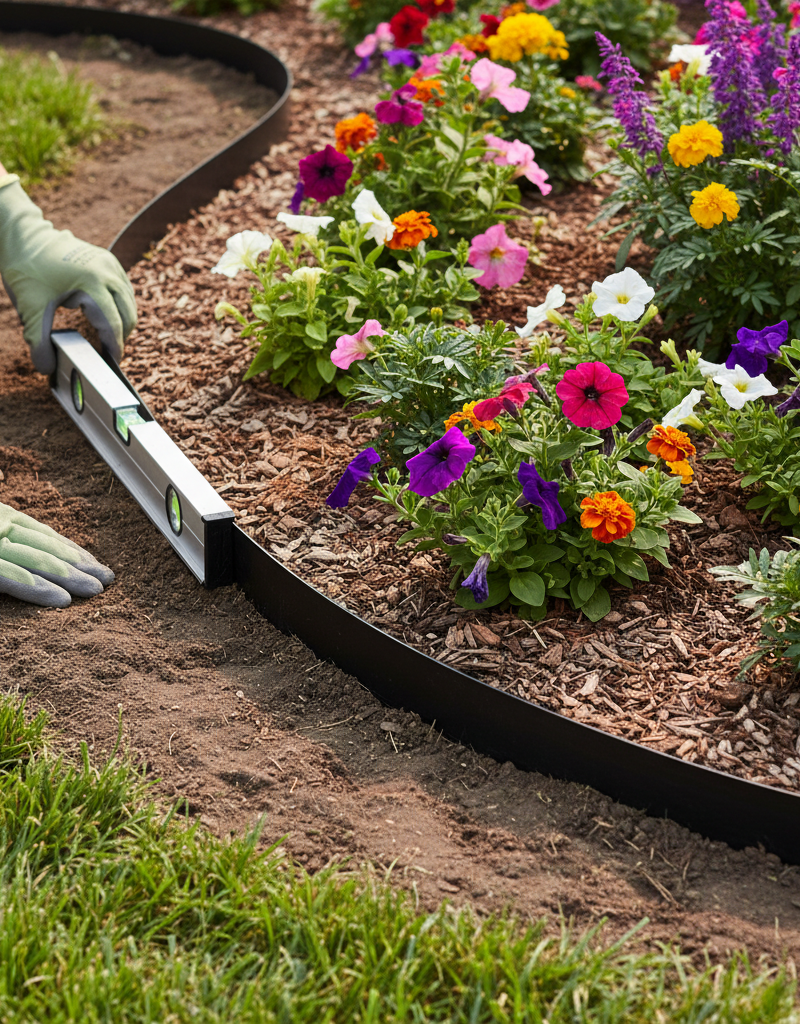
- AmazonSpirit level (2-foot)For checking straightness and level
- AmazonWork glovesFor hand protection
- AmazonHand tamper (for paver edging)If installing paver or stone edging
As an Amazon Associate FixlyGuide earns from qualifying purchases — at no extra cost to you. Prices and availability are accurate as of publication and subject to change.
Quick Answer
Installing effective landscape edging requires careful planning and execution. The key is to select a durable material like plastic, metal, or paver stones, then prepare the bed by clearing debris and defining the edge. Dig a trench deep enough to embed the edging securely, preventing grass from creeping over and ensuring stability. Proper installation not only enhances aesthetic appeal but also minimizes weeding and keeps your garden beds looking tidy for years.
The Problem
Untamed flower beds are a common eyesore, especially when grass and weeds invade your carefully cultivated plants. Without a clear border, soil erodes, mulch scatters, and the distinct line between lawn and garden blurs. This ongoing struggle leads to endless weeding, constant re-mulching, and a generally messy appearance that detracts from your home's curb appeal. The problem isn't just aesthetic; invading turf competes with your flowers for nutrients and water, hindering their growth. Many homeowners attempt quick fixes like shallow plastic edging or simply piling up mulch, only to find the problem returns, often worse than before. The real issue is a lack of a properly installed, physical barrier that acts as both a root break and a visual delimiter.
How It Works
Landscape edging functions on several levels. Mechanically, it creates a physical barrier that prevents the lateral spread of grass roots and rhizomes into your flower beds. Most turf grasses, especially aggressive varieties like Bermuda grass or St. Augustine, spread horizontally via rhizomes (underground stems) and stolons (above-ground stems). An effective edging material, installed below grade, blocks these runners, maintaining a crisp division. For example, plastic or metal edging typically needs to be buried 2-4 inches deep to be effective against most grass types. Paver stone or brick edging, while often shallower, relies on its weight and a stabilized base to form a similar barrier, though it may be less effective against aggressive spreading grasses unless a deeper barrier is also implemented.
Beyond root control, edging helps retain mulch, gravel, or soil within the flower bed. This prevents material washout during heavy rains and reduces the need for frequent replenishment. Visually, edging creates a clean, defined line, adding structure and a professional finish to your landscape. The type of edging — from subtle, almost invisible plastic to decorative stone or metal — impacts the overall aesthetic and the level of maintenance required. Metal edging, for instance, offers a very clean, thin line, while concrete pavers provide a more substantial, architectural look. Understanding these functions helps you choose the right material and ensures correct installation for long-lasting results.
Step-by-Step Fix
1. Plan Your Edge and Gather Supplies — Before you dig, sketch out your flower bed design. Consider the curves and angles. Call 811 a few days before you dig to ensure no underground utilities are present. * Safety Note: Always call 811 before digging to avoid striking underground utility lines. * Determine the length of edging needed. Measure the perimeter and add 10% for curves and overlaps. * Choose your edging material: plastic, metal, or stone/brick pavers. Each has a different installation method.
2. Prepare the Bed and Define the Line — Clear existing weeds, debris, and any turf that has crept into the flower bed. This is essential for a clean start. * Use a garden hose or string and stakes to lay out the exact desired curve or straight line for your edging. This visual guide will be crucial during trenching. * Remove any large rocks or roots along the proposed edging path.
3. Dig the Trench (Plastic/Metal Edging) — For most flexible plastic or metal edging, a V-shaped or U-shaped trench is ideal. The depth depends on your edging material. * Using a trenching shovel or a regular garden spade, dig a trench approximately 4-6 inches deep and 3-4 inches wide along your defined line. The goal is to bury enough of the edging to block grass roots. * The inner side of the trench should be vertical for stability, while the outer side can be sloped slightly. * If your soil is very hard: Water the area thoroughly the day before to soften the ground.
4. Install the Edging (Plastic/Metal) — Carefully unroll or position your chosen edging material into the trench. * For plastic edging, place it so the top edge is slightly above or flush with the soil surface of your flower bed, and about 0.5 to 1 inch above the lawn level (this helps with mowing). * Use a rubber mallet to gently tap the edging into place, ensuring it's straight and level. Overlap sections by 6-12 inches and secure with manufacturer-recommended connectors or stakes. * If using metal edging: Use the manufacturer's stakes at regular intervals (typically every 2-4 feet) and at all joints and curves. Drive them almost flush with the top of the edging.
5. Backfill and Compact the Trench — Stabilize the newly installed edging by backfilling the trench. * Push the excavated soil back into the trench on both sides of the edging. Firmly compact the soil using your foot or the back of your shovel. * Ensure the edging remains plumb (vertical) and at the desired height as you backfill. This compaction prevents future shifting and maintains the barrier's integrity.
6. Dig the Base Trench (Paver/Stone Edging) — For paver or stone edging, more extensive base preparation is required for stability. * Dig a flat-bottomed trench wide enough for your pavers plus about 2 inches on each side (e.g., for a 4-inch wide paver, dig a 6-inch wide trench). The depth should accommodate 1-2 inches of gravel sub-base, 1 inch of leveling sand, and the paver height so the paver top is at your desired grade (e.g., 0.5-1 inch above lawn level). * Compact the bottom of the trench with a hand tamper or a piece of 2x4.
7. Lay the Base Material (Paver/Stone) — A stable base is critical for paver edging to prevent settling and shifting. * Add 1-2 inches of crushed gravel or paver base to the trench. Rake it smooth and compact it thoroughly with a tamper. * Spread a 1-inch layer of paver sand over the compacted gravel. Use a straight edge (like a 2x4) to level the sand bed precisely.
8. Install Pavers/Stones — Carefully place your pavers or stones onto the prepared sand bed. * Butt them tightly together. Use a rubber mallet to tap each paver gently into the sand, ensuring it's level with its neighbors and at the desired height. * Check for level across multiple pavers with a spirit level. Adjust sand as needed underneath individual stones. * If setting pavers with mortar: Consult manufacturer instructions for mixing and application. Mortar provides extra stability but is more difficult to adjust later.
9. Edge Restraints and Finishing (Paver/Stone) — Secure your paver edging for long-term stability. * For most paver edging, install plastic edge restraints along the outer edge of the pavers, securing them with 8-10 inch landscape spikes every 1-2 feet. This locks the pavers in place. * Fill any gaps between pavers with sweep sand or polymeric sand. For polymeric sand, follow product instructions for sweeping and wetting to create a solid joint. * Backfill outside the edge restraints with soil and compact firmly.
10. Final Touches and Cleanup — Tidy up the area for a polished look. * Smooth out the soil on both sides of the edging. Add fresh mulch to the flower bed, ensuring it doesn't spill over the new barrier. * Use a rake to integrate the new soil with the surrounding lawn and garden beds. * Water the area lightly to help settle the soil around the edging.
Common Causes
The most common reasons landscape edging fails or looks unappealing often stem from shortcuts taken during installation or choosing the wrong material for the job:
- Insufficient Trench Depth: Not digging deep enough allows aggressive grass roots (rhizomes) to easily grow underneath the barrier, defeating its purpose. This is the #1 mistake mentioned in the title.
- Poor Material Choice: Using flimsy, shallow plastic edging in areas with aggressive spreading grass (like Bermuda) is a recipe for failure. The material isn't robust enough to provide a long-term barrier.
- Lack of Proper Base (for Pavers/Stones): Skipping the gravel and sand base for paver edging causes stones to settle unevenly, shift, and become unstable over time, creating trip hazards and an untidy appearance.
- Inadequate Anchoring: Not using enough stakes for plastic or metal edging, or skipping edge restraints for pavers, allows the edging to heave, flex, or separate, compromising its effectiveness and look.
- Uneven Installation: Rushing the job and not taking the time to ensure the edging is level and straight (or smoothly curved) results in a DIY look, detracting from curb appeal.
- Ignoring Underground Obstacles: Not clearing rocks, roots, or calling 811 before digging can lead to uneven trenching, damaged edging, or even dangerous utility strikes.
Common Mistakes
- Mistake: Not calling 811. This is a critical safety step, especially when digging trenches. You risk hitting underground utility lines, which can be dangerous and costly. Do instead: Always call 811 a few business days before any digging project, no matter how small.
- Mistake: Using flimsy, shallow edging for aggressive grass. Cheap, thin plastic edging often isn't deep enough or sturdy enough to stop tenacious grass varieties like Bermuda or St. Augustine. Do instead: Invest in thicker, deeper plastic (at least 4 inches deep), metal, or concrete edging specifically designed to create a robust root barrier.
- Mistake: Not compacting the soil. Loose soil around the edging will settle over time, causing the edging to shift, lean, or create gaps. Do instead: Firmly compact the backfilled soil around all types of edging to ensure stability and prevent future movement.
- Mistake: Uneven heights and curves. Eyeballing the installation often leads to wavy lines and inconsistent heights, making the professional look elusive. Do instead: Use stakes and string or a garden hose to lay out your exact lines and curves before digging. Continuously check for level and consistent height during installation.
- Mistake: Installing edging flush with the lawn. While some prefer this look, it makes mowing difficult and can lead to edge damage from mower blades. Do instead: Install the edging so it's slightly proud (about 0.5 to 1 inch) of the lawn level. This creates a
Frequently asked questions
How deep should landscape edging be?+
For effective weed and grass barrier, most landscape edging (plastic, metal) should be buried at least 2-4 inches deep, with a portion extending above ground. For aggressive grass types, aim for 4-6 inches of buried depth. Paver or stone edging depth depends on the paver height and the required gravel/sand base, ensuring proper drainage and stability.
What is the best type of landscape edging?+
The 'best' type depends on your aesthetic preference, budget, and the specific challenge (e.g., aggressive grass). Flexible plastic or composite edging is inexpensive and easy for curves. Steel or aluminum edging offers a clean, modern look and excellent durability. Concrete pavers or natural stones provide a more decorative, permanent border. For aggressive grass, metal or a deep, rigid plastic is often most effective.
How do you keep grass from growing under landscape edging?+
To prevent grass from growing under landscape edging, ensure the edging is buried deep enough (at least 2-4 inches, ideally more for tenacious grasses). Create a V-shaped or U-shaped trench that allows the edging to create a significant underground barrier. For paver edging, a compacted gravel and sand base, along with edge restraints, helps maintain stability and minimize gaps where grass can invade.
Can I install landscape edging myself?+
Yes, installing landscape edging is a common DIY project for homeowners. While it requires some physical labor like digging and bending, most types of edging can be installed with basic tools and careful attention to detail. Proper planning, trenching, and securing the edging are key to a successful, long-lasting result.
Do I need to put gravel under landscape edging?+
For flexible plastic or metal edging, gravel is generally not required. However, for paver, brick, or stone edging, a compacted layer of crushed gravel or paver base (typically 1-2 inches deep) topped with a layer of leveling sand (about 1 inch) is crucial. This base provides stability, prevents settling, and ensures good drainage, making the stone edging last longer and look better.
Discussion
Loading comments…