Tools & materials you'll need
Affiliate linksAs an Amazon Associate FixlyGuide earns from qualifying purchases — at no extra cost to you. Prices and availability are accurate as of publication and subject to change.
Quick Answer
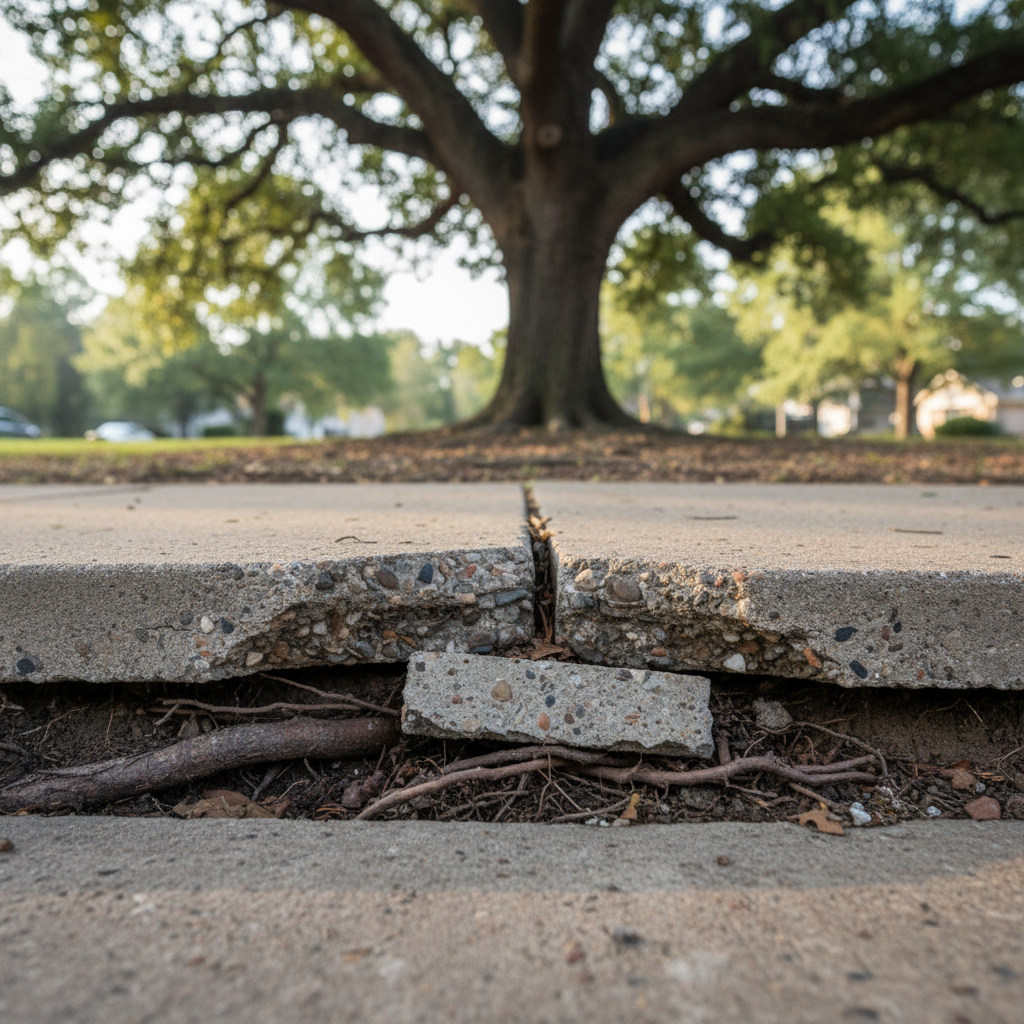
Tree roots lifting your sidewalk are a common problem in mature landscapes, creating trip hazards and potential structural damage. The most effective solutions involve a combination of expert assessment and strategic intervention. This can include professional root pruning by an arborist, installing commercial-grade root barriers to redirect growth, or, in severe cases, replacing the affected sidewalk sections with reinforced or permeable materials that allow for root expansion without damage. For minor lifts, temporary repairs like grinding down uneven edges might provide short-term relief, but they don't address the underlying issue of root growth.
The Problem
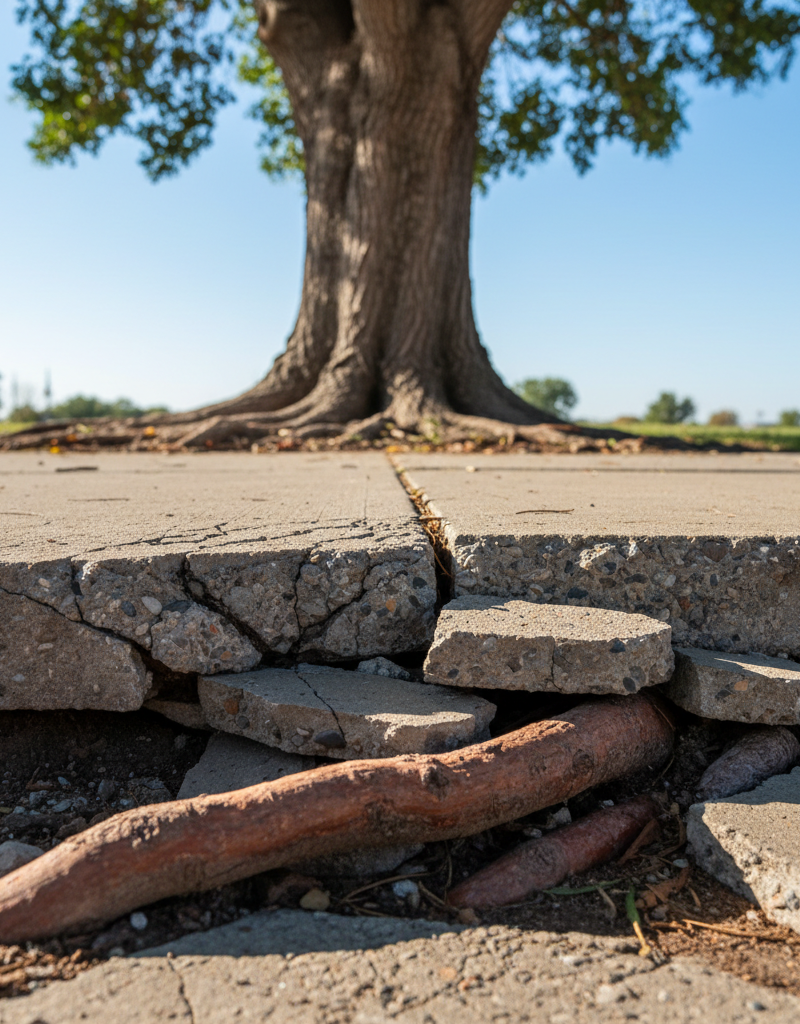
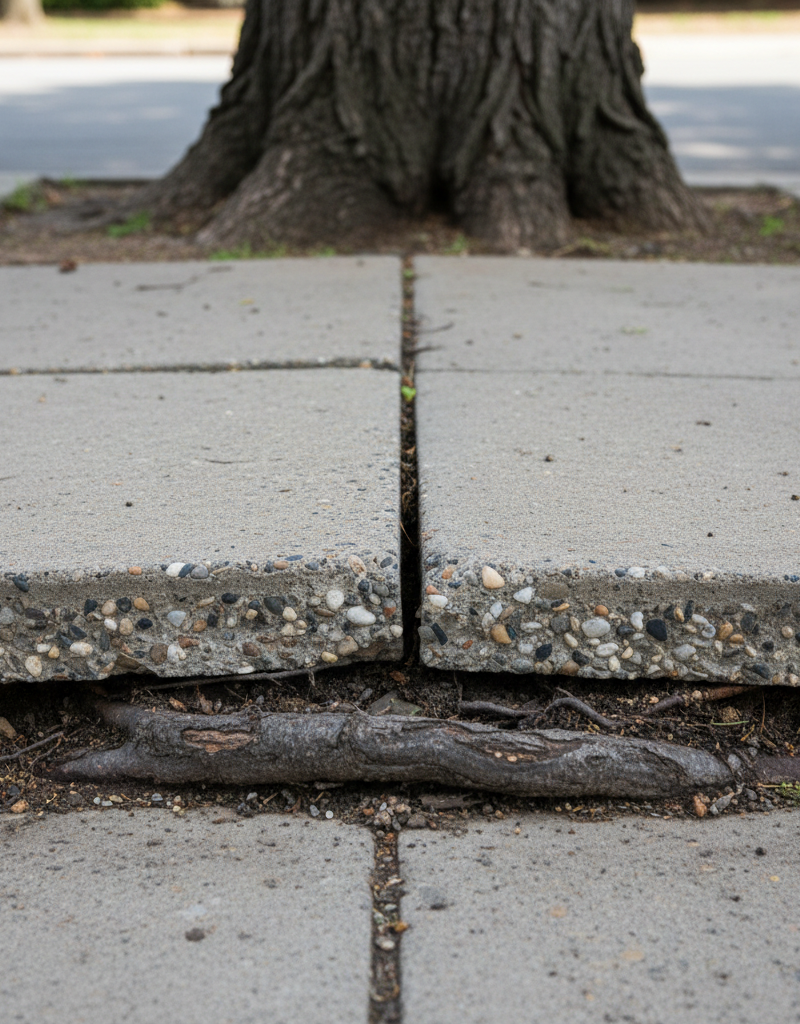
That seemingly innocuous hairline crack or subtle lift in your sidewalk can quickly escalate into a dangerous trip hazard and an expensive repair bill, all thanks to the relentless growth of tree roots hidden beneath. These roots, vital for a tree's stability and nourishment, often expand laterally, particularly aggressive species or those planted too close to paved surfaces. As they grow, they exert immense pressure, capable of cracking and heaving even the strongest concrete. Left unaddressed, this problem doesn't just damage your sidewalk; it can compromise driveways, foundations, and underground utilities. The uneven surfaces also pose a significant liability risk for homeowners, leading to potential fall-related injuries.
How It Works
Trees, like all living organisms, need water, oxygen, and nutrients to survive and thrive. Their roots are specifically designed to seek out these essentials, often extending far beyond the tree's canopy. While many people envision a mirror image underground, resembling the tree's branches, the reality is that most feeder roots – the tiny, hair-like roots responsible for absorption – reside in the top 6 to 24 inches of soil. This is where oxygen, water, and nutrients are most abundant. When a tree is planted in an urban environment, surrounded by compacted soil, impervious surfaces like sidewalks, and limited available space, its roots encounter obstacles.
These roots are opportunistic. They will follow paths of least resistance, such as utility trenches, or gravitate towards areas with consistent moisture, like irrigation lines or leaky pipes. As they grow thicker to anchor the tree and transport water and nutrients, they become incredibly powerful. A tree root can exert thousands of pounds per square inch of pressure. When a root encounters a solid object like a concrete sidewalk slab, it doesn't just stop; it continues to grow, and in doing so, it pushes upwards. The concrete, being rigid, has two choices: crack or lift. Repeated cycles of root growth, combined with soil expansion and contraction due to moisture and temperature changes, exacerbate the problem, turning minor imperfections into significant structural damage. Understanding this fundamental process is key to implementing effective, long-term solutions that address the root cause, so to speak, rather than just patching over the symptoms.
Step-by-Step Fix
1. Assess the Damage & Identify the Culprit – Carefully examine the lifted sidewalk sections and identify the tree responsible. Begin by looking for cracks radiating from the lifted area and measure the height difference. Note the species of tree if possible; some trees, like Silver Maples, Liquidambars, and Willows, are known for aggressive root systems. This initial assessment helps determine the severity and the best course of action. If the lift is more than 2-3 inches, or if there are multiple cracked sections, professional intervention is very likely needed.
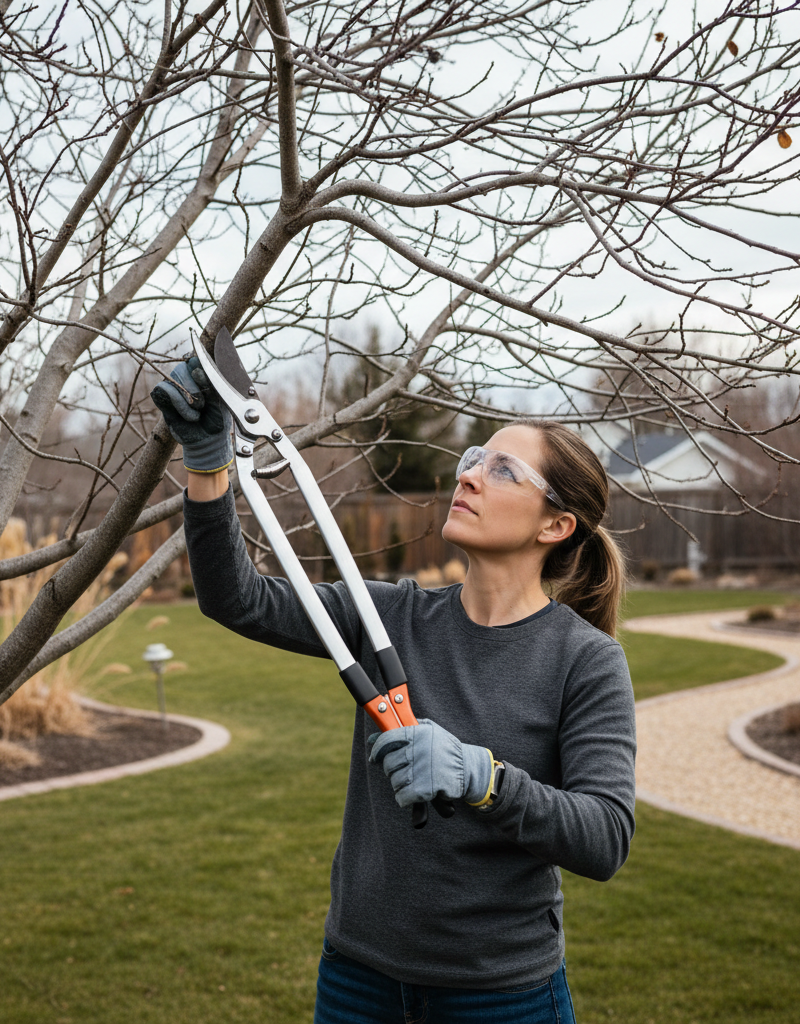
2. Consult an Arborist (Strongly Recommended) – Before attempting any root pruning, consult a certified arborist. Safety First: Attempting to prune large tree roots without proper knowledge can severely destabilize the tree, making it prone to falling, or even kill it. An arborist can assess the tree's health, identify critical structural roots versus smaller feeder roots, and recommend the appropriate pruning method and extent. They can also advise on root barrier installation. Expect to pay between $100-$300 for an initial consultation, which is a small investment compared to the cost of replacing a mature tree or repairing extensive damage.
3. Professional Root Pruning (If Advised) – If an arborist recommends it, have them professionally prune the offending roots. This involves carefully excavating the soil around the problematic roots and making clean cuts with specialized tools. The arborist will know how much root can be removed without harming the tree's stability. Typically, roots within 3-5 times the diameter of the tree trunk should not be cut without expert guidance. This step often provides immediate relief by reducing pressure on the sidewalk. After pruning, it's crucial to backfill the area properly to prevent air pockets.
4. Install a Root Barrier – After root pruning, consider installing a commercial-grade root barrier. Root barriers are physical obstructions, usually made of heavy-duty plastic or composite material, designed to deflect root growth downwards and sidewards, away from the sidewalk. They are typically installed vertically into a trench dug along the edge of the sidewalk, extending down to 24-36 inches. This is a labor-intensive process, often requiring professional installation to ensure proper depth and effectiveness. Expect the cost to range from $10-$25 per linear foot, depending on depth and material.
5. Sidewalk Repair or Replacement – Once root issues are addressed, repair or replace the damaged sidewalk sections. For smaller lifts (under 1-2 inches), concrete grinding can level the surface temporarily. For larger damage, the affected sections of sidewalk will need to be removed and replaced. Consider using flexible pavement options like permeable pavers or asphalt in high-traffic areas prone to root growth, as these materials can better accommodate minor shifts. When replacing concrete, ensure the sub-base is properly prepared and compacted. You might also consider adding a layer of rigid insulation between the new sidewalk and the soil to provide a temporary barrier against new root growth.
6. Long-Term Monitoring & Maintenance – Regularly inspect your sidewalks for new signs of root intrusion. Even after intervention, roots can find new pathways. Periodically check for new cracks or lifts, especially after heavy rains. Early detection means smaller, less expensive interventions. This might involve minor root trimming or adjusting irrigation patterns to discourage roots from seeking moisture directly under the path.
Common Causes
- Poor Tree Placement: Planting large, fast-growing trees, or species with aggressive, shallow root systems (like Silver Maples, Willows, Ash, Liquidambar, Elms) too close to sidewalks, driveways, or foundations. Urban tree pits often restrict root growth, forcing them upwards or horizontally.
- Lack of Soil Moisture/Nutrients: Tree roots will extend further and shallower in search of water and nutrients if the surrounding soil is consistently dry, compacted, or lacking vital elements. Sidewalks often create 'rain shadows' preventing water from reaching the soil beneath.
- Compacted Soil: Hard, compacted soil forces roots to grow closer to the surface where oxygen levels are higher, leading them to lift sidewalks rather than penetrate deeper.
- Aging Infrastructure: Older sidewalks with weaker foundations or thinner concrete slabs are more susceptible to root damage.
- Tree Species: Some tree species naturally develop more robust or shallow root systems that are predisposed to causing pavement damage.
- Drainage Issues: Poor drainage can lead to localized pockets of moisture, attracting roots to those areas directly under hardscapes.
Common Mistakes
- Cutting Roots Without Expert Advice: Haphazardly cutting large roots can severely weaken and destabilize the tree, making it a hazard, and can even kill the tree. Always consult an arborist.
- Ignoring the Problem: Hoping the problem will go away or only grinding down minor lifts doesn't address the underlying root growth, leading to more extensive and costly repairs later.
- Planting the Wrong Tree: Choosing tree species known for aggressive root systems for urban settings or close to paved areas is a common mistake during landscaping. Research tree mature size and root habits before planting.
- Inadequate Root Barriers: Installing flimsy or shallow root barriers (or none at all) will not effectively deter determined tree roots, leading to repeat problems.
- Improper Sidewalk Repair: Repairing only the surface damage without addressing the root cause guarantees the problem will recur, often in the same spot or nearby.
- Over-watering near Foundations/Sidewalks: Excessive irrigation can draw roots towards these moist areas, exacerbating the problem. Water deeply and less frequently, away from structures.
Cost & Time Breakdown
| Task | DIY Cost | Pro Cost | Time |
|---|---|---|---|
| Arborist Consultation | $0 (if you skip) | $100–$300 | 1–2 hours |
| Professional Root Pruning | Not recommended | $300–$1,000+ | 2–8 hours |
| Root Barrier Installation | $100–$400 (materials) | $500–$2,000+ | 4–16 hours |
| Sidewalk Grinding (minor) | $50–$100 (rental) | $200–$500 | 1–2 hours |
| Sidewalk Section Replacement | $150–$500 (materials) | $500–$1,500+ per section | 8–24 hours |
| Total Potential Costs | $300–$1,000+ | $1,500–$5,000+ | 1–3 days |
Tips & Prevention
- Thoughtful Tree Selection: When planting new trees, choose species with non-aggressive, deep root systems suitable for urban environments. Consult with a local nursery or arborist for recommendations.
- Proper Planting Distance: Plant trees at a safe distance from paved surfaces and foundations, allowing ample room for root growth without obstruction.
- Maintain Soil Health: Improve soil aeration and drainage around trees to encourage deeper root growth. Avoid excessive compaction around the root zone.
- Deep, Infrequent Watering: Encourage roots to grow deeper by watering deeply and less frequently, rather than shallow, frequent watering that keeps roots near the surface.
- Regular Inspections: Periodically walk your property and inspect sidewalks, driveways, and foundations for early signs of root heaving or cracks. Early intervention is always less costly.
- Root Collars/Guides for New Trees: For new plantings near hardscapes, consider installing root collars or guides designed to direct root growth downwards, away from pavements.
When to Call a Professional
Tree roots are incredibly powerful, and addressing them safely and effectively often requires professional expertise. You should call a certified arborist if the lifted section of your sidewalk is severe (more than 2 inches), if multiple sections are damaged, or if you suspect large structural roots are involved. An arborist can accurately assess the tree's health, identify crucial roots, and perform precise pruning without endangering the tree's stability or your property. Similarly, for significant sidewalk replacement, especially if structural integrity is a concern, a licensed concrete contractor is essential. They can ensure proper sub-base preparation, use appropriate materials, and install a sidewalk that is up to code and designed to mitigate future root issues. Attempting to sever large roots yourself can fatally wound the tree, leading to expensive tree removal or, worse, a significant falling hazard during a storm. If you are unsure about the extent of the root system or the health of your tree, always err on the side of caution and consult a professional.
Frequently asked questions
Can I simply cut tree roots myself?+
No, it is highly recommended to consult a certified arborist before cutting any tree roots. Severing large or structural roots can severely destabilize the tree, making it unsafe and potentially causing irreversible damage that could lead to the tree's death or falling.
How deep do root barriers need to be?+
Root barriers typically need to be installed vertically to a depth of 24 to 36 inches to effectively redirect root growth downwards and away from the sidewalk. The exact depth can vary depending on the tree species and soil conditions.
What's the best tree to plant near a sidewalk to avoid root problems?+
Opt for tree species known for deep, non-aggressive root systems that are less likely to cause pavement damage. Examples include certain varieties of ornamental pears, Japanese maples, smaller dogwoods, or columnar trees. Always consult a local nursery or arborist for species suitable for your specific climate and soil conditions.
Discussion
Loading comments…