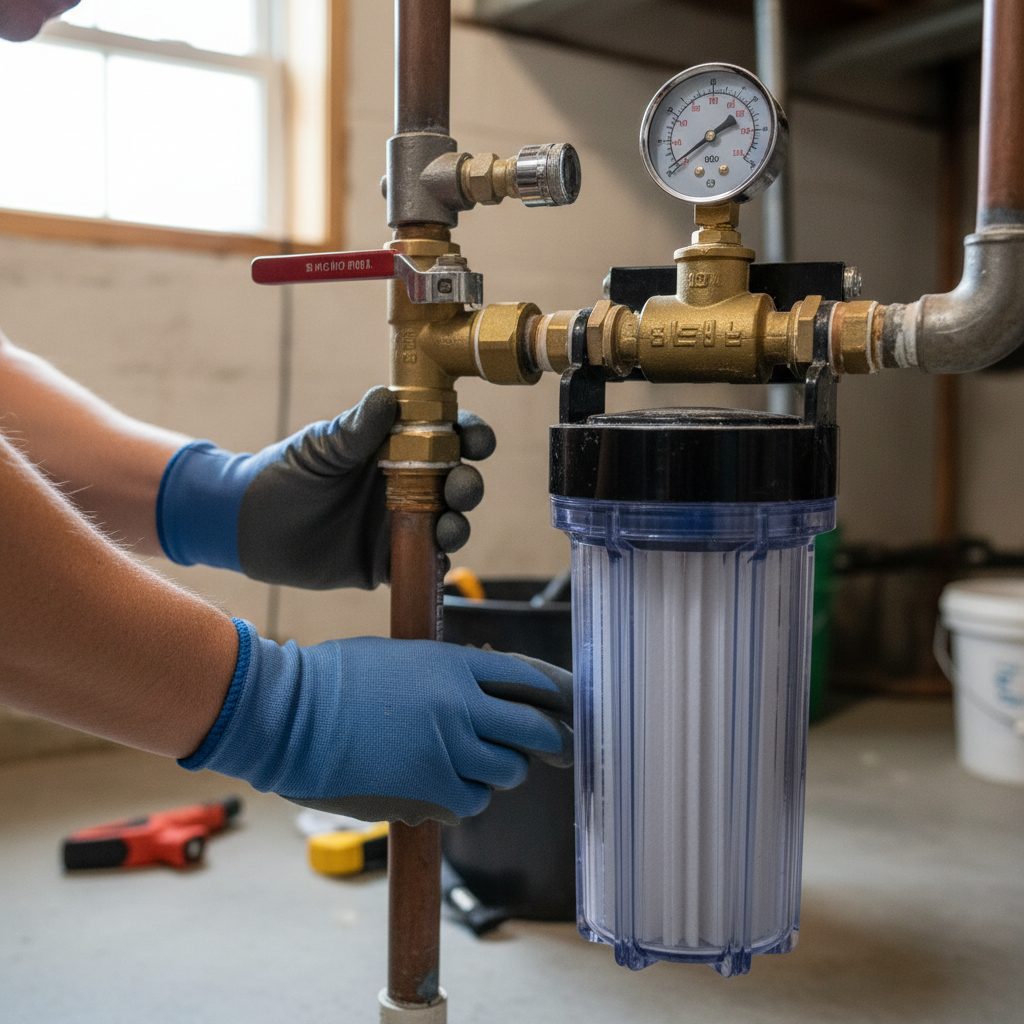
Tools & materials you'll need
Affiliate linksAs an Amazon Associate FixlyGuide earns from qualifying purchases — at no extra cost to you. Prices and availability are accurate as of publication and subject to change.
Quick Answer
Many homeowners immediately suspect widespread pipe issues when faced with low water pressure throughout the entire house. However, the most common culprits are often much simpler: a partially closed main water shut-off valve or a severely clogged whole-house water filter. Addressing these two components first can save significant time, money, and hassle, often restoring your home's water pressure to its proper levels within minutes.
The Problem
Imagine stepping into the shower, expecting a invigorating stream, only to be met with a weak dribble. You try the kitchen sink, then a bathroom faucet upstairs—same frustratingly low pressure everywhere. This isn't just an inconvenience; low water pressure can impact everything from showering and washing dishes to flushing toilets and watering your garden. When the problem affects all fixtures, it points to an issue with your home's main water supply or a component located early in your plumbing system, not isolated fixture problems. Ignoring it can lead to inefficient appliance operation, longer chore times, and general household frustration.
How It Works
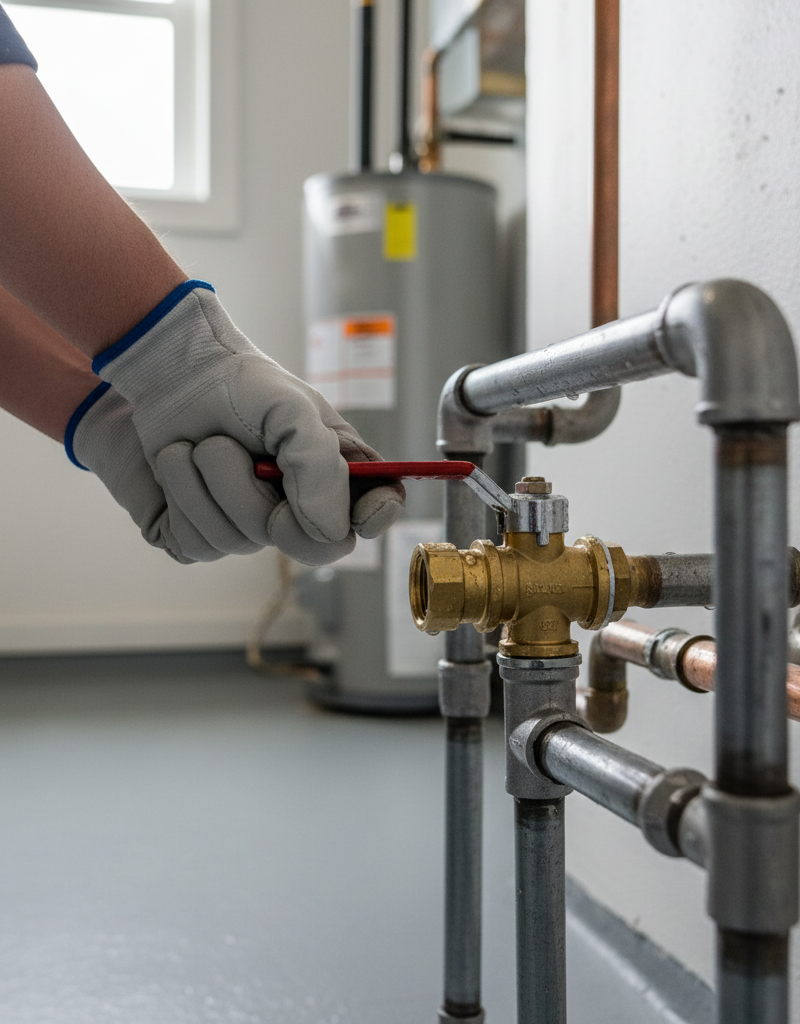
Your home’s water pressure originates from your municipal water supply or a well pump. This pressurized water enters your home through the main water line, first encountering the main shut-off valve, which allows you to control the flow to your entire house. After this, water often passes through a water meter (if on municipal supply) and then, in many homes, a whole-house water filter. This filter is designed to remove sediments and contaminants before water is distributed through your home's internal plumbing network. From the main line, branches extend to various fixtures like sinks, showers, toilets, and appliances. The pressure at any given fixture is a function of the initial supply pressure, the diameter of the pipes, and the resistance encountered along its path (e.g., from valves, elbows, or clogs in filters). When the main shut-off valve isn't fully open, or a whole-house filter is choked with sediment, it restricts the overall flow before the water even reaches the branching pipes, effectively throttling the pressure available to every fixture in your home simultaneously.
Step-by-Step Fix
Step 1: Confirm Whole-House Issue — Test multiple fixtures on different floors.
Before you do anything, verify that the low pressure is indeed affecting all water sources in your house. Turn on a faucet in an upstairs bathroom, a downstairs kitchen sink, and perhaps an outdoor spigot (if applicable). If all of them exhibit significantly reduced flow, you have a whole-house problem. If only one or two fixtures are affected, the cause is likely localized to those specific fixtures (e.g., clogged aerators or faulty cartridges), and these steps won
Frequently asked questions
Why is my water pressure suddenly low everywhere?+
Sudden low water pressure everywhere often points to a recent change or blockage in your main water supply. Common culprits include a partially closed main shut-off valve, a severely clogged whole-house water filter, or an issue with your municipal supply (check with neighbors).
Can a bad water heater cause low water pressure?+
A water heater typically only affects hot water pressure. If you have low pressure on both hot and cold lines throughout the house, the water heater is unlikely to be the primary cause. However, a failing dip tube or excessive sediment buildup in an old water heater can restrict hot water flow, mimicking low pressure.
How do I know if my water pressure regulator is bad?+
Signs of a failing water pressure regulator include fluctuating water pressure (sudden high or low surges), consistently low pressure throughout the house, or a banging noise in your pipes (water hammer). You can test it with a water pressure gauge attached to an outdoor spigot.
Should I replace my main shut-off valve if pressure is low?+
Only if inspection reveals it's faulty, leaking, or impossible to turn. More often, a main shut-off valve just needs to be turned fully open. If it's old and stiff, or doesn't fully open, replacement by a professional plumber is the safest option, as it controls your entire home's water supply.
Discussion
Loading comments…