Tools & materials you'll need
Affiliate links- AmazonStep ladder or extension ladderEnsure it's tall enough for safe roof access.
- AmazonSlip-resistant work boots/shoesCrucial for safety on the roof.
- AmazonFlat pry bar or shingle remover toolFor lifting shingles without damage.
- AmazonUtility knife or roofing knifeFor cutting shingles if necessary.
- AmazonHammer
- AmazonStiff brushFor cleaning the repair area.
As an Amazon Associate FixlyGuide earns from qualifying purchases — at no extra cost to you. Prices and availability are accurate as of publication and subject to change.
Quick Answer
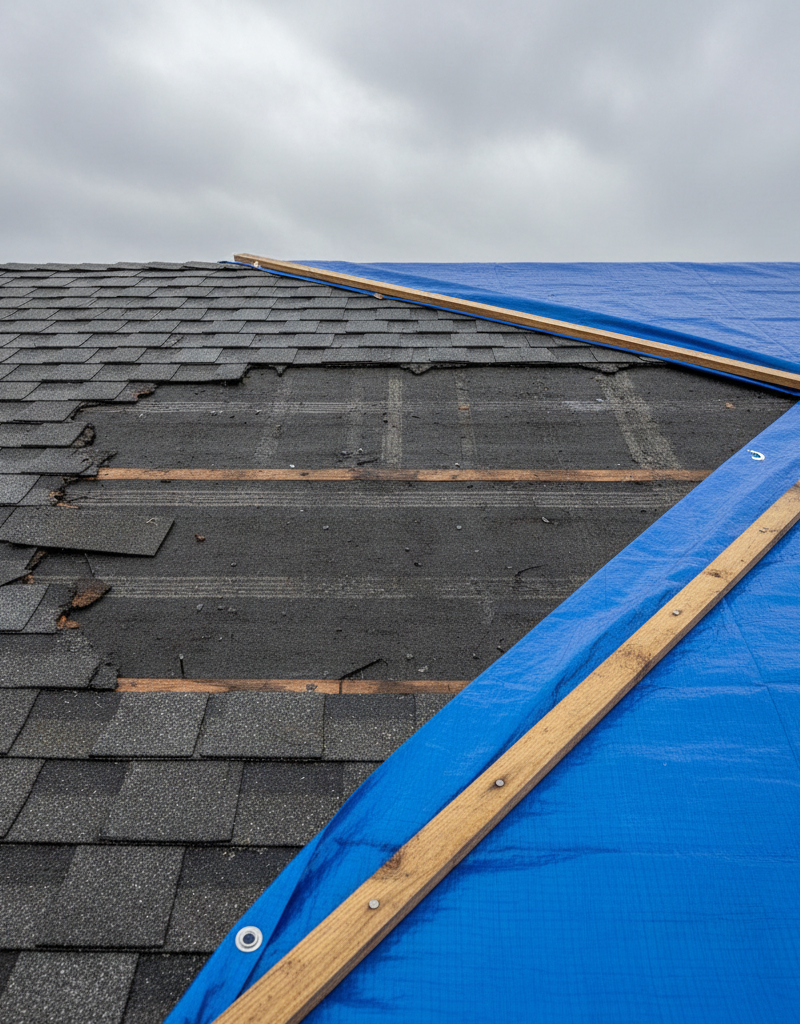
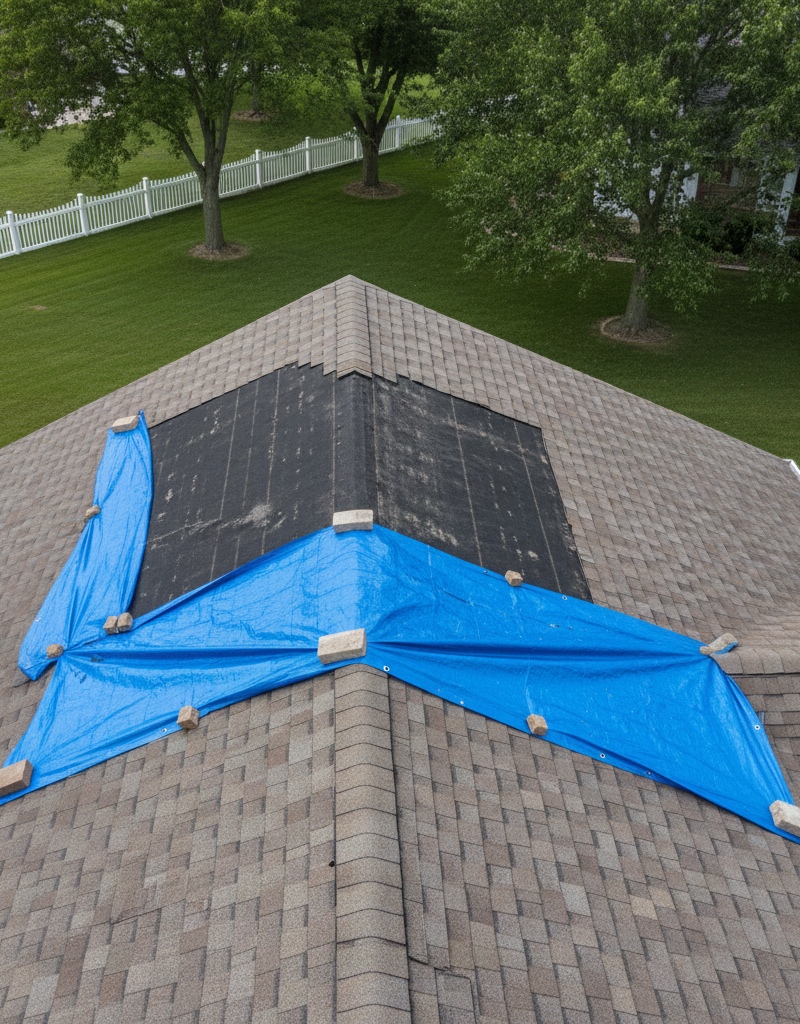
When high winds or a storm rips shingles from your roof, the immediate priority is to prevent water from entering your home. For a quick, temporary fix, you can apply a robust roofing patch using specialized tar or, for larger areas, secure a tarp over the exposed section. A more lasting DIY repair involves carefully prying up the surrounding shingles, removing damaged ones, applying roofing cement, and nailing new shingles into place, meticulously overlapping them according to manufacturer instructions and local building codes. Always prioritize your safety and understand when the damage warrants calling a licensed professional.
The Problem
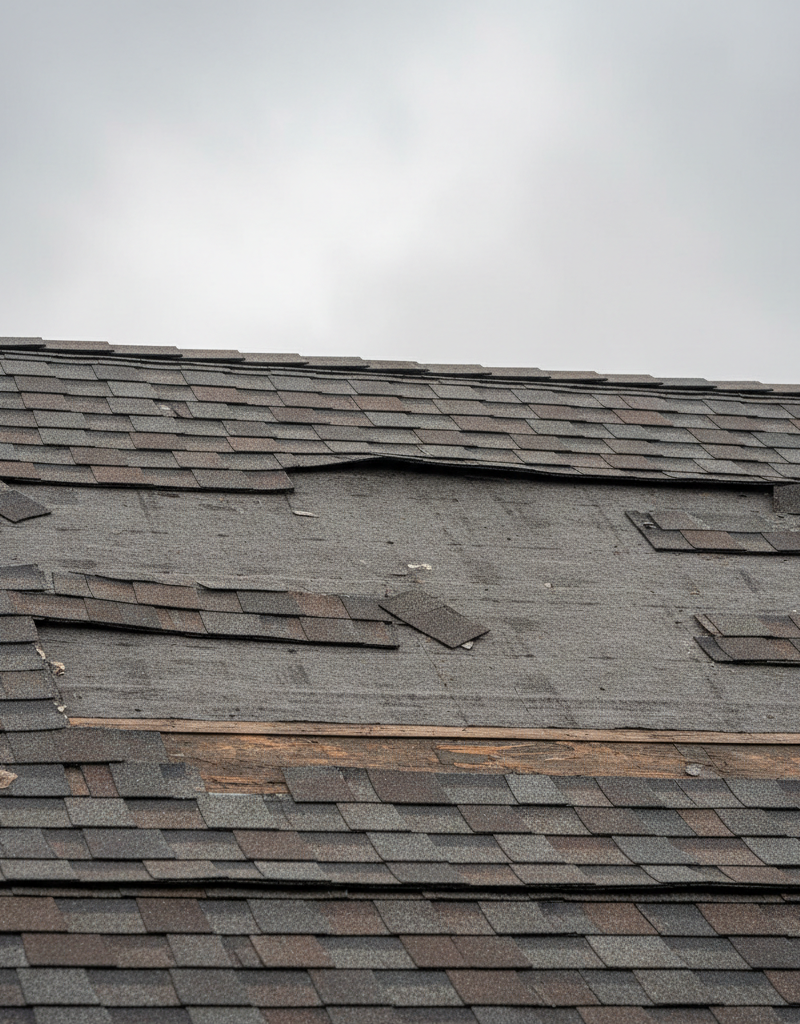
Few things are as disheartening as looking up at your roof after a severe storm and seeing bare spots where shingles once were. Missing shingles aren't just an eyesore; they are a direct breach in your home's first line of defense against the elements. Each missing shingle exposes the underlying roofing felt and, eventually, the roof decking to rain, snow, and UV radiation. This exposure can quickly lead to widespread water damage, rot in the decking and attic framing, compromised insulation, and even interior leaks that can damage ceilings, walls, and personal property. The longer the delay in addressing missing shingles, the higher the risk of escalating damage, transforming a relatively simple repair into a costly, complex renovation.
How It Works
Your roof is a sophisticated system designed to shed water and protect your home. Asphalt shingles, the most common roofing material, are made of a fiberglass mat saturated with asphalt, then coated with ceramic granules. These granules provide UV protection and add weight and color. Shingles are installed in overlapping courses, with adhesive strips (often activated by the sun's heat) that bond them together and to the underlying layer, creating a waterproof seal. Beneath the shingles is a layer of asphalt-saturated felt or synthetic underlayment, which provides a secondary barrier against water and protects the roof deck during installation. The roof deck, typically made of plywood or OSB, provides the structural support for the entire roofing system. When high winds hit, they create both positive and negative pressure on the roof surface. The positive pressure pushes against the roof, while the negative pressure (lift) can pull shingles upwards, especially if their adhesive seal has deteriorated due to age or improper installation. Once lifted, the wind can get underneath, tearing the shingles from their fasteners and carrying them away, leaving the felt or deck exposed.
Step-by-Step Fix
Safety First — Assess, Ladder, and Footwear
— Before attempting any roof repair, take a critical look at the damage from the ground. Only proceed if you are comfortable working at heights and the roof pitch is not excessively steep. Ensure your ladder is stable on level ground, extends at least three feet above the eave, and is properly secured. Wear slip-resistant footwear and avoid working in wet or windy conditions. If you're uncomfortable, or the damage is extensive or on a high/steep roof, call a professional.
Gather Your Gear — Tools and Materials
— Collect all necessary tools and materials before climbing the ladder. This prevents multiple trips and ensures you have everything on hand for an efficient repair. For example, have your new shingles, roofing nails, hammer, pry bar, utility knife, and roofing cement ready to go.
Inspect and Prepare the Area — Locate and Clear
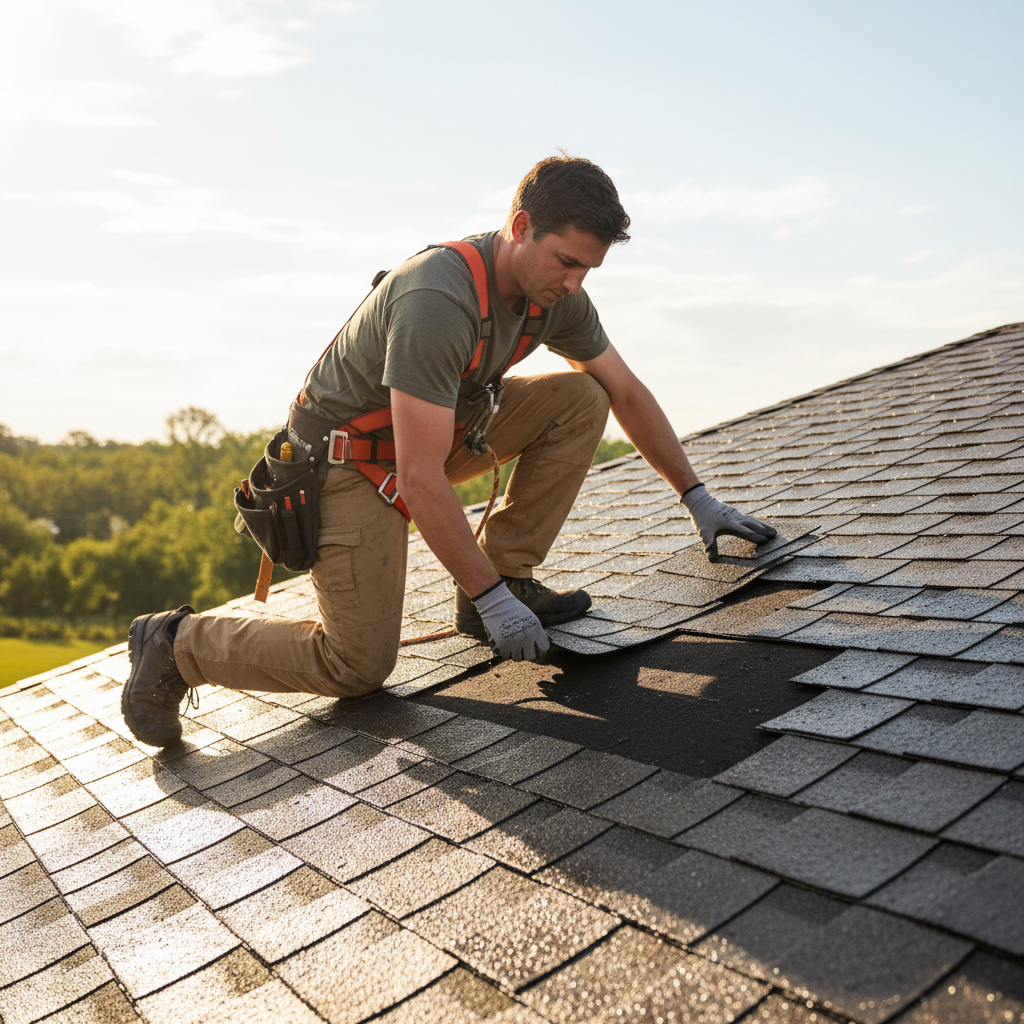
— Once safely on the roof, carefully inspect the area where shingles are missing. Look for any loose nails, debris, or damaged roofing felt. Use a stiff brush to clear away any granules, dirt, or small pieces of old shingle. This ensures a clean and smooth surface for the new shingles to adhere properly. If the underlying felt is torn or significantly damaged, you may need to patch it with a piece of new felt and roofing cement before applying new shingles.
Pry Up Adjacent Shingles — Create Working Room
— Use a flat pry bar or a shingle remover tool to gently lift the tabs of the shingles in the course directly above the missing shingle(s). Be very careful not to crease or damage these shingles. You need enough space to insert the new shingle and drive nails underneath. If the shingles are very brittle due to age or cold weather, you may need to warm them slightly with a heat gun on a low setting (from a safe distance) to prevent cracking, but proceed with extreme caution to avoid damaging the shingle or igniting material.
Scrape Old Cement/Adhesive — Ensure a Flat Base
— For areas where shingles were previously cemented down, gently scrape away any old, hardened roofing cement or adhesive residue using a putty knife or a chisel. A smooth, clean surface ensures the new shingle lays flat and creates a proper seal.
Apply Roofing Cement — The Adhesive Layer
— Using a caulk gun, apply a generous (but not excessive) bead of roofing cement along the bottom edge of the exposed felt or deck where the new shingle will sit. Also, if replacing more than one shingle, apply a small dab of cement underneath the lifted tabs of the surrounding shingles to help re-adhere them later. Aim for enough cement to create a seal, but not so much that it oozes out excessively when the shingle is pressed down.
Slide in New Shingle(s) — Exact Placement
— Carefully slide the new shingle(s) into place, ensuring it aligns perfectly with the exposed edge of the shingle below it and with any existing side gaps. The new shingle should overlap the felt and the course below it, just as the original shingles did. Ensure the cutout of the new shingle aligns with the cutouts of the existing course below it for a consistent appearance and proper water shedding.
Nail the Shingle Securely — Proper Fastening
— Using a hammer, secure the new shingle with 1-inch roofing nails. Drive the nails through the top edge of the shingle, approximately ¾ to 1 inch above each cutout. For typical three-tab shingles, use four nails per shingle, evenly spaced. Drive the nails straight so the head is flush with the shingle surface but not so deep that it tears the shingle. Ensure nails penetrate the roof decking at least ¾ inch. The nails should be positioned so they are covered by the overlapping shingle tab from the course above.
Seal Adjacent Tabs — Final Adhesion
— Gently press down on the lifted tabs of the adjacent shingles to re-engage their adhesive strips. If the weather is cool, or the original adhesive is weak, apply a small dab of roofing cement underneath each lifted tab to ensure a strong seal. This prevents future wind uplift on those previously disturbed shingles.
Clean Up and Inspect — Final Review
— Remove all tools and debris from the roof. Perform a final visual inspection of the repaired area from both on the roof and the ground to ensure the new shingles are lying flat, properly aligned, and securely fastened. Check for any exposed nail heads or areas that might lift in the next storm. Dispose of old shingles and materials properly.
Common Causes
- High Winds: The most frequent culprit. Strong wind gusts (especially those exceeding 50-60 mph) create uplift forces that can tear shingles away, particularly if the adhesive seal is compromised by age or insufficient sun exposure. The edges and corners of the roof are often most vulnerable.
- Aging Shingles: As shingles age, the asphalt dries out, becoming brittle. The adhesive strips lose their effectiveness, making them easier for wind to lift and break. Granule loss is also common, exposing the asphalt to UV rays and further deteriorating the shingle.
- Improper Installation: Shingles installed with too few nails, nails placed too high (known as
Frequently asked questions
How urgently do I need to fix missing shingles?+
You should fix missing shingles as soon as safely possible, ideally within 24-48 hours of discovery. Each hour they are exposed, your home is vulnerable to water damage, which can quickly lead to much more expensive repairs.
Can I replace just a few missing shingles?+
Yes, for minor, localized damage, you can often replace just a few missing shingles yourself. However, if a large area is affected, or if you notice widespread granule loss and extensive shingle brittleness, it might indicate it's time for a more comprehensive roof inspection or professional repair.
What if my shingles are too brittle to lift without breaking?+
If your shingles are very old, brittle, or it's cold outside, they can easily crack when lifted. You can try gently warming them with a heat gun on a very low setting from a safe distance, but exercise extreme caution to avoid damage or fire. If they still break easily, it might be a sign that the entire roof is at the end of its lifespan, and a professional assessment is warranted.
How much does it cost to fix a few missing shingles?+
DIY repair for a few missing shingles typically costs $20-$50 for a bundle of shingles and a tube of roofing cement. If you hire a professional for a small repair, expect to pay $150-$400, depending on the number of shingles, roof accessibility, and your location.
Discussion
Loading comments…