Tools & materials you'll need
Affiliate links- AmazonOrganic shredded bark mulch1-2 cubic yards · Adjust quantity based on garden size
- AmazonCompost (optional)1 bag · For soil enrichment before mulching
- AmazonSlow-release nitrogen fertilizer (optional)1 box · If using fresh wood chips
- AmazonEdging material (optional)Varies by project · For sloped beds
As an Amazon Associate FixlyGuide earns from qualifying purchases — at no extra cost to you. Prices and availability are accurate as of publication and subject to change.
Quick Answer
Many homeowners, with the best intentions, make crucial mulching mistakes that can actually harm their plants. The three most common culprits are applying mulch too thickly, piling it directly against plant stems or tree trunks (the dreaded "mulch volcano"), and unfortunately, choosing the wrong type of mulch for their specific garden needs. The correct approach involves a moderate layer of 2-4 inches, ensuring a several-inch gap around the base of plants and trees, and selecting an organic mulch that complements your soil and plants, promoting health rather than hindrance. This method prevents root rot, pest infestations, and nutrient deficiencies, leading to a flourishing garden.
The Problem
You've spent hours meticulously planting, watering, and weeding, dreaming of a vibrant, healthy garden. Then, you read about the benefits of mulching – moisture retention, weed suppression, soil improvement – and decide to go all in. You buy bags of beautiful mulch, spread it generously, perhaps even mounding it up around your prized rose bushes or young trees for that neat, finished look. A few weeks or months later, however, you notice something is wrong. Your plants look stressed, leaves are yellowing, growth is stunted, or worse, some are starting to rot at the base. You might even spot an increase in pests. What went wrong? The seemingly beneficial act of mulching, when done incorrectly, can quickly turn into a silent killer for your beloved plants.
These common mulching missteps create environments ripe for disease, suffocate roots, attract unwanted pests, and even leach harmful substances into your soil. Understanding these pitfalls and, more importantly, how to avoid them is critical to the long-term health and vitality of your garden. It’s not just about putting mulch down; it’s about putting it down correctly to harness its full potential for good.
How It Works
Mulch, at its core, is a protective layer applied to the soil surface. When applied correctly, it acts as a natural blanket, offering numerous benefits. Organic mulches – like shredded bark, wood chips, pine needles, or compost – slowly decompose, enriching the soil with organic matter, improving its structure, and feeding beneficial microorganisms. This decomposition process is vital for long-term soil health, enhancing drainage in heavy clay soils and increasing water retention in sandy soils.
By covering the soil, good mulching significantly reduces evaporation, meaning your plants need less frequent watering. It also moderates soil temperature, keeping roots cooler in summer and warmer in winter, which lessens plant stress. Furthermore, a proper mulch layer suppresses weed growth by blocking sunlight, depriving weed seeds of the energy they need to germinate and grow. This reduces competition for water and nutrients, allowing your desirable plants to thrive.
However, when these principles are violated, the benefits quickly turn into detriments. Overly thick mulch layers can suffocate roots by reducing oxygen exchange and trapping too much moisture, creating an anaerobic environment perfect for fungal diseases like root rot. When mulch is piled against stems or trunks, it creates a continuously wet collar, inviting pests like voles and slugs, and promoting stem rot. It also prevents the bark from properly hardening off, making the plant more susceptible to disease and insect damage. Using the wrong type of mulch can also acidify soil excessively, leach nitrogen, or introduce pathogens. The goal is to create a beneficial microclimate for soil and roots, not a suffocating wet blanket or a pest haven.
Step-by-Step Fix
Fixing mulching mistakes means correcting the application and, if necessary, changing the type of mulch. Here’s how to do it right:
-
Assess the Damage – Examine your plants for symptoms
- Before you do anything, carefully look at your plants. Are leaves yellowing? Is there fungal growth on the mulch or around the plant base? Are stems soft and mushy near the soil line? Is growth stunted? Note these observations, as they will guide your correction.
- If your plant has severe rot or infestation, it may be beyond saving, but addressing the mulch issue can prevent future problems for other plants.
-
Carefully Remove Excess Mulch – Uncover suffocated bases
- Using a rake, trowel, or gloved hands, gently pull back any mulch that is piled too high or directly against plant stems, tree trunks, or shrub crowns. The goal is to expose the base of the plant to air and allow its bark to dry naturally.
- For trees, aim for an area of bare soil 6-12 inches out from the trunk; for smaller plants, 2-4 inches is usually sufficient. You should be able to see the flare of the trunk where it meets the ground.
-
Inspect for Pests and Disease – Address underlying issues
- Once the mulch is removed, carefully inspect the exposed areas for signs of pests (slugs, voles, insect larvae) or fungal growth (white mycelial threads, slimy patches). Remove any visible pests by hand or with an appropriate organic pest control method.
- For fungal issues, you may need to entirely remove the affected mulch and a small amount of topsoil, and then allow the area to dry thoroughly before reapplying new, clean mulch. Consider applying a natural fungicide if the problem is severe.
-
Aerate the Remaining Mulch and Soil – Improve oxygen flow
- If the remaining mulch layer is compacted, gently fluff it with a rake or hand cultivator – this will allow air to circulate. If the soil underneath is also compacted and hard, carefully loosen it a few inches deep, being mindful of shallow roots. This improves water penetration and oxygen exchange to the roots.
-
Reapply Mulch Correctly – The ideal layer
- Once the area is clear and aerated, apply a fresh, even layer of mulch. Aim for a consistent depth of 2-4 inches. This thickness is sufficient for weed suppression and moisture retention without suffocating roots.
- Crucially, maintain a "donut hole" or "mulch-free zone" around the base of all plants and trees. Ensure the mulch is several inches away from stems and trunks, allowing air circulation and preventing rot.
-
Choose the Right Mulch Type – Match mulch to garden needs
- If your previous mulch was unsuitable (e.g., dyed wood chips that leached chemicals, or fresh wood chips that caused nitrogen tie-up), consider replacing it. Opt for organic mulches like shredded hardwood bark, compost, pine needles (for acid-loving plants), or leaf mold.
- Avoid inorganic mulches unless specifically desired for aesthetics and without considering soil benefits. For vegetable gardens, straw or compost works best. For perennial beds, shredded bark or leaf mulch is ideal.
-
Monitor Regularly – Ongoing vigilance
- After correcting the issue, make it a habit to regularly check your mulched beds. Once a month, gently pull back mulch from around plant bases to ensure it hasn't shifted too close. Inspect for signs of pests, disease, or excessive moisture. Fluff the mulch as needed to prevent compaction.
-
Educate Yourself on Mulch Chemistry – Understanding decomposition
- Understand that as organic mulches decompose, they use nitrogen from the soil. Fresh wood chips, in particular, can temporarily deplete soil nitrogen, causing yellowing in plants. If using fresh wood chips, consider adding a slow-release nitrogen fertilizer underneath before application, or use aged wood chips/bark.
- Pine needles can slightly acidify soil over time, making them ideal for azaleas, rhododendrons, and blueberries, but less so for plants preferring neutral or alkaline soil.
Common Causes
- Over-Application (Too Thick): This is perhaps the most common mistake. Homeowners believe more is better, but a thick layer (exceeding 4 inches, or up to 6 inches for very large trees) can inhibit oxygen and water penetration to the soil and roots. It also keeps insulation trapped in the wrong place, preventing the soil from warming up in spring and staying too wet.
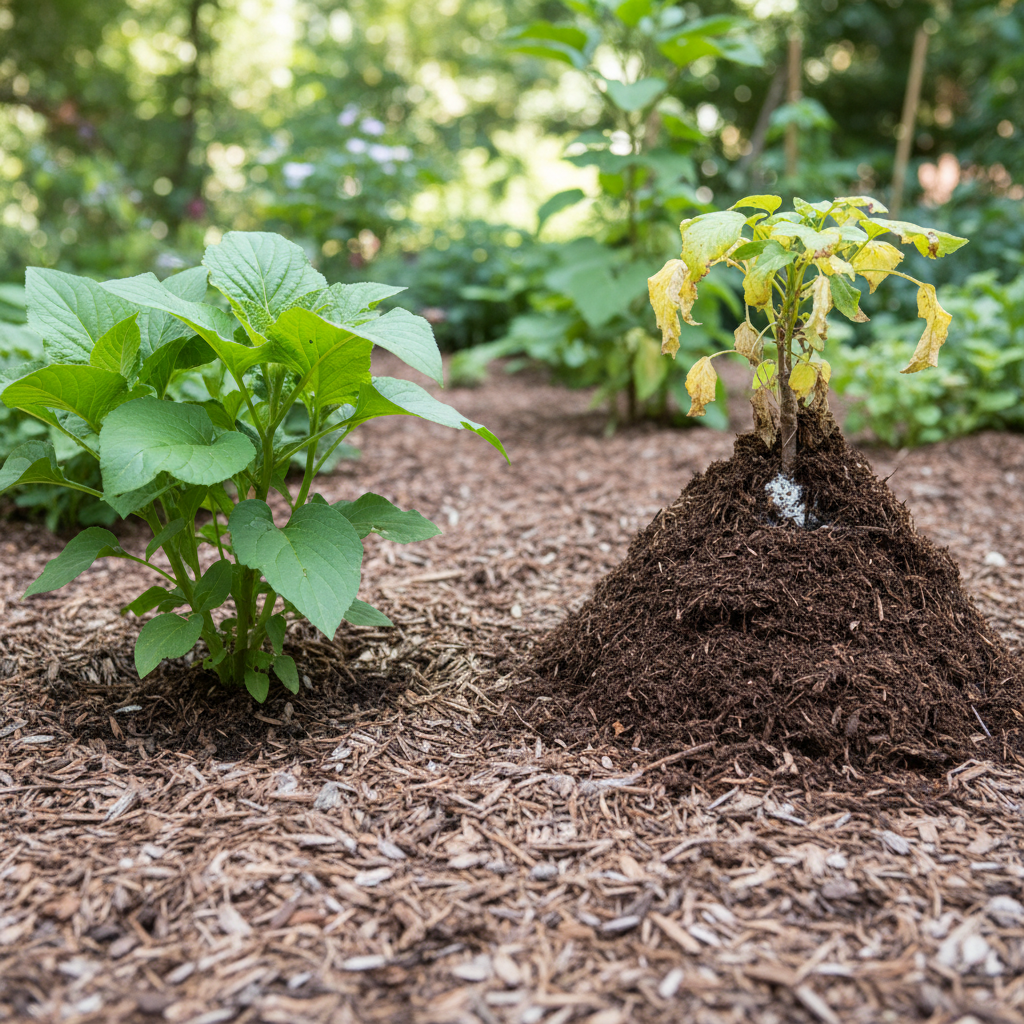
- The "Mulch Volcano": Piling mulch directly against the base of tree trunks or plant stems creates a perpetually moist environment. This invites fungal diseases like stem rot, crown rot, and introduces entry points for pests such as voles, slugs, and borers, which can chew through the bark and girdle the plant or tree. It also prevents the bark from developing natural resistance to environmental stressors.
- Using Improper Mulch Types: Some mulches can do more harm than good. Fresh wood chips, as they decompose, temporarily draw nitrogen from the soil (nitrogen tie-up), starving plants. Dyed mulches can sometimes contain chemicals harmful to plants or soil. Inorganic mulches like landscape fabric or plastic sheeting, while suppressing weeds, can prevent water and nutrient exchange, heat the soil excessively, or harbor pests underneath. Even very fine mulches can compact easily and form a crust, preventing water from reaching roots.
- Poor Drainage Underneath: If the soil beneath the mulch is already poorly draining, adding mulch exacerbates the problem by trapping even more moisture, leading to anaerobic conditions and root rot. This is often a precursor to fungal issues.
- Infrequent Inspection and Maintenance: Neglecting mulched beds means compaction, encroachment on plant stems, and pest infestations can go unnoticed until they become severe problems. Mulch should be periodically checked and fluffed.
Common Mistakes
- Mistake 1: Mounding Mulch Against Trunks/Stems. This is the classic "mulch volcano." Always leave a 2-4 inch (for smaller plants) or 6-12 inch (for trees) mulch-free zone around the base to prevent rot and pest issues. The goal is a donut shape, not a cone.
- Mistake 2: Applying Mulch Too Deeply. While 2-4 inches is ideal for most applications, exceeding 4 inches can suffocate roots and promote fungal growth. Resist the urge to pile it high – more isn't better here.
- Mistake 3: Using Fresh Wood Chips Near Sensitive Plants. Fresh wood chips, while aesthetically pleasing, undergo a decomposition process that temporarily depletes nitrogen from the topsoil. If used around young or nitrogen-hungry plants, they can cause yellowing and stunted growth. Opt for aged wood chips or other forms of mulch for these areas.
- Mistake 4: Not Preparing the Bed First. Before mulching, always weed the bed thoroughly. Mulch suppresses new weeds but won't kill established ones. Also, ensure the soil is moist – mulching dry soil will only keep it dry.
- Mistake 5: Relying Solely on Landscape Fabric. While landscape fabric can initially suppress weeds, it often degrades, allows weeds to grow through it over time, and can hinder water and nutrient penetration into the soil, ultimately doing more harm than good. It also doesn't contribute organic matter to the soil like organic mulches do.
- Mistake 6: Forgetting About Runoff and Movement. On sloped areas, certain types of mulch (especially lighter, finer ones) can easily wash away during heavy rains. Consider using heavier, shredded bark mulches or incorporating edging to hold mulch in place on inclines.
Cost & Time Breakdown
| Task | DIY cost | Pro cost | Time |
|---|---|---|---|
| Raking/Removing old, damaged mulch | $0 | $75–$150 | 30–60 minutes |
| Soil/Plant Inspection & Treatment | $0–$25 | $50–$100 | 15–30 minutes |
| New Organic Mulch (per cubic yard) | $30–$80 | Included | 1–2 hours |
| Application of New Mulch (per cubic yard) | $0 | $50–$120 | 1–2 hours |
| Edging (if needed, 50 linear feet) | $30–$100 | $100–$200 | 1–2 hours |
| Total (for small to medium garden) | $30–$125 | $275–$570 | 2–4 hours |
Tips & Prevention
- Choose the Right Depth: Always aim for 2-4 inches of organic mulch. This is deep enough to suppress weeds and retain moisture without creating an overly wet or anaerobic environment.
- Maintain the "Donut Hole": Keep mulch several inches away from the base of all plant stems and tree trunks. Visualize a donut, not a volcano. This allows for proper air circulation and prevents rot and pest harborage.
- Select Quality Organic Mulch: Opt for shredded hardwood bark, leaf mold, pine needles, or well-aged compost. These break down slowly, enriching your soil and providing long-term benefits. Avoid fresh wood chips, especially around young or sensitive plants.
- Test Your Soil: Before adding any mulch, especially if you suspect pH issues, perform a simple soil test. This can help you choose a mulch that complements your soil's existing conditions rather than creating a new problem.
- Weed Before You Mulch: Mulch is excellent at suppressing new weeds but won't eliminate existing ones. Thoroughly weed your beds before applying mulch to get the most benefit.
- Water Before You Mulch: Always ensure the soil is moist before applying mulch. Mulch helps retain moisture, but it won't add it. Applying mulch to dry soil will only keep it dry.
- Inspect and Fluff Regularly: Periodically check your mulched beds (monthly or quarterly). Fluff up compacted mulch to ensure air and water can penetrate. Pull back any mulch that has crept too close to plant bases.
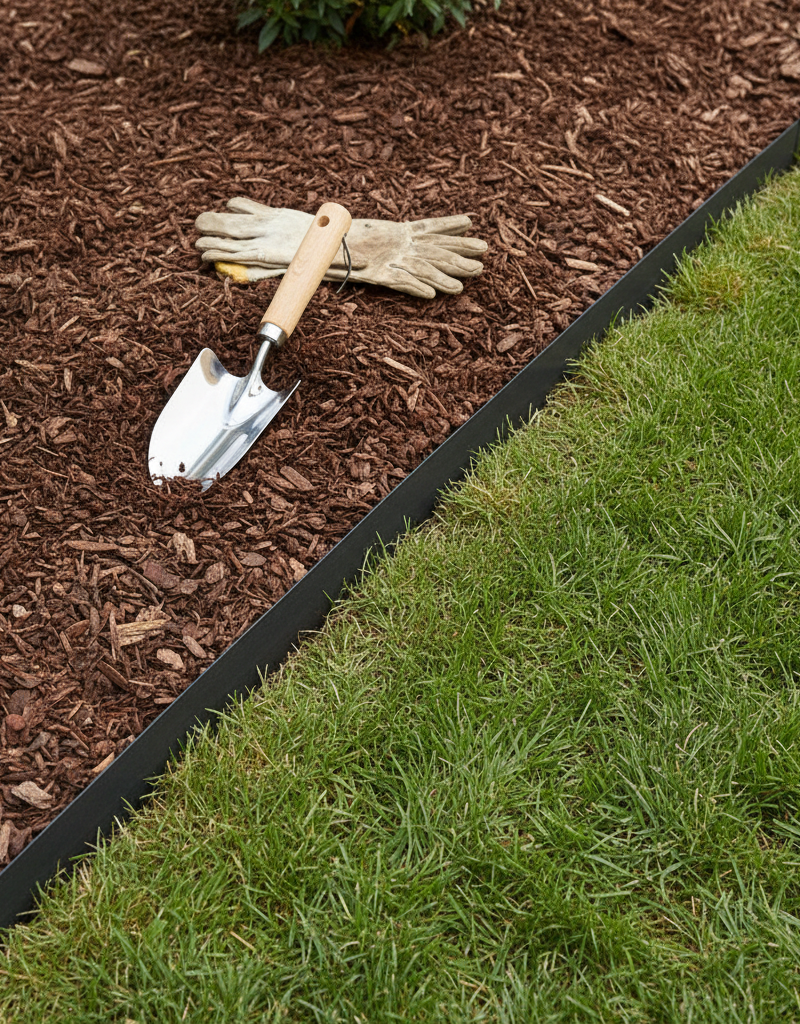
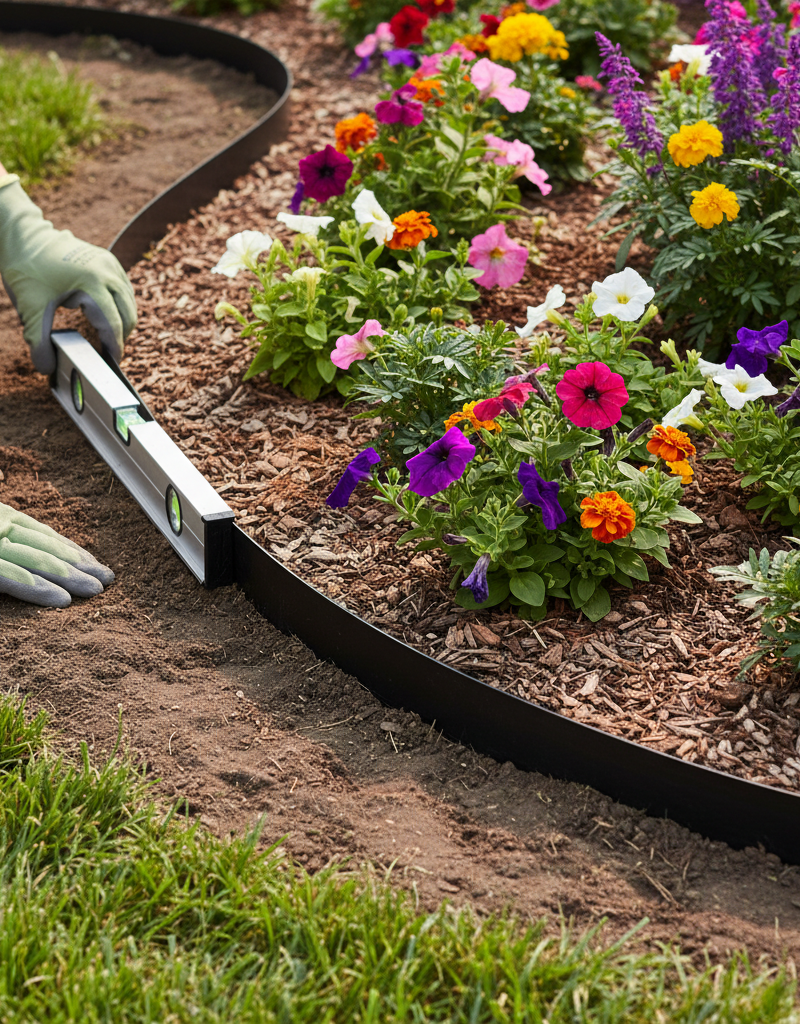
- Consider Edging: For sloped beds or windy areas, consider installing an edging material (plastic, metal, stone, or brick) to help prevent mulch from washing or blowing away.
When to Call a Professional
If you're dealing with extensive plant loss, signs of widespread aggressive fungal diseases that are spreading rapidly despite your best efforts, or a significant pest infestation that seems to be directly linked to your mulching practices, it might be time to call a professional. A certified arborist can assess tree health for severe trunk rot caused by mulch volcanoes, or a landscape professional can advise on major soil amendments and replanting strategies after widespread plant failures. They can also help design and install a proper mulching system for large or complex garden areas, ensuring the right mulch is chosen and applied correctly from the start to prevent future issues and protect your landscaping investment. Don't hesitate if you're unsure about the extent of the damage or how to effectively mitigate complex issues across your entire garden.
Frequently asked questions
How thick should mulch be around plants?+
For most plants and trees, mulch should be applied in a layer of 2-4 inches. This depth is effective for weed suppression and moisture retention without suffocating plant roots or creating an overly damp environment that can lead to rot.
What is a 'mulch volcano' and why is it bad?+
A 'mulch volcano' is when mulch is piled high against the trunk of a tree or the stem of a plant. This is bad because it keeps the bark perpetually wet, inviting fungal diseases like stem and crown rot, and creating a perfect habitat for pests like voles and slugs that can damage the plant's base.
Can too much mulch kill a plant?+
Yes, too much mulch can absolutely kill a plant. A thick layer of mulch (over 4 inches) can suffocate roots by reducing oxygen exchange, trap excessive moisture leading to root rot, prevent vital water from reaching the soil, and create conditions favorable for harmful pests and diseases.
What type of mulch is best for general garden beds?+
For general garden beds, organic mulches like shredded hardwood bark, aged compost, or leaf mold are excellent choices. They break down slowly, enriching the soil with organic matter, improving soil structure, and providing long-term benefits to your plants.
How far should mulch be from a tree trunk?+
Mulch should be kept a minimum of 6 to 12 inches away from the base of a tree trunk. This creates a 'mulch-free zone' that allows the bark to dry out naturally, prevents stem rot, and discourages pests from nesting against the trunk.
Discussion
Loading comments…