Tools & materials you'll need
Affiliate linksAs an Amazon Associate FixlyGuide earns from qualifying purchases — at no extra cost to you. Prices and availability are accurate as of publication and subject to change.
Quick Answer
Achieving a professional-looking paint job involves meticulous preparation, proper application techniques, and recognizing common mistakes before they become permanent. Key steps include thorough cleaning, patching imperfections, precise masking, using high-quality tools, and applying paint in thin, even coats. Understanding how specific errors like lap marks or poor adhesion occur allows you to adjust your approach for a superior finish, ensuring a smooth, streak-free surface that enhances your room's aesthetic.
The Problem
You've spent hours meticulously painting, only to step back and find frustrating flaws: unsightly streaks, uneven color, drips, or paint peeling away. These imperfections detract from the fresh look you envisioned and can make a DIY paint job look amateurish. The problem isn't always a lack of effort, but often a misunderstanding of underlying causes and the precise techniques required to prevent them. Common issues range from visible brushstrokes and roller marks to paint that won't stick or takes ages to dry. Diagnosing the specific flaw – whether it's 'flashing' (uneven sheen), cracking, or premature wear – is the first step to correcting it and ensuring your next painting project is a success. This guide will walk you through the most common painting pitfalls and provide actionable steps to achieve a truly professional finish.
How It Works
Understanding how paint cures and adheres is crucial for a flawless finish. Paint isn't just color; it's a complex chemical mixture of pigment, binder, liquid, and additives. The binder, typically acrylic, latex, or oil-based resin, is the 'glue' that holds the pigment particles together and allows the paint to stick to the surface. The liquid (water for latex, mineral spirits for oil-based) acts as a carrier, allowing the paint to be spread easily. As the liquid evaporates, the binder particles coalesce, forming a solid, continuous film. This process, called 'curing,' can take days or even weeks, during which the paint film hardens and achieves its final durability and sheen.
Surface preparation is paramount because paint needs a clean, dry, and properly primed substrate for optimal adhesion. Any dirt, grease, flaking old paint, or even dust acts as a barrier, preventing the binder from forming a strong bond. Primers create a uniform, slightly porous surface that promotes adhesion, blocks stains, and ensures consistent color absorption, which is especially important when changing dark colors to light or painting over patched areas. The type of roller nap and brush you use influences how much paint is applied and how smoothly it spreads. A too-short nap won't hold enough paint for textured walls, leading to uneven coverage, while a too-long nap can leave excessive texture. Brushes are critical for cutting in precise lines, and the quality of bristles affects the smoothness of the brushstroke. Environmental factors like temperature and humidity also play a huge role; extreme conditions can cause paint to dry too quickly or too slowly, leading to defects like blistering or sagging.
Step-by-Step Fix
1. Identify the Flaw — Accurately diagnose the specific problem before attempting a fix.
- Streaking/Uneven Color: Often caused by improper roller technique (not enough paint, too much pressure, or not overlapping strokes) or insufficient coats. Can also be due to poor mixing of paint or trying to cover a dark color with a lighter one without proper priming.
- Drips/Sags: Too much paint applied at once, paint that's too thin, or painting in high humidity/low temperatures where drying is slow.
- Brush Marks: Using a brush that's too stiff, applying too much pressure, using low-quality paint, or not 'tipping off' (lightly smoothing the final stroke).
- Peeling/Flaking: Poor surface preparation (dirt, grease, moisture), painting over incompatible finishes, or not using a primer when needed.
- Cracking/Alligatoring: Applying a topcoat over an inadequately cured primer or previous coat, or applying a very hard topcoat over a soft, flexible undercoat. Also, excessively thick paint layers.
- Poor Coverage/Patchiness: Not enough coats, using the wrong roller nap for the surface texture, or painting a porous surface without primer.
2. Prepare the Surface Properly — This is non-negotiable for a professional finish.
- Clean walls: Use a mild all-purpose cleaner (like TSP substitute) mixed with water. Wipe down walls from bottom to top to avoid streaking, then rinse thoroughly with clean water. Allow walls to dry completely. Safety: Wear gloves and eye protection when using cleaners.
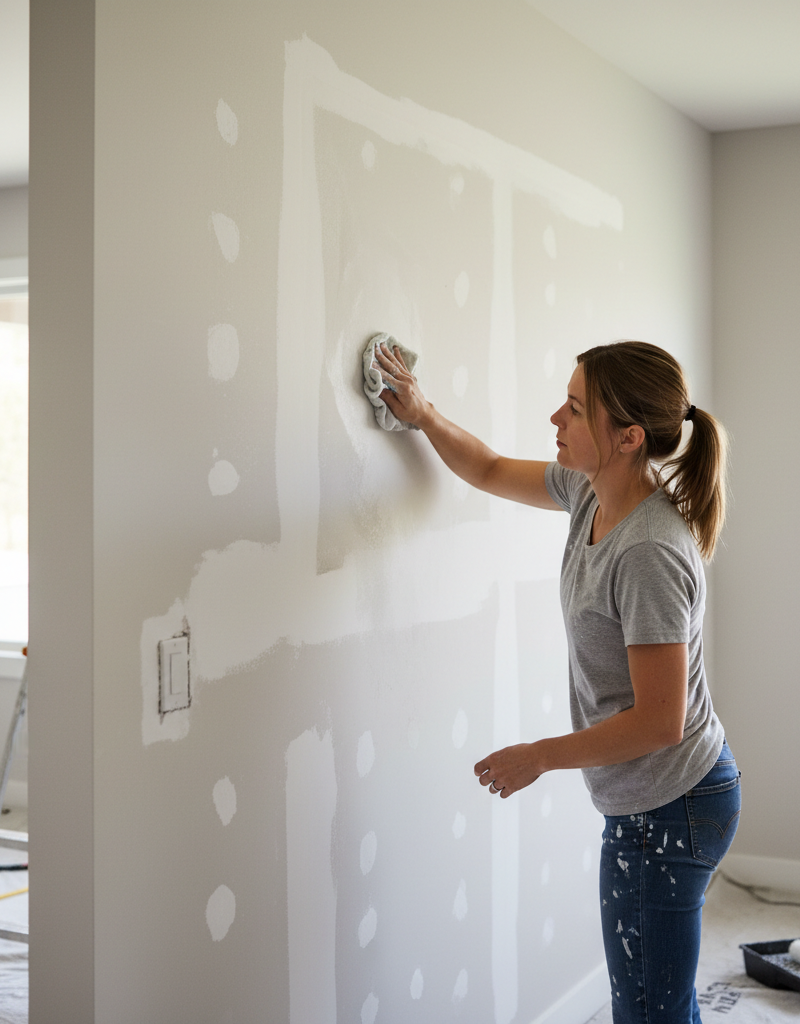
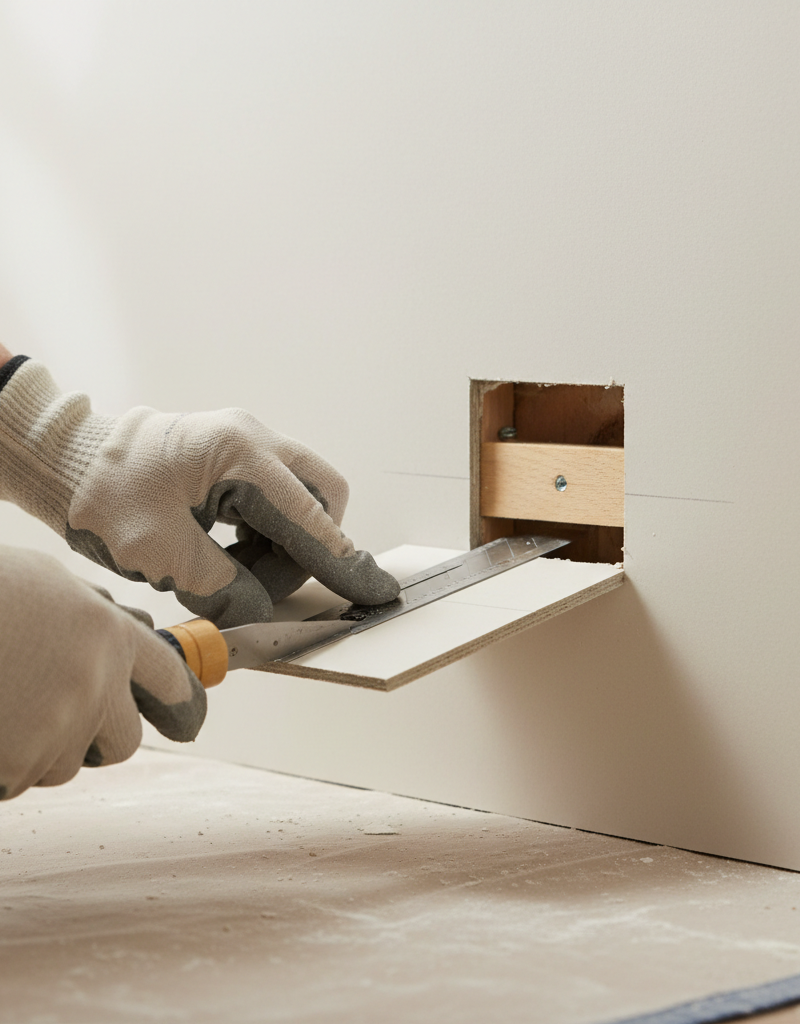
- Sand and patch: Lightly sand any glossy surfaces with 220-grit sandpaper to create tooth for adhesion. Fill nail holes and small cracks with spackle, let dry, then sand smooth with 120-grit, then 220-grit sandpaper. Feather the edges so patches blend seamlessly. For larger holes or damaged drywall, use drywall compound.
- Dust removal: After sanding, thoroughly wipe down walls with a damp cloth or a tack cloth to remove all sanding dust. Dust is the enemy of adhesion.
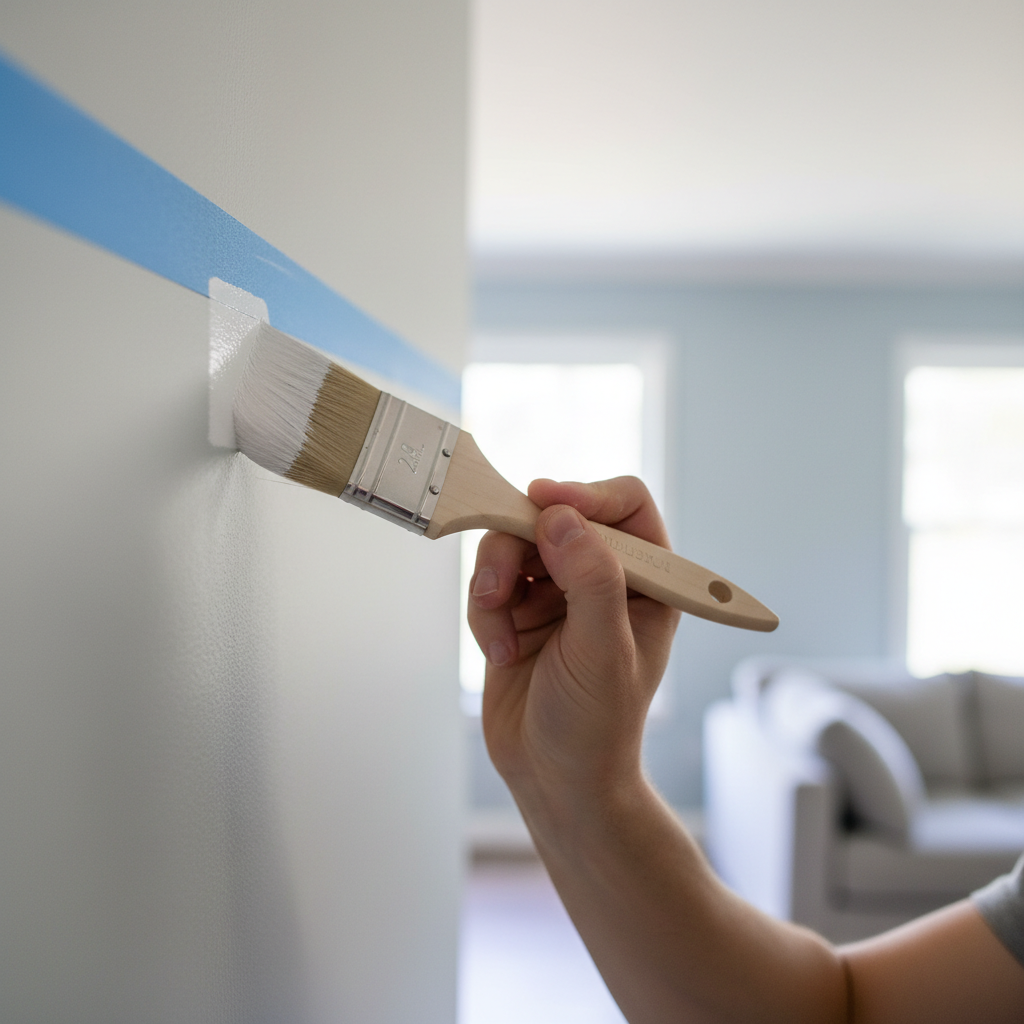
- Masking: Apply high-quality painter's tape (blue or green tape, not masking tape) along baseboards, door frames, window frames, and ceilings. Press firmly to create a seal and prevent bleed-through. Remove switch plates and outlet covers.
3. Prime, Prime, Prime — Don't skip this, especially when painting over repairs or significant color changes.
- Spot priming: For patched areas, apply a thin coat of primer. This prevents 'flashing' (uneven sheen) because patched areas absorb paint differently than the rest of the wall.
- Full room priming: Apply a full coat of quality primer if you're changing a dark color to light, painting over stains, or painting unfinished drywall/new plaster. This ensures consistent color and adhesion. Allow primer to dry fully according to manufacturer instructions.
4. Master Your Paint Application — Technique is everything for even coverage.
- Stir paint thoroughly: Use a paint stirrer to mix paint for several minutes, scraping the bottom to ensure pigments and binders are evenly distributed. Do this before pouring into a tray and periodically during painting.
- Use the right tools: Employ a high-quality angled brush (2-2.5 inches) for 'cutting in' along edges. Use a roller with the correct nap length for your surface (e.g., 3/8-inch nap for smooth to semi-smooth walls, 1/2-inch for lightly textured).
- The M or W technique: Load your roller evenly by rolling it in the paint tray several times. Apply paint in 3x3-foot sections, starting with a large 'M' or 'W' pattern, then filling in the empty spaces with horizontal strokes. Finish each section with light, even vertical strokes to blend.
- Maintain a wet edge: Always work quickly enough to overlap your wet, freshly painted edge with the new section. This prevents lap marks (visible lines where dried and wet paint meet). If paint starts to dry, stop at a natural break point (like a corner) or apply a very thin re-coat after it's fully cured.
- Thin coats are better: Apply two thin coats rather than one thick coat. Thin coats dry faster, reduce drips, and adhere better. Allow adequate drying time between coats (check manufacturer instructions, typically 2-4 hours).
5. Detail and Finishing Touches — The small things make a big difference.
- Inspect and touch up: After the first coat dries, inspect the wall for any missed spots, light areas, or minor flaws. Touch up gently with a brush or small roller.
- Remove tape carefully: While the final coat is still slightly tacky, but not wet, carefully pull the painter's tape off at a 45-degree angle. Pulling it slowly and steadily helps create a crisp line and prevents peeling. If tape is left on until paint is fully dry, it can bond to the paint, causing it to tear. If paint has already dried, score the edge of the tape with a utility knife before removing.
- Clean up: Clean brushes and rollers immediately with water (for latex paint) or appropriate solvent (for oil-based). Store leftover paint properly by sealing the lid tightly.
Common Causes
- Inadequate Surface Preparation: The most frequent culprit. Dirt, grim, dust, grease, wax, or loose paint prevent proper adhesion. Failure to patch and sand imperfections will make them glaringly obvious under new paint.
- Skipping Primer: Without primer, porous surfaces like new drywall will absorb paint unevenly, leading to patchy coverage and 'flashing.' Primer also ensures better adhesion, especially over glossy or stained surfaces.
- Improper Paint Application: Applying too much paint at once, not maintaining a wet edge, using the wrong roller nap, or applying uneven pressure can cause drips, sags, lap marks, and streaks.
- Poor Quality Tools/Paint: Cheap brushes leave bristles, low-quality rollers shed lint, and inferior paint has poor hiding power and durability, making a good finish difficult to achieve.
- Painting in Wrong Conditions: High humidity prevents paint from drying properly, leading to sags and slow curing. Low temperatures also slow drying, while extreme heat can cause paint to dry too quickly, resulting in brush marks and poor adhesion.
- Insufficient Mixing: If paint isn't thoroughly stirred, pigments and binders can settle, leading to variations in color and sheen across the walls.
- Not Enough Coats: One coat is rarely sufficient, especially with significant color changes or over textured surfaces. Two thin, even coats are almost always better than one thick one.
Common Mistakes
- Not Cleaning Walls Thoroughly: Many homeowners wipe walls down quickly or skip this step entirely. Grease from hands, cooking residue, and dust prevent paint from sticking properly, leading to peeling or an uneven finish. Always use a dedicated cleaner and rinse well.
- Applying Too Much Paint at Once: Thinking more paint means faster coverage often results in drips, sags, and an orange-peel texture. Multiple thin coats are always superior to one thick one.
- Ignoring a Primer Coat: Especially when going from dark to light, painting new drywall, or covering stains, primer is crucial. Without it, you'll fight inconsistent color, poor adhesion, and visible patches. Prime whenever there's a significant surface change or repair.
- Using Cheap Painter's Tape (or Leaving it On Too Long): Cheap tape allows bleed-through, and leaving even high-quality tape on for days lets paint cure and bond to it, causing tears upon removal. Invest in good tape and remove it when the final coat is still slightly tacky.
- Not Stirring or Boxing Paint: Pigments can settle, leading to color variations between cans and within the can itself. Not 'boxing' (mixing multiple cans together in a larger bucket) can lead to subtle but noticeable color shifts from one wall to the next. Stir paint regularly and box it for large projects.
- Starting Edges Too Far Ahead: If you cut in all edges and then wait too long to roll the main wall, the cut-in paint can dry, creating visible lap marks where the roller overlaps. Work in smaller sections, cutting in an area and then rolling it relatively quickly to maintain a wet edge.
Cost & Time Breakdown
| Task | DIY Cost | Pro Cost | Time |
|---|---|---|---|
| Surface prep (cleaning, patching) | $5–$25 (cleaners, spackle) | N/A (included in bid) | 1–3 hours |
| Priming | $20–$50 per gallon | N/A (included in bid) | 1–2 hours |
| First coat of paint | $30–$70 per gallon | N/A (included in bid) | 2–4 hours |
| Second coat of paint | $30–$70 per gallon | N/A (included in bid) | 2–4 hours |
| Cleanup & tape removal | $0 | N/A (included in bid) | 30–60 minutes |
| Total (per room) | $85–$215 | $300–$800+ | 6–14 hours |
Note: Pro costs vary significantly by region and room size. DIY costs are for materials only.
Tips & Prevention
- Test Patch: If unsure about paint compatibility or color, always apply a small test patch in an inconspicuous area and let it dry completely. This helps you identify issues before painting the entire room.
- Humidity Control: Use a dehumidifier in humid environments and a humidifier in very dry ones to maintain an optimal painting environment. Aim for 50-70% humidity for best results.
- High-Quality Tools are an Investment: Good brushes hold more paint and leave fewer streaks. Quality rollers provide better coverage and shed less lint. Don't skimp here; it makes a significant difference.
- Read Manufacturer Instructions: Different paints and primers have specific drying times, application recommendations, and temperature ranges. Adhere to these for the best outcome.
- Ventilation is Key: Always ensure good ventilation while painting. Open windows and use fans to help with drying and dissipate fumes. Safety: Good ventilation is crucial to avoid inhaling paint fumes.
- Plan Your Attack: Mentally (or physically) divide the room into sections. Work from top to bottom, and complete one wall at a time to keep a wet edge. Finish with ceilings, then walls, then trim.
When to Call a Professional
While most interior painting can be a successful DIY project, there are specific scenarios where calling a licensed painting professional is advisable. If your walls have extensive damage, such as large holes, severe cracking, or water stains that suggest underlying structural or plumbing issues, a professional can properly address these before painting. Similarly, if you're dealing with lead-based paint in an older home, specialized abatement is required, which is not a DIY task due to health risks. For projects involving extremely high ceilings, intricate trim work that demands precision beyond your skill level, or if you simply lack the time or physical ability to undertake the project, hiring a pro ensures a high-quality, efficient, and safe outcome. Their expertise not only guarantees a flawless finish but also provides peace of mind that preparation and application are done correctly to last for years.
Frequently asked questions
Why does my paint look streaky after drying?+
Streaky paint is often caused by applying too little paint, using too much pressure with the roller, not overlapping wet edges, or trying to stretch a single coat too far. Ensure your roller is fully loaded, apply even pressure, and maintain a wet edge by working in manageable sections.
How do I prevent paint drips and sags?+
Drips and sags occur when too much paint is applied at once. The key is to apply thin, even coats, and allow adequate drying time between them. Avoid overloading your brush or roller and paint in conditions that are not excessively humid.
Why is my new paint peeling off the walls?+
Paint peeling is almost always a sign of poor surface preparation. The wall surface likely wasn't cleaned thoroughly, leaving dirt, grease, or loose old paint that prevented the new paint from adhering properly. Ensure walls are clean, dry, and lightly sanded or primed if necessary.
Discussion
Loading comments…