Tools & materials you'll need
Affiliate links- AmazonDrywall screws1-inch
- AmazonScrap wood (e.g., 1x2 or paint stir stick)1 foot
- AmazonSmall piece of drywall12x12 inches
- AmazonSelf-adhesive fiberglass mesh drywall tape1 roll
- AmazonAll-purpose joint compound1 quart tub
- AmazonSanding sponge or sandpaper120-grit and 220-grit
- AmazonPrimer-sealer1 quart
As an Amazon Associate FixlyGuide earns from qualifying purchases — at no extra cost to you. Prices and availability are accurate as of publication and subject to change.
Quick Answer
Fixing a small drywall hole, typically 4 inches or less, requires more than just spackle. The secret to a durable repair lies in creating a solid backing for the patch, often using a scrap piece of wood or a specialized drywall repair kit. This structural support prevents the patch from bulging or cracking over time, ensuring a smooth, invisible finish.
The Problem
That errant doorknob, a picture hook pulled too forcefully, or a clumsy move with furniture – small holes in drywall are an inevitable part of homeownership. While seemingly minor, an improperly patched hole can stand out like a sore thumb, cracking, bulging, or even falling out over time. Many homeowners attempt a quick fix with spackle or a small piece of mesh tape, only to find the repair visible through paint or deteriorating within months. The core issue isn't just filling the hole, but creating a structurally sound repair that integrates seamlessly with the existing wall, strong enough to withstand minor impacts and the natural expansion and contraction of your home.
How It Works
Drywall, or gypsum board, is essentially a panel made of gypsum plaster pressed between two thick sheets of paper. It's designed to be rigid and provide a smooth surface. When a hole occurs, you're left with a void and often jagged edges. Simply filling this void with a soft compound like spackle or even joint compound without any backing means the patch has no structural integrity. It's like trying to build a bridge without supports – it will sag, crack, and eventually fail.
The 'trick' to a lasting repair, especially for holes larger than a dime but smaller than about 6 inches, is to introduce a new structural element. This element, typically a scrap of wood (like a 1x2 or a paint stir stick) or the metal/plastic backing from a repair kit, acts as a brace. It's placed behind the existing drywall, spanning across the hole, and secured to the healthy drywall surrounding the damage. This creates a new 'edge' or surface for your drywall patch to adhere to. Once this backing is in place, you cut a piece of new drywall to fit snugly into the hole, screw it to your backing, and then use joint compound and tape to feather the repair into the wall. This layered approach — backing, patch, tape, compound — mimics the strength and rigidity of the original drywall, making the repair virtually invisible and remarkably durable.
Step-by-Step Fix
Here's how to tackle that small drywall hole the right way.
-
Prepare the Hole – Start with clean edges.
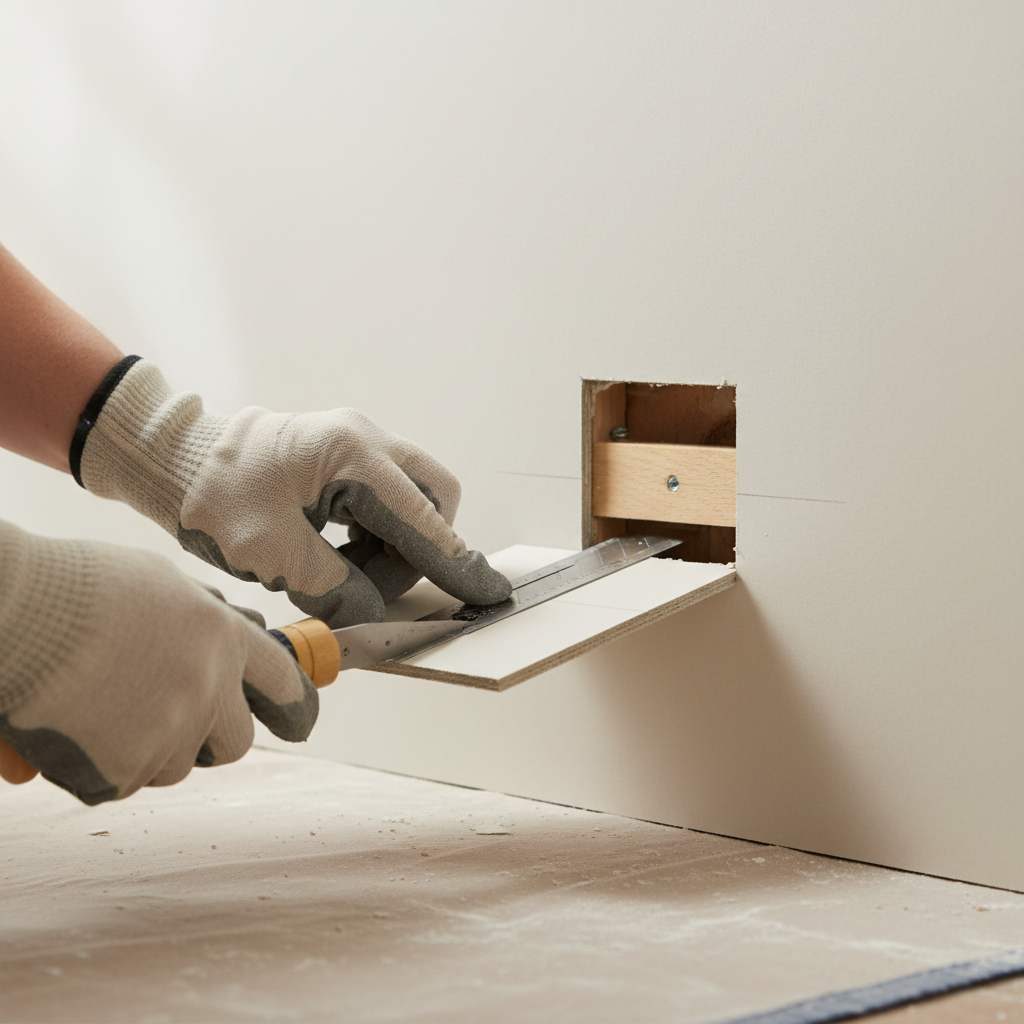
- Use a utility knife to trim any frayed paper or crumbling gypsum around the hole, making the edges relatively clean and square. Aim for a slightly larger, but neatly defined, opening. For a cleaner patch, you might square off a circular hole with your knife.
- Safety Note: Always cut away from your body and wear gloves to protect your hands.
-
Measure and Cut the Backing – Create the support structure.
- Take your chosen backing material (a 1x2 or a paint stir stick works well, or use the pre-made backing from a repair kit). Cut it a few inches longer than the width or height of your hole. You want it to span across the hole and extend at least 1-2 inches on either side.
- Pro Tip: If using a paint stir stick, roughen it slightly with sandpaper for better adhesion of the joint compound later.
-
Insert and Secure the Backing – Anchor your patch's future.
- Insert the backing material into the hole, positioning it behind the existing drywall. For a wood scrap, you might need to angle it to get it through.
- Once behind the drywall, center it so it bridges the hole. Secure it by driving two drywall screws through the existing drywall and into each end of the backing. The screw heads should be slightly recessed below the wall surface without breaking the paper.
- If this doesn't work: If the hole is too small to easily maneuver a wood piece, consider a self-adhesive patch kit with a built-in metal screen, though these are generally less robust for lasting repairs. For holes up to 4 inches though, a solid wood backing is strongly preferred.
-
Cut the Drywall Patch – Match the void exactly.
- Measure the exact dimensions of your now-squared-off hole. Cut a piece of new drywall to fit these dimensions precisely. A slight taper (chamfer) on the edges of the patch can help with compound adhesion, but isn't strictly necessary for small patches if cut cleanly.
- Tool Tip: A drywall saw is ideal for small cuts, but a utility knife can also work – score deeply on one side, snap, and cut the paper on the back.
-
Install the Patch – Fit it snugly.
- Insert your freshly cut drywall patch into the hole. It should fit snugly without being forced. If it's too tight, trim it slightly. If it's too loose, you might need to cut a new, larger patch.
- Secure the patch to your backing with two more drywall screws, again recessing the heads slightly.
-
Apply Joint Tape – Bridge the seams.
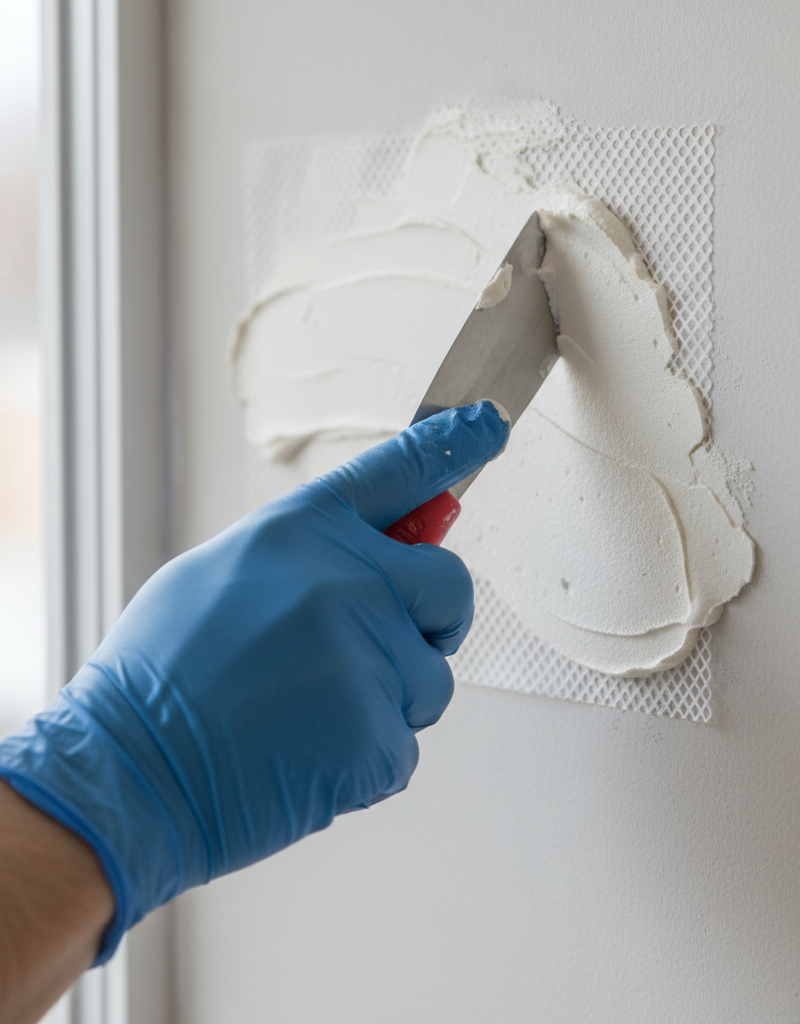
- Apply self-adhesive fiberglass mesh drywall tape or paper tape over all the seams where the new patch meets the existing drywall. Ensure the tape is centered over the seam.
- Paper Tape Tip: If using paper tape, apply a thin layer of joint compound first, press the tape into it, then lightly skim over the tape.
-
First Coat of Joint Compound – Fill and flatten.
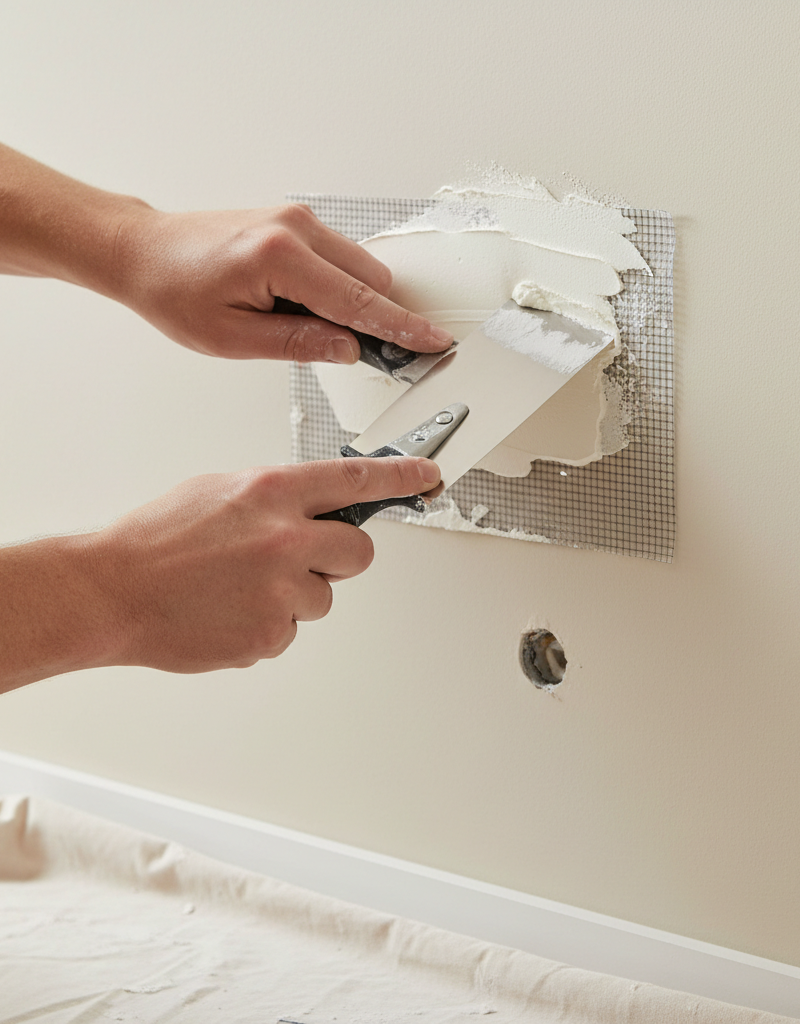
- Using a 6-inch drywall knife, apply a thin, even layer of all-purpose joint compound over the tape and screw heads. Feather the edges out about 2-3 inches beyond the patch. The goal is to fill the seams and cover the tape, not to build up a thick layer.
- Allow this coat to dry completely. This can take 4-12 hours depending on humidity; check the manufacturer's instructions.
-
Second Coat of Joint Compound – Smooth and widen.
- Once the first coat is dry, lightly sand any ridges or bumps with 120-grit sandpaper or a sanding sponge. Remove all dust with a damp cloth.
- Apply a second, slightly wider coat of joint compound, feathering it out another 2-3 inches beyond the first coat. This helps blend the repair into the wall even more. Keep it thin and smooth.
- Let it dry completely.
-
Final Coat and Sanding – Achieve invisibility.
- Lightly sand the second coat and wipe away dust. Inspect for any imperfections. Apply a very thin, wide finish coat if needed, using a 10-inch or wider knife for maximum feathering. This coat should be almost transparent in spots.
- Allow to dry fully, then lightly sand the entire patched area with 150 or 220-grit sandpaper until it is perfectly smooth and flush with the surrounding wall. Run your hand over it – you shouldn't feel any bumps or depressions.
-
Prime and Paint – The finishing touch.
- Clean off all sanding dust. Apply a quality primer-sealer to the patched area. Primer ensures the repaired section doesn't 'flash' (absorb paint differently than the surrounding wall) and provides a uniform base for your finish paint.
- Once the primer is dry, paint the area, feathering out the new paint to blend with the existing wall. You may need two coats of paint.
Common Causes
- Door Knob Impacts: One of the most frequent culprits is a doorknob repeatedly hitting the wall behind it, especially without a wall bumper.
- Anchor Pull-Outs: Heavy mirrors, shelves, or TVs pulling out of their anchors, usually because the anchors weren't rated for the weight or installed improperly.
- Moving Furniture: Accidental bumps and scrapes from moving large pieces of furniture through doorways or hallways.
- Kids and Pets: Energetic play, toys thrown, or pets scratching vigorously can lead to unexpected holes.
- Previous Poor Repairs: Old, improperly patched holes that fail and crumble over time, or holes from previous installations that were never fully addressed.
- Plumbing/Electrical Access: Small holes cut to access pipes or wires that were never adequately repaired after the work was done.
Common Mistakes
- Only Using Spackle/Joint Compound for Voids: Applying only spackle or joint compound directly into a hole larger than a quarter without any backing or patch material. This will inevitably sag, crack, and fail over time.
- Not Creating a Backing: Skipping the crucial step of adding a wood scrap, metal brace, or mesh backing. Without support, the patch has nothing to adhere to and will be weak.
- Applying Compound Too Thickly: Globbing on thick layers of joint compound in an attempt to fill the hole quickly. This leads to excessive drying time, shrinkage, cracking, and a very difficult sanding job.
- Insufficient Drying Time Between Coats: Rushing the drying process between coats of joint compound. Applying a new coat over wet compound will lead to bubbling, cracking, and poor adhesion.
- Poor Sanding & Feathering: Not sanding enough, leaving noticeable ridges or bumps, or not feathering the compound out wide enough, resulting in a visible 'picture frame' effect around the patch.
- Skipping Primer: Painting directly over joint compound without priming. The compound's porosity differs from the drywall paper, causing the paint to absorb unevenly and create a dull or 'flashed' spot.
Cost & Time Breakdown
| Task | DIY Cost | Pro Cost | Time |
|---|---|---|---|
| Materials | $10–$25 | Included | N/A |
| Patch prep & backing | $0 | Included | 15–30 min |
| Patch & first compound | $0 | Included | 20–40 min |
| Subsequent compound/sand | $0 | Included | 30 min–1 hr |
| Primer & Paint | $0 | Included | 30 min–1 hr |
| TOTAL | $10–$25 | $100–$250 | 1.5–3 hrs |
Note: Professional costs can vary regionally and depend on the need for color matching or if multiple repairs are required.
Tips & Prevention
- Install Door Stops: Prevent future doorknob holes by installing wall-mounted or hinge-pin door stops where needed. They're inexpensive and highly effective.
- Use Proper Anchors: When hanging anything on drywall (shelves, TVs, heavy pictures), always use drywall anchors rated for the weight of the item. Toggle bolts or self-drilling anchors are good choices for heavier loads.
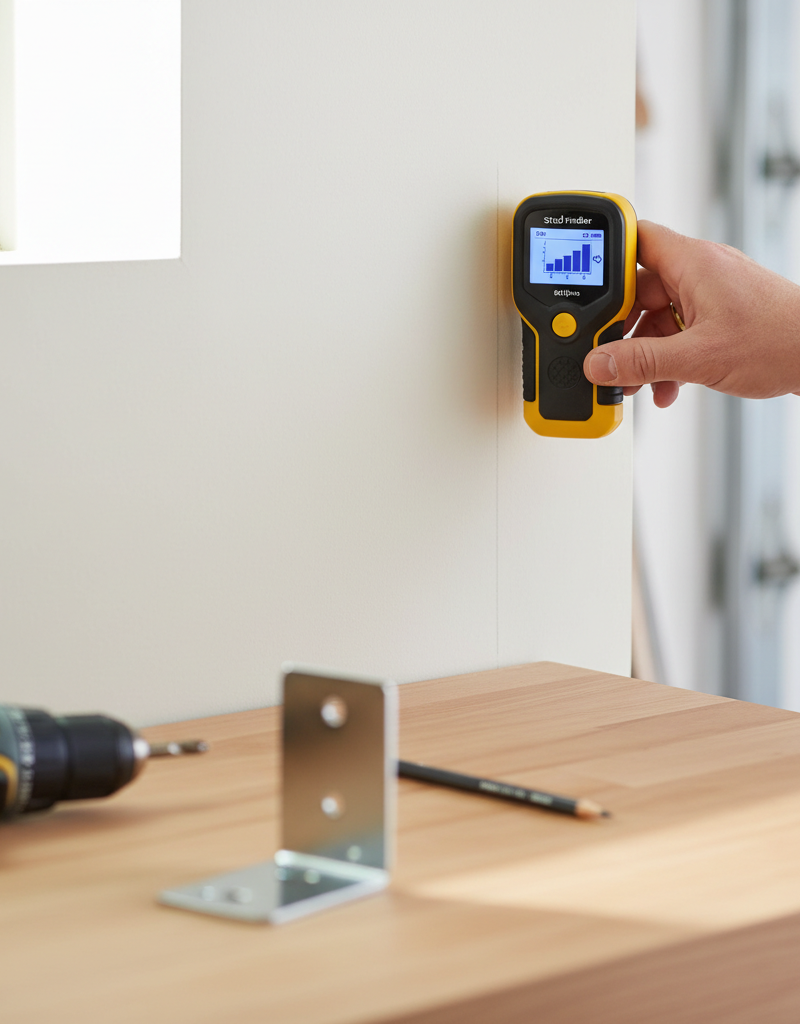
- Locate Studs: For the heaviest items, always try to anchor into a wall stud using a stud finder. This provides the strongest possible support.
- Be Mindful When Moving Furniture: Plan paths for large furniture and use furniture sliders to reduce the risk of scrapes and impacts. Recruit help if needed.
- Check for Old Repairs: When moving into a new home, or as part of routine maintenance, inspect walls for existing poor repairs. Addressing them proactively can prevent larger issues later.
- Keep Spare Drywall & Paint: If you have extra scraps of drywall from a renovation, keep them for small patches. Always save leftover paint (properly sealed) or note the paint type and color codes for touch-ups.
When to Call a Professional
While patching small holes is a manageable DIY project, there are times when calling a professional makes sense. If the hole is larger than about 6 inches in diameter, or if there's significant water damage, mold, or structural cracking surrounding the hole, a professional drywall contractor can assess the underlying issue and ensure a safe, lasting repair. Additionally, if you have multiple holes in a complex area, or if you simply don't have the time or tools to achieve a perfectly seamless finish, hiring a pro will guarantee a high-quality result that blends flawlessly with your existing walls. They have the expertise to match textures and finishes, which can be challenging for an inexperienced DIYer.
Frequently asked questions
Can I just use spackle for a small hole?+
For holes larger than a quarter, just using spackle will almost certainly lead to a weak, visible, and eventually failing patch. Spackle lacks the structural integrity needed for voids. You need a solid backing and a drywall patch for durability.
How long does drywall patch take to dry?+
Each coat of joint compound needs to dry completely, which can take 4-12 hours depending on the compound type, thickness, and environmental humidity. Rushing this step is a common mistake that leads to cracking and bubbling. Plan for at least 24 hours total, including multiple coats and final sanding.
What if my patch isn't smooth after sanding?+
If you feel bumps or ridges, you didn't sand enough or feather the compound wide enough. Apply another very thin, wide coat of joint compound, letting it dry, then sand again with progressively finer sandpaper (150-220 grit). Use a bright light held at an angle to reveal imperfections, and always wipe away dust for a clear view.
Do I need to prime after patching drywall?+
Yes, always prime the patched area. Joint compound absorbs paint differently than the surrounding drywall paper, leading to 'flashing' – a dull, uneven finish. Primer creates a uniform surface for the new paint, ensuring a seamless blend.
How do I prevent future drywall holes?+
Install door stops to prevent doorknob impacts, use appropriate drywall anchors for hanging items, always try to anchor heavy items into studs, and be careful when moving furniture. Regular inspection and proactive measures can save you from future repairs.
Discussion
Loading comments…