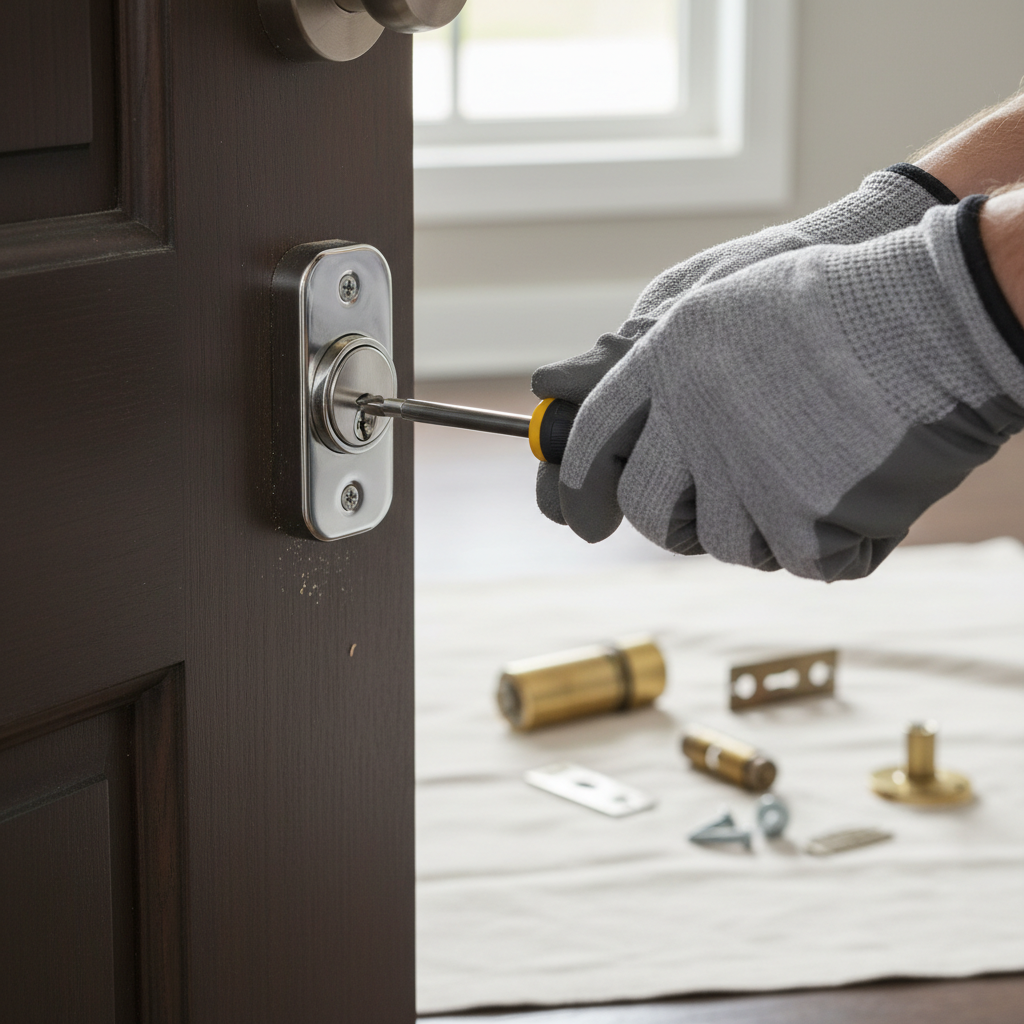
Tools & materials you'll need
Affiliate linksAs an Amazon Associate FixlyGuide earns from qualifying purchases — at no extra cost to you. Prices and availability are accurate as of publication and subject to change.
Quick Answer
Replacing a deadbolt lock is a straightforward DIY project that enhances your home's security and can be completed in about 15-30 minutes with basic tools like a screwdriver. The process involves removing the old lock's interior and exterior escutcheons, the thumb turn, and the latch mechanism, then installing the new components in reverse order. Ensure the new deadbolt cylinder aligns correctly with the strike plate for smooth operation.
The Problem
An old, worn-out, or poorly installed deadbolt is more than just an inconvenience; it's a significant security vulnerability. Over time, the internal mechanisms of a deadbolt can degrade, springs can weaken, and screws can loosen, making the lock susceptible to bumping, picking, or forced entry. Furthermore, older deadbolts often lack modern security features like anti-pick pins, drill-resistant plates, or solid brass cylinders, which are standard in newer, higher-quality locks. Perhaps your current deadbolt frequently sticks, is difficult to turn, or the key no longer operates smoothly. These are all signs of a deadbolt that needs immediate attention. Leaving a compromised deadbolt in place means leaving your home, valuables, and family at unnecessary risk. A new, quality deadbolt provides peace of mind, improved functionality, and a crucial layer of protection against intruders.
How It Works
A deadbolt lock operates through a simple yet effective mechanism. It consists of several key components: the cylinder, the bolt, the thumb turn (or keyway on the exterior), and the housing. When you insert a key and turn it, or rotate the interior thumb turn, a series of pins inside the cylinder align. This alignment allows the cylinder to rotate, which in turn engages a cam. The cam then retracts or extends the solid metal bolt into or out of the strike plate installed on the door frame.
The bolt itself is typically a solid piece of steel or brass, designed to withstand significant force. Unlike spring-latch locks (like those found on doorknobs), a deadbolt's bolt is not spring-loaded, meaning it cannot be pushed back into the door with a credit card or similar tool. This "dead" action is what gives it superior security. The exterior escutcheon and interior thumb turn housing enclose the internal mechanism, holding everything together and providing a clean finish. Properly installed, the deadbolt's bolt should extend at least one inch into the door frame's strike plate, anchoring the door securely. The screws that hold the deadbolt in place pass through the door and thread into the opposite side of the lock, often through a reinforcing plate or post, creating a robust connection that resists prying.
Step-by-Step Fix
Safety First — This is generally a low-risk DIY project, but it's always good practice to wear work gloves to protect your hands from potential splinters or sharp edges. If you have a metal door, be mindful of any sharp edges around the pre-drilled holes.
1. Gather Your Tools and New Lock – Lay out your screwdriver, tape measure, and the components of your new deadbolt.
- Ensure you have both Phillips and flathead screwdrivers available, as different deadbolt models may use different screw types.
- Confirm the backset of your new deadbolt matches your old one (typically 2-3/8 inches or 2-3/4 inches). This is the distance from the edge of the door to the center of the bore hole.
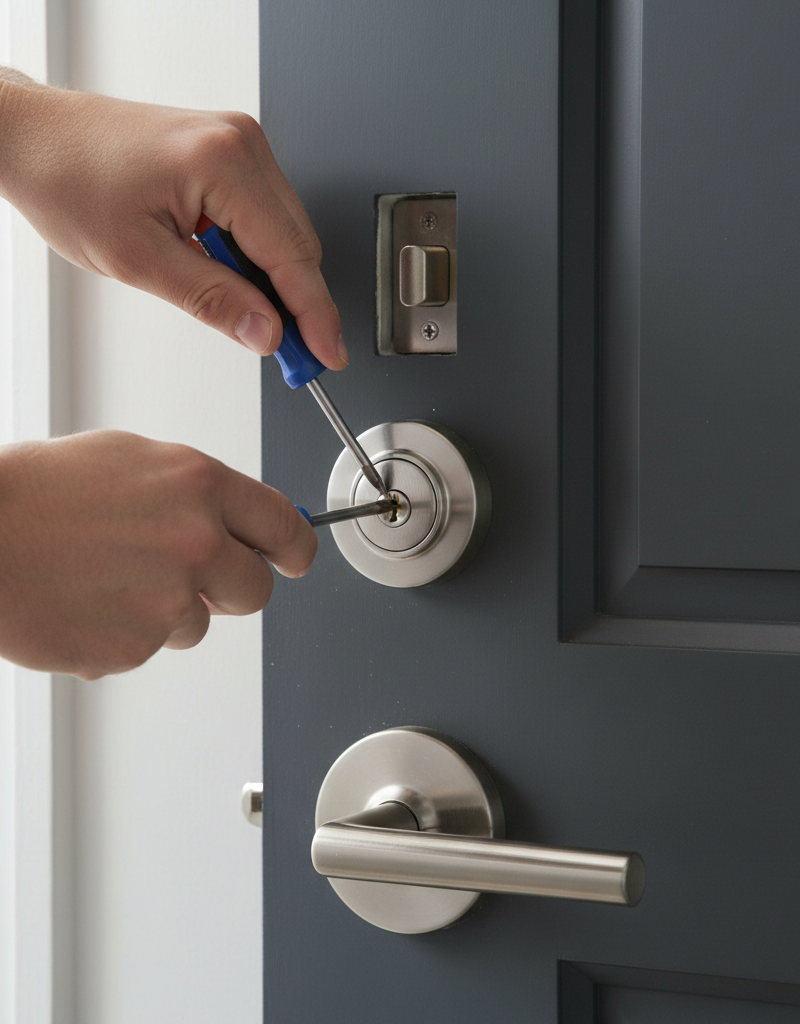
2. Remove the Interior Thumb Turn Screws – On the inside of the door, locate the two screws that hold the interior thumb turn housing to the door.
- Use your Phillips head screwdriver to loosen and remove these screws. Keep them in a small container to avoid losing them.
- As you remove the screws, hold the exterior portion of the deadbolt to prevent it from falling to the ground and potentially getting damaged.
3. Take Off the Interior and Exterior Housings – Once the screws are out, gently pull the interior thumb turn housing away from the door.
- The exterior key cylinder should also come loose. Carefully pull it through the door from the outside.
- If either piece is stuck, a gentle pry with a flathead screwdriver around the edges can help, but avoid marring the door's finish.
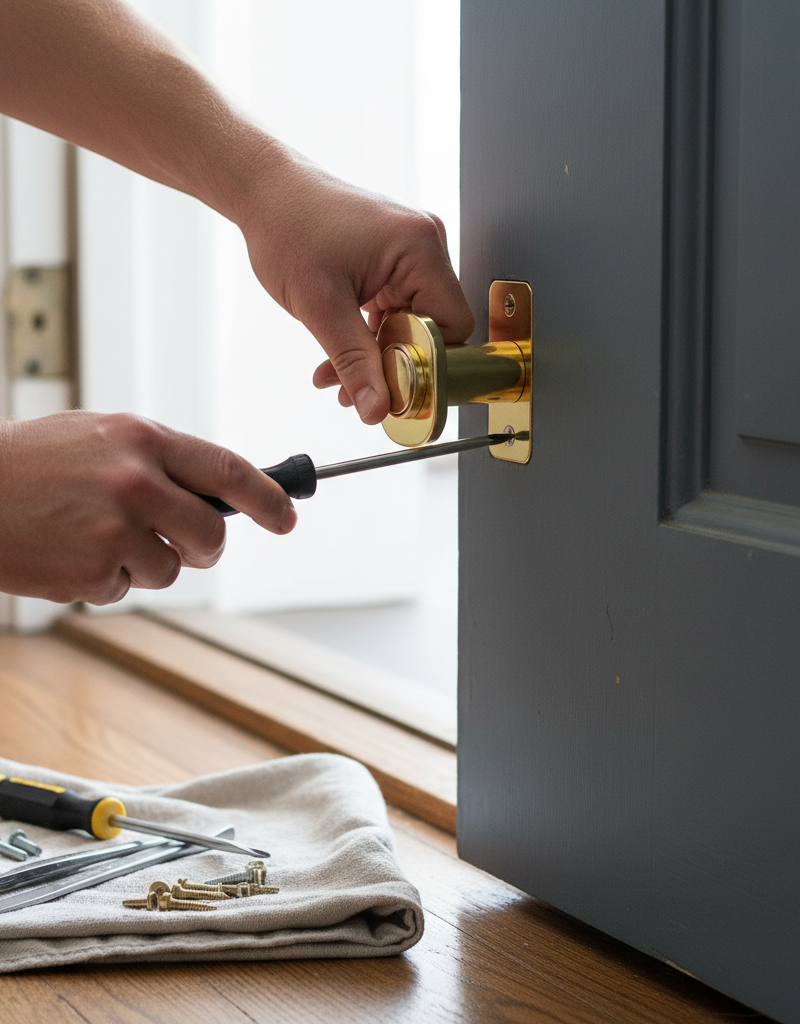
4. Remove the Deadbolt Latch Mechanism – With the main housings removed, the bolt mechanism itself should now be accessible on the edge of the door.
- There are usually two smaller screws holding the faceplate of the latch mechanism to the door edge.
- Remove these screws and slide the entire latch assembly out of the door bore hole.
- Troubleshooting: If the latch is stuck, wiggle it gently. Sometimes paint or a tight fit can make it resistant to removal.
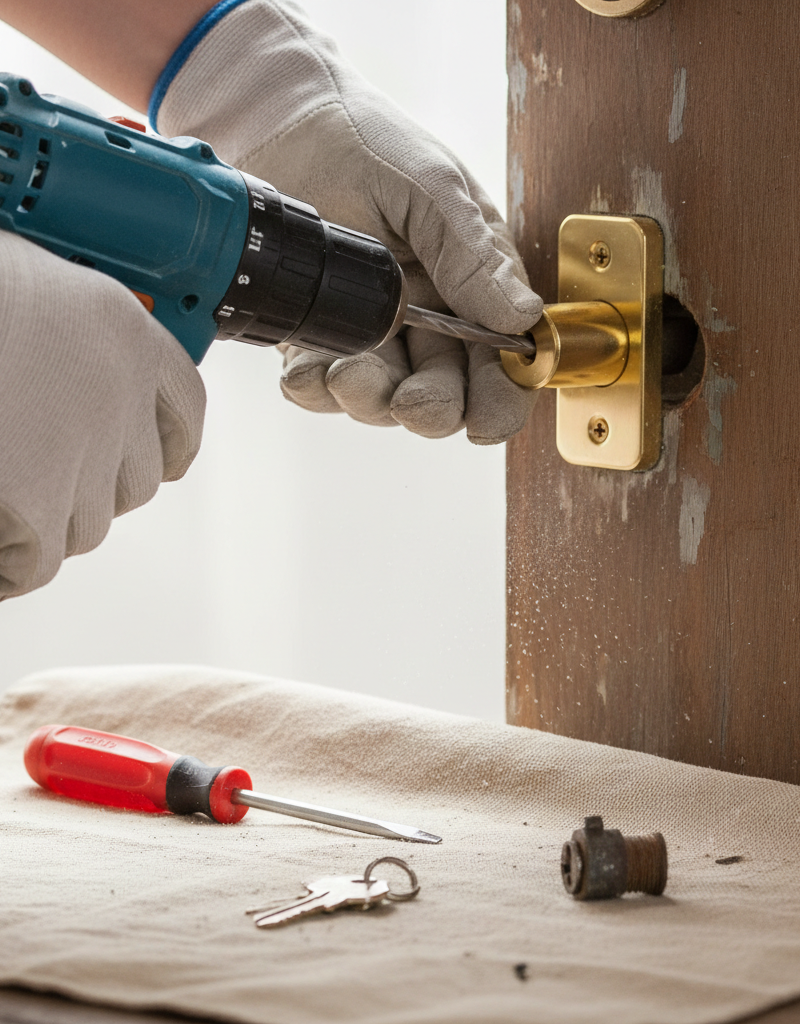
5. Clean the Bore Hole and Door Edge – Now that the old hardware is out, take a moment to clean any debris, dust, or old paint from the bore hole and the edge of the door.
- A utility knife can carefully scrape away excess paint in the bore hole, ensuring a flush fit for the new lock.
- Use a damp cloth to wipe away any dirt, ensuring a clean installation surface.
6. Install the New Deadbolt Latch – Slide the new deadbolt latch mechanism into the bore hole on the edge of the door, ensuring the faceplate is flush with the door edge.
- Make sure the angled side of the bolt faces the direction the door closes.
- Secure the latch faceplate with the two small screws provided with the new deadbolt.
- Important: Test the bolt by pushing it in and out with your finger to ensure it moves smoothly before proceeding.
7. Install the New Exterior Key Cylinder – From the outside of the door, slide the new key cylinder into the large bore hole.
- Ensure the tailpiece (the small metal bar extending from the back of the cylinder) aligns correctly with the slot in the latch mechanism.
- Hold the exterior cylinder in place while you move to the inside of the door.
8. Attach the New Interior Thumb Turn Assembly – On the inside of the door, align the interior thumb turn assembly with the tailpiece from the exterior cylinder and the mounting posts.
- The tailpiece needs to slide into a slot in the thumb turn mechanism.
- Carefully position the interior housing so that the two long mounting screws can pass through it and thread into the exterior cylinder's posts.
- Pro Tip: Wiggling the exterior cylinder slightly while pushing the interior assembly can help the tailpiece align correctly.
9. Tighten the Mounting Screws – Insert the two long mounting screws into the interior thumb turn assembly and begin to tighten them by hand.
- Once they catch, use your Phillips head screwdriver to fully tighten them.
- Crucial: Tighten evenly, alternating between screws, until snug. Do not over-tighten, as this can warp the lock or damage the door.
10. Test the New Deadbolt – With the deadbolt fully installed, perform several tests.
- With the door open: Use the thumb turn to extend and retract the bolt multiple times. It should operate smoothly and without binding.
- With the door closed: Carefully close the door and test the deadbolt with both the thumb turn and the key (from the outside). The bolt should slide easily into the strike plate without resistance.
- If it sticks: The strike plate on the door frame might need adjustment. Loosen its screws slightly, adjust the plate, and re-tighten. If the opening is too small, you may need to carefully enlarge it with a chisel or file.
Common Causes
- Worn Internal Components: Over years of use, the springs, pins, and cams within a deadbolt can wear down or become misaligned, leading to stiffness or failure. Dirt and grime can also accumulate, hindering smooth operation.
- Poor Installation: An improperly installed deadbolt, where the bore holes are not perfectly aligned or the screws are over/under-tightened, can cause constant friction and premature wear.
- Door and Frame Shifting: Homes settle over time, and doors can warp with changes in humidity and temperature. This shifting can cause the deadbolt strike plate on the door frame to become misaligned with the bolt, making the lock difficult to engage or disengage.
- Low-Quality Hardware: Cheaper deadbolts often use inferior materials and less robust designs, making them more prone to failure and less resistant to forced entry.
- Forced Entry Attempts: Previous attempts at forced entry, even unsuccessful ones, can damage the internal mechanisms or deform the latch and strike plate, weakening the lock.
Common Mistakes
- Not Measuring Backset Correctly: A common mistake is not verifying the backset (distance from door edge to bore hole center) of the old deadbolt and buying a new one that doesn't match. This leads to an incompatible lock and wasted time.
- Over-Tightening Mounting Screws: While you want a snug fit, over-tightening the main mounting screws can compress the lock mechanism, causing it to bind and operate stiffly or even fail prematurely. Tighten until snug, then stop.
- Ignoring Strike Plate Alignment: Many DIYers focus only on the lock itself. If the bolt doesn’t smoothly enter the strike plate on the door frame, the problem will persist. Always check and adjust the strike plate as needed.
- Forgetting to Orient the Latch Correctly: The angled side of the deadbolt latch should always face the direction the door closes. Installing it backward will prevent the door from closing properly or the bolt from extending fully.
- Not Testing Thoroughly: Installing the lock and only testing it once (or not at all) before putting tools away is a recipe for frustration. Test with the door open and closed, using both the key and the thumb turn, multiple times.
- Using the Wrong Screwdriver Bit: Using a stripped or ill-fitting screwdriver bit can strip the screw heads, making removal or tightening incredibly difficult, and potentially damaging the lock's finish.
Cost & Time Breakdown
| Task | DIY cost | Pro cost | Time |
|---|---|---|---|
| New Grade 2 Deadbolt (parts) | $25–$50 | $25–$50 | N/A |
| New Grade 1 Deadbolt (parts) | $50–$150 | $50–$150 | N/A |
| Labor (Pro installation) | $0 | $75–$150 | 15–30 min |
| Tools (if purchased for DIY) | $10–$20 | N/A | N/A |
| Total Estimated Cost | $25–$170 | $150–$300+ | 15–30 min |
Tips & Prevention
- Choose a Quality Lock: Invest in a Grade 1 or Grade 2 ANSI/BHMA certified deadbolt for maximum security. These locks are tested for greater resistance against forced entry.
- Regular Lubrication: Apply a graphite-based lubricant (never oil-based) into the keyway and around the bolt mechanism once a year to keep components moving smoothly and prevent wear.
- Check Screws Periodically: Once every six months, lightly check and tighten the mounting screws on your deadbolt. Loose screws can lead to wobbling and misalignment.
- Inspect Strike Plate: Ensure the strike plate on the door frame is securely fastened. If it's loose, tighten its screws. If the door has shifted, the strike plate might need slight adjustment or even relocating for proper bolt engagement.
- Consider Rekeying vs. Replacing: If your deadbolt is functioning well but you need new keys (e.g., after moving in), consider having it rekeyed by a locksmith. However, if the lock is old or malfunctioning, full replacement is a better security upgrade.
When to Call a Professional
While replacing a deadbolt is a common DIY task, certain situations warrant calling a licensed locksmith or professional handyman. If your door has a metal frame or is a solid steel door, unique tools or expertise might be required to ensure proper installation and security, as modifications can be more challenging. Additionally, if the existing bore holes in your door are severely damaged, misaligned beyond simple adjustment, or if you're attempting to install a deadbolt in a door that has never had one (requiring new drilling), a professional can ensure the job is done correctly. If you encounter significant resistance when removing the old hardware, suspect underlying damage to the door itself, or feel uncomfortable at any point during the process, it's always best to stop and seek expert help rather than risk damaging your door or compromising your home's security. A professional can quickly assess the situation, recommend the best solution, and ensure your new deadbolt provides optimal protection.
Related Articles
Keep troubleshooting with these hand-picked guides from FixlyGuide:
- The 15-Minute Deadbolt Swap: Why Your Old Lock Is a Security Risk (And the Cheap Fix) — Upgrade your home security in minutes by learning how to replace a deadbolt lock yourself with this easy-to-follow guide.
- The 5-Minute Secret to a Smooth-Turning Door Lock (Stop Jiggling That Key!) — Restore your sticky door lock to butter-smooth operation with this simple, five-minute lubricant trick, saving you frustration and potentia…
- The #1 Reason Your Doorbell Suddenly Dies (and the 10-Minute Fix) — A non-functioning doorbell is often caused by a tripped transformer, a simple issue homeowners can usually resolve in minutes.
- The 4 Hidden Reasons Your Doorbell Dies (And the 20-Minute Fix) — A non-working doorbell is often caused by simple, hidden issues like a tripped transformer or a corroded button, which homeowners can fix i…
- The 3 Hidden Reasons Your Door Won't Latch (And the Easy Fixes) — Discover the surprising reasons your interior door isn't latching and how to quickly diagnose and fix the issue with simple tools.
- The $5 Secret to Silencing That Annoying Dripping Faucet (Single-Handle Fix) — Stop a dripping single-handle faucet with a simple and inexpensive DIY fix by replacing a worn-out o-ring or washer.
Frequently asked questions
How long does it take to replace a deadbolt?+
Replacing a deadbolt typically takes most homeowners about 15 to 30 minutes, assuming you have the correct tools and the new lock is compatible with your existing door preparation.
Do all deadbolts fit all doors?+
No, not all deadbolts fit all doors. While many modern deadbolts are designed to fit standard door preparations (with 2-1/8 inch bore holes), the 'backset' (distance from the door edge to the center of the bore hole) can vary, usually 2-3/8 inches or 2-3/4 inches. Always measure your existing backset before purchasing a new deadbolt.
Can I replace a deadbolt without replacing the doorknob?+
Yes, absolutely. A deadbolt and a doorknob are separate locking mechanisms. You can replace just the deadbolt while keeping your existing doorknob, as long as the new deadbolt fits the existing bore holes and backset.
What's the difference between a Grade 1, 2, and 3 deadbolt?+
Deadbolts are rated by the American National Standards Institute (ANSI) and Builders Hardware Manufacturers Association (BHMA) for security and durability. Grade 1 is the highest security rating for residential use, offering superior resistance to forced entry. Grade 2 is excellent for residential use, providing strong security. Grade 3 is the lowest grade, suitable for minimal security needs or interior doors, and generally not recommended for exterior primary entry points.
Do I need special tools to replace a deadbolt?+
No, you typically only need basic household tools to replace a deadbolt. A Phillips head screwdriver is almost always required, and sometimes a flathead screwdriver can be helpful for prying or minor adjustments. A tape measure is useful for checking the backset.
Discussion
Loading comments…