Tools & materials you'll need
Affiliate linksAs an Amazon Associate FixlyGuide earns from qualifying purchases — at no extra cost to you. Prices and availability are accurate as of publication and subject to change.
Quick Answer
Many homeowners treat visible soffit and fascia damage as a mere cosmetic issue, leading them to apply quick fixes like fresh paint or spot patching. This is often a critical mistake. Visible signs like peeling paint, soft or discolored wood, or sagging sections are usually symptoms of an underlying problem, most commonly water damage from a compromised roof or gutter system, or an active pest infestation. A proper repair goes beyond the surface, demanding a full inspection to identify and rectify the root cause, preventing more extensive and costly structural issues down the line.
The Problem
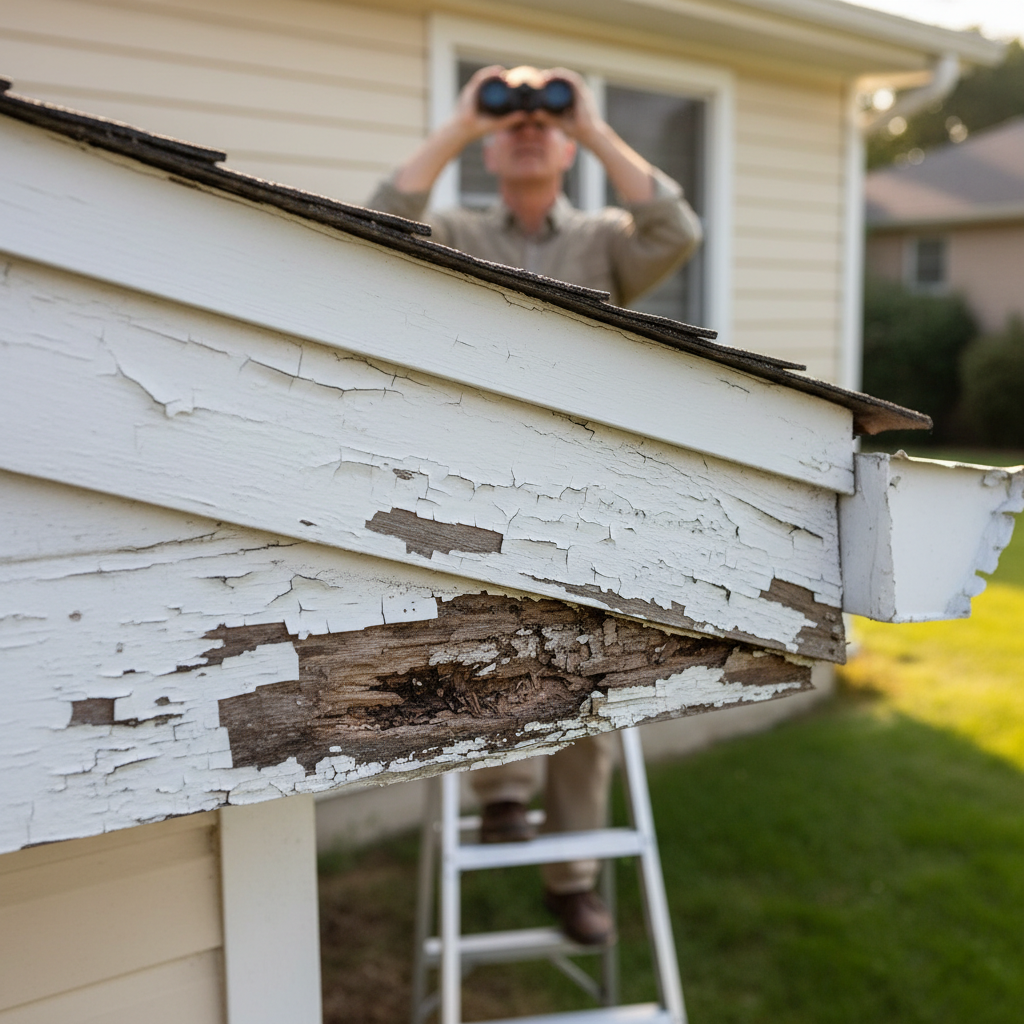
Your home's soffit and fascia are more than just decorative trim; they're integral components of your roof and attic ventilation system. The fascia is the board mounted at the end of your rafters, directly supporting your gutters. The soffit is installed underneath the fascia, covering the eaves and protecting your attic from weather and pests while often providing crucial ventilation. When these components sustain damage, typically from water, insects, or rot, they compromise your home's protection. Common signs include peeling paint, staining, wood rot (soft, crumbling sections), sagging, or visible gaps. Ignoring these early warning signs and only fixing the surface issue is a common and costly mistake, as it allows the underlying problem—whether it's a leaky gutter, a compromised roof edge, or an active carpenter ant colony—to persist and worsen, potentially leading to widespread wood rot in your roof structure, attic mold, and even foundation issues if water isn't directed away from your home correctly.
How It Works
To understand why soffit and fascia demand your attention, visualize how your roof, gutters, and these trim pieces work in concert. When rain hits your roof, it's designed to flow down the shingles into your gutters. The fascia board provides the sturdy mounting point for these gutters. If a gutter is clogged, damaged, or improperly sloped, water can overflow or back up, constantly soaking the fascia board. Over time, this constant dampness penetrates the wood, leading to rot, swelling, and eventual failure. This also creates a pathway for water to seep behind the fascia, reaching the soffit and potentially wicking into your roof rafters or attic.
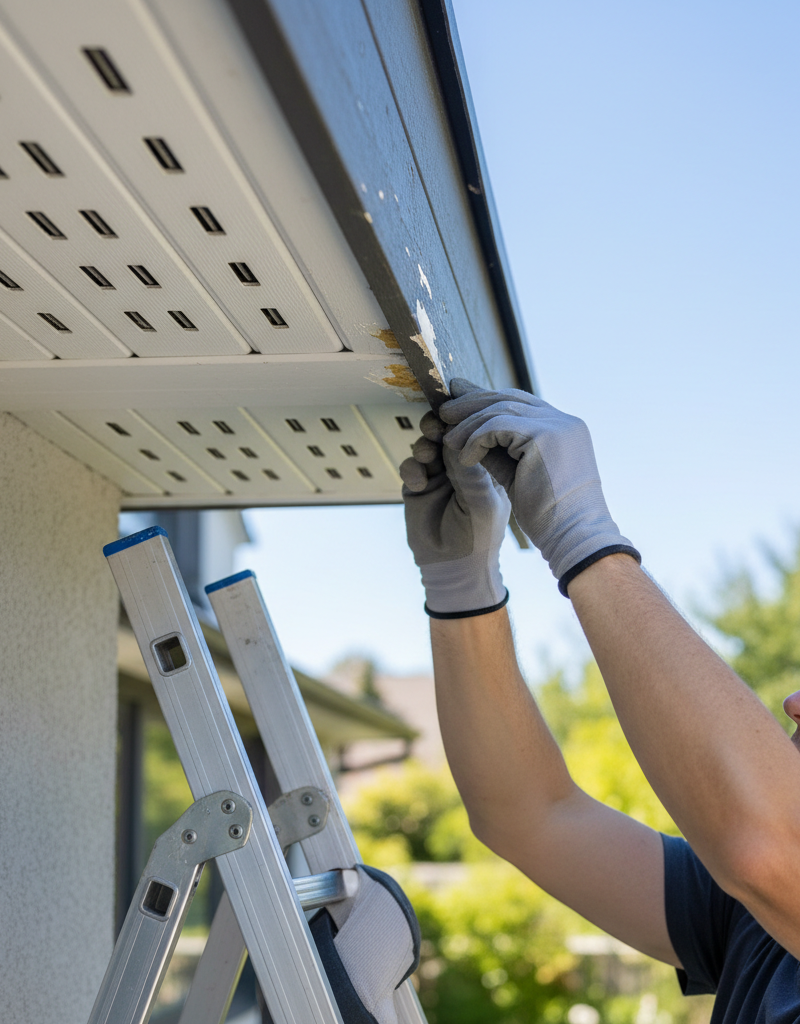
The soffit, in turn, seals off the underside of your roof eaves. Many soffits are vented, featuring small perforations or discrete vents that allow outside air to enter the attic. This continuous airflow is critical for attic health: it helps regulate temperature, preventing heat buildup in summer (which can prematurely age your roof shingles) and reducing condensation in winter (which can lead to mold and rot in the attic structure). When soffit panels are damaged—whether from moisture, impact, or pests—these openings become compromised. Gaps allow moisture, insects, birds, and even small animals direct access to your attic, where they can cause further damage, make nests, and interfere with insulation. Critically, if the soffit is compromised, it often signals that the underlying wood of the eaves and rafters, which the soffit protects, might also be suffering from moisture damage or pest infestation, making a superficial repair ineffective and short-sighted.
Step-by-Step Fix
1. Safety First, Inspect Thoroughly — Before you touch anything, assess the full scope of the damage from a safe vantage point. Use binoculars if necessary. Look for discolored areas, peeling paint, missing sections, and most importantly, the source of the apparent damage. Is it concentrated under a clogged gutter? Near a leaking roof valley? Are there visible insect nests or trails?
- Safety Note: Always use a sturdy, properly-footed ladder. Have a spotter if working at significant heights. Never overreach. Wear gloves and eye protection.
2. Prepare the Work Area — Clear any obstacles from below the damaged area. Lay down a tarp or drop cloth to catch debris and protect landscaping.
3. Identify the Root Cause — This is the most critical step. If you only patch the visible damage without addressing its origin, the problem will return.
- Water Damage: Check gutters for clogs, cracks, or improper slope. Inspect roof shingles above the damage for missing pieces, cracks, or signs of water pooling. Check flashing around chimneys or skylights if damage is localized there. Correct any gutter or roof issues immediately (e.g., clean gutters, repair small shingle cracks with roofing cement, replace sections of damaged downspout).
- Pest Infestation: Look for sawdust-like frass (carpenter ants), small boreholes (woodworm), or active insect trails. If you suspect pests, you may need a professional pest control service before proceeding with repairs.
4. Remove Damaged Sections — Carefully remove all compromised soffit and fascia material. Use a utility knife or oscillating tool for soffit and a pry bar or saw for fascia. Cut back to solid, healthy wood.
- If this doesn't work: If the damage extends deep into the rafters or sheathing, or if the wood is extensively rotted, pause and reassess. This might indicate structural damage beyond a simple DIY fix and require a professional to ensure the integrity of your roof structure.
5. Treat and Prepare Underlying Wood — If the underlying wood (eaves, rafters) shows signs of moisture or minor rot, let it dry thoroughly. Apply a wood hardener (liquid epoxy-based product) to solidify softened wood, following product instructions. If mold is present, treat it with a bleach and water solution (1 part bleach to 10 parts water) or a commercial mold killer, wearing appropriate PPE.
6. Cut and Fit New Material — Measure the removed sections precisely. Cut new soffit panels (vinyl, aluminum, or wood composite) and fascia boards (wood, PVC, or fiber cement) to fit. Ensure proper ventilation if replacing vented soffit.
- Pro Tip: For wood fascia, pre-prime all sides of the board before installation for enhanced weather resistance.
7. Install New Fascia — Attach the new fascia board directly to the ends of the rafters. Use exterior-grade nails or screws, preferably stainless steel or galvanized, to prevent rust. Ensure the top edge of the fascia is flush with the roofline.
8. Install New Soffit — For vinyl or aluminum soffit, install J-channels along the wall and the underside of the fascia. Slide the cut soffit panels into place, securing them with galvanized nails or screws. For wood soffit, nail or screw directly into the sub-fascia and ledger board.
9. Caulk and Finish — Apply exterior-grade, paintable caulk to any seams or gaps between the new material and existing surfaces to create a weather-tight seal. Once dry, prime and paint the new fascia (and wood soffit) to match your home's exterior.
10. Reinstall Gutters (if applicable) — If you removed gutters, reinstall them, ensuring they are clean, properly sloped (1/4 inch per 10 feet toward the downspout), and securely attached to the new fascia.
Common Causes
- Clogged or Damaged Gutters: The most frequent culprit. When gutters overflow or leak, water continuously saturates the fascia and soffit.
- Compromised Roof Shingles: Missing, cracked, or improperly installed shingles at the roof edge can allow water to seep directly onto the fascia and soffit.
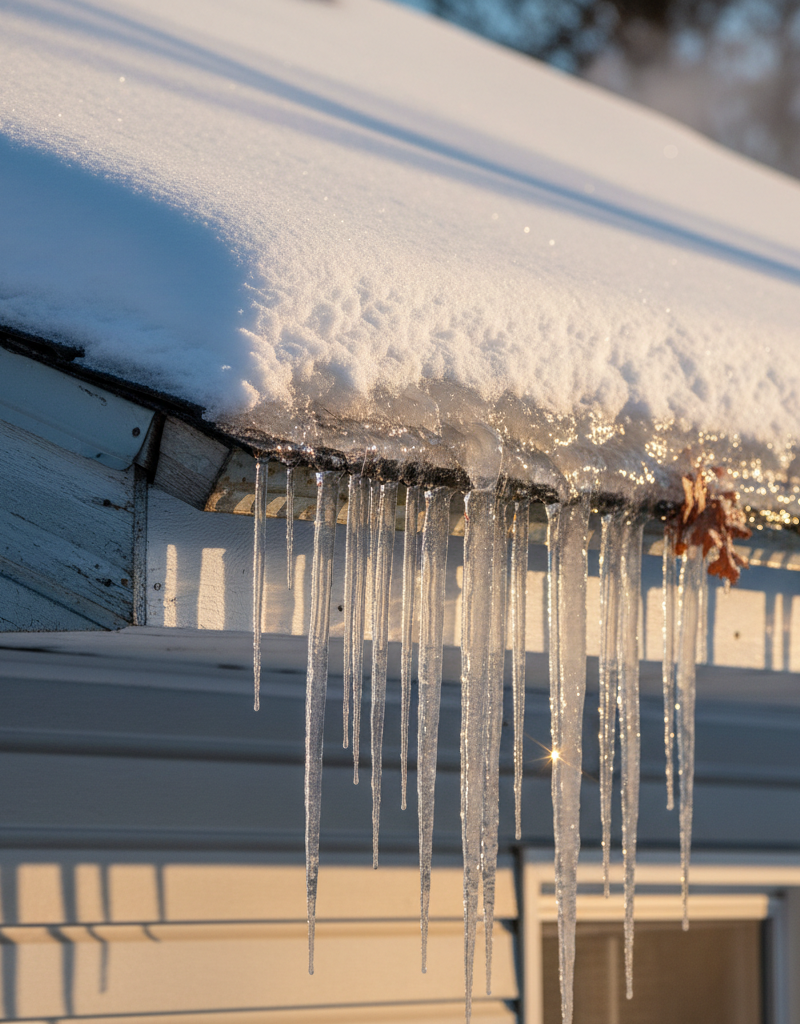
- Ice Dams: In cold climates, ice dams can form along the roof edge, preventing proper drainage and forcing meltwater under shingles and fascia.
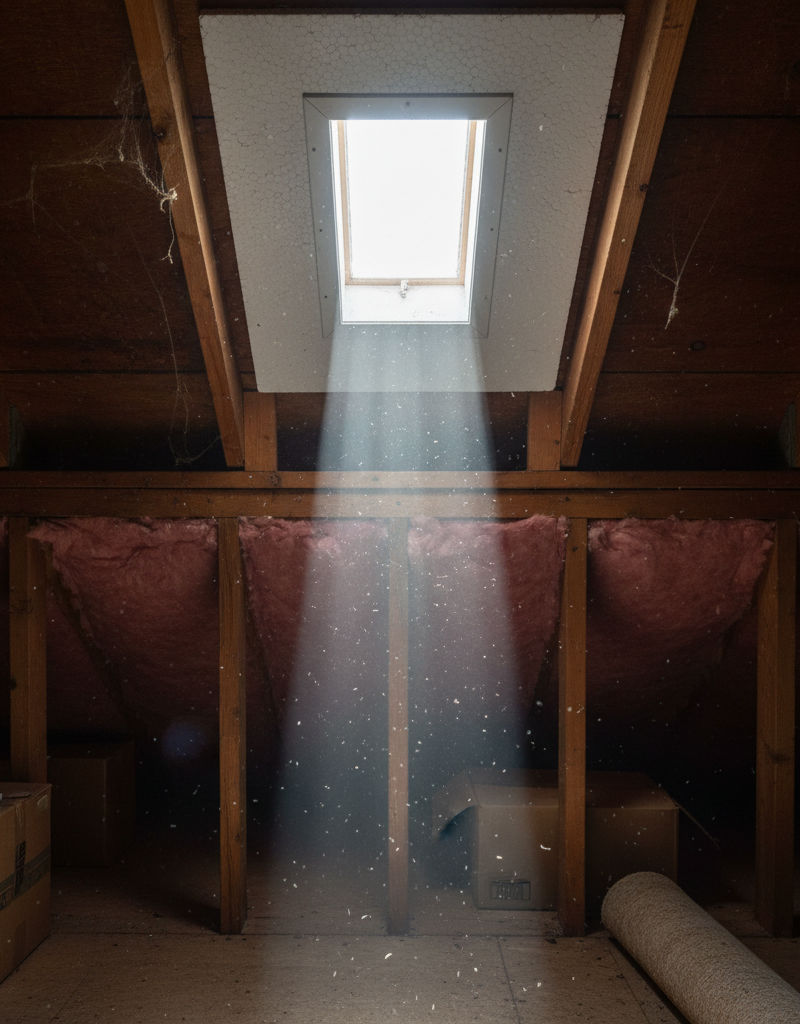
- Poor Attic Ventilation: Inadequate ventilation leads to heat and moisture buildup in the attic, which can condense on the underside of the roof deck and soffit, promoting rot.
- Pest Infestation: Carpenter ants, termites, mice, squirrels, and birds can tunnel into or nest in soffit and fascia, compromising their structural integrity and creating openings for water.
- Missing or Damaged Flashing: Flashing around roof penetrations (chimneys, skylights, dormers) can fail, directing water to the eaves.
- Impact Damage: Storms, falling branches, or direct physical impact can crack or break sections of soffit and fascia.
Common Mistakes
- Ignoring the Root Cause: Patching rotten wood or peeling paint without fixing the underlying water issue (e.g., clogged gutters) guarantees the problem will recur.
- Not Cutting Back to Healthy Wood: Leaving any damaged, softened, or rotted wood behind will allow the decay to continue, even if covered with new material.
- Improper Material Matching: Using incompatible materials or failing to account for proper ventilation in soffit replacement can lead to future issues.
- Inadequate Fasteners: Using interior-grade nails or screws, or insufficient fasteners, will result in premature failure due to weather exposure and structural stress.
- Skipping Primer on Wood: For new wood fascia, skipping the priming step (especially priming all six sides) leaves the wood vulnerable to moisture absorption, leading to peeling paint and rot.
- Poor Caulking/Sealing: Failing to properly caulk seams and gaps allows water to penetrate behind the new materials, negating the repair.
- Improper Gutter Reinstallation: Reinstalling gutters without ensuring proper slope and secure attachment means the water management problem wasn't truly solved.
Cost & Time Breakdown
| Task | DIY Cost | Pro Cost | Time |
|---|---|---|---|
| Inspection & Diagnosis | $0 | $75–$200 | 30 min – 1 hour |
| Gutter Cleaning/Minor Repair | $0–$30 | $100–$250 | 1–2 hours |
| Material Removal | $0 (labor) | Included in repair | 30 min – 1 hour |
| Wood Hardener/Mold Treatment | $15–$40 | Included in repair | 30 min |
| New Soffit (per 10 ft) | $20–$50 | $100–$200 | 1–2 hours |
| New Fascia (per 10 ft) | $25–$60 | $100–$250 | 1–2 hours |
| Painting/Finishing | $10–$30 | Included in repair | 1–2 hours |
| Total (Small Section) | $70–$210 | $500–$1,000+ | Half to Full Day |
Tips & Prevention
- Regular Gutter Maintenance: Clean gutters at least twice a year (spring and fall) to prevent clogs and ensure proper drainage. Consider gutter guards for continuous protection.
- Annual Roof Inspection: Visually inspect your roof annually for missing or damaged shingles, especially along the eaves. Check for signs of pooling water or deteriorating flashing.
- Address Leaks Promptly: Even small roof or gutter leaks can quickly escalate into major soffit and fascia damage. Fix them as soon as they're discovered.
- Improve Attic Ventilation: Ensure your attic has adequate intake (soffit) and exhaust (ridge or gable) ventilation to prevent moisture buildup and heat accumulation.
- Pest Control: Seal any small openings or gaps in your eaves and inspect regularly for signs of pest activity, especially in warm months. Trim tree branches away from your roofline.
- Proper Exterior Painting: Maintain a good quality paint job on wood fascia to protect it from moisture. Use exterior-grade primer and paint, and repaint every 5–7 years or at the first sign of peeling.
When to Call a Professional
You should call a professional contractor if the damage is widespread, involves structural components, or you're uncomfortable working at heights. Specifically, if you find significant rot extending into the roof rafters, or if the fascia board itself is crumbling and no longer securely holding your gutters, it indicates a structural compromise that requires expert assessment and repair. Additionally, if the damage is located in an inaccessible or very high area of your roof, or if you suspect a major, active pest infestation (like termites or widespread carpenter ant activity) that you cannot address yourself, it's safer and more effective to bring in licensed professionals. They have the specialized tools, experience, and safety equipment to perform the repairs correctly and efficiently, often identifying underlying issues that might be missed by an untrained eye.
Frequently asked questions
How do I know if my soffit damage is serious?+
Serious soffit damage often manifests as widespread discoloration, significant sagging, large holes, or very soft, crumbling wood when probed. If you also notice leaks in your attic, persistent pest entry, or water stains on interior walls beneath the eaves, the damage is likely extensive and warrants immediate attention.
Can I replace just a small section of fascia or soffit?+
Yes, for minor, localized damage, you can often replace just a small section of fascia or soffit. However, it's crucial to first identify and fix the root cause of that localized damage (e.g., a specific gutter leak) to prevent the new section from suffering the same fate.
What's the difference between soffit and fascia?+
The fascia is the long, straight board that runs along the lower edge of the roof, directly behind the gutters. It’s what your gutters are typically attached to. The soffit is the material found underneath the eaves of your roof, bridging the gap between the side of your house and the edge of the roofline, often having vents for attic airflow.
Why is attic ventilation important for soffit and fascia health?+
Proper attic ventilation, often facilitated by vented soffits, helps regulate temperature and moisture levels in your attic. Without it, heat buildup in summer can prematurely age your roof, and moisture can condense in winter, leading to mold, rot in the roof structure, and damage to the very soffit and fascia meant to protect your home.
Should I try to repair soffit damage myself or call a pro?+
Minor, easily accessible soffit and fascia damage caused by obvious issues like a clogged gutter can often be a DIY project for a handy homeowner. However, if the damage is extensive, involves structural wood (like rafters), is located in a high or difficult-to-reach area, or if you suspect active pest infestation, it's best to call a professional contractor for safety and effective repair.
How often should I inspect my soffit and fascia?+
You should inspect your soffit and fascia at least once a year, preferably in the spring or fall after heavy weather seasons. Look for signs of water damage, pest activity, peeling paint, or physical deterioration. It's also wise to check them after any severe storms or high winds.
Discussion
Loading comments…