Tools & materials you'll need
Affiliate linksAs an Amazon Associate FixlyGuide earns from qualifying purchases — at no extra cost to you. Prices and availability are accurate as of publication and subject to change.
Quick Answer
Damaged soffit and fascia might seem like minor cosmetic issues, but they are critical components of your home's roofing system, protecting against water damage, pests, and poor attic ventilation. Common warning signs include peeling paint, rot, water stains, sagging sections, and visible holes or gaps. While minor repairs like repainting or sealing can be DIY, significant damage indicating structural compromise, extensive rot, or active leaks necessitates calling a licensed professional to prevent further costly issues and ensure proper repair.
The Problem
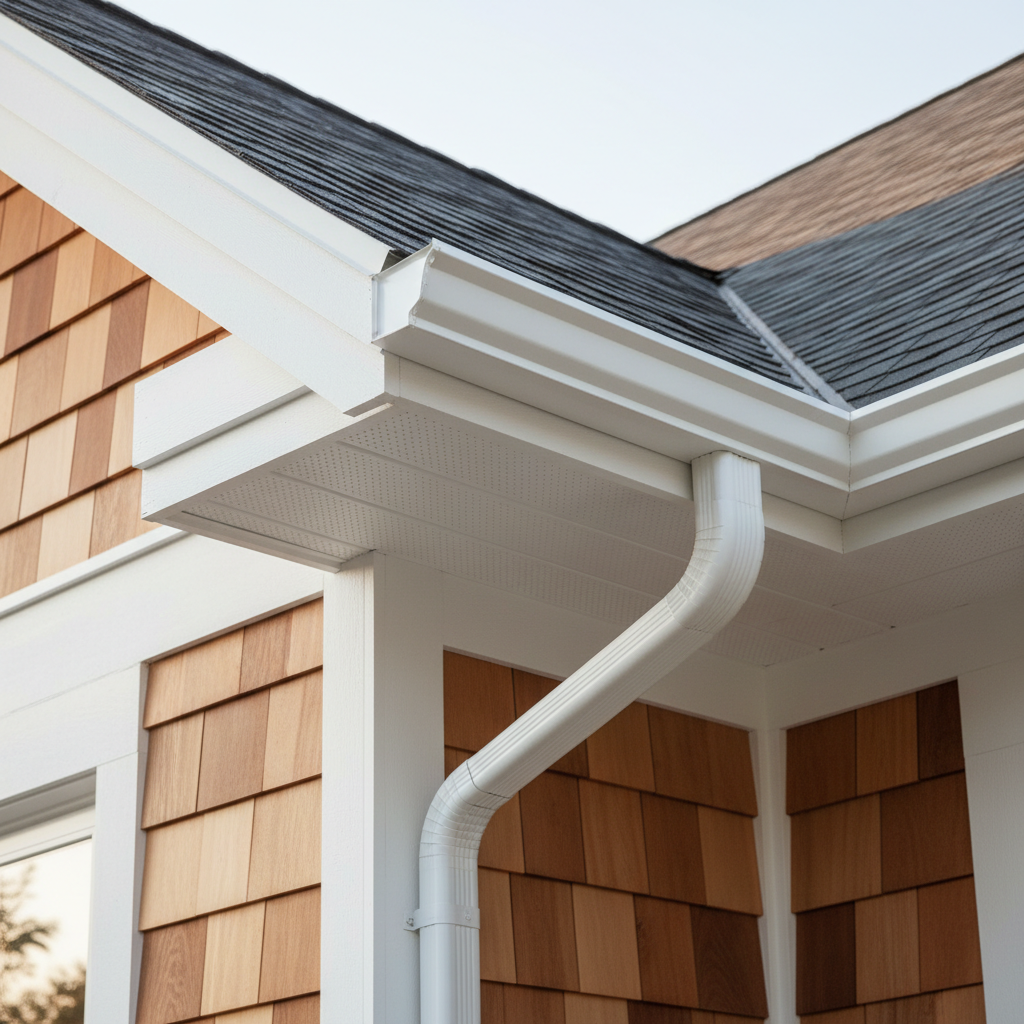
Imagine your home as a fortress, and your soffit and fascia are the crucial outermost defenses, often overlooked until a problem arises. These components, located at the eaves where your roof meets the exterior walls, serve vital functions. The soffit, the material on the underside of your roof's overhang, allows for attic ventilation, preventing heat buildup and moisture accumulation. The fascia, the board running along the edge of your roof, protects the rafter ends from weather and provides a mounting surface for your gutters. When these elements fail, your home becomes vulnerable. Water can penetrate, leading to rot in your roof sheathing, rafters, and even your home's framing. Pests, from insects to rodents, find easy entry points into your attic, bringing with them potential damage to wiring, insulation, and health hazards. Unchecked, what starts as a small crack or peeling paint can escalate into extensive, expensive structural damage, compromised indoor air quality due to mold, and a drastically shortened lifespan for your roof and home.
How It Works
Understanding the interplay of your soffit, fascia, and connected systems is key to appreciating their importance. The roof overhang creates a space between the top of your exterior wall and the edge of your roof. The soffit covers the underside of this overhang. Often perforated or vented, the soffit's primary role is to facilitate airflow into your attic. This continuous air movement is crucial for several reasons: in summer, it helps dissipate heat, reducing air conditioning costs; in winter, it prevents the buildup of warm, moist air that can lead to condensation, insulation degradation, and ice dams. Without proper soffit ventilation, your attic can become a sauna in summer and a breeding ground for mold in winter.
Above the soffit, at the very edge of your roof, sits the fascia board. This sturdy piece of material, typically wood or composite, is attached directly to the ends of your roof rafters. Its purpose is twofold: first, it provides a finished aesthetic, covering the otherwise exposed rafter tails. Second, and more importantly, it offers a solid anchor point for your gutters. Gutters collect rainwater and channel it away from your home's foundation, protecting your landscaping, siding, and basement from water damage. When fascia fails, gutters can pull away, become misaligned, or even detach completely, sending water cascading down your home's side. Both soffit and fascia are constantly exposed to the elements – sun, rain, snow, wind, and temperature fluctuations. Over time, this exposure, coupled with inadequate maintenance, can lead to their deterioration. Understanding this interconnected system highlights why damage to one component can quickly compromise the integrity of your entire roof and home exterior.
Step-by-Step Fix
1. Safety First – Assess the Ladder and Work Area
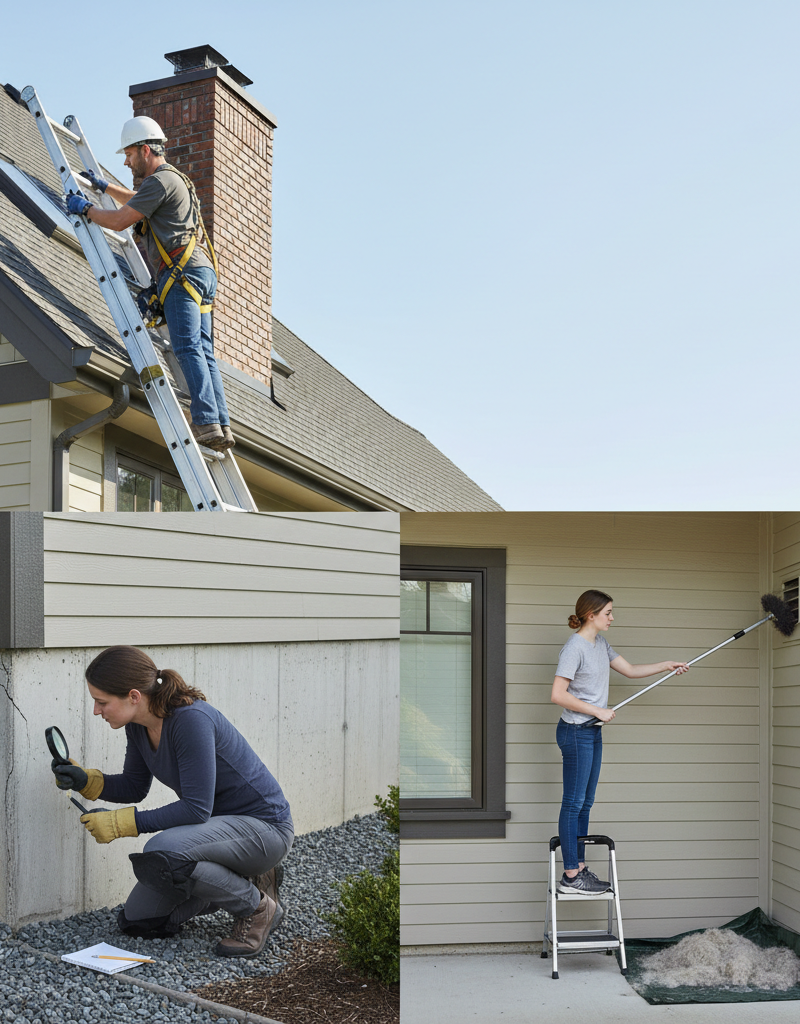
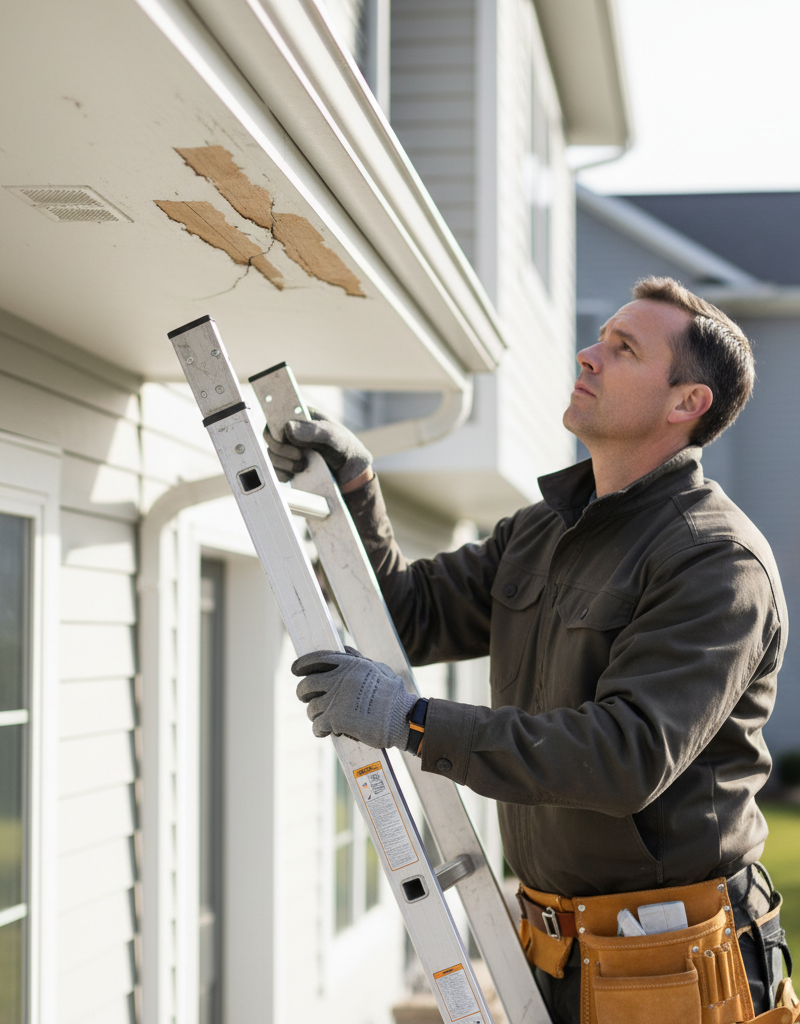
Before attempting any repair at height, ensure your ladder is stable, on level ground, and rated for your weight plus any tools. Have a spotter if possible. Wear appropriate safety gear, including work gloves and eye protection. Never work near power lines. If the damage is extensive or requires working at extreme heights, call a professional.
2. Inspect & Diagnose – Identify all damaged areas thoroughly
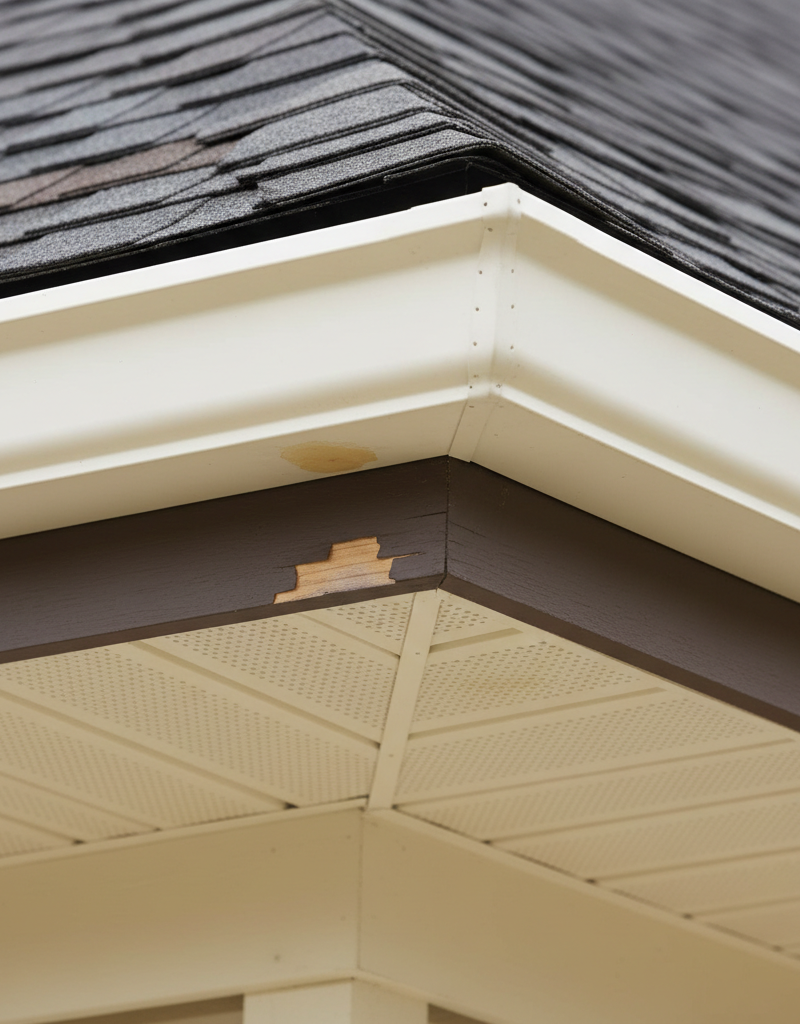
Walk the perimeter of your house, looking up at the soffits and fascia. Use binoculars for a closer look at hard-to-reach spots. Look for: peeling or blistering paint, discoloration, soft or spongy wood (poke gently with a screwdriver), cracks, gaps, missing sections, insect nests, or signs of rodent entry. Note any areas where gutters are sagging or overflowing, as this often indicates fascia damage.
3. Clean the Area – Remove debris and loose material
Carefully scrape away any loose paint, caulk, or deteriorating wood. Use a stiff brush or power washer (on a low setting and from a safe distance) to clean off dirt, mildew, and moss. Allow the area to dry completely before proceeding. This step is crucial for good adhesion of new materials.
4. Repair Small Cracks/Holes – Seal minor imperfections
For small cracks or holes (under 1/4 inch) in sound wood, clean the area and apply an exterior-grade, paintable caulk or wood filler. Smooth it with a putty knife. If the wood is still sound but has a larger hole, you might use an epoxy wood filler, which hardens significantly. Allow ample drying time as per product instructions.
5. Replace Small Rotted Sections – Cut out and fill minor rot
If you find a small area of rot, probe it to determine its depth. If the rot is superficial and the underlying wood is still solid, you can carefully chisel out the rotted material. Treat the exposed wood with a wood hardener, then fill the void with an exterior-grade wood filler or epoxy. Sand smooth once dry.
6. Reattach Loose Soffit/Fascia – Secure detached sections
For soffit panels or fascia boards that have come loose but are otherwise undamaged, reattach them using galvanized or stainless steel nails or screws appropriate for exterior use. Ensure you hit structural framing (rafters or blocking) if possible. Predrill pilot holes to prevent wood splitting.
7. Address Water Penetration – Identify and fix the root cause
If water stains or rot are present, the primary repair is not enough. You must find the source of the water. Check for overflowing gutters, damaged shingles, or leaky flashing above the affected area. Repair these issues first to prevent recurrence of soffit/fascia damage. This might involve cleaning gutters, repairing a small section of shingles, or resealing flashing.
8. Prime and Paint – Protect and finish the repair
Once all repairs are dry and sanded smooth, apply a high-quality exterior primer to all repaired and exposed areas. Follow with two coats of exterior-grade paint, matching your existing trim color. This not only improves aesthetics but also provides a crucial layer of protection against moisture and UV degradation.
Common Causes
- Lack of Maintenance: This is the most prevalent cause. Skipping routine gutter cleaning allows water to back up and spill over, constantly saturating the fascia. Neglecting to paint or seal soffit and fascia leads to raw wood exposure, making it susceptible to moisture and UV damage.
- Poor Gutter Function: Clogged, damaged, or improperly sloped gutters are a direct pipeline for water to attack your fascia and potentially seep behind soffits. Even minor overflows can cause significant, long-term damage.
- Inadequate Ventilation: If soffits are not properly vented, or if attic insulation blocks existing vents, moisture can accumulate in the attic. This moisture, combined with heat, creates an ideal environment for wood rot and mold, which can then spread to the soffit and fascia.
- Pest Infestation: Birds, squirrels, raccoons, and insects (likeCarpenter bees and termites) can chew through or nest in soffit and fascia, creating holes and weakening the structure. Once pests gain entry, they can cause extensive damage and compromise the integrity of these components.
- Roof Leaks: Leaks in the roof above the eaves, from damaged shingles, flashing, or a deteriorated drip edge, can direct water directly onto or behind the fascia and soffit, leading to rot and disintegration.
- Weather Exposure: Constant exposure to sun, rain, snow, and dramatic temperature changes naturally degrades materials over time. UV rays break down paint and wood fibers, while moisture causes swelling and shrinking, leading to cracking and peeling.
Common Mistakes
- Ignoring the Root Cause: A common mistake is simply patching or repainting damaged areas without addressing why the damage occurred. If you don't fix a leaky gutter or a ventilation issue, the problem will quickly return.
- Using Interior Materials Outdoors: Homeowners sometimes use interior wood filler or paint for exterior repairs. These products are not designed to withstand UV rays, moisture, or extreme temperatures and will fail quickly.
- Neglecting Safety: Working at heights without a stable ladder, a spotter, or proper safety gear is extremely dangerous. Falls from ladders are a leading cause of home repair injuries.
- Not Treating for Pests: If pest damage is evident, failing to remove the pests and seal all entry points completely will result in their return and continued damage.
- Incomplete Drying: Applying paint or sealant over damp wood traps moisture, accelerating rot from the inside out and leading to premature peeling and failure of the new finish.
- Overlooking Adjacency: Focusing only on the visible damage and not inspecting adjacent areas (like the attic, roof, or opposing fascia sections) can lead to missed problems that will later expand.
Cost & Time Breakdown
| Task | DIY Cost | Pro Cost | Time |
|---|---|---|---|
| Minor Crack/Hole Repair (Caulk/Filler) | $15–$30 | $150–$300 (minimum service fee) | 30 min – 1 hour |
| Small Rotted Section Replacement (Wood Patch) | $30–$70 | $250–$500 | 1–2 hours |
| Reattaching Loose Fascia/Soffit | $0–$10 (if you have nails/screws) | $180–$350 | 45 min – 1.5 hours |
| Cleaning & Painting Soffit/Fascia (Partial) | $50–$100 (paint/primer) | $400–$800+ (per section) | 2–4 hours (drying time inc.) |
| Extensive/Whole Section Replacement | $100–$300 (materials) | $1,000–$3,000+ | 1–3 days |
Tips & Prevention
- Regular Gutter Cleaning: Clean your gutters at least twice a year (spring and fall) to prevent clogs and overflow. Ensure downspouts are clear and direct water away from the foundation.
- Inspect Annually: Conduct a thorough visual inspection of your soffit and fascia from the ground (and with a ladder if safe) once a year. Look for the signs of damage mentioned above.
- Maintain Paint & Sealant: Keep exterior paint and caulk in good condition. Repaint or re-seal as needed (typically every 5-7 years for paint, annually for caulk) to provide a protective barrier against moisture.
- Ensure Proper Ventilation: Check your attic vents (soffit and ridge vents) periodically to ensure they are not blocked by insulation, debris, or bird nests. Adequate airflow is crucial.
- Trim Branches: Keep tree branches trimmed away from your roofline. Overhanging branches can scratch, abrade, and damage soffit and fascia, and also provide pathways for pests.
- Address Roof Issues Promptly: Don't delay repairing leaky shingles or flashing. Even small roof leaks can quickly lead to extensive damage to underlying fascia and soffit.
When to Call a Professional
While DIY can handle minor cosmetic repairs, certain situations with soffit and fascia damage demand the expertise of a licensed professional. If you observe extensive, widespread rot that compromises the structural integrity of the fascia board or the rafter tails it covers, attempting a patch job isn't sufficient; the entire section needs to be replaced correctly to prevent roof sag or gutter detachment. Similarly, if you notice active water leaks coming from or behind the soffit and fascia, it indicates a deeper issue with your roof's flashing, underlayment, or shingle system that requires skilled diagnosis and repair. Recurring pest infestations that suggest large entry points or significant burrowing within the structure are also best left to professionals familiar with pest exclusion and rebuilding damaged areas. Lastly, if the work involves significant heights, steep roof pitches, or requires specialized scaffolding or lifting equipment, calling a professional ensures the work is done safely and according to building codes, protecting both your home and yourself from injury. A professional can assess the full extent of the damage, identify underlying causes, and guarantee a long-lasting, code-compliant repair.
Related Articles
Keep troubleshooting with these hand-picked guides from FixlyGuide:
- The #1 Mistake Homeowners Make When Spotting Soffit Damage — Ignoring early signs of soffit and fascia damage can lead to costly structural issues. Learn to identify and fix common problems the right…
- Is Your Roofline Hiding a $10,000 Secret? 7 Warnings Your Soffit & Fascia Are Failing — Discover the critical signs of soffit and fascia damage that could indicate widespread problems and how to properly address them before the…
- The 4 Hidden Signs Your Soffit & Fascia Are Failing (And What To Do) — Spotting early signs of soffit and fascia damage can prevent costly repairs and protect your home's structure from water and pest intrusion.
- Is Your Roofline Hiding a $10,000 Secret? 7 Soffit & Fascia Warning Signs — Discover the critical warning signs of soffit and fascia damage, why these often-overlooked components are crucial, and how to tackle commo…
- The 3 Hidden Reasons Your Baseboards Are Pulling Away (And How to Fix It Right) — Don’t just nail it back! Discover the real reasons your baseboards are separating from the wall and how to achieve a lasting repair.
- The #1 Mistake Homeowners Make After Finding Missing Shingles (And How to Fix It Right) — Discover the crucial steps to take after a storm rips shingles from your roof, ensuring a proper, lasting repair and preventing costly futu…
Frequently asked questions
What is the difference between soffit and fascia?+
The fascia is the board mounted at the end of your rafters, directly behind your gutters. The soffit is the finished underside of your roof's overhang, extending from the house wall to the fascia. Fascia covers and protects the rafter ends, while vented soffits provide crucial attic ventilation.
How often should I inspect my soffit and fascia?+
You should visually inspect your soffit and fascia from the ground at least once a year, preferably in the spring or fall. After severe weather events, it's also wise to check for damage. A more thorough inspection with a ladder can be done every few years, or if you suspect an issue.
Can I paint over rotten fascia?+
No, you should never paint over rotten fascia. Painting over rot will only trap moisture and accelerate the decay. Rotten wood must be removed, treated with a wood hardener if superficial, or completely replaced if extensive, before priming and painting.
What happens if I ignore damaged soffit and fascia?+
Ignoring damaged soffit and fascia can lead to severe and costly problems. These include water intrusion into your attic and walls, leading to wood rot, mold growth, and compromised structural integrity. It also creates easy entry points for pests like rodents, birds, and insects, which can cause further damage to insulation and wiring.
Is soffit and fascia repair a DIY job?+
Minor repairs like re-caulking small cracks, repainting, or reattaching a loose piece of soffit can be DIY projects for a handy homeowner. However, extensive rot, large holes, structural damage, active leaks, or situations requiring working at significant heights should always be handled by a licensed professional to ensure safety and proper repair.
Discussion
Loading comments…