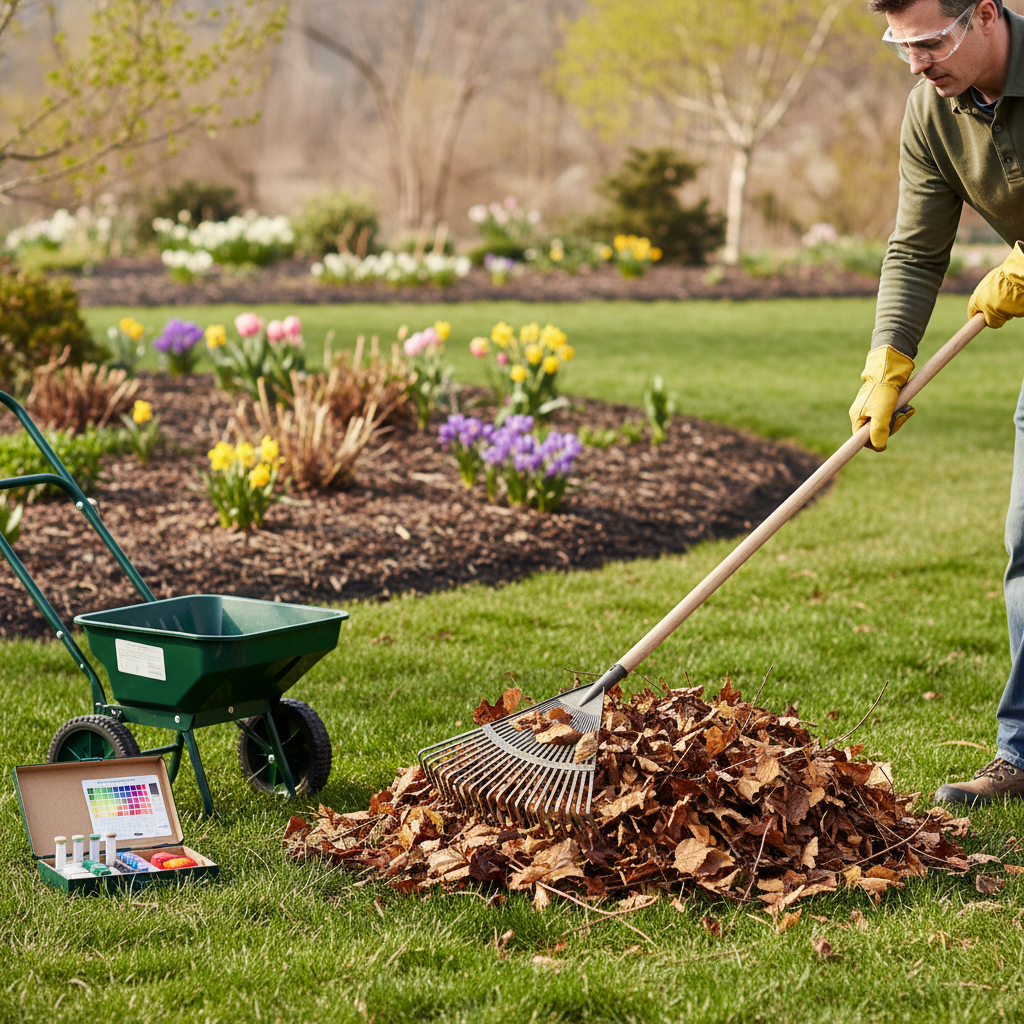
Tools & materials you'll need
Affiliate linksAs an Amazon Associate FixlyGuide earns from qualifying purchases — at no extra cost to you. Prices and availability are accurate as of publication and subject to change.
Quick Answer
Preparing your yard for spring is more than just raking leaves; it's a strategic process that sets the foundation for a healthy, vibrant landscape throughout the entire growing season. This comprehensive guide outlines the seven critical steps smart homeowners take to ensure their lawns, gardens, and outdoor spaces are primed for success, covering everything from essential soil diagnostics to critical tool maintenance and proper planting techniques. By understanding and implementing these steps, you can prevent common issues, promote strong growth, and enjoy a beautiful yard with less hassle down the line.
The Problem
Many homeowners view spring yard prep as a simple cleanup, missing crucial steps that can lead to a season of frustration: poor grass growth, rampant weeds, struggling plants, and even pest infestations. Without proper planning and execution, your yard might look lackluster, requiring more reactive treatments later in the year, which can be costly and less effective. Neglecting soil health, improper timing of treatments, or using dull tools all contribute to a less-than-ideal outcome. The problem isn't just aesthetic; a poorly maintained yard can also be more susceptible to diseases and environmental stress. This article addresses these underlying issues by providing a methodical approach to spring preparation, ensuring every effort contributes to a resilient and beautiful outdoor space.
How It Works
Understanding the ecological processes at play in your yard is key to effective spring preparation. As the ground thaws and temperatures rise, plants emerge from dormancy, requiring specific conditions to thrive.
Soil: The foundation of any healthy yard is healthy soil. Soil acts as a complex ecosystem, providing physical support, water retention, and nutrient availability to plant roots. Freezing and thawing cycles can compact soil over winter, reducing oxygen flow and inhibiting root growth. Proper tilling or aeration breaks up this compaction. Furthermore, winter weather depletes essential nutrients from the topsoil through runoff. Performing a soil test helps you understand your soil's pH (acidity/alkalinity) and nutrient profile (nitrogen, phosphorus, potassium, and micronutrients), allowing for targeted amendments that optimize the environment for your specific grass and plants.
Plant Growth: Most grasses and many perennial plants are cool-season varieties, meaning they experience their most vigorous growth in the spring and fall. As soil temperatures consistently reach 50-65°F (10-18°C), roots begin to absorb water and nutrients, and shoots emerge. Fertilization at this time provides the necessary fuel for this growth spurt.
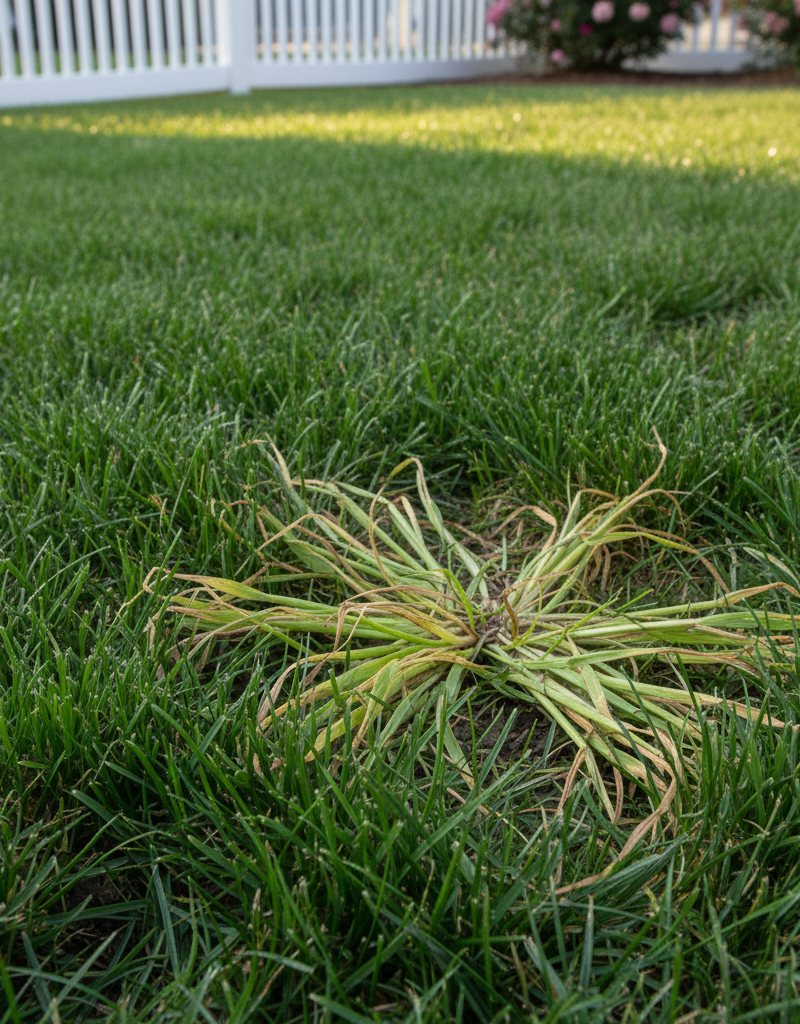
Weed Control: Weeds, both annual and perennial, also capitalize on spring's favorable conditions. Pre-emergent herbicides work by forming a chemical barrier in the soil that inhibits weed seed germination. They must be applied before weed seeds sprout, typically when soil temperatures are consistently above 50°F (10°C) for several days. This prevents a vast majority of annual weeds like crabgrass from ever establishing. Post-emergent herbicides, on the other hand, target actively growing weeds.
Water Dynamics: Spring also brings increased rainfall. Healthy soil with good organic matter content and proper drainage allows water to penetrate deeply, reaching roots, while preventing waterlogging. Compacted or thatch-heavy lawns can suffer from runoff, leading to wasted water and increased erosion.
Step-by-Step Fix
Here are the seven critical steps for a truly prepared spring yard:
-
Safety First! — Before starting any yard work, always assess your surroundings. Look out for hidden rocks, branches, or other debris that could be flung by mowers or tillers. Wear appropriate personal protective equipment (PPE) including gloves, eye protection, ear protection when using loud machinery, and sturdy closed-toe shoes. If you are working with chemicals, read and follow all manufacturer warnings and instructions carefully, ensuring adequate ventilation and preventing skin contact. Disconnect spark plug wires before performing maintenance on gas-powered equipment.
-
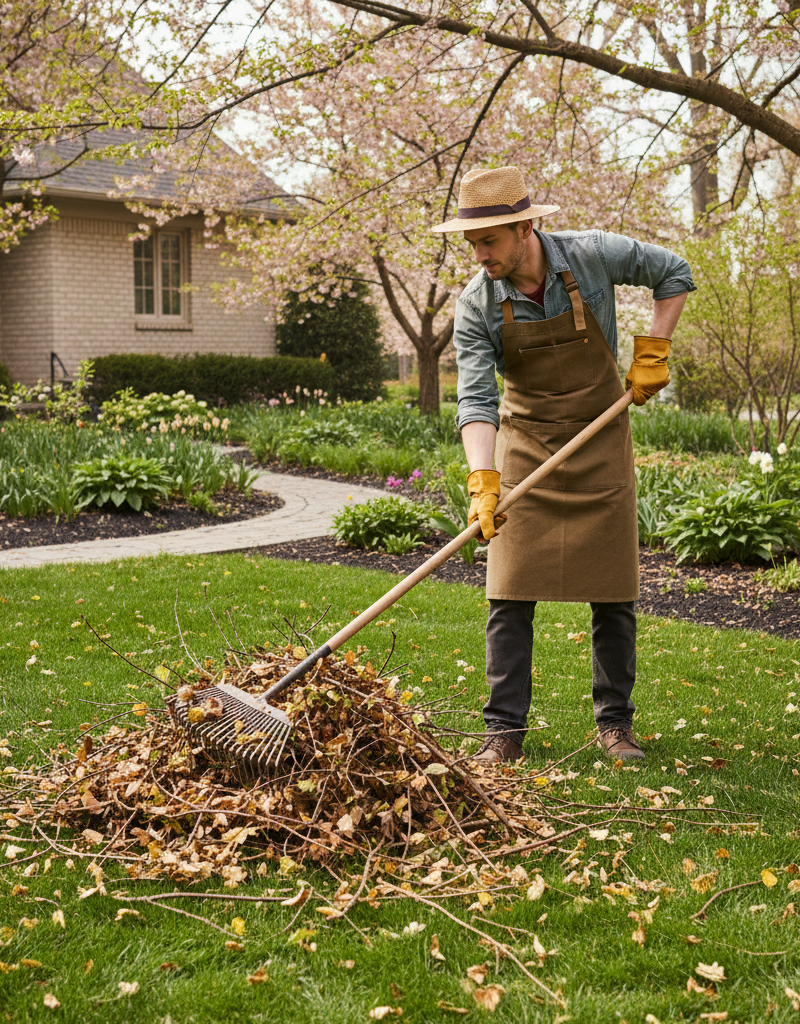
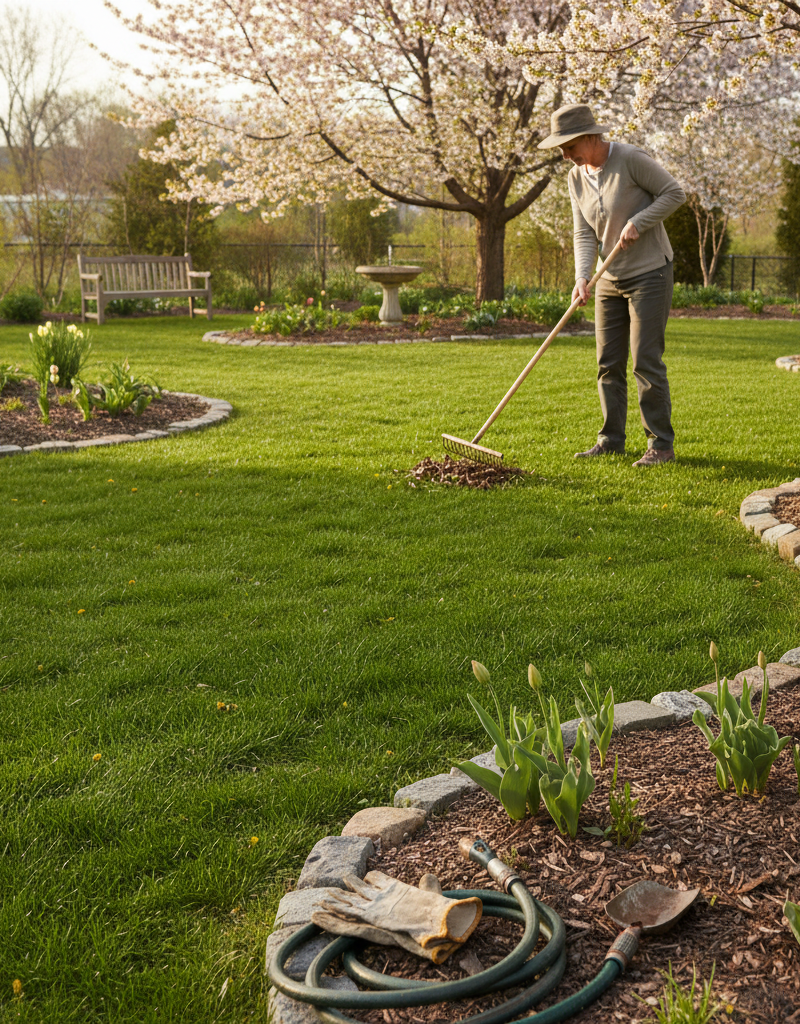
Clean Up Winter's Mess — Rake off all lingering leaves, fallen branches, and any accumulated debris from your lawn, garden beds, and hardscapes. This not only makes your yard look tidier but also removes potential hiding spots for pests and diseases, and allows critical sunlight to reach emerging grass. Pay special attention to areas where snow accumulated heavily, as these spots often have matted grass.
- Tools: Stiff rake, leaf blower (optional), tarp or wheelbarrow.
- If this doesn't work: If you have very compacted patches of matted grass, a dethatching rake can help lift and loosen it, allowing air and light to penetrate.
-
Perform a Soil Test — This is arguably the most overlooked step. A soil test tells you exactly what nutrients your soil is lacking and its pH level, preventing wasteful and potentially harmful over-fertilization. Collect several samples from different areas of your yard, mix them, and send them to your local cooperative extension office for analysis. They will provide tailored recommendations for amendments.
- Tools: Garden trowel or soil probe, clean bucket, plastic bags, soil test kit (purchased or from extension office).
- Cost: $15–$30 for a basic lab test.
- If this doesn't work: If your soil test results are confusing, most extension offices offer interpretive services or can recommend a local expert to help you understand the next steps.
-
Dethatch and Aerate Your Lawn — Thatch is a layer of dead and living organic matter (stems, roots) that accumulates between the soil surface and the green grass blades. A layer thicker than 1/2 inch can prevent air, water, and nutrients from reaching the roots. Dethatch if necessary, then aerate. Aeration pulls small plugs of soil from your lawn, relieving compaction and allowing roots to breathe, and water and nutrients to penetrate deeply. Aim to aerate when the grass is actively growing but before extreme summer heat, typically late March to early May.
- Tools: Dethatching rake or power dethatcher (rentable), core aerator (rentable or professional service).
- Note: If your lawn has minimal thatch (<1/2 inch), you can skip dethatching, but aeration is almost always beneficial for most lawns.
- Pro Tip: Leave the soil plugs on the lawn; they will break down and return nutrients to the soil.
-
Fertilize and Apply Pre-Emergent Herbicide — Based on your soil test results, select a fertilizer formulated for spring grass growth. Apply a pre-emergent herbicide before weed seeds germinate. This is critical for controlling crabgrass and other annual weeds. The timing is crucial – typically when soil temperatures reach 50-55°F (10-13°C) for several consecutive days, often coinciding with when forsythia bushes start to bloom.
- Tools: Broadcast spreader or drop spreader, appropriate fertilizer, pre-emergent herbicide.
- Safety: Always wear gloves and eye protection when handling granular chemicals. Calibrate your spreader according to the product instructions to avoid over-application, which can burn your lawn.
- If this doesn't work: If you miss the pre-emergent window, you'll need to use a post-emergent selective herbicide later in the season for actively growing weeds, which is generally less effective and more work.
-
Prune and Prepare Garden Beds — Trim back dead or damaged branches from shrubs and trees (excluding spring-flowering varieties, which should be pruned after they bloom). Cut back ornamental grasses. Clear out old mulch and apply a fresh layer of 2-3 inches of organic mulch to garden beds. Mulch conserves moisture, suppresses weeds, and moderates soil temperature. Add compost or other organic matter to beds to enrich the soil for new plantings.
- Tools: Pruning shears, loppers, garden rake, garden fork, work gloves, fresh mulch, compost.
- Note: For mature trees or large shrubs requiring significant pruning, consider hiring a certified arborist to ensure proper technique and safety.
-
Inspect and Tune Up Equipment — Ensure your lawnmower, string trimmer, and other power tools are in prime condition. Sharpen mower blades (or replace them), change oil, replace spark plugs, and clean air filters on gas engines. Check extension cords for damage. This preventative maintenance ensures your tools run efficiently and safely throughout the season, providing cleaner cuts and reducing strain on the equipment.
- Tools: Wrench set, spark plug wrench, feeler gauge, file or blade sharpener, replacement air filter, spark plug, motor oil.
- Safety: Always disconnect the spark plug before working on a gas mower. Wear heavy gloves when handling sharp blades.
- If this doesn't work: If a tool won't start after basic maintenance, it might need a carburetor cleaning, fuel line replacement, or other professional service.
Common Causes
Many common yard problems stem from inadequate spring preparation:
- Compacted Soil: Heavy foot traffic, winter snow accumulation, and even heavy rainfall can compact soil, restricting root growth and nutrient uptake. This is a primary reason for thin, unhealthy lawns.
- Nutrient Deficiencies/Imbalances: Without a soil test, homeowners often guess at fertilization, leading to either too much or too little of certain nutrients. This can stunt growth, yellow grass, or encourage weed proliferation.
- Thatch Buildup: A thick layer of thatch (>1/2 inch) acts as a barrier, preventing water, air, and fertilizer from reaching the soil. It also harbors pests and diseases.
- Untimely Weed Control: Applying pre-emergent too late, after weed seeds have already germinated, renders it ineffective. This leads to a season-long battle against weeds that could have been prevented.
- Dull Mower Blades: Dull blades tear grass rather than cutting it cleanly, leaving frayed ends that are susceptible to disease and give the lawn a brownish, unhealthy appearance.
- Poor Drainage: If your yard holds water after rain, it could be due to compacted soil or an uneven grade. This creates anaerobic conditions harmful to most lawn grasses.
Common Mistakes
- Skipping the Soil Test: Guessing your soil's needs is a recipe for disaster. You might be applying the wrong nutrients or wasting money on unnecessary fertilizers. Always test first.
- Fertilizing Too Early or Too Late: Applying fertilizer before the grass is actively growing leads to runoff and wasted nutrients. Applying it too late can push excessive growth into hot summer months, stressing the lawn.
- Applying Pre-Emergent at the Wrong Time: This is the most common mistake with weed control. If applied after soil temperatures are consistently above 55°F, many weed seeds will have already sprouted, making the pre-emergent ineffective.
- Mowing Too Short: Scalping your lawn in early spring stresses the grass, deprives it of photosynthetic capacity, and encourages weeds. Aim for a cutting height of 2.5-3 inches for most cool-season grasses.
- Ignoring Tool Maintenance: Using dull mower blades or unserviced engines makes yard work harder, less effective, and can damage your equipment or your lawn. Sharpen blades and perform engine tune-ups proactively.
- Overwatering Seedlings: If you're overseeding, new grass needs consistent moisture, but overwatering can lead to fungal diseases and wash away seeds. Light, frequent watering is best.
- Pruning Spring-Flowering Shrubs Too Early: Prune spring bloomers (like lilacs or forsythia) after they finish flowering. Pruning them in early spring before they bloom will remove the very flower buds you're waiting for.
Cost & Time Breakdown
| Task | DIY Cost | Pro Cost | Time |
|---|---|---|---|
| Winter Cleanup & Raking | $0–$15 (bags) | $75–$200 | 1–3 hours |
| Soil Test | $15–$30 | Incl. w/ Pro Service | 15 min (sampling) |
| Dethatching & Aeration | $50–$150 (rental) | $150–$400 | 2–4 hours |
| Fertilizing & Pre-Emergent | $40–$100 | $100–$250 | 1–2 hours |
| Garden Bed Prep & Mulching | $50–$200 | $150–$500 | 2–5 hours |
| Equipment Maintenance | $10–$40 | $50–$100 (per item) | 1–2 hours |
| Total Estimated Range | $165–$535 | $625–$1750 | 9–18 hours |
Note: Costs are estimates and can vary significantly based on yard size, specific products used, and regional labor rates.
Tips & Prevention
- Regular Mowing: Maintain a consistent mowing schedule, never removing more than one-third of the grass blade at a time. Keep your mower blades sharp for a clean cut.
- Water Deeply and Infrequently: When watering, aim for deep, thorough watering rather than shallow, frequent sprinkles. This encourages deeper root growth, making your lawn more drought-resistant.
- Leave Grass Clippings: Unless they are clumping heavily, leave grass clippings on the lawn. They are a natural source of nitrogen and organic matter, returning nutrients to the soil.
- Observe Your Yard: Pay attention to how different areas of your yard respond to treatments and weather. Note areas of poor growth, persistent weeds, or drainage issues so you can address them proactively.
- Compost: Start a compost pile for yard waste and kitchen scraps. Compost is an excellent, free source of organic matter to amend your garden beds and improve soil health.
- Consider Native Plants: Incorporate native plants into your landscaping. They are often better adapted to your local climate and soil conditions, requiring less water and maintenance.
- Educate Yourself: Continuously learn about proper lawn and garden care techniques, especially for your specific climate zone and plant types.
When to Call a Professional
While many spring yard preparation tasks are DIY-friendly, certain situations warrant calling in a licensed professional. If your lawn has severe compaction issues across a large area, renting and operating a heavy-duty core aerator might be challenging, and a professional landscaping service can provide more efficient and thorough aeration. For significant thatch buildup exceeding 1 inch, a professional power dethatcher can be more effective than manual methods. If you suspect a major pest or disease issue that isn't responding to basic treatments, a professional lawn care specialist can accurately diagnose the problem and recommend targeted solutions. Additionally, if you have large trees or shrubs requiring extensive or high-elevation pruning, a certified arborist should be hired to ensure safety and proper plant health techniques, as improper pruning can permanently damage or even kill trees. Finally, if you consistently struggle with severe weed infestations despite following best practices, a professional can provide advanced treatment plans and ongoing maintenance. Don't hesitate to consult a pro if you feel overwhelmed or encounter problems beyond your expertise.
Frequently asked questions
When should I start preparing my yard for spring?+
You should start preparing your yard for spring as soon as the ground thaws and temperatures consistently rise above freezing, typically late March to early April in most regions. Key tasks like raking and soil testing can begin early, while fertilization and pre-emergent herbicide application should be timed with soil temperatures reaching 50-55°F.
What's the most important step in spring yard prep?+
While all steps are important, performing a soil test is arguably the most critical. It provides precise information about your soil's nutritional needs and pH, allowing you to tailor your fertilization and amendments, preventing guesswork and ensuring optimal plant health.
How often should I aerate my lawn?+
Most lawns benefit from aeration every one to three years, especially if they experience heavy foot traffic, have clay soil, or show signs of compaction like thin growth or poor water absorption. You can aerate in spring or fall, but spring aeration should happen before summer heat stress.
Can I apply fertilizer and weed killer at the same time in spring?+
Yes, many products are designed as 'weed and feed' formulations, combining fertilizer with a pre-emergent or post-emergent herbicide. If using separate products, apply the pre-emergent first, followed by fertilizer, adhering to all product-specific instructions and timing for best results.
What tools do I need for basic spring yard preparation?+
For basic spring yard preparation, you'll need a good rake, gardening gloves, pruning shears, a broadcast or drop spreader for fertilizer, and potentially a soil test kit. For aeration or dethatching, you might need to rent specialized equipment or hire a professional.
Why is it important to sharpen my mower blades?+
Sharpening your mower blades is crucial because dull blades tear grass blades rather than cutting them cleanly. This not only makes your lawn look ragged and brown, but it also creates entry points for diseases and stresses the grass, making it less resilient.
Discussion
Loading comments…