Tools & materials you'll need
Affiliate linksAs an Amazon Associate FixlyGuide earns from qualifying purchases — at no extra cost to you. Prices and availability are accurate as of publication and subject to change.
Quick Answer
Spring yard preparation involves several key steps to ensure a healthy and thriving outdoor space. Begin by clearing winter debris and pruning damaged plants. Next, focus on soil health through aeration and fertilization, and protect your plants with a fresh layer of mulch. These actions lay the groundwork for a beautiful and productive garden all season long.
The Problem
After a long winter, your yard is likely looking a bit neglected. Dead leaves, fallen branches, compacted soil, and hungry weeds are common issues that, if left unaddressed, can hinder new growth, promote plant disease, and make your yard less enjoyable. Getting ahead of these problems in the spring sets the stage for a lush, healthy, and manageable landscape throughout the warmer months.
Step-by-Step Fix
Step 1: Clear Winter Debris and Prune
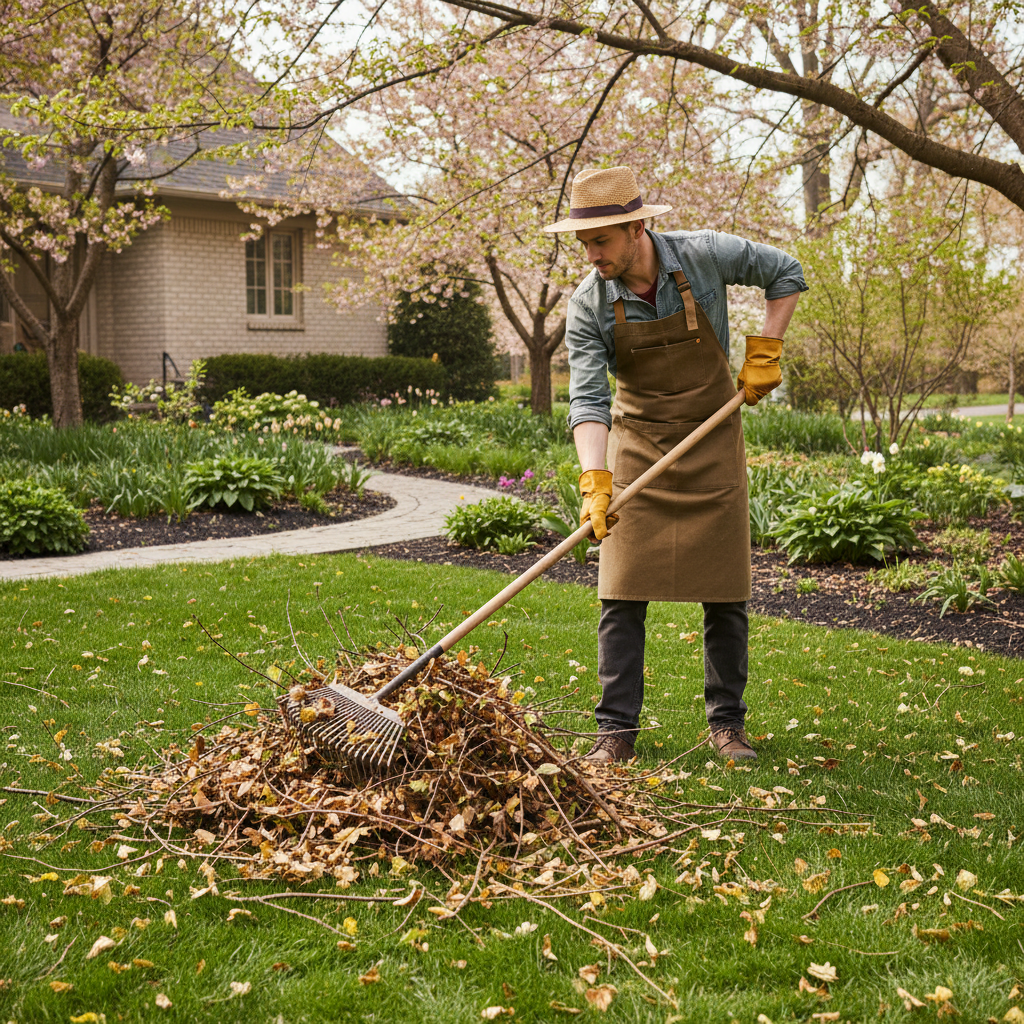
- Rake leaves and remove dead foliage: Use a rake to gather any leftover autumn leaves, small branches, and other winter debris. This prevents mold and mildew from forming and allows new growth to emerge.
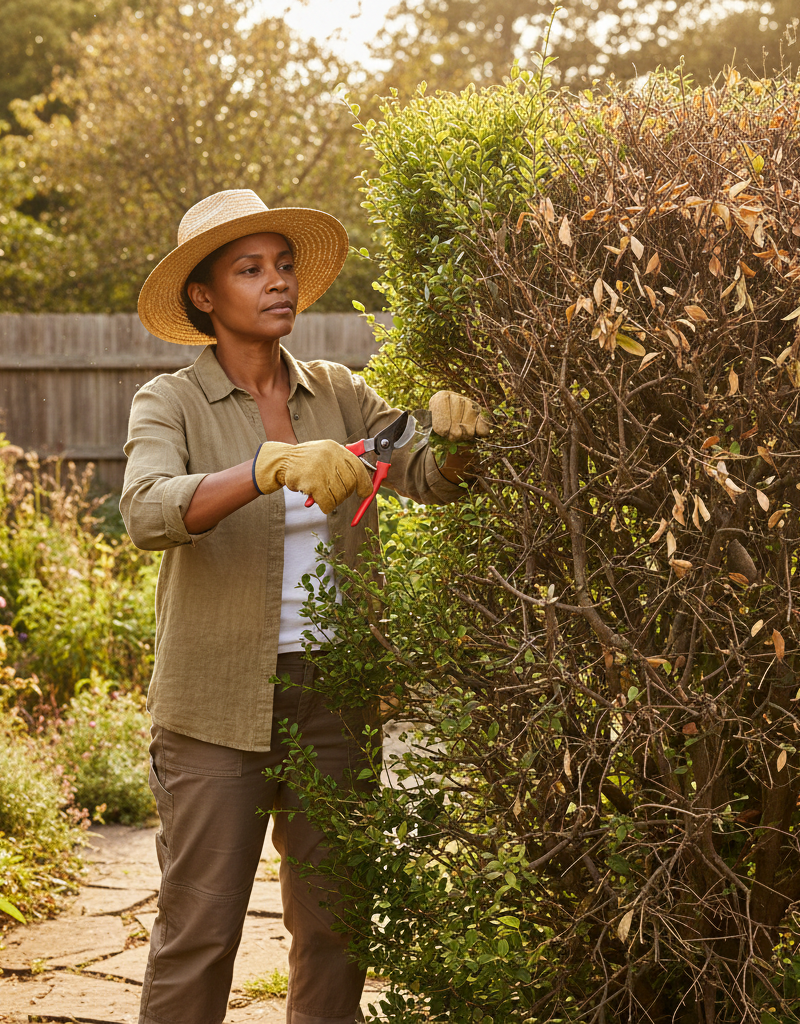
- Prune dead or damaged branches: Inspect trees and shrubs for branches broken by snow or ice, or those that appear dead. Use sharp pruning shears or loppers to make clean cuts just outside the branch collar or to healthy wood. This promotes new growth and improves the plant's shape.
Step 2: Prepare Garden Beds and Soil
- Weed garden beds: Remove any emerging weeds by hand or with a weeding tool. Getting them early prevents them from establishing deep roots and competing with your desired plants.
- Amend soil: If your soil is compacted or lacks nutrients, consider adding compost or other organic matter. Spread a 1-2 inch layer over the soil and gently work it in with a trowel or garden fork. This improves soil structure and provides vital nutrients.
- Aerate lawns (if needed): For compacted lawns, aeration can improve air, water, and nutrient penetration to the root zone. You can rent a core aerator or use a manual aerator for smaller areas.
Step 3: Fertilize and Mulch
- Fertilize plants and lawn: Based on your soil test results (if you've done one) or general plant needs, apply an appropriate slow-release fertilizer. Follow product instructions carefully to avoid over-fertilization, which can harm plants and runoff into water sources. Water immediately after fertilizing.
- Apply fresh mulch: Spread a 2-4 inch layer of mulch around trees, shrubs, and in garden beds. Keep mulch a few inches away from tree trunks and plant stems to prevent rot and pest issues. Mulch conserves moisture, suppresses weeds, and moderates soil temperature.
Step 4: Inspect and Maintain Equipment
- Clean and sharpen tools: Ensure all your garden tools, including pruners, shovels, and rakes, are clean and sharp. This makes tasks easier and healthier for your plants.
- Service lawn mower: Check spark plugs, air filter, and oil. Sharpen the blade for a clean cut, which is better for grass health.
Common Causes
The "problem" (a messy and unprepared yard) is primarily caused by the natural cycle of seasons. Winter exposes plants and soil to harsh conditions, leading to dormancy, debris accumulation, and nutrient depletion. Neglecting springtime tasks allows these issues to persist and worsen, impacting the health and aesthetics of your outdoor space as the weather warms.
Tips & Prevention
- Plan ahead: Create a prioritized checklist in late winter so you know exactly what needs to be done when spring arrives.
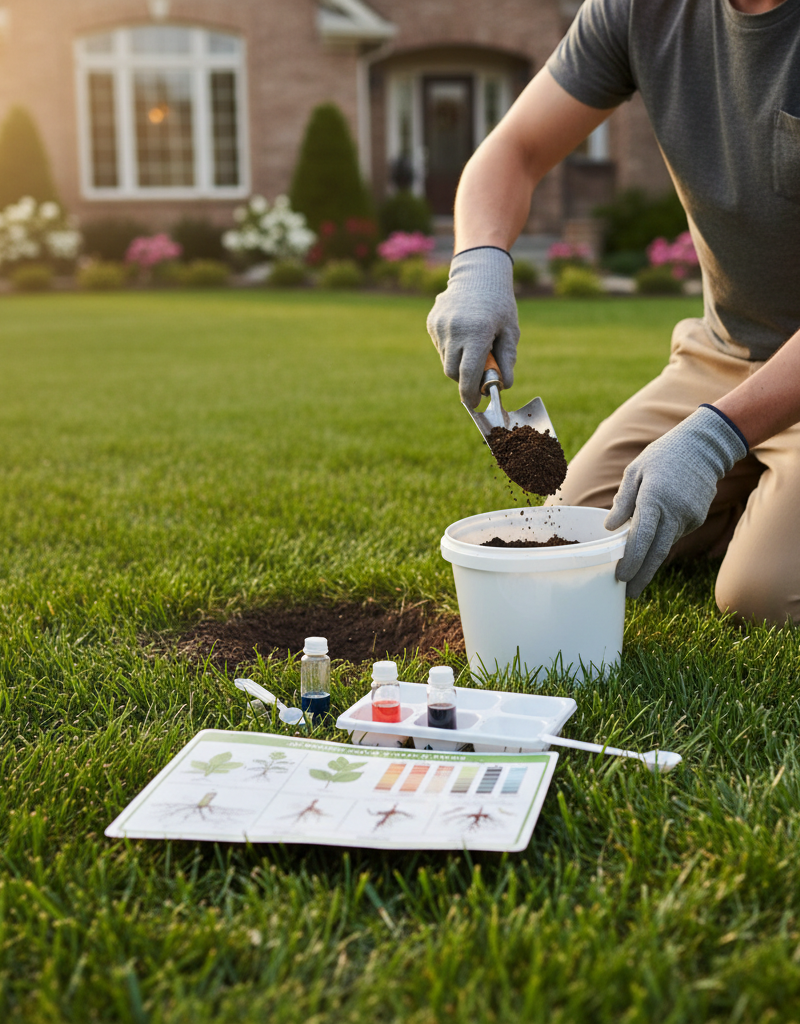
- Soil test: Consider a professional soil test every few years to understand your soil's specific nutrient needs. This prevents over-fertilizing and targets deficiencies.
- Start early: Tackle tasks like pruning and clearing debris as soon as the weather permits to prevent problems from escalating.
- Water wisely: After applying fertilizer and planting, ensure new additions and treated areas receive adequate water.
When to Call a Professional
While most spring yard prep is DIY-friendly, consider a professional for large tree pruning, extensive aeration if you lack the equipment, or if you consistently struggle with severe pest or disease issues that recur despite your efforts.
Safety Note
Always wear appropriate safety gear, including gloves and eye protection, especially when pruning or using power tools. Be mindful of your posture to avoid strain during raking and digging. When using fertilizers, read and follow all label instructions to protect yourself, your plants, and the environment. Keep children and pets away from freshly fertilized areas until safe to return, as indicated by the product.
Frequently asked questions
When is the best time to start spring yard preparation?+
The best time to start spring yard preparation is typically when the last frost has passed, and the soil is workable, often in early to mid-spring, depending on your climate zone. Watch for new growth emerging as a sign.
How important is soil testing for spring yard prep?+
Soil testing is highly recommended every few years as it provides valuable insights into your soil's pH and nutrient levels. This information allows you to apply the correct amendments and fertilizers, preventing waste and ensuring optimal plant health.
Can I use the leaves I raked up as mulch?+
Yes, shredded leaves make excellent free mulch! They break down over time, enriching your soil. Just ensure they are shredded to prevent matting, which can suffocate plants and hold too much moisture.
Discussion
Loading comments…