Tools & materials you'll need
Affiliate links- AmazonWater3-5 gallons
As an Amazon Associate FixlyGuide earns from qualifying purchases — at no extra cost to you. Prices and availability are accurate as of publication and subject to change.
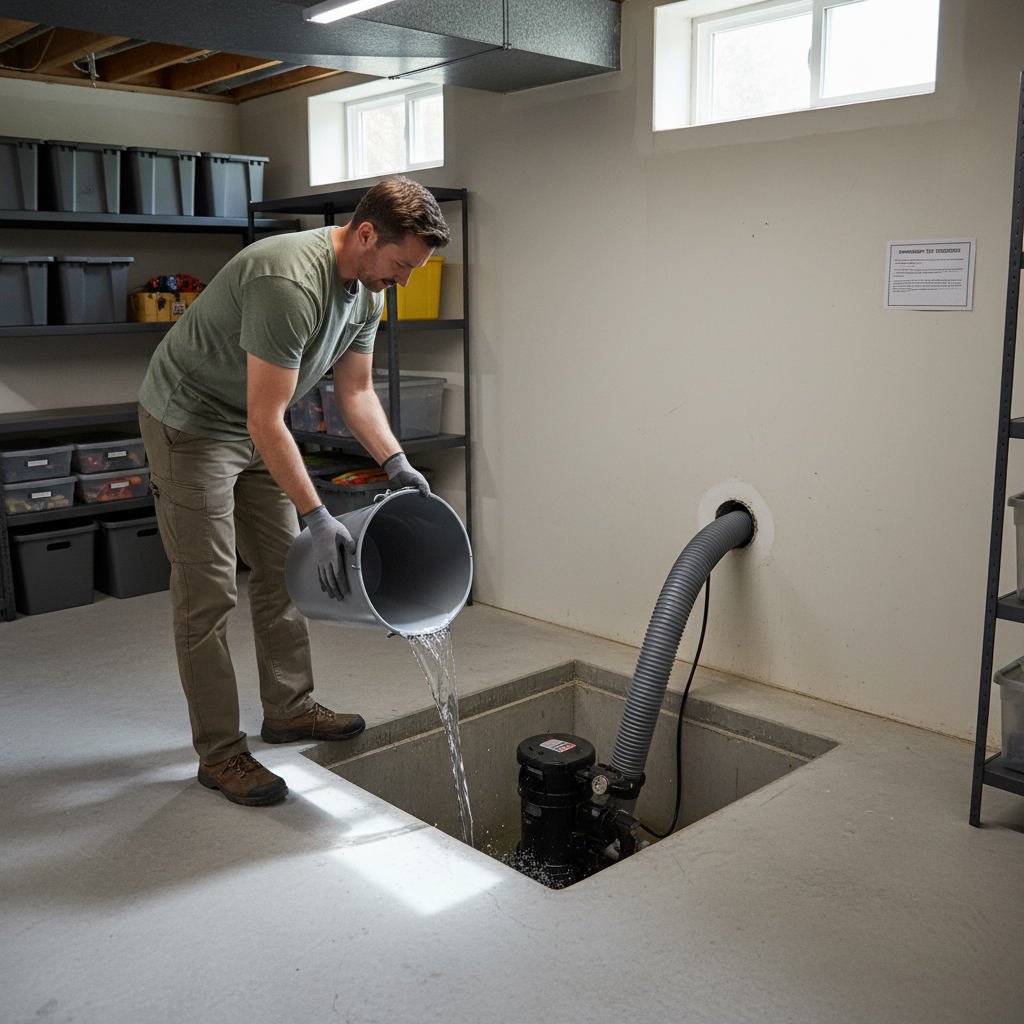
Quick Answer
To proactively test your sump pump and prevent basement flooding, simply pour 3 to 5 gallons of water directly into the sump pit. Observe if the float switch triggers the pump, if the pump successfully discharges all the water, and if it shuts off cleanly once the water level drops. This quick, hands-on check confirms your system is operational and ready for the rainy season.
The Problem
Imagine the heavens opening, rain pouring down for hours, and then you discover it: a flooded basement. The culprit? Often, a silent, neglected sump pump that failed when it was needed most. Many homeowners assume their sump pump, out of sight and out of mind for months, will simply spring to life when the pit fills. This is a risky assumption. Sump pumps can seize up, float switches can stick, discharge lines can become clogged, and power can be interrupted. Waiting until the first major downpour to discover a problem is a recipe for disaster, leading to thousands of dollars in water damage, mold growth, and invaluable lost personal items. The challenge is catching these issues before the emergency strikes, ensuring your home remains dry and protected.
How It Works
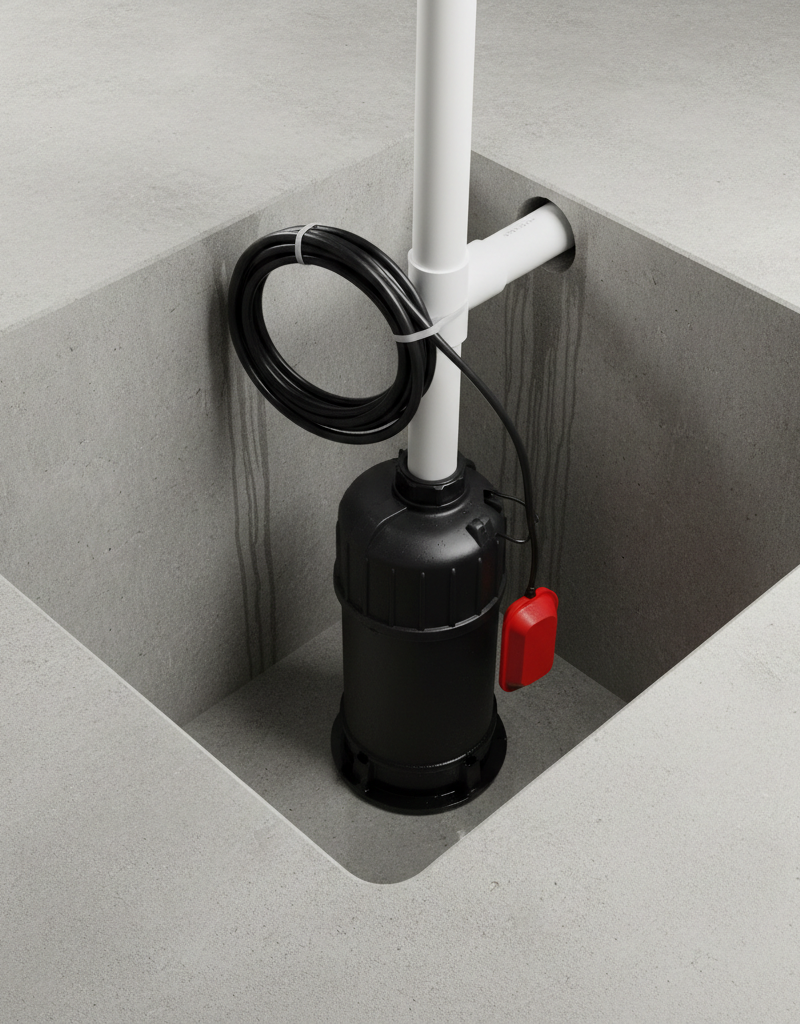
A sump pump system is deceptively simple in principle, yet crucial in practice. At its heart is an electric motor connected to an impeller, housed within a basin (the sump pit) usually dug into your basement floor. Around your home's foundation, a network of weeping tile or a French drain system collects subsurface water and directs it into this sump pit. As groundwater levels rise, whether from heavy rain or snowmelt, water flows into the pit.
Inside the pit, a float switch, similar to the one in your toilet tank, is set at a specific height. When the water level rises enough to lift this float, it completes an electrical circuit, activating the pump's motor. The spinning impeller creates centrifugal force, pulling water into the pump and forcing it out through a discharge pipe. This pipe typically runs up and out through the basement wall, depositing the water a safe distance from your foundation, often several feet away or into a storm drain. Once the water level in the pit drops below a predetermined point, the float switch disengages, and the pump shuts off. A check valve, usually installed in the discharge line just above the pump, prevents any water still in the pipe from flowing back into the pit, ensuring efficient operation and preventing the pump from short-cycling (turning on and off frequently). Most modern sump pumps are also equipped with a built-in thermal overload protector that will temporarily shut off the pump if the motor overheats, preventing permanent damage. Understanding these basic components — the pit, float switch, pump, discharge line, and check valve — is key to diagnosing issues and ensuring your system is prepared for the next big storm.
Step-by-Step Fix
When "testing" your sump pump, you're essentially performing a diagnostic simulation to ensure all components are functioning as they should. This isn't fixing a problem, but rather proactively identifying one.
1. Clear the Area — Position your bucket. Before you begin, ensure the sump pit cover is removed and you have unobstructed access to the pit. Clear any debris or tools around the area that might get in the way. Have your bucket of water ready.
2. Check for Power and Obstructions — A quick visual and tactile inspection. First, visually inspect the sump pit. Remove any debris, dirt, or sediment that might have accumulated at the bottom. Ensure the float switch can move freely up and down without touching the sides of the pit or getting tangled in wires. Gently lift the float switch manually to confirm it moves smoothly. Next, trace the power cord from the pump to the electrical outlet. Ensure it's securely plugged in and that the circuit breaker hasn't tripped. If the pump is difficult to access or the pit is very deep, use a strong flashlight to aid your inspection. Never reach into the pit if you are unsure about electrical connections.
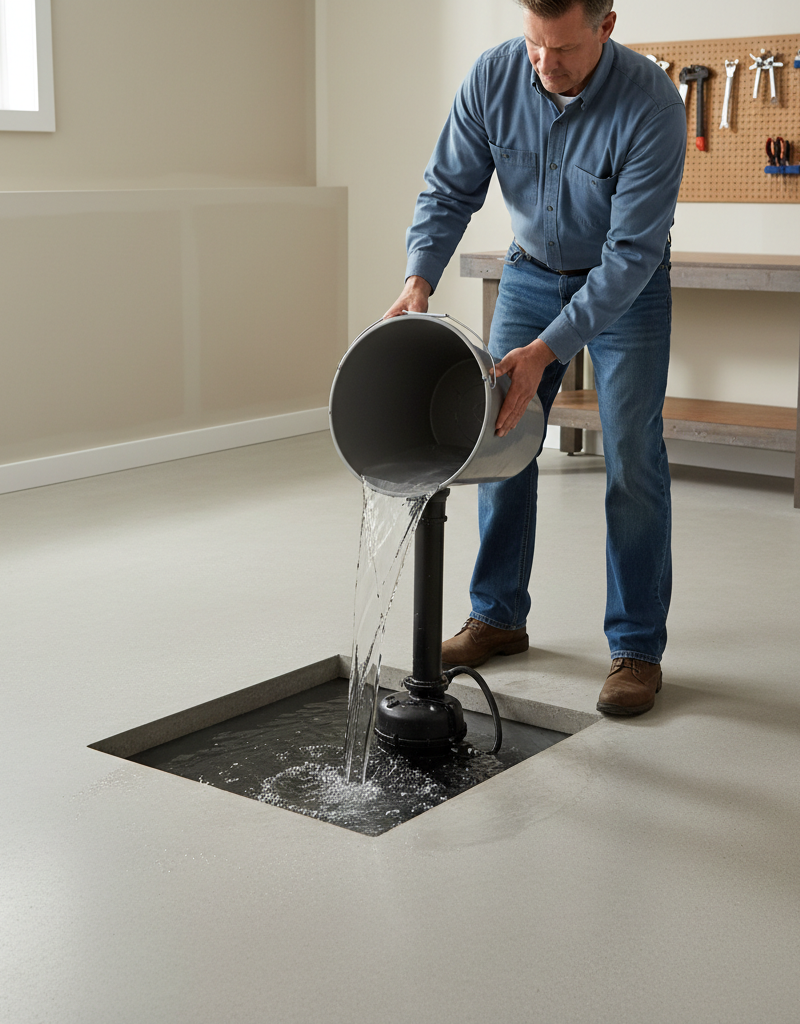
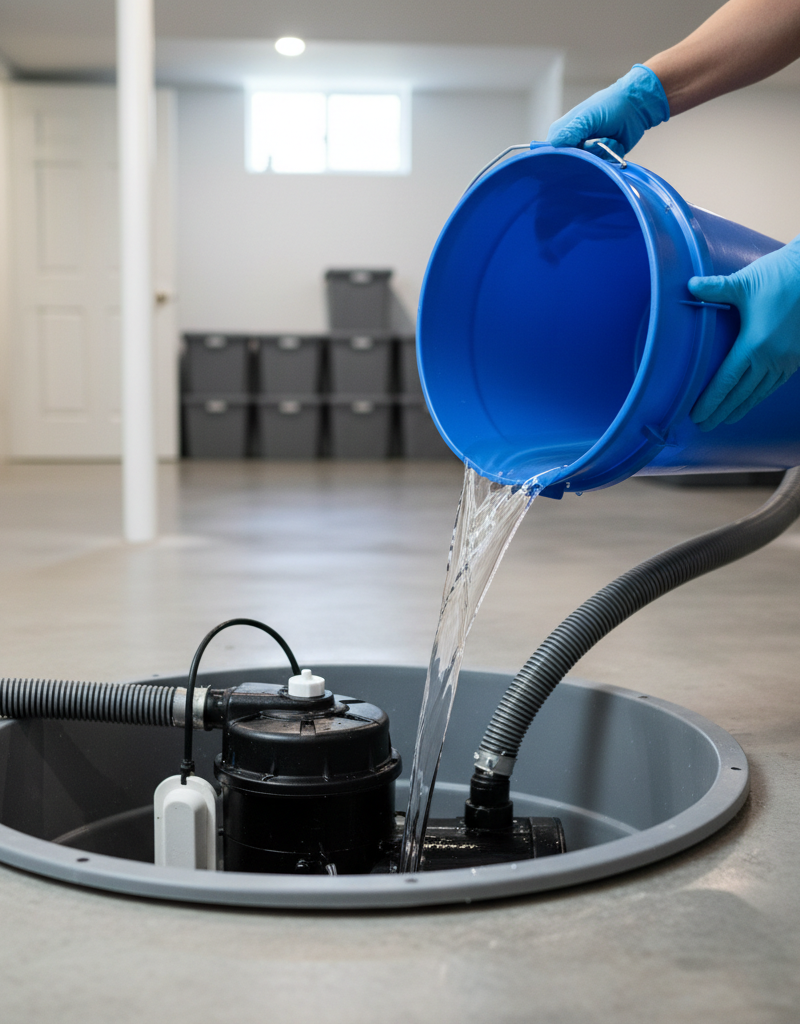
3. The Water Test (Primary Test) — Simulate a flood. Carefully and steadily pour 3 to 5 gallons of water directly into the sump pit. Use a bucket for this, pouring the water in at a moderate pace to simulate rising groundwater. Do not just dump it all in at once.
- Observe the float switch: As the water level rises, watch for the float switch to lift and activate the pump naturally.
- Listen for activation: The pump should hum to life within a few seconds of the float rising.
- Check for discharge: Go outside (or to wherever your discharge line terminates) to confirm that water is actively flowing out of the pipe. The water should exit with good pressure.
- Monitor deactivation: Once the water level in the pit has dropped significantly, the float switch should fall, and the pump should shut off smoothly. A slight gurgle as the check valve closes is normal, but prolonged gurgling could indicate an issue with the check valve.
- If the pump doesn’t activate: Unplug the pump, then plug it back into a different outlet (or a GFCI outlet if available) to rule out a faulty outlet. If it still doesn't work, manually lift the float switch after ensuring your hands are dry and you are not touching any electrical components other than the float itself. If it runs when manually lifted, the float switch itself might be faulty or stuck. If it doesn't run even when manually lifted, the motor might be seized or burned out, or there
Related Articles
Keep troubleshooting with these hand-picked guides from FixlyGuide:
- The 30-Second Sump Pump Test That Prevents Flooding (Most Homeowners Skip It) — Discover how a simple 30-second test can prevent catastrophic basement flooding by ensuring your sump pump is ready for the rainy season.
- The 3-Minute Sump Pump Secret That Prevents Basement Flooding — Discover how to quickly and effectively test your sump pump before the rainy season hits, ensuring your basement stays dry and preventing c…
- The #1 Backsplash Mistake Most DIYers Make (And How to Fix It Before It's Too Late) — Discover the most overlooked mistake in beginner backsplash installations and how to prevent or fix it for a professional-looking finish.
- The 5 Hidden Warning Signs Your Roof Is Failing (Before It's Too Late) — Learn to spot critical roof issues from the ground using binoculars, protecting your home from costly damage and extending your roof's life…
- The 7 Critical Spring Home Tasks Most Homeowners Forget (And Why You Shouldn't) — Don’t just prune bushes; tackle these often-overlooked spring maintenance items to protect your home’s value and prevent costly repairs.
- Did Wind Damage Your Roof? Find Out Before It's Too Late — High winds can inflict serious, yet subtle, damage to your roof. Learn to spot the hidden signs of wind damage from the safety of the groun…
Frequently asked questions
How often should I test my sump pump?+
You should test your sump pump at least every three months, and always before the start of the rainy season or periods of heavy snowmelt. If your basement has a history of flooding or you live in a high water table area, consider monthly checks.
What if my sump pump runs, but no water comes out?+
If your sump pump is running but not discharging water, first check the discharge pipe for clogs (especially at the exterior outlet). The impeller might also be jammed with debris, or the check valve could be installed backward or be faulty. Turn off the pump before inspecting the discharge line or impeller.
Can I test my sump pump with a garden hose?+
Yes, you can use a garden hose to fill the sump pit for testing. However, pour the water in at a moderate rate to simulate natural groundwater rise, rather than blasting it in. Ensure you add enough water (3-5 gallons) to fully activate the float switch.
What is 'short cycling' and why is it bad?+
Short cycling is when your sump pump turns on and off very frequently. This is typically caused by a faulty float switch, an improperly positioned float, a missing or faulty check valve allowing water to flow back, or the discharge pipe ending too close to the pit. Short cycling wears out the pump motor prematurely.
Should I unplug my sump pump during a power outage if I have a battery backup?+
No, if you have a battery backup system, do not unplug your main sump pump during a power outage. The battery backup system is designed to take over automatically when the main power fails. Unplugging the main pump would defeat this purpose.
Discussion
Loading comments…