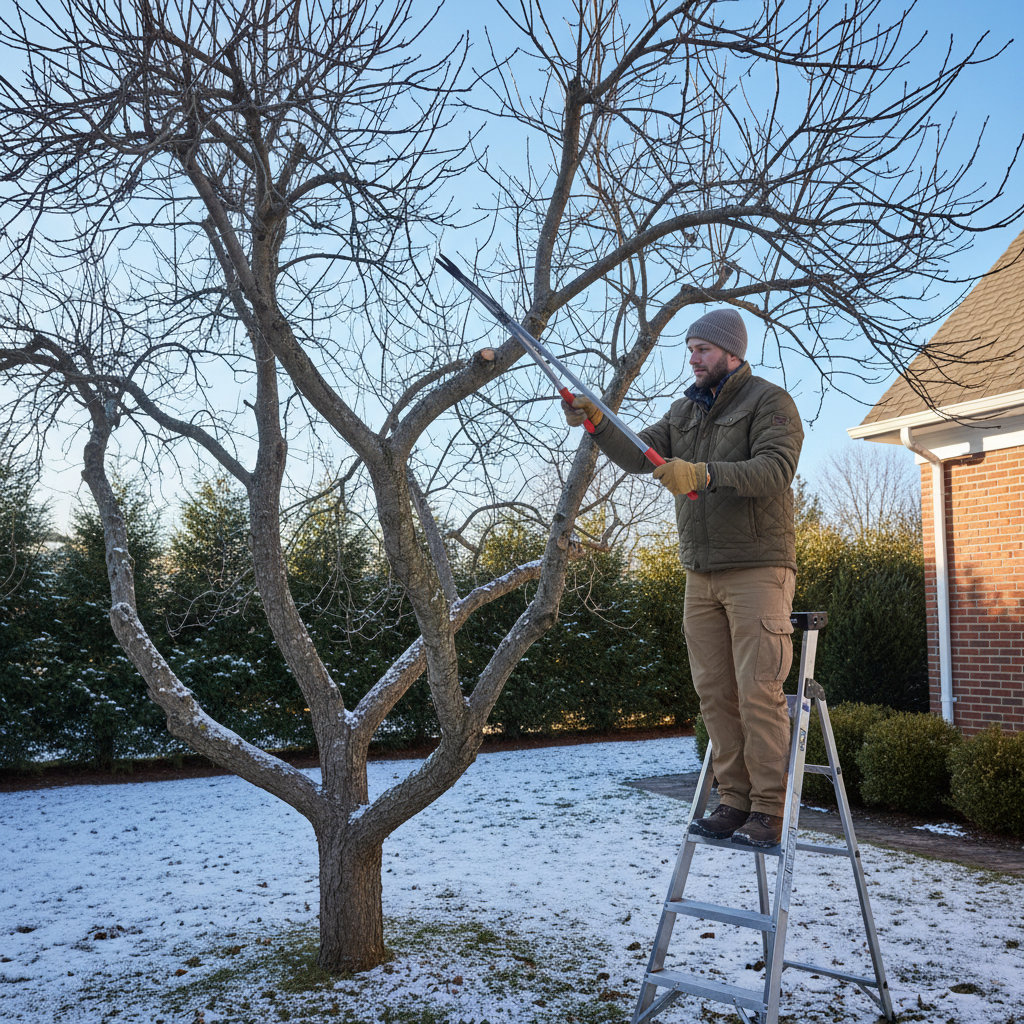
Tools & materials you'll need
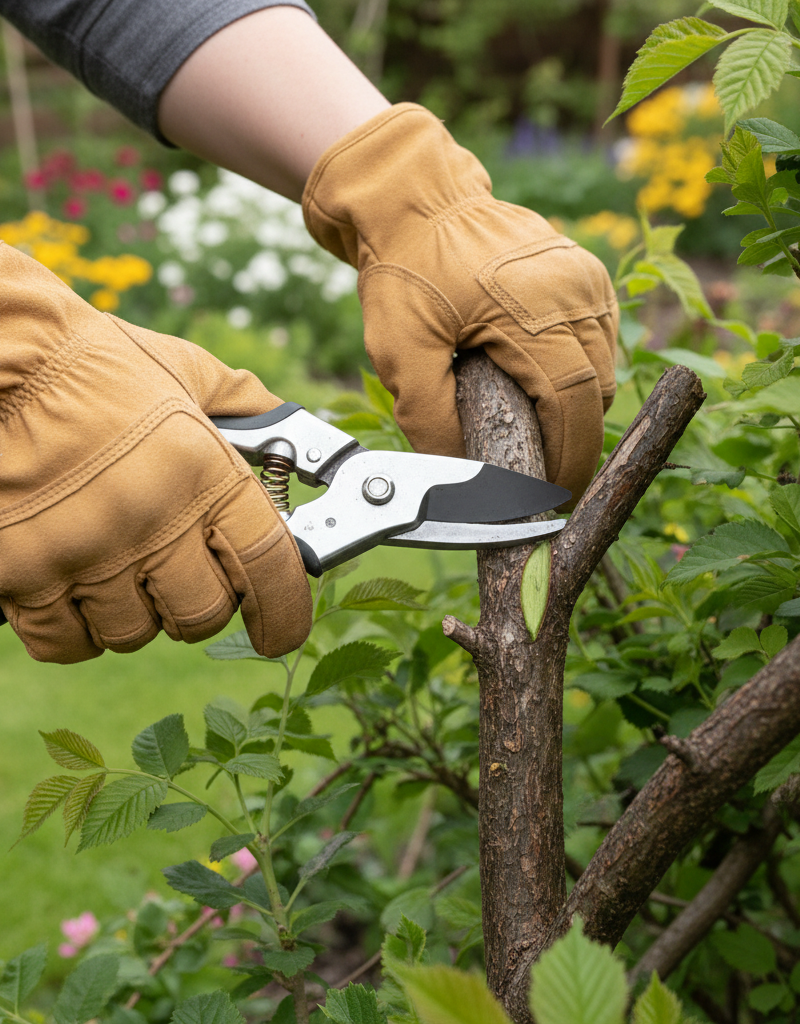
Affiliate links- AmazonBypass PrunersFor branches up to 3/4 inch thick
- AmazonLoppersFor branches up to 1 1/2 inches thick
- AmazonPruning SawFolding or pole saw for branches over 1 1/2 inches
- AmazonSafety Glasses
- AmazonWork GlovesHeavy-duty to protect hands from thorns and splinters
- AmazonLadderIf needed for higher branches; ensure it's stable on level ground and rated for your weight
- AmazonRubbing Alcohol or Bleach SolutionFor sterilizing tools between cuts, especially for diseased branches
As an Amazon Associate FixlyGuide earns from qualifying purchases — at no extra cost to you. Prices and availability are accurate as of publication and subject to change.
Quick Answer
Pruning trees incorrectly or at the wrong time can be far more detrimental than beneficial, leading to weakened growth, increased susceptibility to disease and pests, and even the eventual death of the tree. The most common and damaging mistake homeowners make is pruning their trees during the wrong season. Understanding your tree's specific needs and cycles is crucial, but a general rule of thumb is to prune most deciduous trees during their dormant period, typically from late fall after leaf drop through late winter before bud break. This timing minimizes stress, allows for clearer visibility of the tree's structure without leaves, and promotes vigorous spring growth. However, some trees, particularly those susceptible to specific diseases like oak wilt, require very precise timing, often limited to the coldest winter months.
The Problem
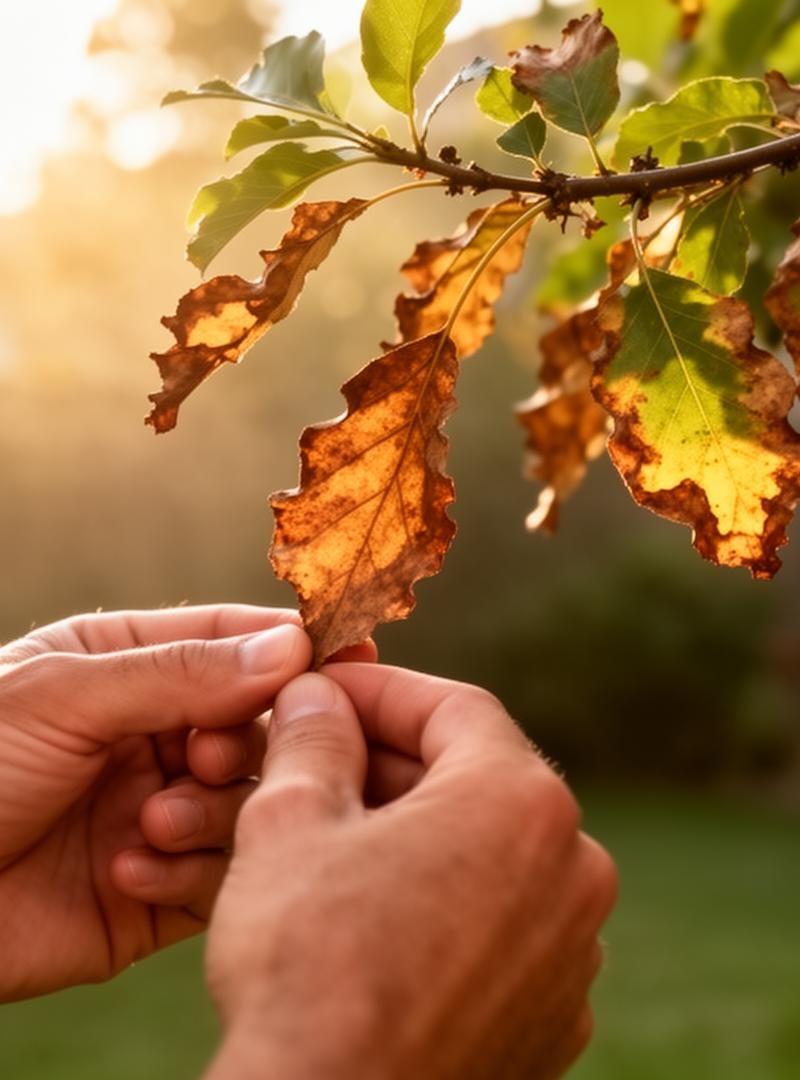
You've noticed some dead branches, crossed limbs, or maybe just want to shape up a tree that's getting a bit unruly. So, you grab your saw and clippers and head out. However, if you're not careful about when you prune, you could be doing more harm than good. Pruning at the wrong time can interrupt a tree's natural growth cycle, cause excessive sap bleed that depletes energy reserves, expose fresh wounds to pests and diseases when they are most active, or even prevent the tree from flowering or bearing fruit in the upcoming season. For example, pruning an oak tree in the spring or summer can expose it to the devastating oak wilt fungus, which is spread by beetles attracted to fresh wounds. Similarly, pruning spring-flowering trees like dogwoods or magnolias after they've set their buds for the next season means you'll lose all their beautiful blooms. The problem, therefore, isn't just how to prune, but when.
How It Works
Trees, like all living organisms, operate on a natural seasonal cycle. Understanding this cycle is key to effective pruning. During the spring and summer, trees are actively growing. Leaves are collecting sunlight through photosynthesis, converting it into sugars that fuel growth, develop new wood, and store energy for future use. Sap flow is at its peak, transporting water and nutrients throughout the tree. Pruning during this active growth period causes the tree to divert significant energy reserves to heal the wounds, which can weaken it. This is also when pests and disease spores are most abundant and mobile, making fresh cuts an open invitation.
As fall arrives, deciduous trees begin to prepare for dormancy. They withdraw nutrients from their leaves, which then change color and drop. Sap flow slows dramatically, and metabolic processes decrease. This dormant period, typically from late fall to late winter, is generally the best time for significant pruning. With no leaves, the tree's complete structure is visible, making it easier to identify problem branches. The tree is not actively growing or expending energy on leaves, so it can better handle the stress of pruning. Furthermore, pest and disease activity is minimal during colder months, reducing the risk of infection. When spring returns, the tree will put its stored energy into healing pruning wounds and producing new growth, leading to a robust flush of foliage and branches.
However, some specific trees deviate from this general rule. For instance, maples and birches are known as
Frequently asked questions
What happens if I prune a tree at the wrong time?+
Pruning at the wrong time can stress the tree, leading to excessive sap bleeding, reduced growth, susceptibility to pests and diseases, and loss of flowers or fruit in the following season.
When is the best time to prune most deciduous trees?+
For most deciduous trees, the dormant season (late fall after leaf drop through late winter before bud break) is ideal. This minimizes stress, allows for clear visibility of the tree's structure, and reduces pest/disease risk.
Can I prune oak trees in the spring?+
No, it is critical to avoid pruning oak trees from April to July in many regions due to the risk of oak wilt spread by beetles. Prune oaks only in the coldest winter months when these beetles are inactive.
When should I prune spring-flowering trees?+
Spring-flowering trees like dogwood, magnolia, or cherry should be pruned immediately after their flowers fade. Pruning before they flower will remove the buds for the current season's blooms.
Is there a bad time to prune dead branches?+
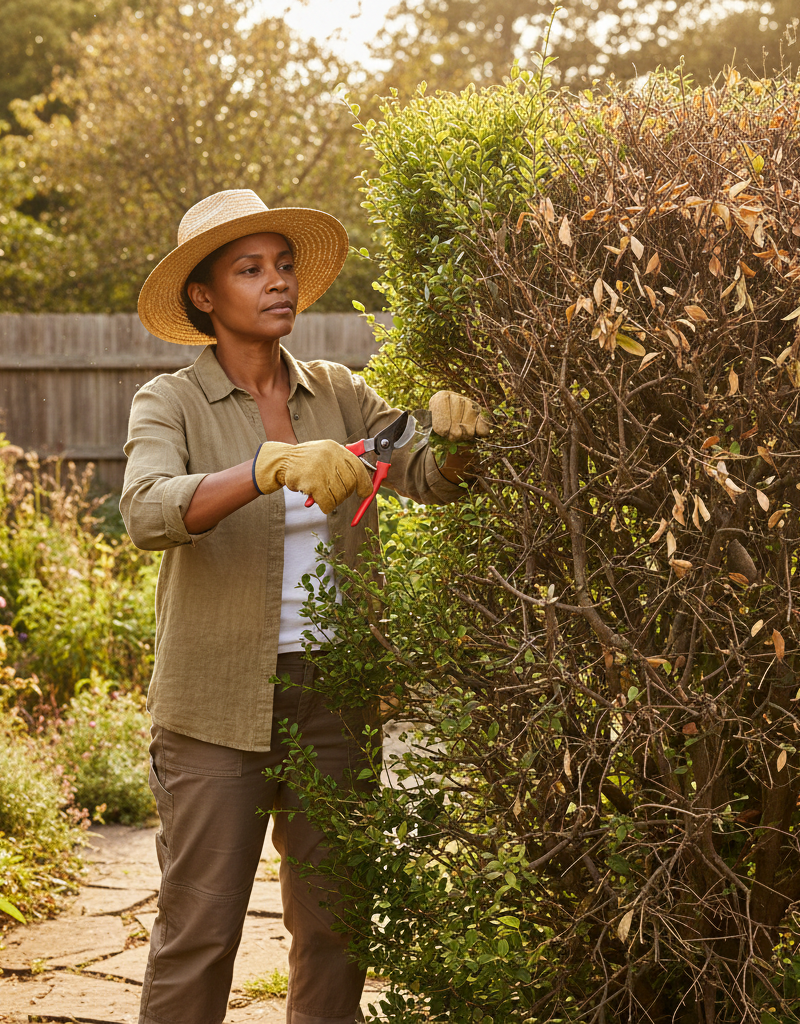
No, dead, diseased, or damaged branches can (and should) be pruned at any time of year. Removing them promptly prevents decay from spreading and improves the tree's overall health and safety.
Discussion
Loading comments…