Tools & materials you'll need
Affiliate links- AmazonWhite Vinegar1 gallon · Use should be limited to specific tasks like descaling.
- AmazonpH-Neutral Cleaner1 spray bottle · For daily cleaning of most countertops and floors.
- AmazonDedicated Stone Cleaner1 spray bottle · Essential for marble, travertine, and sealed granite.
- AmazonHardwood Floor Cleaner1 bottle · Specifically formulated to be safe for polyurethane finishes.
- AmazonAlkaline Grout Cleaner1 bottle · For deep cleaning grout lines without acid damage.
- AmazonMild Dish Soap1 bottle · Can be mixed with water for a simple pH-neutral cleaner.
- AmazonBaking Soda1 box · A mild abrasive and alkaline cleaner for scrubbing.
- AmazonIsopropyl Alcohol (70%)1 bottle · For safely cleaning electronics.
As an Amazon Associate FixlyGuide earns from qualifying purchases — at no extra cost to you. Prices and availability are accurate as of publication and subject to change.
Quick Answer
Vinegar's acidic nature (acetic acid) can permanently damage many household surfaces, including natural stone, unsealed grout, hardwood floors, and rubber seals. It works by breaking down minerals and materials, causing etching, discoloration, and premature wear. For most cleaning tasks, using pH-neutral cleaners, soapy water, or products specifically designed for the surface (like stone cleaners or wood floor cleaners) is a safer and more effective alternative.
The Problem
Walk through any social media cleaning group or DIY blog, and you'll see vinegar touted as the ultimate, all-natural, cure-all cleaner. It's cheap, readily available, and great at cutting through some types of grime. The problem? This advice is overly simplistic and often dangerous to your home's expensive surfaces. Using vinegar as a general-purpose cleaner is a fast track to causing permanent, costly damage.
The internet is filled with horror stories disguised as "hacks." You'll see recommendations to use it on everything from granite countertops to hardwood floors and even inside appliances. Homeowners, believing they are choosing a safe and green option, are inadvertently dulling finishes, eating away at sealants, and corroding delicate components. The damage is often subtle at first—a slight loss of shine on a marble vanity, a weakening of a dishwasher gasket. Over time, this damage becomes significant and irreversible, leading to expensive professional resurfacing, refinishing, or replacement.
How It Works
To understand why vinegar is so destructive, you need to think back to high school chemistry. Vinegar is a diluted solution of acetic acid, typically with a pH between 2.4 and 3.4. On the pH scale, which runs from 0 (most acidic) to 14 (most alkaline or basic), this makes vinegar highly acidic. For reference, neutral water is 7.
This acidity is precisely why it works on some things. It's great for dissolving mineral deposits (like hard water stains on a glass shower door) and soap scum. The acid reacts with the alkaline minerals (calcium carbonate, magnesium carbonate) and breaks them down, allowing them to be wiped away.
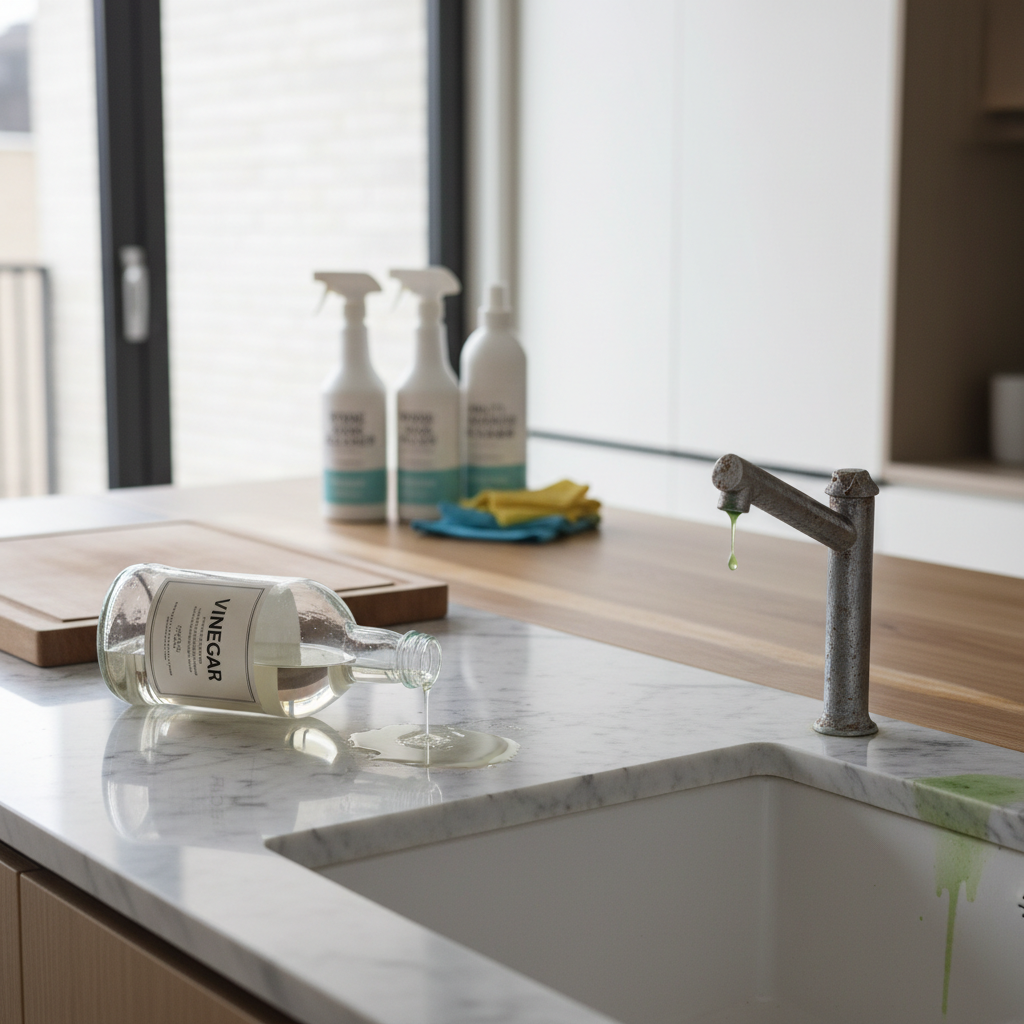
However, this same chemical reaction is devastating to surfaces that contain these very minerals. Natural stones like marble, travertine, limestone, and onyx are all calcite-based. When you wipe them with vinegar, you are essentially dissolving the top layer of the stone itself. This process is called "etching." An etch isn't a stain; it's a physical alteration of the stone's surface, leaving a dull, whitish mark that cannot be wiped away. It looks like a water spot or a ghost stain, and the only way to fix it is by having the stone professionally re-honed and polished.
Similarly, the acid in vinegar can break down the protective sealants on surfaces like sealed grout and hardwood floors. Over time, this strips the finish, leaving the porous material underneath exposed to moisture, stains, and bacteria. With unsealed grout, the acid directly attacks the cementitious material, causing it to become brittle and crumble. For rubber gaskets and seals, like those in your dishwasher or refrigerator, the acid causes them to lose elasticity, dry out, crack, and ultimately fail, leading to leaks.
Step-by-Step Fix
The "fix" for vinegar damage isn't about repairing the surface (which often requires a pro) but about stopping the damage and implementing a safe cleaning routine. This guide will walk you through assessing your surfaces and choosing the right cleaner for the job.
Step 1: Identify Your Surfaces Before you clean with anything, know what you're cleaning. This is the single most important step. Is your countertop really granite, or is it quartz? Is that white stone marble or quartzite? If you don't know, find out. Check purchase records or consult a professional. Marble will fizz if you put a drop of acid (like vinegar or lemon juice) on an inconspicuous spot; granite will not. However, it's best not to perform this test if you can avoid it.
- Acid-Sensitive Surfaces: Marble, limestone, travertine, onyx, terrazzo, concrete (unsealed), unsealed grout, hardwood floors, chrome plating (can be stripped).
- Acid-Resistant Surfaces: Granite (most types are resistant, but sealants can be stripped), ceramic and porcelain tile, laminate countertops, stainless steel, glass.
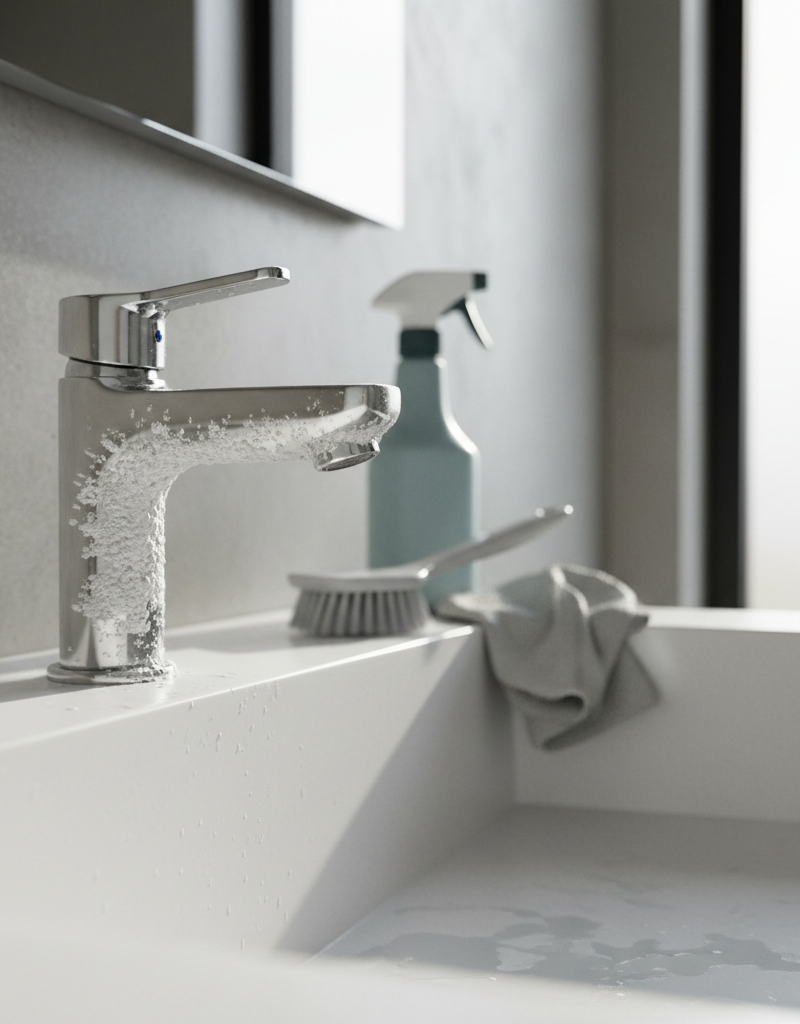
Step 2: Dispose of Your All-Purpose Vinegar Solution Take the spray bottle of diluted vinegar and water and stop thinking of it as a multi-purpose cleaner. Reserve pure white vinegar only for specific, targeted tasks where its acidity is a benefit, not a liability. These include: descaling a coffee maker (following manufacturer instructions), cleaning glass shower doors with heavy mineral buildup, or using it in laundry as a fabric softener (it is rinsed out).
Step 3: Choose a pH-Neutral Cleaner for Daily Use For 90% of your daily cleaning on counters, floors, and general wipe-downs, a pH-neutral cleaner is your safest bet. You can buy a concentrated pH-neutral cleaner or look for pre-mixed solutions. A simple solution of a few drops of dish soap (like Dawn) in a spray bottle of warm water is also effectively pH-neutral and excellent for cutting through grease and grime on most surfaces.
Step 4: Select a Dedicated Stone Cleaner If you have natural stone countertops, vanities, or floors (marble, granite, travertine, etc.), invest in a dedicated stone cleaner. These are formulated to be pH-neutral and will not damage the stone or its sealant. They are readily available at home improvement stores. Use this for all routine cleaning of your stone surfaces.
Step 5: Use Proper Wood Floor Cleaners Never use vinegar on hardwood floors. It can strip the polyurethane finish, leaving the wood dull and vulnerable to water damage. Use a cleaner specifically formulated for sealed hardwood floors. These are typically pH-neutral and leave no residue. Bona and Swiffer WetJet Wood are common, effective brands.
Step 6: Address Grout with Alkaline Cleaners For dirty grout, skip the acid. Instead, use an alkaline cleaner. These are on the opposite end of the pH spectrum and are effective at breaking down organic stains, grease, and soap scum. A paste of baking soda and water is a mild alkaline cleaner. For tougher stains, look for dedicated grout cleaners or heavy-duty alkaline degreasers. Always test in an inconspicuous spot first and rinse thoroughly.
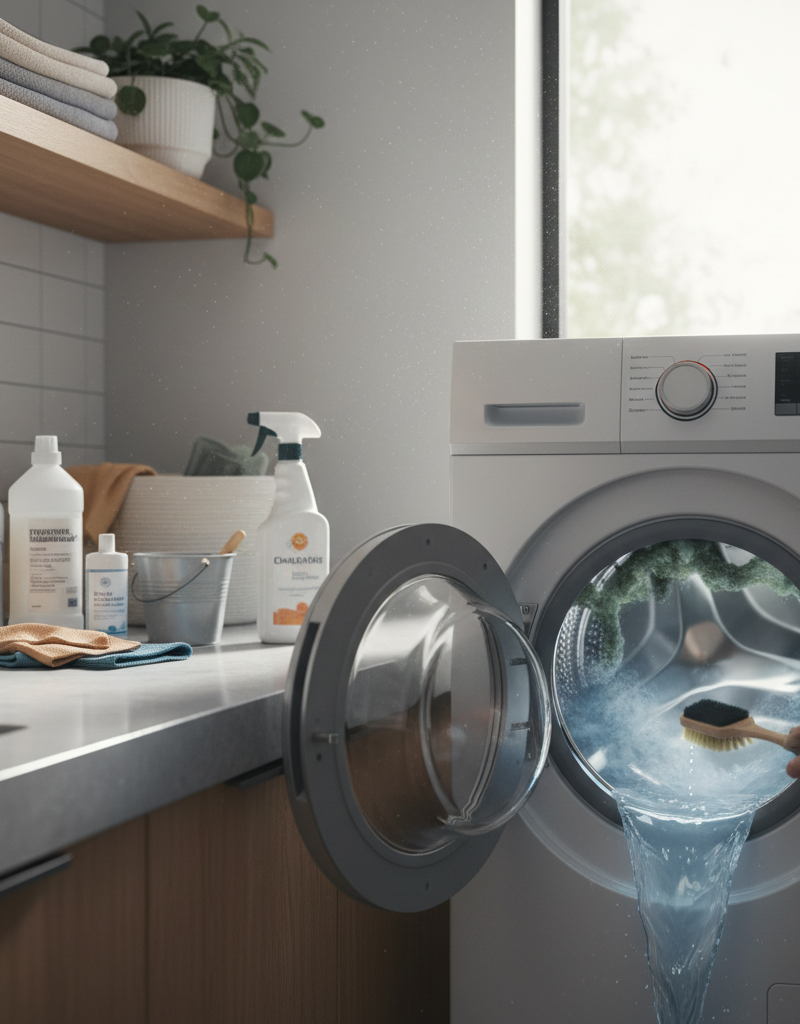
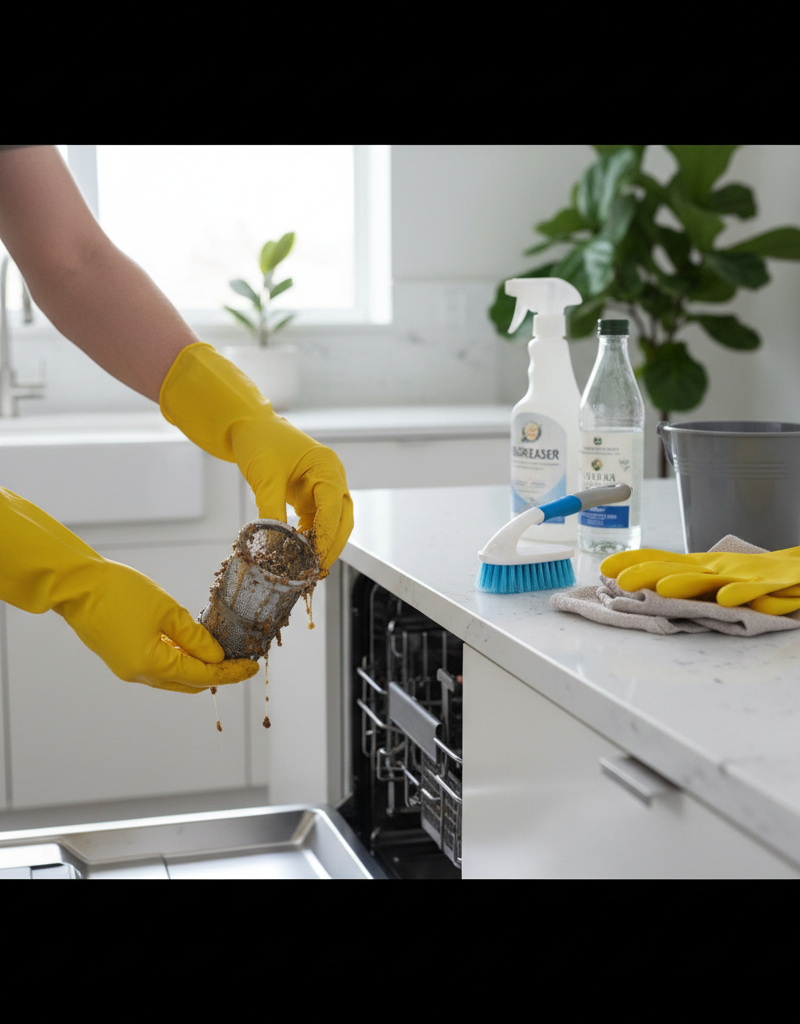
Step 7: Clean Appliances with Care While vinegar is often recommended for cleaning dishwashers and washing machines, it can damage rubber seals and hoses. A better alternative is a dedicated appliance cleaning tablet (like Affresh) or a cycle with citric acid, which is still acidic but generally considered safer for these components when used as directed.
Step 8: Clean Electronics with Isopropyl Alcohol Routinely wiping screens or electronic casings with vinegar is a bad idea as it can damage anti-glare coatings and certain plastics. A solution of 70% isopropyl alcohol and distilled water (50/50 mix) is a much safer and more effective disinfectant and cleaner for electronics. Apply it to a microfiber cloth, not directly to the device.
Common Causes
The root cause of vinegar damage is misinformation. It's the spread of "one-size-fits-all" cleaning advice that fails to account for the chemistry of modern materials.
- "Green Washing" Appeal: Vinegar is perceived as natural and non-toxic, leading people to believe it must be gentle. While it's natural, its acidic nature is anything but gentle on many materials.
- Frugality: A gallon of vinegar costs a few dollars, making it an attractive alternative to more expensive specialty cleaners.
- Confirmation Bias: A person might use vinegar on a surface once or twice without seeing immediate, obvious damage, leading them to believe it's safe and to recommend it to others.
- Misidentification of Surfaces: Many homeowners genuinely don't know the difference between porous, acid-sensitive marble and more durable, acid-resistant quartz or granite. They follow advice for "stone" without realizing the term covers a vast range of materials with different chemical compositions.
Common Mistakes
- Using Vinegar on Natural Stone: The number one mistake. This includes marble, limestone, and travertine. It causes permanent etching.
- Cleaning Hardwood Floors with Vinegar: This strips the finish, leading to dullness and exposing the raw wood to potential water damage.
- Wiping Down Rubber Gaskets: Regularly using vinegar to clean refrigerator or dishwasher door seals will cause them to become brittle and crack, leading to energy loss and leaks.
- Mixing Vinegar with Bleach: This is an extremely dangerous mistake that creates toxic chlorine gas. These two cleaners should never, ever be mixed.
- Mixing Vinegar with Hydrogen Peroxide: Creates corrosive peracetic acid, which is highly irritating to skin, eyes, and the respiratory system.
- Using Vinegar on Unsealed Grout: The acid eats away at the grout, causing it to weaken, become porous, and eventually crumble.
Cost & Time Breakdown
This table breaks down the cost of using the wrong cleaner (vinegar) versus the right ones. The "cost" of using vinegar is the potential cost of professional repair.
| Item / Task | Incorrect Method (Vinegar) Cost | Correct Method Cost | Time Comparison | Notes |
|---|---|---|---|---|
| Daily Countertop Cleaning | $400 - $1,500+ (to repair etch) | ~$10-20 / bottle (pH-neutral spray) | Same | Etch repair is a professional job requiring special tools. |
| Hardwood Floor Cleaning | $2 - $4 per sq. ft. (to refinish) | ~$15-25 / bottle (wood cleaner) | Same | Refinishing a 300 sq. ft. room can cost over $1,000. |
| Grout Cleaning | $300 - $800+ (to re-grout) | ~$8-15 / bottle (grout cleaner) | Same | Vinegar weakens grout over time, leading to replacement. |
| Appliance Cleaning | $150 - $400 (to replace seals/hoses) | ~$10-15 / box (appliance tabs) | Same | Appliance repair service calls start around $150. |
| Glass & Hard Water Stains | ~$3 / gallon (works effectively here) | ~$3 / gallon | Same | This is one of the few appropriate uses for vinegar. |
Tips & Prevention
- When in Doubt, Use Soap and Water: A few drops of plain dish soap in warm water is safe for almost any sealed, non-porous surface. It's an excellent degreaser and general cleaner.
- Read the Manual: Your appliance, flooring, or countertop manufacturer provides the best cleaning instructions. Follow their recommendations to protect your warranty and your investment.
- Invest in Microfiber Cloths: High-quality microfiber cloths are excellent at picking up dust, dirt, and bacteria with minimal water or cleaning solution needed. They reduce the need for harsh chemicals.
- Test in a Hidden Spot: Before using any new cleaner on a large, visible area, test it in an inconspicuous spot first—under a counter overhang, in a closet, or behind an appliance.
- Deal with Spills Immediately: Spills from acidic foods and drinks (wine, coffee, tomato sauce, fruit juice) can also etch sensitive surfaces. Blot them up immediately with a damp cloth.
- Keep a "Safe Cleaners" Caddy: Assemble a small bucket with your go-to safe cleaners: pH-neutral spray, dedicated stone cleaner, glass cleaner, and microfiber cloths. This makes it easy to grab the right product for the job.
When to Call a Professional
If you've already caused damage with vinegar, a DIY fix is often not possible. Call a professional for any of the following issues:
- Etching on Natural Stone: If you see dull, whitish marks on your marble, limestone, or travertine that don't wipe away, you have acid etching. This requires a professional stone restoration specialist to re-hone and re-polish the surface. This is not a DIY job; attempting to fix it yourself with store-bought polishes can make the damage worse and more widespread.
- Dull or Damaged Hardwood Finish: If your hardwood floors have lost their sheen or show signs of wear due to harsh cleaning, you may need a professional floor refinisher. They can assess whether the floor needs a simple "screen and recoat" to restore the top layer of polyurethane or a complete sanding and refinishing.
- Crumbling Grout: If your grout is brittle, cracking, or falling out, it needs to be removed and replaced. This is a job for a tile and grout contractor to ensure the new grout is installed correctly and sealed properly to prevent future damage.
- Leaking Appliances: If you suspect a dishwasher or washing machine is leaking due to a failed seal, call an appliance repair technician immediately to diagnose the problem and replace the faulty part to prevent water damage to your home.
Related Articles
Keep troubleshooting with these hand-picked guides from FixlyGuide:
- The #1 Mistake Homeowners Make When Diagnosing Low Water Pressure (and What to Check First) — Before you call a plumber, learn the most common overlooked cause of low water pressure affecting your entire home and how to easily check…
- One Shower, No Hot Water? The Hidden Mixing Valve Trick Plumbers Use — Discover why only one shower in your home might lack hot water and the simple internal fix for a common mixing valve issue, saving you a pl…
- The 3 Hidden Soffit & Fascia Flaws Costing You Thousands — Learn to identify common signs of soffit and fascia damage, perform basic repairs, and implement preventative measures to protect your home…
- That melting ice could cost you $20,000 in water damage — Safely removing ice dams protects your roof and prevents costly water damage to your home.
- The 7 Critical Home Inspection Mistakes Most Homeowners Make (and How to Spot Them) — Discover the crucial home inspection mistakes homeowners commonly overlook and learn how to identify potential problems before they become…
- The Invisible War Beneath Your Sidewalk: 3 Ways Tree Roots Cause Havoc — Discover how tree roots cause sidewalk damage and learn actionable DIY and professional solutions to restore safety and appearance.
Frequently asked questions
Is it ever safe to use vinegar for cleaning?+
Yes, but in very specific, limited applications. Vinegar is effective for dissolving hard water mineral deposits and soap scum. It can be used to descale a coffee maker (follow manufacturer instructions), clean glass shower doors, or as a rinse aid in laundry. It should not be used as a general, all-purpose surface cleaner.
Can I use vinegar on my granite countertops?+
It is not recommended. While granite itself is more resistant to acid than marble, vinegar can strip the protective sealant on the granite. This leaves the stone vulnerable to stains. It's much safer to use a pH-neutral cleaner or a dedicated stone cleaner.
What is a good pH-neutral cleaner I can make at home?+
A simple and effective pH-neutral cleaning solution can be made by adding a few drops of a mild dish soap (like Dawn) to a spray bottle filled with warm water. This solution is great for cutting grease and is safe for most sealed surfaces.
How can I fix etch marks from vinegar on my marble table?+
Unfortunately, etch marks are physical damage to the stone's surface and cannot be 'cleaned' away. Fixing them requires a professional stone restoration specialist. They use a process of honing with diamond abrasives and re-polishing to restore the finish. This is not a DIY-friendly repair.
Is baking soda a good alternative to vinegar?+
For some tasks, yes. Baking soda is alkaline, not acidic, so it's safer for surfaces like unsealed grout. A paste of baking soda and water is effective for scrubbing and deodorizing. However, it is a mild abrasive, so you should use caution on delicate surfaces that could scratch.
Discussion
Loading comments…