Tools & materials you'll need
Affiliate linksAs an Amazon Associate FixlyGuide earns from qualifying purchases — at no extra cost to you. Prices and availability are accurate as of publication and subject to change.
Quick Answer
Tree roots lifting a sidewalk create dangerous tripping hazards and can lead to extensive damage to your property. The best approach depends on the severity of the uplift, the size and importance of the tree, and local regulations. For minor lifts, specialized root pruning or grinding can be effective, alongside sidewalk leveling or repair. For significant damage or large, protected trees, professional consultation is crucial to explore options like root barriers, alternative path construction, or even careful tree removal as a last resort, always aiming to preserve the tree when possible while ensuring pedestrian safety.
The Problem
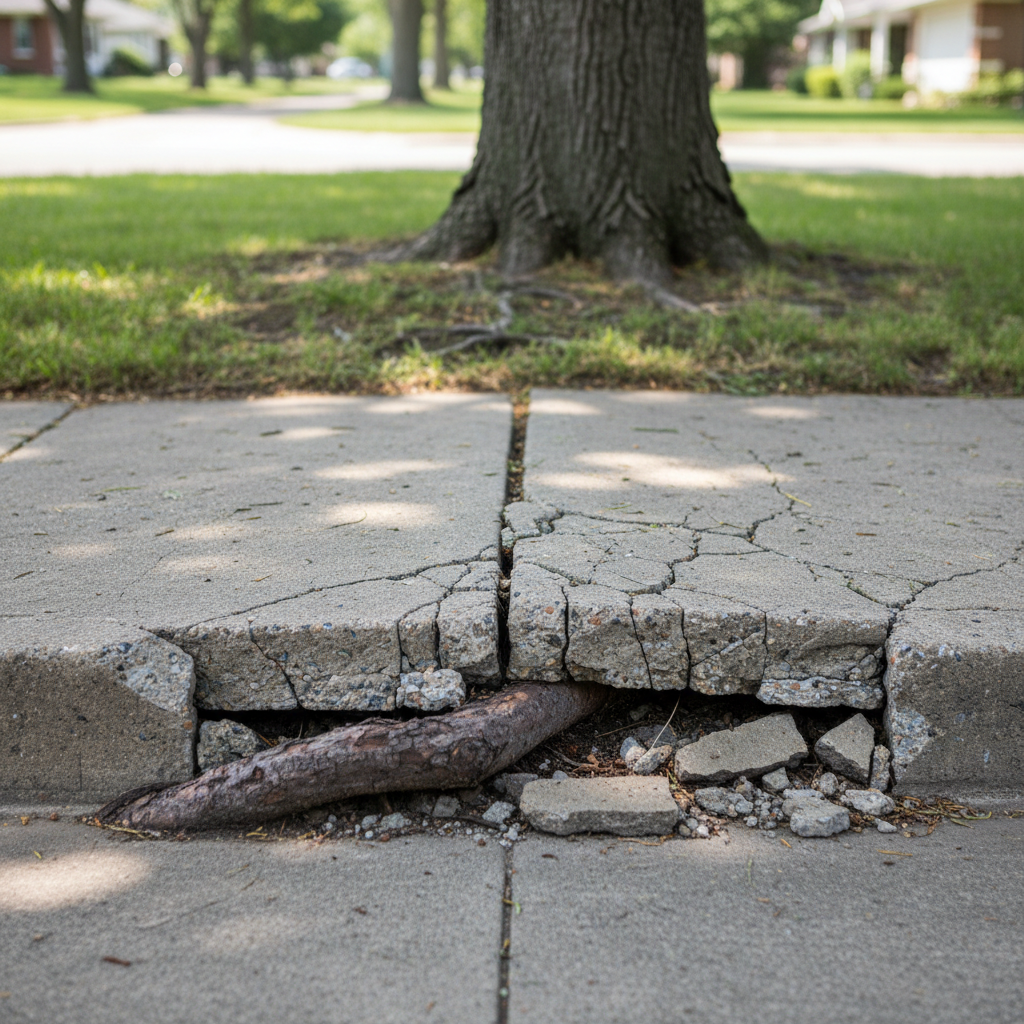
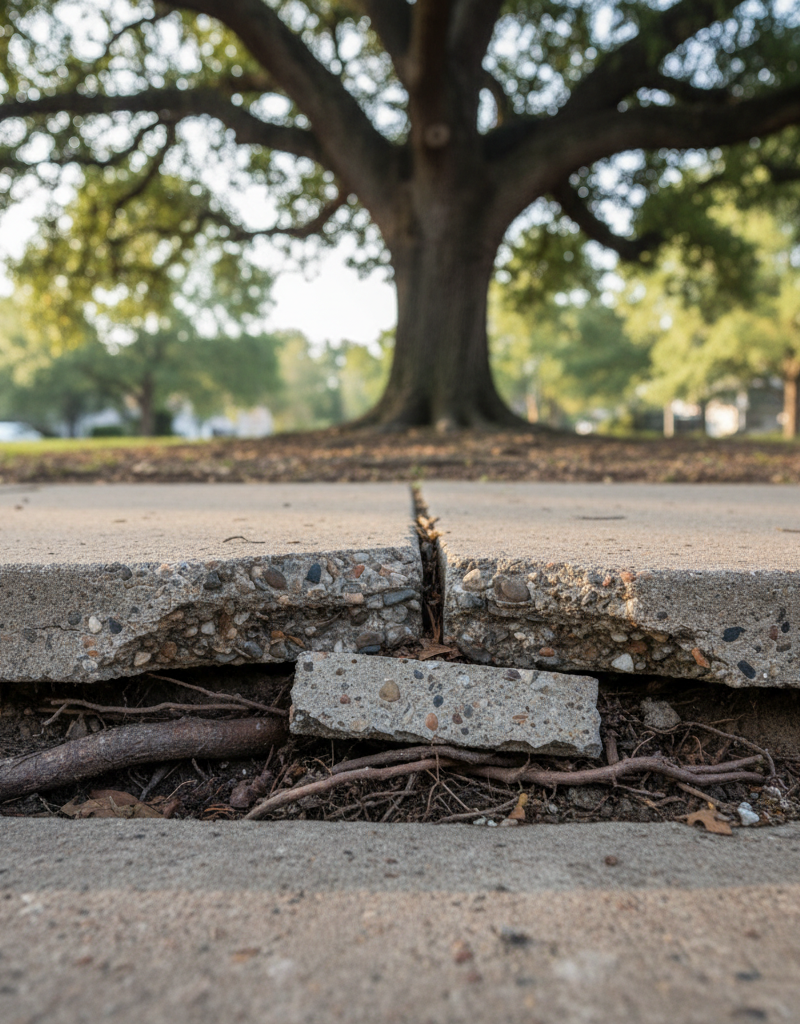
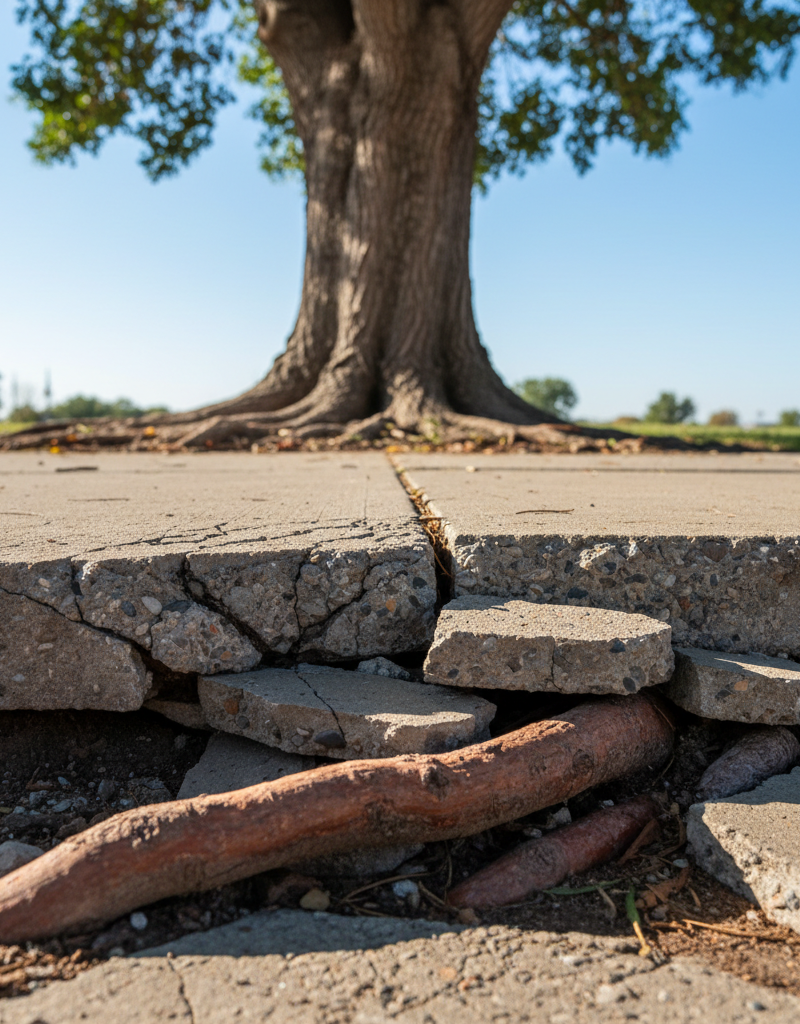
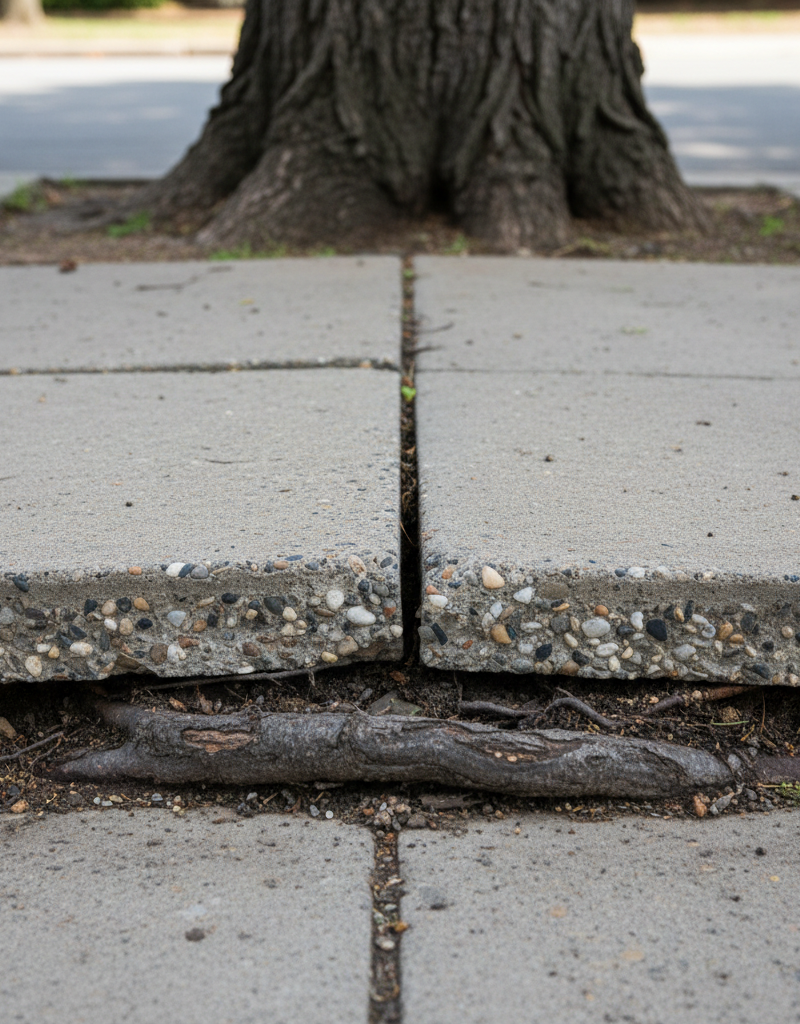
That perfectly level sidewalk you once had is now a series of undulations, cracks, and raised slabs, all thanks to the unrelenting force of nature's underground network: tree roots. This isn't just an aesthetic nuisance; it's a significant safety hazard, a potential liability, and a source of frustration for many homeowners. When tree roots, particularly those from mature, fast-growing species or those planted too close to impervious surfaces, encounter the robust barrier of a sidewalk, they don't stop. They seek moisture and nutrients, and as they grow in diameter, they exert immense pressure. This pressure can heave and crack concrete slabs, disrupt pavers, and even compromise nearby foundations or plumbing. The problem is insidious, often developing slowly over years until the damage is undeniable and the tripping risk undeniable. Understanding why this happens and how to address it effectively is key to reclaiming your sidewalk and maintaining the health of your trees.
How It Works
Trees are complex living organisms, and their root systems are far more extensive and powerful than many realize. While a tree's canopy might be impressive, its root system can spread two to three times the width of the canopy, often much wider. The primary functions of roots are anchorage, absorption of water and nutrients, and storage of energy. As roots grow, they naturally expand in diameter, pushing outward and downward. Soil compaction, drought, and lack of available nutrients can all influence root growth patterns, sometimes forcing roots closer to the surface in search of oxygen and moisture.
When a tree is planted near a sidewalk, a driveway, or a foundation, its roots encounter resistance. Concrete, asphalt, and pavers are rigid but not impenetrable. As a root grows and thickens, it exerts a surprising amount of force – hundreds, even thousands, of pounds per square inch. This pressure, applied over time, will inevitably uplift and fracture the sidewalk slabs above it. Furthermore, the constant expansion and contraction of the root system with temperature and moisture fluctuations can exacerbate the problem, leading to further cracking and displacement of the concrete. Mature trees with extensive root systems, such as maples, oaks, and sycamores, are often the culprits, but even smaller, inadequately placed trees can cause issues over decades. The depth of the underlying soil, drainage, and even the type of sidewalk construction also play a role in how readily roots can cause damage.
Step-by-Step Fix
Addressing tree roots lifting a sidewalk requires a careful, multi-pronged approach. Always ensure you understand local regulations regarding tree pruning and sidewalk repairs, especially if the tree is on public property or in a shared easement.
-
Assess the Damage and Identify the Culprit — Determine the extent of uplift and the responsible root.
- Tools: Measuring tape, level, spray paint or chalk.
- Use a level to measure the height difference between adjacent slabs. Small lifts (under 1-2 inches) might be good candidates for DIY fixes. More significant lifts (over 2 inches) generally require professional intervention.
- Carefully expose the soil around the lifted area to identify the specific root causing the problem. Note its size and proximity to the tree trunk.
- Safety Note: Always wear gloves and eye protection when working with soil and tools.
-
Determine Tree Health and Species — Understand the tree's vitality and identify its type.
- Observe the tree's canopy for signs of stress (discolored leaves, dead branches). A healthy tree is more likely to recover from minor root pruning.
- Identify the tree species if possible. Some species are more prone to sidewalk damage and may respond differently to root interventions.
- If this doesn't work: If the tree appears unhealthy, major root pruning could further compromise it. Consult an arborist for a professional assessment before proceeding.
-
Consider Minor Root Pruning (for small roots only!) — Carefully remove small, non-essential roots.
- Tools: Shovel, hand saw or loppers (for roots under 2 inches in diameter), root pruning saw (optional), tarp.
- Gently excavate the soil around the offending root. Expose it fully.
- For roots less than 2 inches in diameter and at least 3-5 times the trunk diameter away from the trunk, you might be able to prune them. Cut cleanly with sharp tools. Avoid jagged cuts, which can invite disease.
- Cut the root back to a lateral branch or where it dips away from the sidewalk. Do not cut large, structural roots (those over 2 inches in diameter or close to the trunk) as this can destabilize the tree or kill it.
- Pro Callout: Never prune more than 25% of a tree's root system in a single growing season. For roots larger than 2 inches or close to the tree, call a certified arborist.
-
Sidewalk Leveling with Polyurethane Foam — A non-invasive method for slightly lifted slabs.
- Tools: This is primarily a professional service, but homeowners can purchase DIY kits for very small repairs.
- Professionals drill small holes (typically 5/8-inch) through the concrete slab.
- They inject high-density polyurethane foam beneath the slab. As the foam expands, it lifts and levels the concrete.
- This method is faster and less disruptive than replacement but only works if the slab itself is structurally sound and the root causing the lift is not actively growing or has been managed.
- Cost: $300-$800 per slab for professional service; DIY kits are significantly less but require careful application.
-
Sectional Sidewalk Replacement — Replacing damaged sections after root management.
- Tools: Sledgehammer, pry bar, shovel, wheelbarrow, concrete mixer (or ready-mix concrete bags), forms, rebar/mesh, trowels, safety glasses, gloves, dust mask.
- After the offending root has been pruned (if appropriate for the tree) or removed, carefully break up and remove the damaged concrete sections.
- Prepare the sub-grade by ensuring it's level and compacted. Consider installing a root barrier (see step 7) before pouring new concrete.
- Set up new forms, pour and finish new concrete sections, ensuring proper expansion joints.
- Safety Note: Concrete work is physically demanding and involves heavy materials. Always use proper lifting techniques and wear appropriate PPE.
-
Install a Root Barrier (after root pruning/removal) — A physical deterrent to future root growth.
- Tools: Shovel, trenching tool, utility knife, heavy-duty root barrier material (e.g., 60-mil HDPE).
- After removing the problem root(s) and damaged sidewalk, dig a trench parallel to the sidewalk, extending at least 24-36 inches deep and 6-12 inches away from the existing or new sidewalk edge.
- Place the root barrier vertically in the trench, ensuring it extends above the soil line by an inch or two to prevent roots from growing over it. Backfill the trench.
- Ensure the barrier extends far enough to each side of the affected area to effectively redirect root growth.
- Pro Callout: Proper installation is crucial for effectiveness. Consult a landscape architect or arborist for barrier placement to ensure it doesn't negatively impact the tree's stability or health.
-
Consider Alternative Path Materials — Using flexible materials to accommodate roots.
- If repeated root issues are likely, or if the tree is too valuable to prune extensively, consider replacing concrete with root-friendly materials.
- Options: Permeable pavers, gravel paths, or rubber sidewalks. These materials can flex and allow roots to grow beneath without causing significant surface damage.
- These alternatives often require specific sub-base preparation to ensure stability and drainage.
-
Re-route the Sidewalk — A more drastic but permanent solution for severe cases.
- If the tree is particularly large, historic, or located in a critical area, and root encroachment is severe, consider relocating the sidewalk itself.
- This involves redesigning the pedestrian path to curve around the tree's critical root zone, completely avoiding future conflict.
- This is a significant undertaking, often requiring professional landscape design and permitting.
Common Causes
- Improper Tree Selection: Planting large, fast-growing tree species with aggressive root systems (e.g., silver maples, fast-growing oaks, sycamores) too close to sidewalks or foundations.
- Poor Placement: Trees planted too close to existing sidewalks, leaving insufficient space for root expansion without encountering the hardscape.
- Lack of Root Barriers: Absence of barriers during initial planting or construction, allowing roots to grow unimpeded towards hard surfaces.
- Soil Compaction & Drought: Roots growing closer to the surface in search of oxygen and moisture in compacted or dry soils.
- Shallow Soil Beds: Insufficient soil depth forcing roots to spread horizontally closer to the surface.
- Aging Trees: Older, established trees naturally have larger, more robust root systems that exert greater force over time.
Common Mistakes
- Aggressive Root Pruning: Cutting large structural roots can severely destabilize a tree, make it prone to disease, or even kill it. Never prune more than 25% of the root system, and avoid roots larger than 2 inches in diameter.
- Ignoring the Problem: Allowing a small lift to escalate into a major tripping hazard, leading to potential injuries and higher repair costs down the line.
- Using Herbicide on Roots: Applying chemicals directly to exposed roots can damage or kill the entire tree, especially if the tree is mature or susceptible.
- Not Addressing the Root Cause: Simply repairing the sidewalk without addressing the offending root(s) or installing a barrier means the problem will almost certainly recur.
- Improper Sidewalk Repair: Pouring new concrete directly over problem roots without protection or proper sub-grade preparation, leading to quick re-damage.
- Lack of Professional Consultation: Attempting major root removal or tree modification without consulting a certified arborist, risking tree health and personal safety.
Cost & Time Breakdown
| Task | DIY cost | Pro cost | Time |
|---|---|---|---|
| Minor Root Pruning (small) | $0–$50 | $100–$300+ | 30 mins–1 hour |
| Sidewalk Leveling (Foam) | $50–$200 (kit) | $300–$800 per slab | 1–3 hours |
| Sectional Sidewalk Replacement | $100–$300+ | $500–$1,000+ per section | 1–2 days |
| Root Barrier Installation | $50–$200 (mat) | $300–$700+ per linear ft | 4–8 hours |
| Arborist Consultation | N/A | $150–$300 | 1–2 hours |
| Tree Removal (extreme cases) | N/A | $500–$2,000+ | 1 day |
Tips & Prevention
- Proper Tree Selection: When planting new trees, choose species with less aggressive root systems or those more tolerant of urban environments. Research a tree's mature size and root spread before planting.
- Strategic Planting: Plant trees at appropriate distances from sidewalks, driveways, and foundations. A general rule of thumb is at least 5-10 feet for medium-sized trees and 10-20 feet for large trees, but always consult species-specific recommendations.
- Install Root Barriers Early: If planting near hardscapes, consider installing a root barrier at the time of planting to guide roots downward and prevent surface growth.
- Adequate Watering: Ensure trees receive sufficient water, especially during dry periods. This encourages roots to grow deeper, reducing their tendency to seek surface moisture.
- Mulch Rings: Apply a generous layer of mulch (2-4 inches deep) around the tree's base, keeping it a few inches from the trunk. Mulch helps retain soil moisture, regulate temperature, and provides a healthier root environment, discouraging surface roots.
- Regular Inspection: Periodically inspect your sidewalks and hardscapes for early signs of root uplift. Addressing small issues early can prevent major problems.
When to Call a Professional
You should call a certified arborist or a licensed concrete contractor if the sidewalk uplift is significant (over 2 inches), if the tree is large, mature, or a protected species, or if you are unsure about the extent of root pruning needed. An arborist can assess the tree's health and recommend solutions that preserve the tree while mitigating sidewalk damage, potentially including directional root pruning or advanced root barrier techniques. If the damage is extensive and requires demolition and repouring, a reputable concrete contractor will ensure the new sidewalk meets local codes, is properly installed, and incorporates any necessary root protection measures. Never attempt to remove large roots close to a tree's trunk yourself, as this can severely compromise the tree's stability and pose a significant safety risk.
Frequently asked questions
How much does it cost to fix a sidewalk lifted by tree roots?+
The cost varies significantly depending on the repair method and severity. Minor DIY root pruning might cost $0-$50. Professional sidewalk leveling with foam can be $300-$800 per slab. Sectional replacement might be $500-$1,000+ per section. Large-scale solutions like root barriers or tree removal can range from hundreds to thousands of dollars. An arborist consultation typically costs $150-$300.
Can I cut tree roots that are lifting my sidewalk?+
You can carefully prune small, non-essential roots (under 2 inches in diameter) that are at least 3-5 times the trunk diameter away from the tree. Never cut large structural roots or more than 25% of the tree's root system, as this can severely damage or kill the tree. For larger roots or if unsure, always consult a certified arborist.
What is a root barrier and how does it work?+
A root barrier is a physical underground wall, typically made of high-density plastic, installed vertically in a trench to deflect tree roots away from sidewalks, foundations, or other structures. It guides roots downward and laterally, preventing them from growing upwards and causing surface damage. Proper placement and depth are crucial for its effectiveness and the tree's health.
Discussion
Loading comments…