Tools & materials you'll need
Affiliate linksAs an Amazon Associate FixlyGuide earns from qualifying purchases — at no extra cost to you. Prices and availability are accurate as of publication and subject to change.
Quick Answer
Your hardwood floors are squeaking because of movement and friction. As wood expands and contracts with humidity changes, small gaps form, allowing boards to rub against each other, the subfloor, or the nails holding them down. The most effective, permanent fix is to use a specialized counter-snap screw kit that pulls the flooring, subfloor, and joist tightly together and then breaks off below the surface, leaving a virtually invisible repair.
The Problem
It’s a sound every homeowner knows: the tell-tale creeeak of a loose floorboard. It might be a single spot in a high-traffic hallway that everyone in the family subconsciously learns to avoid. It might be a symphony of pops and groans that announces your late-night trip to the kitchen. While a minor squeak in an old house can feel charming, a persistent or worsening squeak in your hardwood floors is often a frustrating annoyance that disrupts the peace and quiet of your home. It’s more than just a sound; it’s a symptom. That noise is the audible evidence of movement—components of your floor system shifting and rubbing together under your weight. Ignoring it not only means continued irritation but can also allow a minor issue to potentially evolve into a more significant problem. The good news is that for the vast majority of cases, you can permanently silence those squeaky hardwood floors yourself with a modern, clever solution that goes far beyond the failed remedies of the past.
How It Works
To understand the fix, you must first understand the physics of the problem. Hardwood floors are not a single, static surface. They are a dynamic system of interconnected parts: the visible hardwood planks, a layer of subfloor (typically plywood or OSB), and the structural floor joists that support everything. The primary culprit behind most squeaky hardwood floors is friction caused by unwanted movement between these parts.
Wood is a hygroscopic material, meaning it naturally absorbs and releases moisture from the air to stay in equilibrium with its environment. In the humid summer months, wood expands. In the dry winter months, it contracts. This seasonal cycle of expansion and contraction is the root cause of many squeaks. As the wood swells and shrinks, tiny gaps can open up between the floorboards or between the floorboards and the subfloor below. When you step on a board, it moves down to bridge that gap, rubbing against a neighboring board or the nail shank holding it in place. This rubbing is the squeak you hear.
There are three primary points of friction:
- Board-on-Board: The tongue and groove edges of two adjacent hardwood planks rub together.
- Board-on-Subfloor: The underside of the hardwood plank moves against the top of the plywood or OSB subfloor.
- Board-on-Fastener: The wood moves up and down along the metal shank of a nail or cleat. Over time, fasteners can loosen their grip, allowing this vertical play.
The most effective fix doesn't just lubricate these friction points (like graphite powder) or temporarily pin the board down (like a finishing nail). The truly permanent solution is to mechanically eliminate the movement itself. This is achieved by using a specially designed screw to rigidly pull all three layers—hardwood, subfloor, and joist—together into a single, immobile unit. By anchoring the flooring directly to the structural joist, you remove any gap and prevent the vertical movement that causes the friction and noise.
Step-by-Step Fix
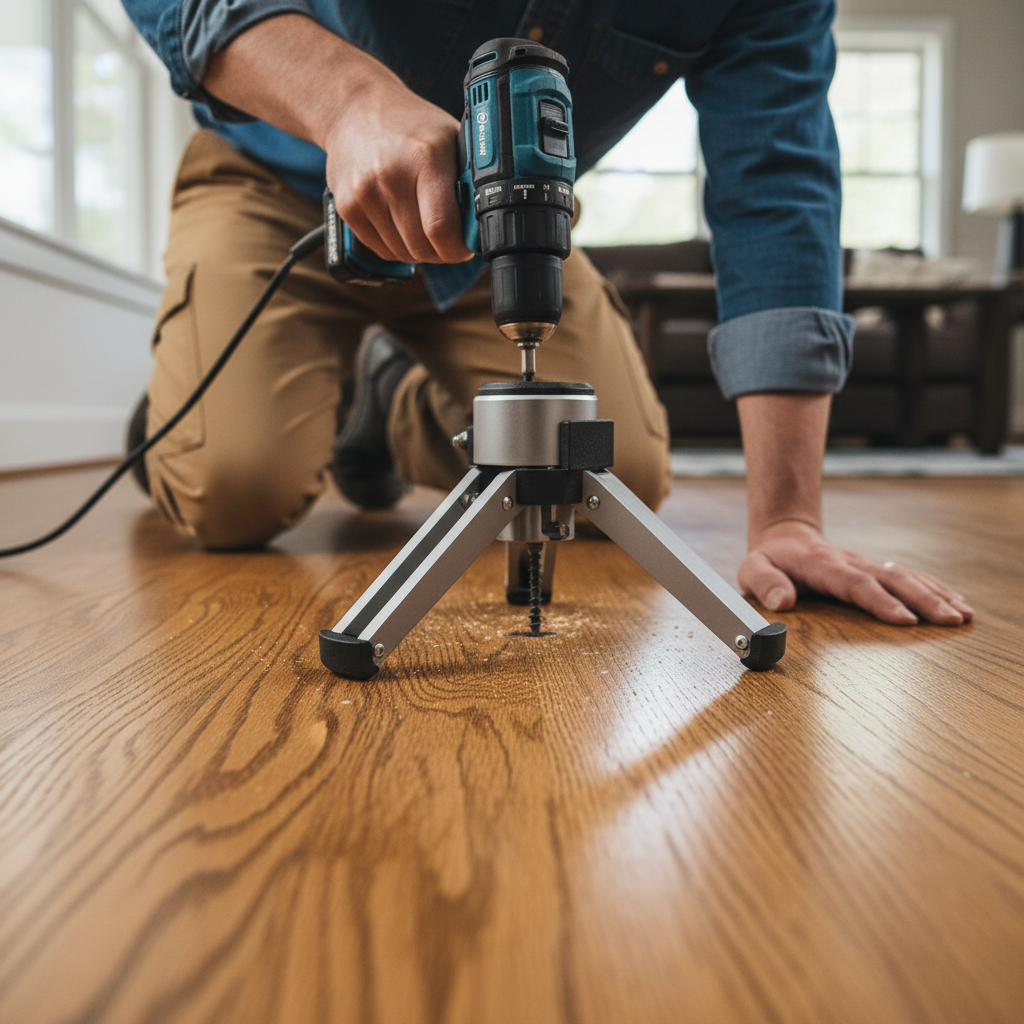
The best DIY method for silencing squeaky hardwood floors involves a specialized kit, such as the O'Berry Counter-Snap or Squeeeeek No More. These kits use a scored screw that pulls the flooring tight before allowing you to snap the head off cleanly below the surface.
-
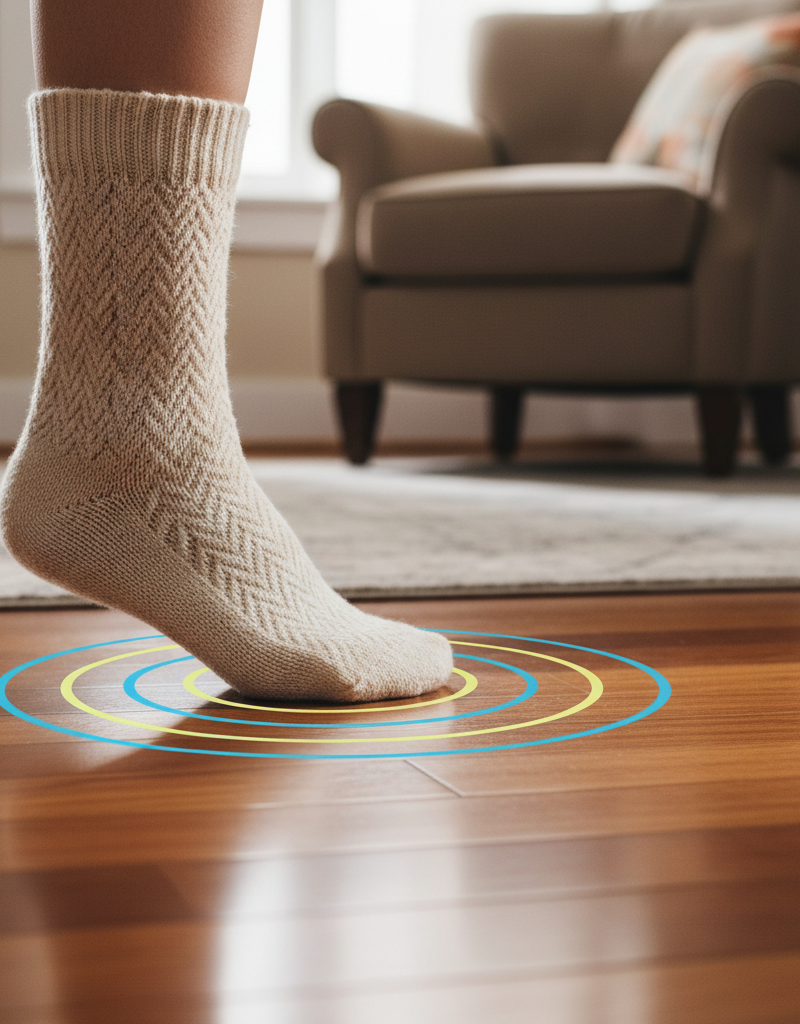
Isolate the Squeak — Walk slowly around the noisy area. Have a helper walk while you listen at floor level if needed. When you find the precise spot that squeaks, mark it with a small piece of painter's tape. Be precise; the squeak often comes from a spot a few inches to the side of where you step.
-
Locate the Floor Joist — This is the most crucial step. The fix is only permanent if the screw anchors into a joist. Use a high-quality, deep-scanning stud finder to locate the joist closest to your marked squeak. Mark the center of the joist with a pencil on a piece of tape. Joists are typically 1.5 inches wide and spaced 16 or 24 inches apart on-center.
-
Set Up the Tripod Fixture — The kit comes with a small plastic tripod fixture and a special driver bit. Place the tripod directly over your pencil mark, ensuring it sits flat on the floor. This fixture controls the depth of the screw perfectly and provides the leverage to snap it off later.
-
Prepare the Screw — Insert the long driver bit into your power drill. Place one of the specialized coated screws onto the magnetic tip of the bit. The screw is designed with threads only on the bottom half, which is key to its function—it pulls the wood down instead of just drilling through it.
-
Drive the Screw Slowly — Guide the screw through the center hole of the tripod fixture. Begin driving the screw into the hardwood floor on a low-to-medium speed setting. Apply steady downward pressure. You will feel it drill through the hardwood, then the subfloor, and finally bite into the joist.
-
Stop at the Right Depth — Continue driving the screw until the screw’s head is flush and the tripod fixture is pressed firmly and flatly against the floor surface. The driver bit and screw are designed to stop automatically at the correct depth, so don't try to force it further. This action cinches the flooring down to the joist, eliminating the gap.
-
Snap the Screw Head — Leave the screw in place. Remove the drill and driver bit. Grasp the top of the tripod fixture and rock it from side to side. The top portion of the screw will cleanly snap off at the scored line, which is now below the surface of the hardwood.
-
Test the Repair — Remove the tripod and walk firmly on and around the repaired spot. The squeak should be completely gone. If you still hear a faint noise, the squeak may be originating a few inches away. Simply repeat the process on the same joist, a few inches from the first screw.
-
Fill the Hole — You will be left with a tiny hole, smaller than a nail head. Take a small dab of wood putty that matches the color of your floor on your fingertip or a putty knife. Press it firmly into the hole, then wipe away the excess with a soft, clean cloth. Once filled, the repair will be virtually invisible.
-
Address Wider Areas — For a long, linear squeak along a single joist, you may need to install several screws. Place one screw every 6 to 8 inches along the center of the joist for the length of the squeaking area to ensure the entire section is securely fastened.
Common Causes
- Humidity & Temperature Swings: This is the number one cause. Wood is a natural material that expands in high humidity and contracts in low humidity. This constant movement can loosen nails and create friction points.
- Improper Installation: If the flooring wasn't installed correctly, problems can surface years later. This includes not leaving adequate expansion gaps at the walls, incorrect spacing of fasteners, or failing to use a subfloor adhesive.
- Subfloor Issues: Over time, the subfloor itself can separate from the underlying joists. The squeak you hear might not be the hardwood at all, but the plywood subfloor moving against a joist. The fix described above also solves this issue.
- Joist Problems: In some cases, the home's structure is the problem. The house may have settled, or the floor joists may be undersized, twisted, or have shrunk over time, creating gaps between them and the subfloor.
- Normal Wear and Tear: In older homes, decades of foot traffic, heavy furniture, and seasonal changes simply take their toll. The wood and fasteners age, and a certain amount of noise can be expected.
- Tongue-and-Groove Damage: The interlocking edges of the hardwood planks can become worn, cracked, or damaged, particularly if the floor has ever been subjected to excessive moisture. This allows for more vertical play and rubbing.
Common Mistakes
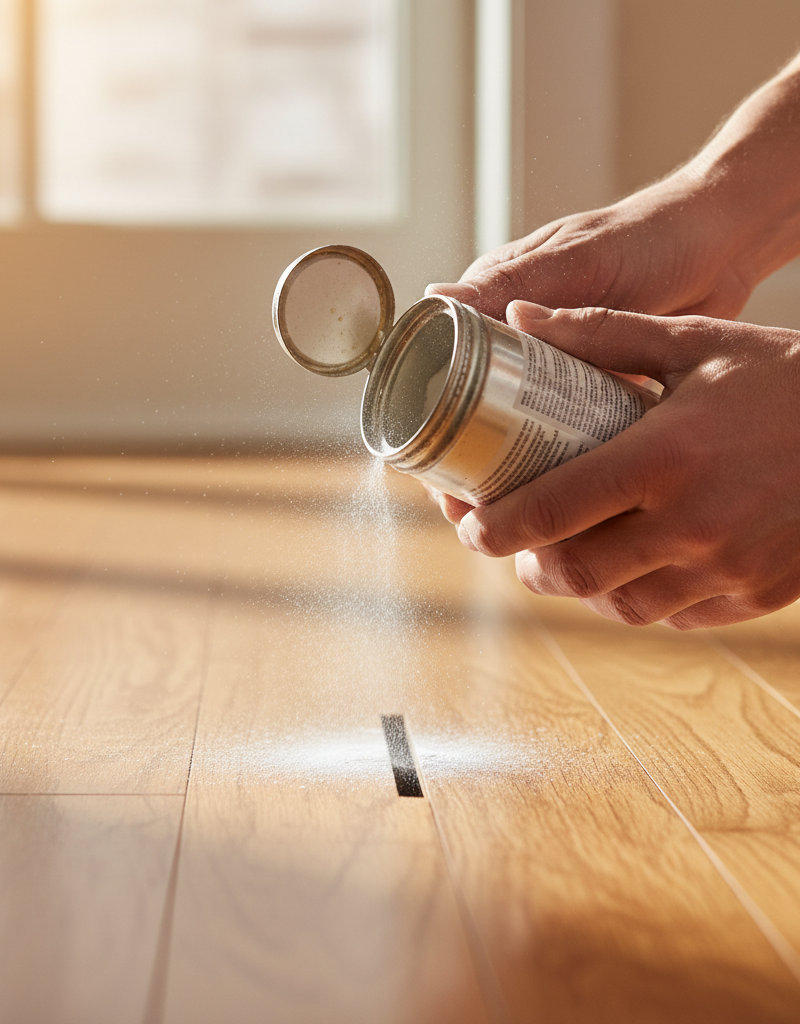
- Using Powders (Graphite, Talc, Baby Powder): This is a very temporary, messy fix. It only lubricates the squeak. It does nothing to address the root cause—movement. The powder will work its way out or get displaced, and the squeak will inevitably return.
- Driving Finishing Nails From Above: This is rarely effective. A smooth-shank finishing nail lacks the withdrawal strength to hold the flooring down tightly. It might quiet the floor for a day or two, but as soon as the floor moves with footsteps or humidity changes, the nail will loosen its grip.
- Screwing Blindly: The biggest mistake is driving a screw without positively identifying the joist location. Screwing only into the subfloor will not work. The screw must be anchored into the solid wood of a joist to have the strength to stop the movement.
- Using the Wrong Fastener: Using a standard wood screw is a bad idea. It will leave a large, ugly head on the surface of your beautiful floor. Even if you countersink it, the hole is large, difficult to hide, and can even crack the plank if done incorrectly.
- Fixing From Below (The Wrong Way): Going into the basement or crawlspace and randomly jamming wood shims into gaps can seem like a good idea. However, it's easy to apply too much pressure, which can create a visible hump in the floor above and transfer the problem elsewhere.
Cost & Time Breakdown
Here’s a realistic breakdown of what it costs and how long it takes to silence squeaky hardwood floors in a typical room.
| Task | DIY Cost | Pro Cost | Time |
|---|---|---|---|
| Initial Diagnosis & Marking | $5 (tape) | $75 - $150 (service call) | 30-45 minutes |
| Squeak-Elimination Screw Kit | $25 - $40 | Included in Labor | 1-2 hours |
| Deep-Scan Stud Finder | $30 - $60 | Included in Tools | N/A |
| Wood Filler & Putty Knife | $15 | Included in Labor | 30 minutes |
| Total (Single Room) | $75 - $120 | $250 - $500 | 2-4 hours |
| Structural Assessment (if needed) | N/A | $300 - $600 (Engineer) | 1-3 hours |
Tips & Prevention
- Maintain Stable Humidity: The best defense is a stable environment. Use a whole-home humidifier in the dry winter months and a dehumidifier during the humid summer. Aim to keep your home's relative humidity between 35% and 55% year-round.
- Acclimate New Flooring Properly: Before installing a new hardwood floor, the wood planks must be left inside the home for at least 72 hours (or as per manufacturer directions) to acclimate to the home's specific temperature and humidity.
- Ensure Proper Installation: When installing a floor, use the right fasteners (flooring cleats are better than staples) at the correct intervals (every 8-10 inches). Always apply a quality subfloor adhesive to the joists before laying the subfloor.
- Leave an Expansion Gap: A 3/4-inch expansion gap must be left around the entire perimeter of the room. This gives the wood room to expand without buckling or crushing. This gap is hidden by your baseboards.
- Clean Spills Immediately: Never let water or any liquid sit on your hardwood floor. It can cause localized swelling, staining, and long-term damage to the wood fibers and finish, leading to noise.
When to Call a Professional
While the DIY screw-kit method is highly effective for most common floor squeaks, there are times when you should call for professional help. If the squeaking is widespread and affects a large portion or the entirety of your home, it could indicate a systemic issue with the original installation or the home's structure. If the floor feels noticeably bouncy, spongy, or sags when you walk on it, this is a major red flag for a structural problem, such as undersized, damaged, or improperly supported joists. In this case, a flooring contractor or even a structural engineer should be consulted. Additionally, if the squeaks are accompanied by significant visible damage like cupping (boards curling up at the edges) or crowning (boards bulging in the middle), it's best to get a professional assessment. Finally, if you simply aren't comfortable using a drill or accurately locating joists, a professional handyman or flooring expert can perform this fix for you quickly and efficiently.
Frequently asked questions
Can I use baby powder or graphite powder to fix squeaky floors?+
While these powders can offer a temporary reprieve by lubricating the rubbing wood pieces, they are a messy, short-term fix. They don't address the root cause, which is movement, and the squeak will almost always return as the powder gets displaced.
Is it better to fix squeaky floors from above or below?+
Fixing from above using a specialized counter-snap screw kit is often the most effective and permanent solution for most squeaks. Fixing from below with shims can work if the issue is a gap between the subfloor and a joist, but it's easy to over-shim and create a hump. For most common floorboard squeaks, the top-down screw method is superior.
Will screwing into my hardwood floor leave a noticeable mark?+
The specialized kits are designed to be minimally invasive. The screw head snaps off below the surface, leaving a hole smaller than a standard nail head. When this tiny hole is filled with a matching wood putty, it becomes virtually invisible to the naked eye.
What if I can't find the floor joist?+
Finding the joist is critical. A good quality, deep-scan electronic stud finder is the best tool. If it's not working, you can try tapping the floor with a hammer and listening for the solid 'thud' of a joist versus the hollow sound between them. You can also use the spacing (typically 16 inches on-center) from a wall or heating vent to estimate the location. Do not proceed until you are confident you've found the joist.
Discussion
Loading comments…