Tools & materials you'll need
Affiliate linksAs an Amazon Associate FixlyGuide earns from qualifying purchases — at no extra cost to you. Prices and availability are accurate as of publication and subject to change.
The Problem
It’s a sound every homeowner recognizes: the grating scrape of a door fighting against its frame. In the winter, it swung freely, but now, in the thick of summer, your bathroom, bedroom, or closet door has become frustratingly stubborn. You have to give it an extra shove to latch it, or it springs back open moments after you walk away. This isn’t just a minor annoyance; it’s a physical sign of what’s happening inside your home’s structure. A sticking door is a symptom of a much larger, invisible force at play: humidity.
Most homeowners either live with the inconvenience, waiting for the seasons to change, or take out their frustration by forcing the door, which can damage the wood, the frame, or the latch hardware. Some might even take a sander to the edge without a clear plan, often making the problem worse or creating new ones. The real issue is that the door itself is physically larger than it was a few months ago. Understanding why this happens is the first step toward a permanent, professional-level fix that goes beyond simple brute force.
How It Works: The Science of Swelling Wood
At its core, a wooden door sticking in summer is a fascinating display of basic physics and biology. Wood is a hygroscopic material, which means it naturally absorbs and releases moisture from the air to reach equilibrium with its environment. Think of it like a very, very slow sponge.
Your home’s wooden components—from the framing studs behind the drywall to your solid oak dining table and, yes, your doors—are constantly "breathing" in and out with the seasons. In the winter, heated indoor air is typically very dry, so the wood releases its internal moisture and shrinks. This is why you might notice small gaps appearing in your hardwood floors. In the summer, the opposite occurs. The air becomes saturated with water vapor, measured as relative humidity. Your wooden doors absorb this excess moisture from the air.
This absorbed water doesn’t just sit on the surface; it infiltrates the wood’s cellular structure. Wood is made of countless long, fibrous cells. The water molecules wedge themselves into these fibers, forcing them apart and causing the entire piece of wood to expand. Crucially, wood swells and shrinks much more across its grain than with its grain. Because a door is constructed with the grain running vertically for strength, the expansion happens almost entirely in its width, not its height. Even an expansion of 1/16th of an inch is more than enough to turn a perfectly fitted door into a sticking, scraping nuisance. The top edge of the door, which is almost never sealed with paint or primer, is a primary entry point for this moisture, causing it to swell and stick against the top of the frame.
Step-by-Step Fix: How to Cure a Swollen Door
Follow these steps to properly diagnose and fix your sticking door for good. This process prioritizes the least invasive fixes first, ensuring you don’t remove more material than necessary.
1. Pinpoint the Problem Area First, you need to know exactly where the door is binding. Close the door as much as you can from the inside of the room and look for the tight spots. Is it along the top? On the latch side? Near a hinge? A simple trick is to slide a thin piece of paper or a playing card into the gap between the door and the frame. Where it gets stuck is where the rubbing occurs. For a more precise mark, you can apply a thin layer of chalk or even lipstick to the edge of the door and then close it. The chalk will transfer to the frame, showing you the exact point of contact.
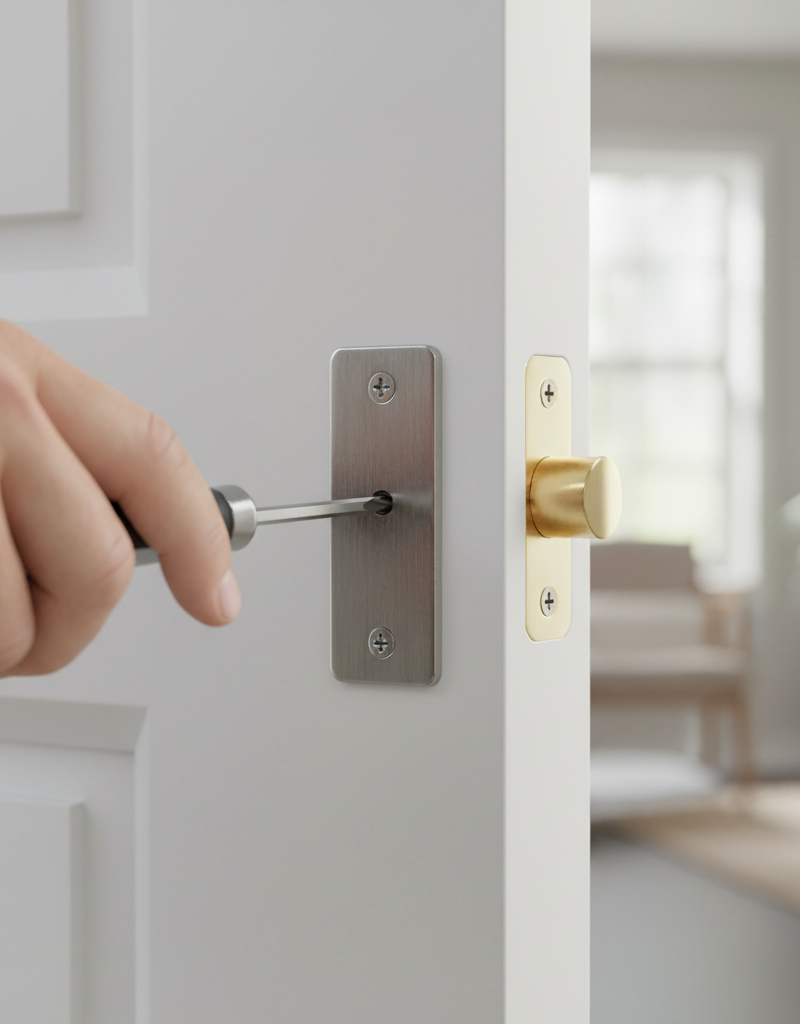
2. Check and Tighten the Hinges Before you remove any wood, check the hinges. A loose hinge is a common and easily fixed culprit. Open the door and use a screwdriver to check every single hinge screw. If you find one that just spins without tightening, the wood is stripped. A classic carpenter’s trick is to remove the screw, insert a couple of wooden toothpicks or a golf tee coated in wood glue into the hole, break them off flush, and then re-drive the screw. For a more robust fix, replace one of the screws in the top hinge (on the jamb side) with a 3-inch deck screw. This will go through the jamb and bite into the wall stud, cinching the entire doorframe up tight and often creating just enough clearance.
3. Remove the Door If tightening the hinges doesn’t work, you’ll need to remove the door. Close the door and place a doorstop or wedge underneath it to support its weight. Use a hammer and a nail set (or a large nail) to tap the hinge pins out from the bottom. They should pop out from the top. Once all pins are out, carefully lift the door off the hinges and lay it across a pair of sawhorses or on a covered, stable work surface.
4. Mark the Area for Removal Using your findings from Step 1, use a pencil and a straightedge to draw a clear, straight line on the door’s edge, indicating the wood you need to remove. Remember the golden rule: take off a little at a time. You can always take more off, but you can’t put it back on.
5. Choose Your Tool: Plane vs. Sander
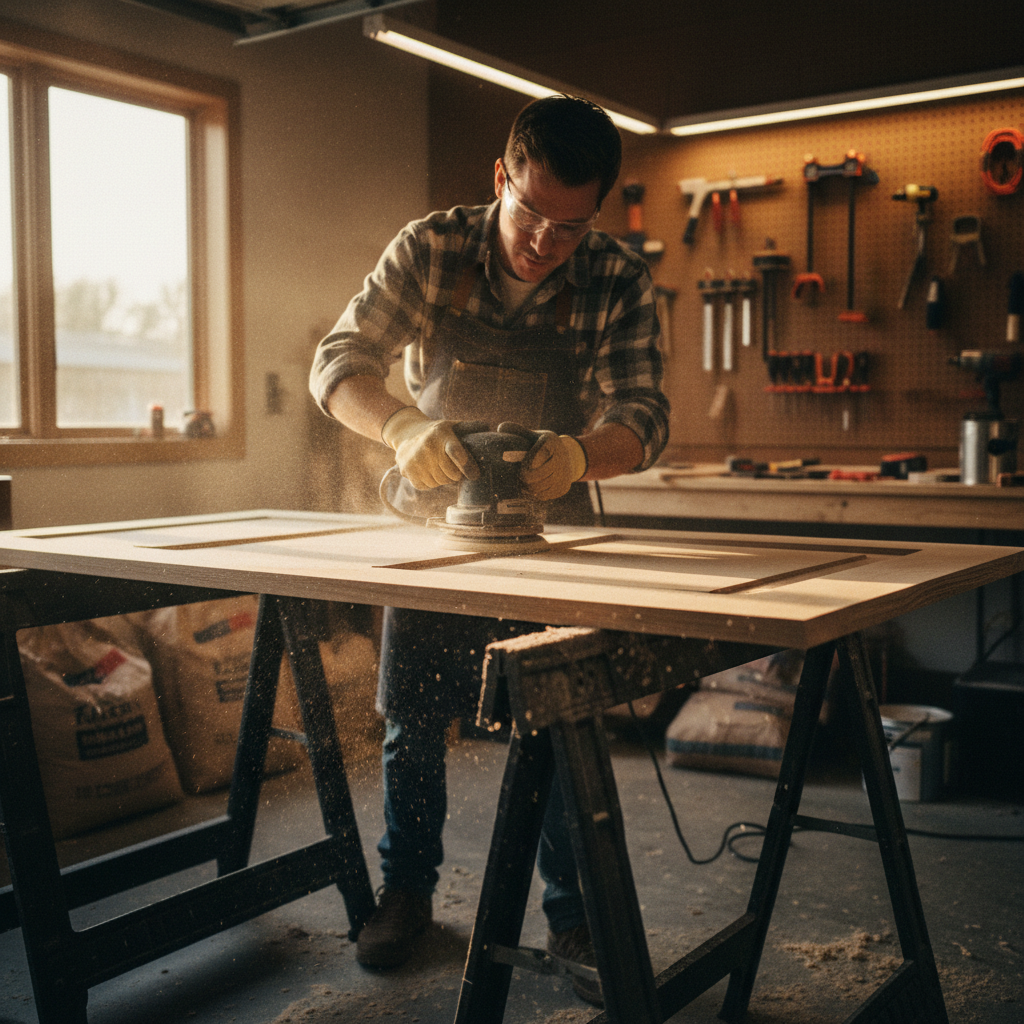
- For minor adjustments (less than 1/16 inch): A random orbit sander with 80-grit sandpaper is perfect. It gives you a lot of control and reduces the risk of removing too much material too quickly.
- For larger adjustments (1/16 to 1/8 inch): A hand plane is much more efficient. A block plane is good for this task. Set the blade depth to be very shallow to remove fine shavings of wood. Forcing a deep cut will cause the plane to tear the wood.
6. Remove the Excess Wood The key to both planing and sanding is to work from the outside edges toward the center. This prevents you from splintering the corners. If using a plane, make smooth, even strokes with the grain. If sanding, keep the sander flat on the surface and move it consistently along your marked line. Keep checking your progress against your pencil line.
7. Create a Slight "Back Bevel" Pros often add a slight bevel (about 3-5 degrees) to the latch-side edge of the door, so that the side of the door facing into the room is slightly narrower than the side in the jamb. This provides extra clearance for the door to swing shut without binding. You can achieve this by tilting your sander or plane very slightly as you work.
8. Sand the Edge Smooth After planing or using coarse sandpaper, the edge will be rough. Switch to a finer sandpaper (120-grit, then 220-grit) to create a smooth, clean finish that’s ready for sealing.
9. Seal the Bare Wood (Critical Step!) This is the most important step. If you leave the wood you just exposed bare, it will absorb moisture even faster than before, and your problem will return. Apply a coat of high-quality primer, followed by one or two coats of paint to match the rest of your door. Make sure to also seal the top and bottom edges of the door, which are the most common unsealed surfaces and moisture entry points.
10. Rehang and Test the Door Once the paint is fully cured, carefully place the door back onto its hinges and slide the pins back in, tapping them down with a hammer. Open and close the door several times. It should now move freely with an even gap all around. If it still sticks, repeat the process, but be very cautious about how much more you remove.
Common Causes
- High Interior Humidity: The primary cause. Summer air is naturally more humid, and activities like showering and cooking add even more moisture indoors.
- Unsealed Door Edges: The top and bottom edges of doors are rarely painted. This exposed end grain acts like a straw, wicking moisture from the air.
- Paint Buildup: Years of paint layers can add thickness to a door and jamb, reducing the clearance gap.
- Loose Hinges: Worn or loose hinge screws can cause a door to sag and bind against the frame.
- House Settling: In some cases, sticking doors can be a sign of foundation movement, which causes door frames to go out of square. This is usually accompanied by other signs like cracks in drywall.
Common Mistakes to Avoid
- Sanding Without a Plan: Don’t just grab a sander and go at the spot you think is rubbing. Pinpoint it first to avoid removing wood from the wrong place.
- Taking Off Too Much: This is the most common mistake. A door that fits perfectly in the summer will have a large, drafty gap in the winter if you remove too much material. Work slowly and re-hang the door to test it before taking off more.
- Forgetting to Seal the Bare Wood: All your hard work will be undone in the next humid spell if you don’t prime and paint the freshly sanded or planed edge.
- Ignoring the Hinges: Always check and tighten the hinges before you modify the door itself. A single 3-inch screw can often solve the entire problem in five minutes.
- Planing Against the Grain: This will cause the wood to tear and splinter, leaving a rough, ugly finish that’s difficult to repair.
Cost & Time Breakdown
| Item / Task | DIY Cost | Professional Cost | DIY Time | Professional Time |
|---|---|---|---|---|
| Diagnostics | $0 | $75 - $150 (Handyman service call fee) | 15 mins | 15 mins |
| Hinge Tightening | $5 (for 3" screws) | Included in service call | 10 mins | 5 mins |
| Sanding/Planing | $30-$50 (Sandpaper, Primer, Paint) | $150 - $300 (Labor + materials) | 2-4 hours | 1-2 hours |
| Full Job (DIY) | $35 - $55 | - | 2.5 - 4.5 hours | - |
| Full Job (Pro) | - | $150 - $300 | - | 1 - 2 hours |
Tips & Prevention
The best long-term solution is to control your home’s humidity.
- Measure Humidity: Purchase an inexpensive digital hygrometer to monitor your indoor humidity levels. The ideal range is between 30% and 50%.
- Use Exhaust Fans: Always run the exhaust fan in your bathroom during and for 20-30 minutes after a shower. Use the exhaust fan in your kitchen when cooking.
- Run a Dehumidifier: In chronically damp areas like basements or during very humid summer months, a portable or whole-home dehumidifier is your best defense against moisture problems.
- Check All Door Seals: The next time you have a door off its hinges, take a moment to seal the top and bottom edges with primer and paint. This small step can prevent future swelling.
- Promote Air Circulation: Use ceiling fans or oscillating fans to keep air moving, which helps prevent moisture from concentrating in one area.
When to Call a Professional
While fixing a single sticking door is a great DIY project, some situations are best left to a professional carpenter or handyman.
- Multiple Sticking Doors/Windows: If doors and windows throughout your house are suddenly sticking, it could indicate a more serious structural or foundation issue that needs evaluation.
- Visible Wall Cracks: If you see cracks forming in the drywall or plaster around the door frame, especially diagonal cracks coming from the corners, call a structural engineer or foundation specialist.
- The Frame is the Problem: If you determine the door is fine but the frame itself is warped or out of square, adjusting it is a more complex job that a pro can handle efficiently.
- You're Uncomfortable with the Tools: If you’re not confident using a hand plane or sander, a handyman can get the job done quickly and correctly, saving you potential frustration and mistakes.
Frequently asked questions
Will my door go back to normal in the winter?+
Yes, as the air becomes drier in the winter, the wood will release its moisture and shrink back to its original size. However, the repeated cycle of swelling and shrinking can stress the door and its hardware, so it's best to address the fit.
Can I just use a dehumidifier to fix my sticking door?+
Running a dehumidifier can certainly alleviate the problem by reducing the root cause. If your indoor humidity drops, the door will shrink and may stop sticking. However, properly fitting the door ensures it works year-round, regardless of humidity fluctuations.
Is it better to plane or sand a sticking door?+
Sanding is best for minor adjustments (less than 1/16") as it offers more control. A hand plane is much more efficient for removing a larger amount of wood (up to 1/8"), but requires more skill to use correctly without damaging the door.
Why is the top of the door sticking?+
The top and bottom edges of doors are frequently left unpainted and unsealed from the factory. This exposed wood grain absorbs moisture readily from humid air, causing the top to swell and bind against the frame.
Discussion
Loading comments…